Labour Laws For Employees In Cuyahoga
Description
















Get your form ready online
Our built-in tools help you complete, sign, share, and store your documents in one place.
Make edits, fill in missing information, and update formatting in US Legal Forms—just like you would in MS Word.
Download a copy, print it, send it by email, or mail it via USPS—whatever works best for your next step.
Sign and collect signatures with our SignNow integration. Send to multiple recipients, set reminders, and more. Go Premium to unlock E-Sign.
If this form requires notarization, complete it online through a secure video call—no need to meet a notary in person or wait for an appointment.
We protect your documents and personal data by following strict security and privacy standards.

Make edits, fill in missing information, and update formatting in US Legal Forms—just like you would in MS Word.

Download a copy, print it, send it by email, or mail it via USPS—whatever works best for your next step.

Sign and collect signatures with our SignNow integration. Send to multiple recipients, set reminders, and more. Go Premium to unlock E-Sign.

If this form requires notarization, complete it online through a secure video call—no need to meet a notary in person or wait for an appointment.

We protect your documents and personal data by following strict security and privacy standards.
Looking for another form?


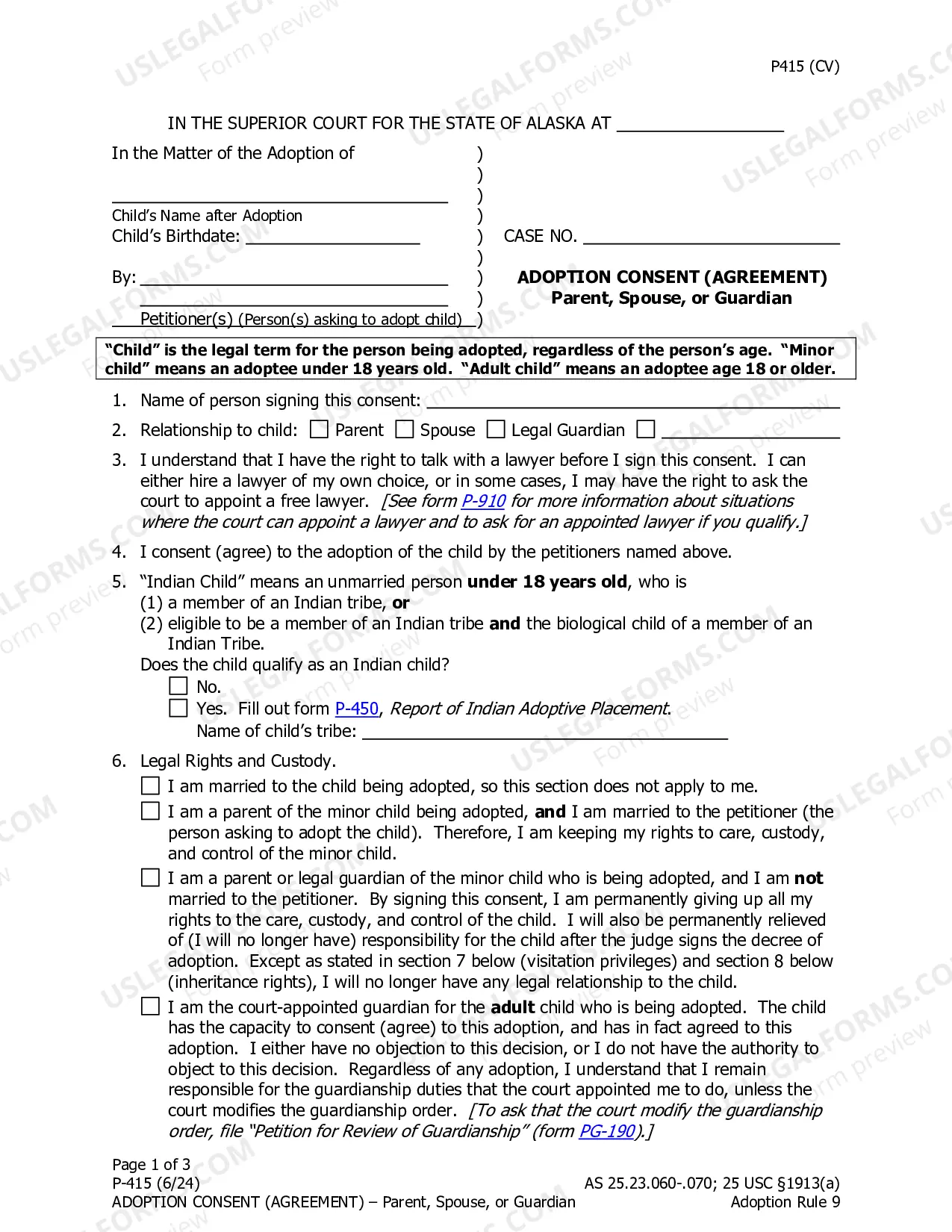

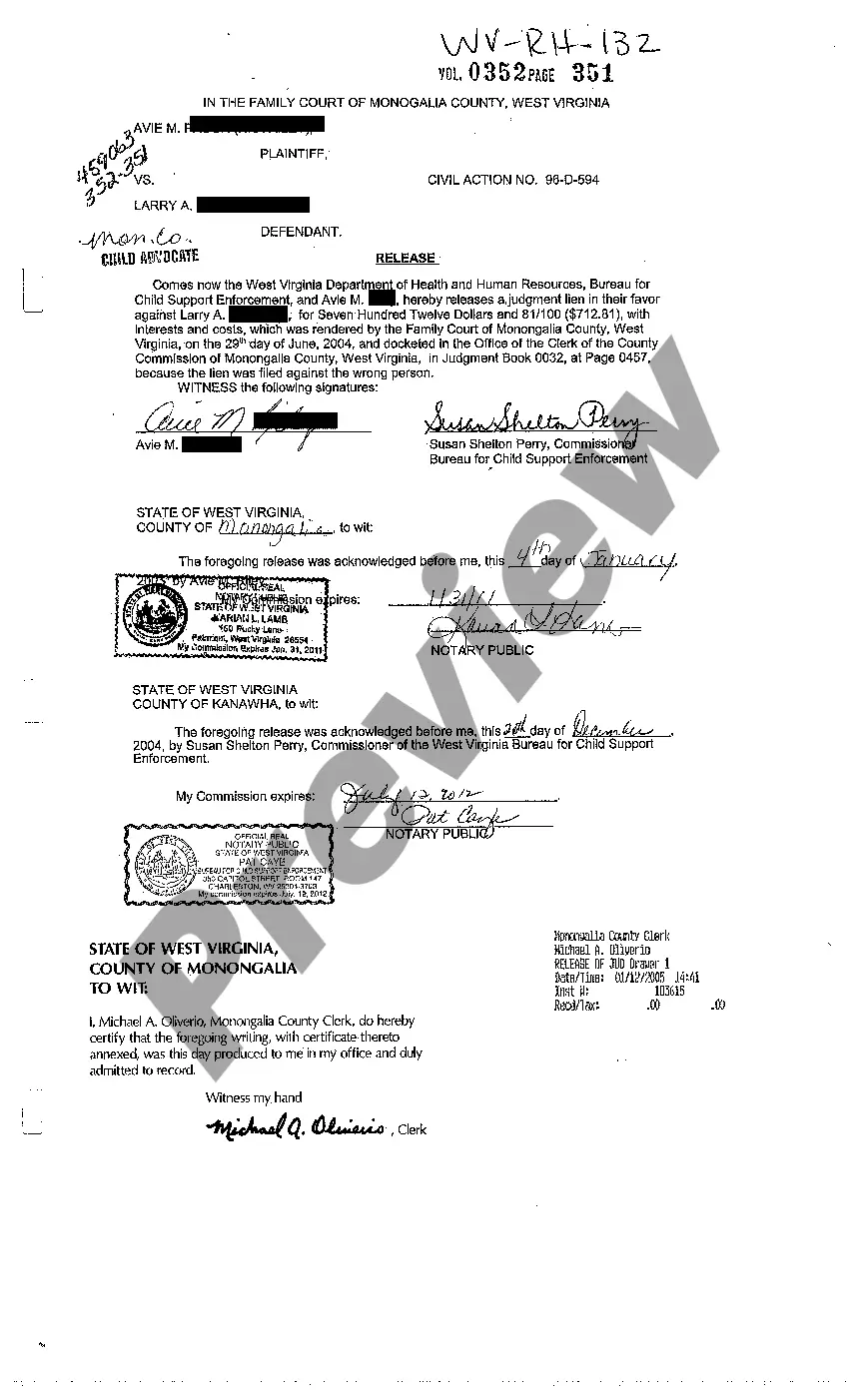
Form popularity
FAQ
Ohio law and federal law do not require that an employer provide any breaks (except for minors) for any duration. So what does that mean for short breaks such as cigarette breaks, coffee breaks, or rest breaks? Breaks of a short duration, running from 5 minutes to about 20 minutes, are common in the work place.
Ohio is an at-will employment state, which means that in the absence of a written employment agreement or a collective bargaining agreement providing otherwise, either the employer or the employee may terminate employment for any reason that is not contrary to law.
A salaried employee in Ohio can work up to 40 hours in one standard workweek. Any hours worked beyond 40 are compensated at one and a half times the employee's hourly rate. Salaried employees must be classified as non-exempt to be eligible for overtime compensation.
Ohio, as an “at-will” employment state, permits an employer, absent an employment contract to the contrary, to terminate an employee for no reason or any reason at all, so long as the reason does not violate Ohio or federal law.
Please contact the U.S. Department of Labor at 1-866-4-USA-DOL (1-866-487-2365) for questions about the Family and Medical Leave Act. How do I report harassment?
Ohio is an employment-at-will state, which means that without a written employee contract, employees can be terminated for any reason at any time, provided that the reason is not discriminatory, there is no contract to the contrary, and that the employer is not retaliating against the employee for a rightful action.
A salaried employee in Ohio can work up to 40 hours in one standard workweek. Any hours worked beyond 40 are compensated at one and a half times the employee's hourly rate. Salaried employees must be classified as non-exempt to be eligible for overtime compensation.
A salaried employee in Ohio can work up to 40 hours in one standard workweek. Any hours worked beyond 40 are compensated at one and a half times the employee's hourly rate. Salaried employees must be classified as non-exempt to be eligible for overtime compensation.
