Law For Employment Contract In California
Description
















Get your form ready online
Our built-in tools help you complete, sign, share, and store your documents in one place.
Make edits, fill in missing information, and update formatting in US Legal Forms—just like you would in MS Word.
Download a copy, print it, send it by email, or mail it via USPS—whatever works best for your next step.
Sign and collect signatures with our SignNow integration. Send to multiple recipients, set reminders, and more. Go Premium to unlock E-Sign.
If this form requires notarization, complete it online through a secure video call—no need to meet a notary in person or wait for an appointment.
We protect your documents and personal data by following strict security and privacy standards.

Make edits, fill in missing information, and update formatting in US Legal Forms—just like you would in MS Word.

Download a copy, print it, send it by email, or mail it via USPS—whatever works best for your next step.

Sign and collect signatures with our SignNow integration. Send to multiple recipients, set reminders, and more. Go Premium to unlock E-Sign.

If this form requires notarization, complete it online through a secure video call—no need to meet a notary in person or wait for an appointment.

We protect your documents and personal data by following strict security and privacy standards.
Looking for another form?
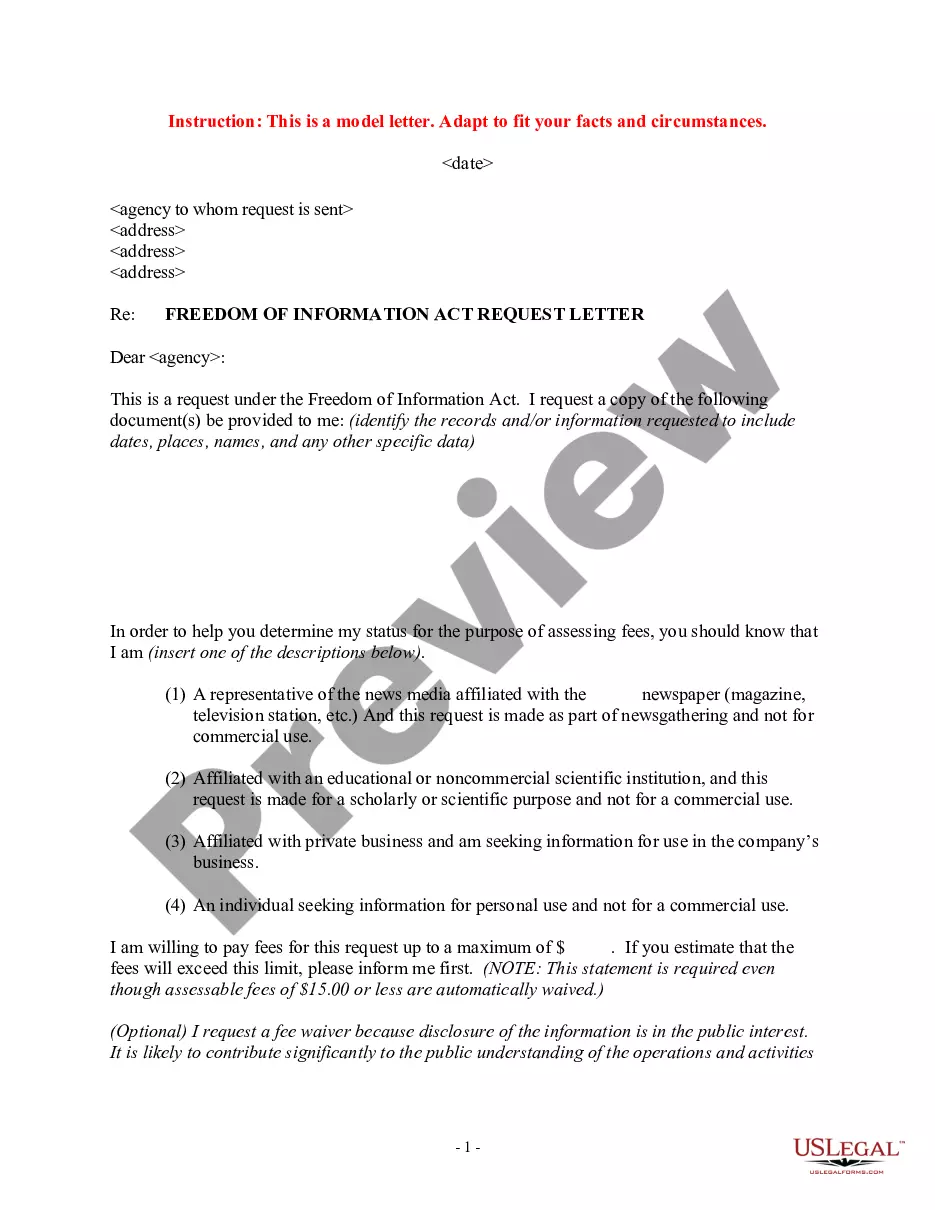

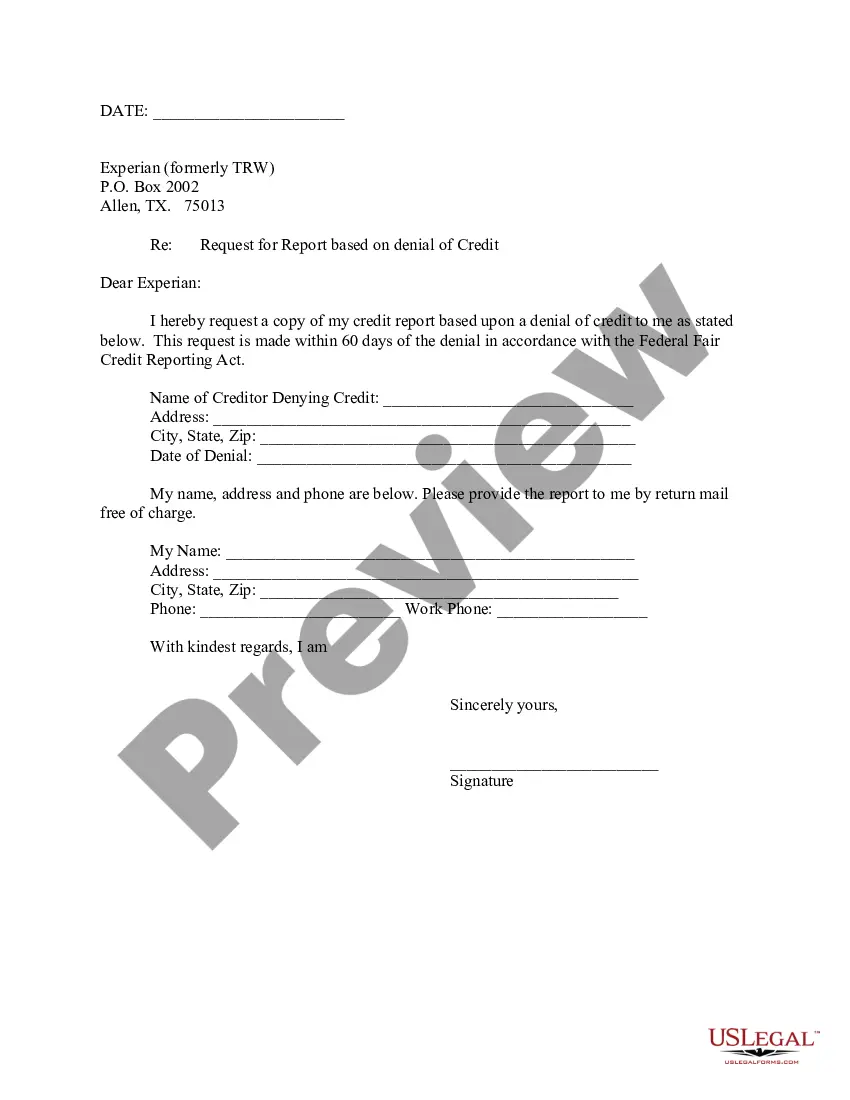
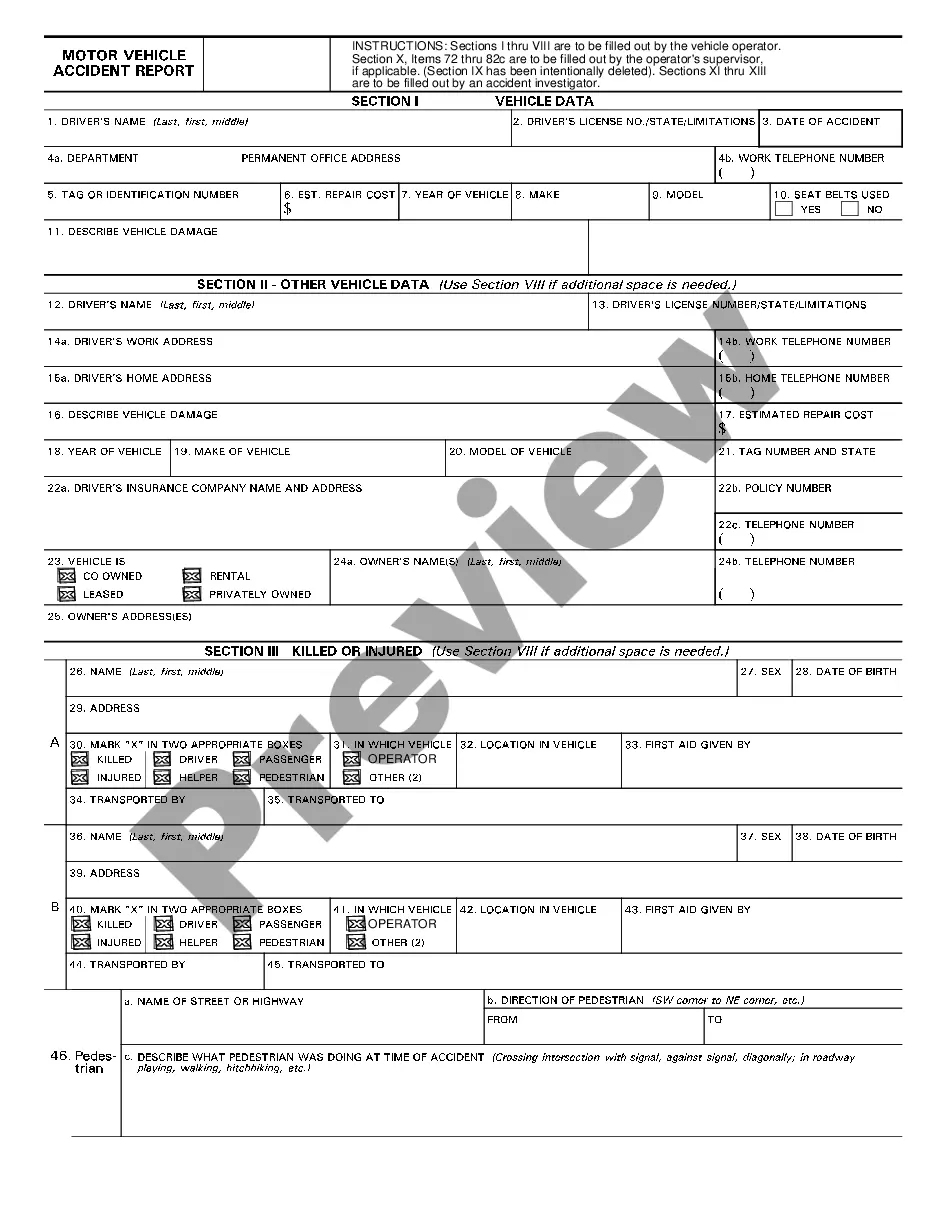
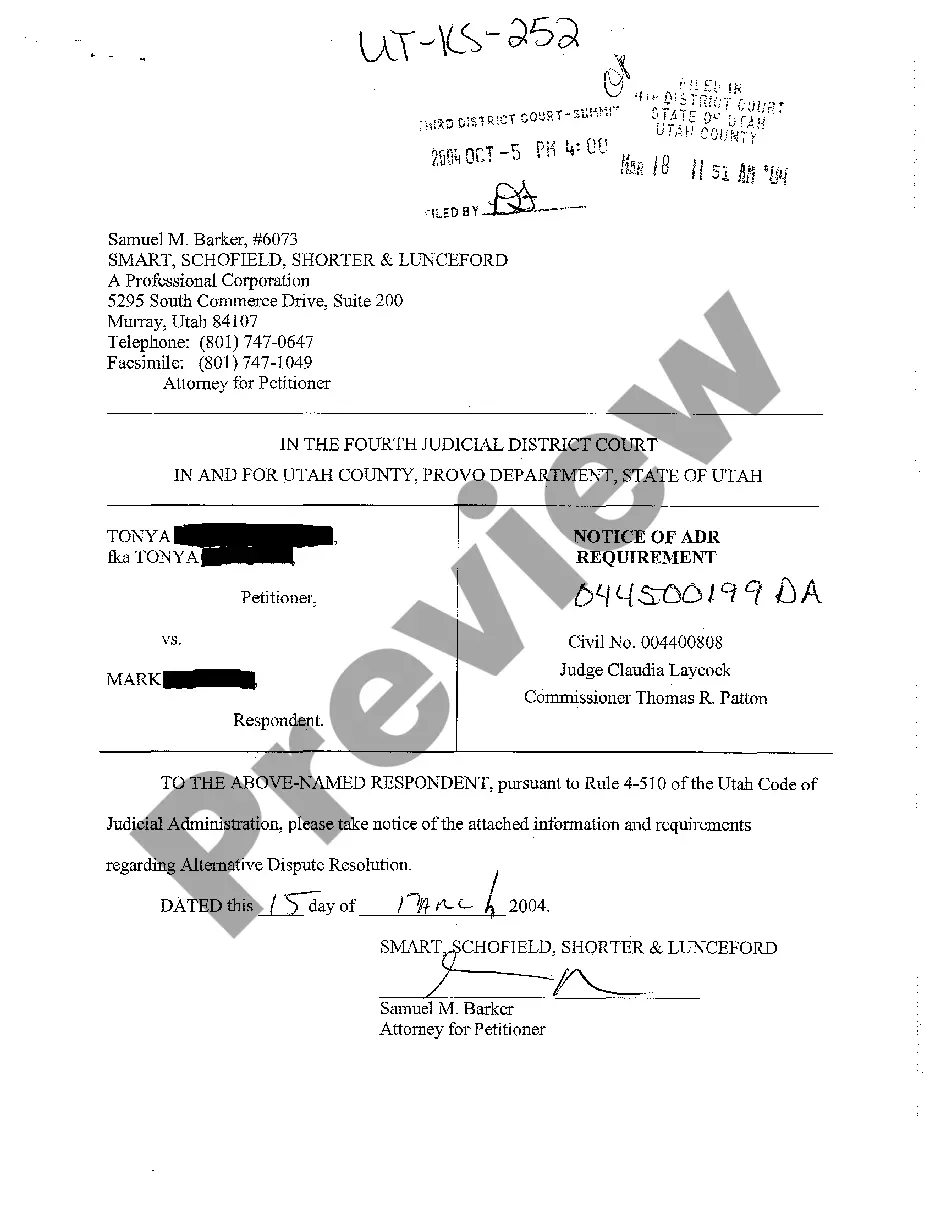
Form popularity
FAQ
The new rule, which becomes effective March 11, 2024, rescinds the 2021 independent contractor rule issued under former President Donald Trump and replaces it with a six-factor test that considers: 1) opportunity for profit or loss depending on managerial skill; 2) investments by the worker and the potential employer; ...
California's AB5 Law, also known as the gig worker bill, establishes clear guidelines for classifying workers as employees or independent contractors in the gig economy. This new law aims to better protect crew and employees and ensure fewer people get taken advantage of and lose out on benefits due to loopholes.
The new rule, which becomes effective March 11, 2024, rescinds the 2021 independent contractor rule issued under former President Donald Trump and replaces it with a six-factor test that considers: 1) opportunity for profit or loss depending on managerial skill; 2) investments by the worker and the potential employer; ...
Here are some steps you may use to guide you when you write an employment contract: Title the employment contract. Identify the parties. List the term and conditions. Outline the job responsibilities. Include compensation details. Use specific contract terms. Consult with an employment lawyer. Employment.
In order for a contract to be valid, there must be an offer, an acceptance of the offer, an exchange between the parties of something of value, and an agreement to the terms.
Effective January 1, 2024, at the time of hiring employers must include information about the existence of a federal or state emergency or disaster declaration applicable to the county or counties where the employee is to be employed, that was issued within 30 days before the employee's first day of employment, that ...
California's Assembly Bill 5, or AB5, requires many companies to reclassify their independent contractors as employees. This was in particular true for “gig workers.” One of the bill's intentions is to protect gig workers from misclassification and provide them with the same rights and benefits as regular employees.
AB 5 requires the application of the “ABC test” to determine if workers in California are employees or independent contractors for purposes of the Labor Code, the Unemployment Insurance Code, and the Industrial Welfare Commission (IWC) wage orders.
All contracts are enforceable, but written agreements are more reliable. The written document provides a paper trail that clearly explains what both parties agreed to. It also acts as evidence if an employer attempts to require an employee to agree to or perform illegal actions.
REQUIREMENTS FOR A CONTRACT In order for a contract to be valid, there must be an offer, an acceptance of the offer, an exchange between the parties of something of value, and an agreement to the terms.
