Employment Law With Pregnancy In Alameda
Description

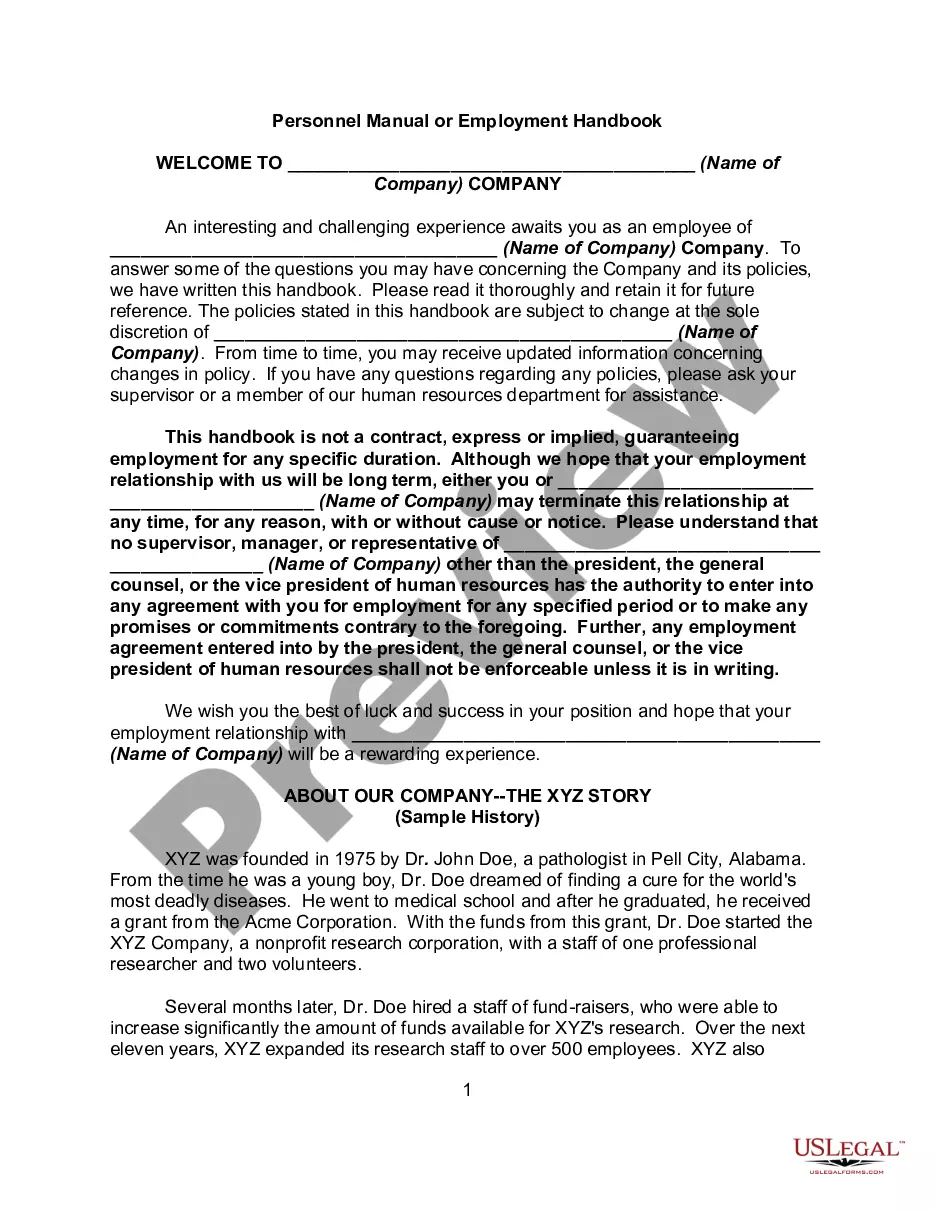
Get your form ready online
Our built-in tools help you complete, sign, share, and store your documents in one place.
Make edits, fill in missing information, and update formatting in US Legal Forms—just like you would in MS Word.
Download a copy, print it, send it by email, or mail it via USPS—whatever works best for your next step.
Sign and collect signatures with our SignNow integration. Send to multiple recipients, set reminders, and more. Go Premium to unlock E-Sign.
If this form requires notarization, complete it online through a secure video call—no need to meet a notary in person or wait for an appointment.
We protect your documents and personal data by following strict security and privacy standards.

Make edits, fill in missing information, and update formatting in US Legal Forms—just like you would in MS Word.

Download a copy, print it, send it by email, or mail it via USPS—whatever works best for your next step.

Sign and collect signatures with our SignNow integration. Send to multiple recipients, set reminders, and more. Go Premium to unlock E-Sign.

If this form requires notarization, complete it online through a secure video call—no need to meet a notary in person or wait for an appointment.

We protect your documents and personal data by following strict security and privacy standards.
Looking for another form?
Form popularity
FAQ
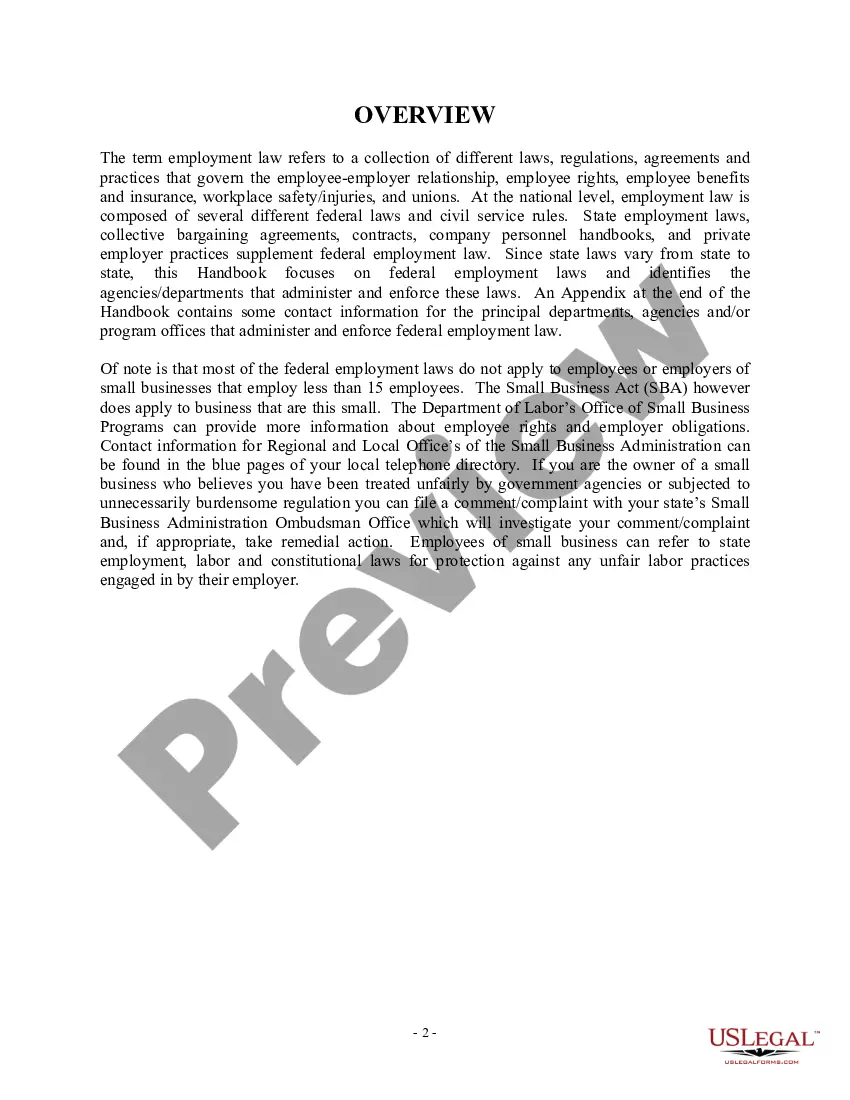
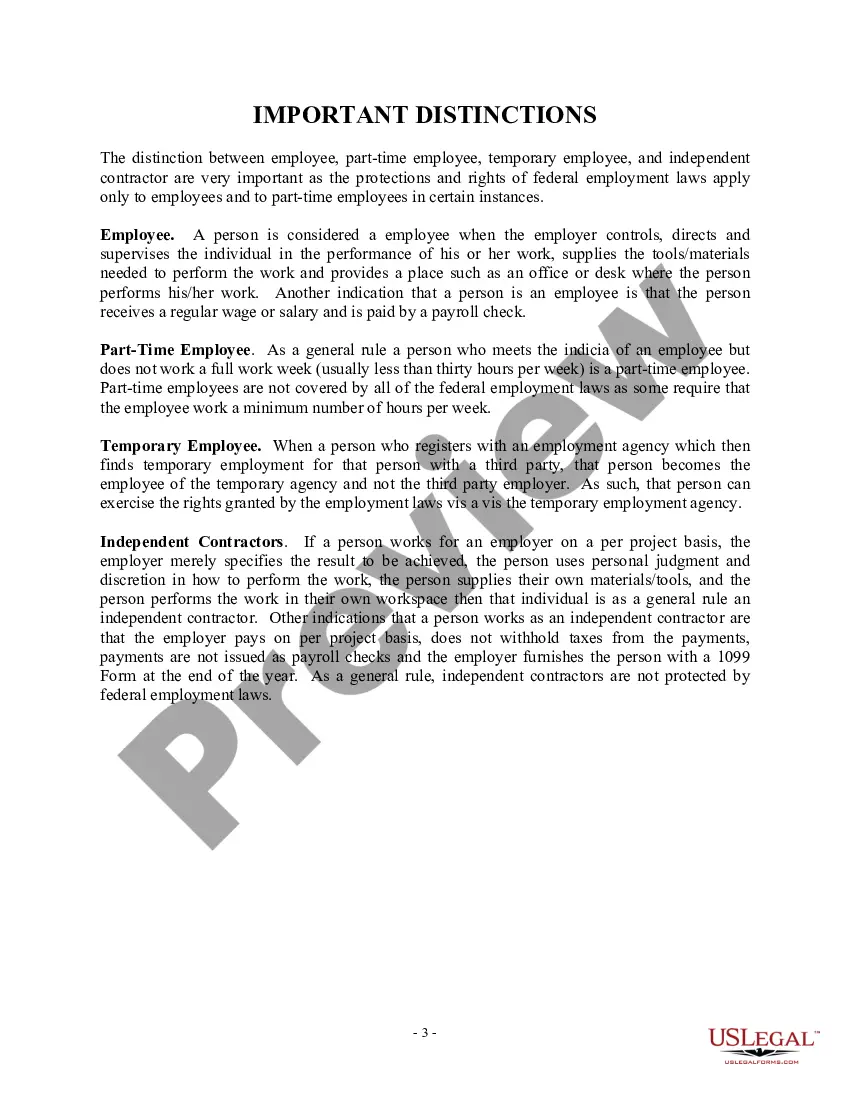
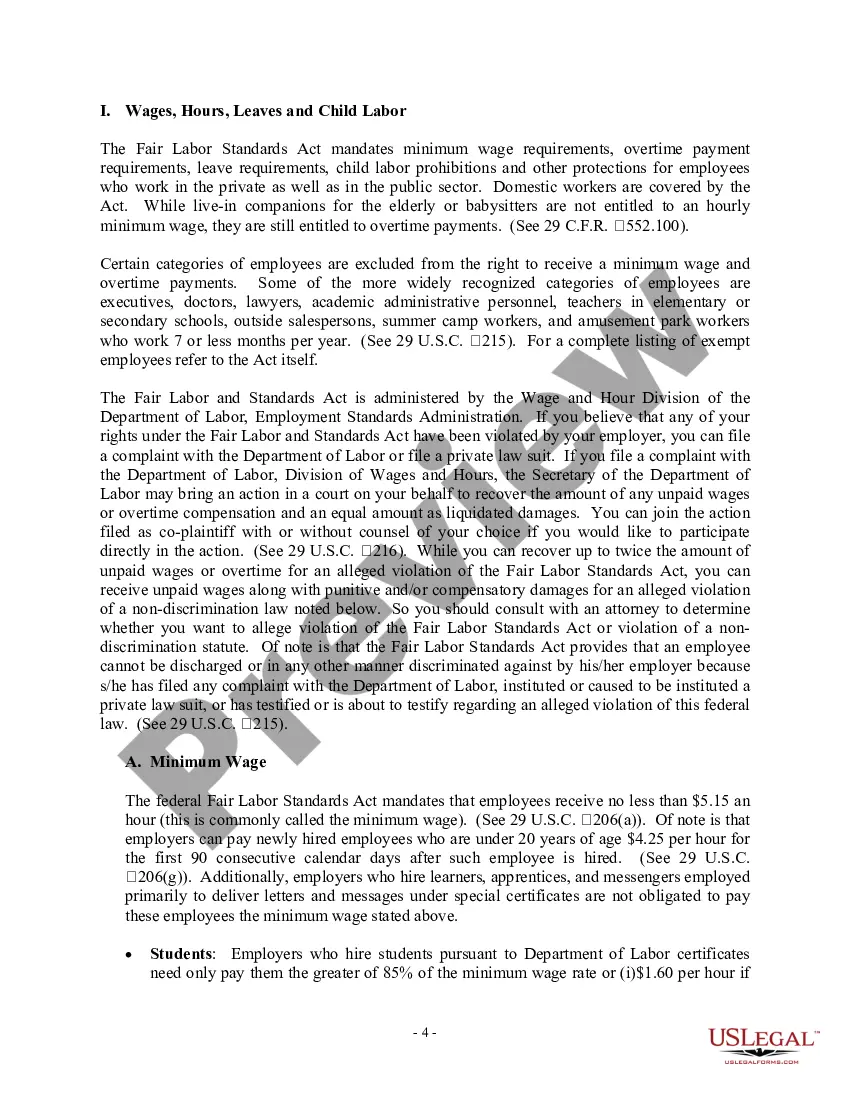
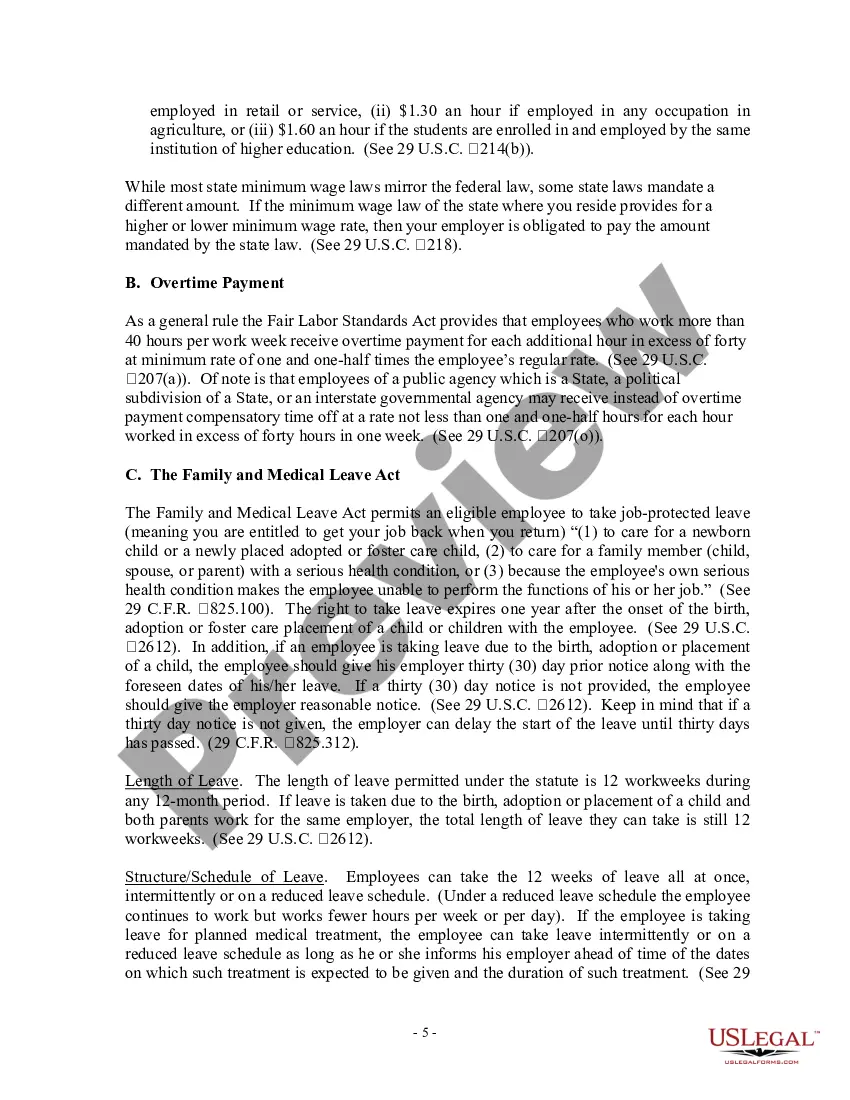
Know your rights Federal law requires that workers affected by pregnancy, childbirth or related medical conditions be treated the same as other persons not so affected but similar in their ability or inability to work.
Provide you with pregnancy disability leave (PDL) of up to four months (the working days you normally would work in one-third of a year or 17 1/3 weeks) and return you to your same job when you are no longer disabled by your pregnancy or, in certain instances, to a comparable job.
Generally, the Pregnant Workers Fairness Act (PWFA) requires a covered employer to provide a “reasonable accommodation” to a qualified employee's or applicant's known limitations related to, affected by, or arising out of pregnancy, childbirth, or related medical conditions, unless the accommodation will cause the ...
The ADA may also be applicable. In general, pregnancy is not considered a disability, but any condition arising from pregnancy is. While courts have generally held that the ADA is not a leave law and extended leave is not a reasonable accommodation, finite leave can be an accommodation under the law.
What to Expect When You're Expecting (and After the Birth of Your Child)...at Work. The Pregnancy Discrimination Act of 1978, which amended Title VII of the Civil Rights Act of 1964, 42 U.S.C. §§ 2000e et seq., prohibits discrimination on the basis of pregnancy, childbirth, or related medical conditions.
Generally, the Pregnant Workers Fairness Act (PWFA) requires a covered employer to provide a “reasonable accommodation” to a qualified employee's or applicant's known limitations related to, affected by, or arising out of pregnancy, childbirth, or related medical conditions, unless the accommodation will cause the ...
In December 2022, President Biden signed the Pregnant Workers Fairness Act (PWFA) into law. This federal law provides workers with the right to reasonable workplace accommodations to address temporary limitations due to pregnancy, childbirth, or related medical conditions. The PWFA went into effect on June 27, 2023.
You need to go over his or her head to the HR department. Write an email to corporate HR requesting a reasonable accommodation under the Americans with Disabilities Act for the duration of your pregnancy. This is practically guaranteed to solve your problem very quickly.