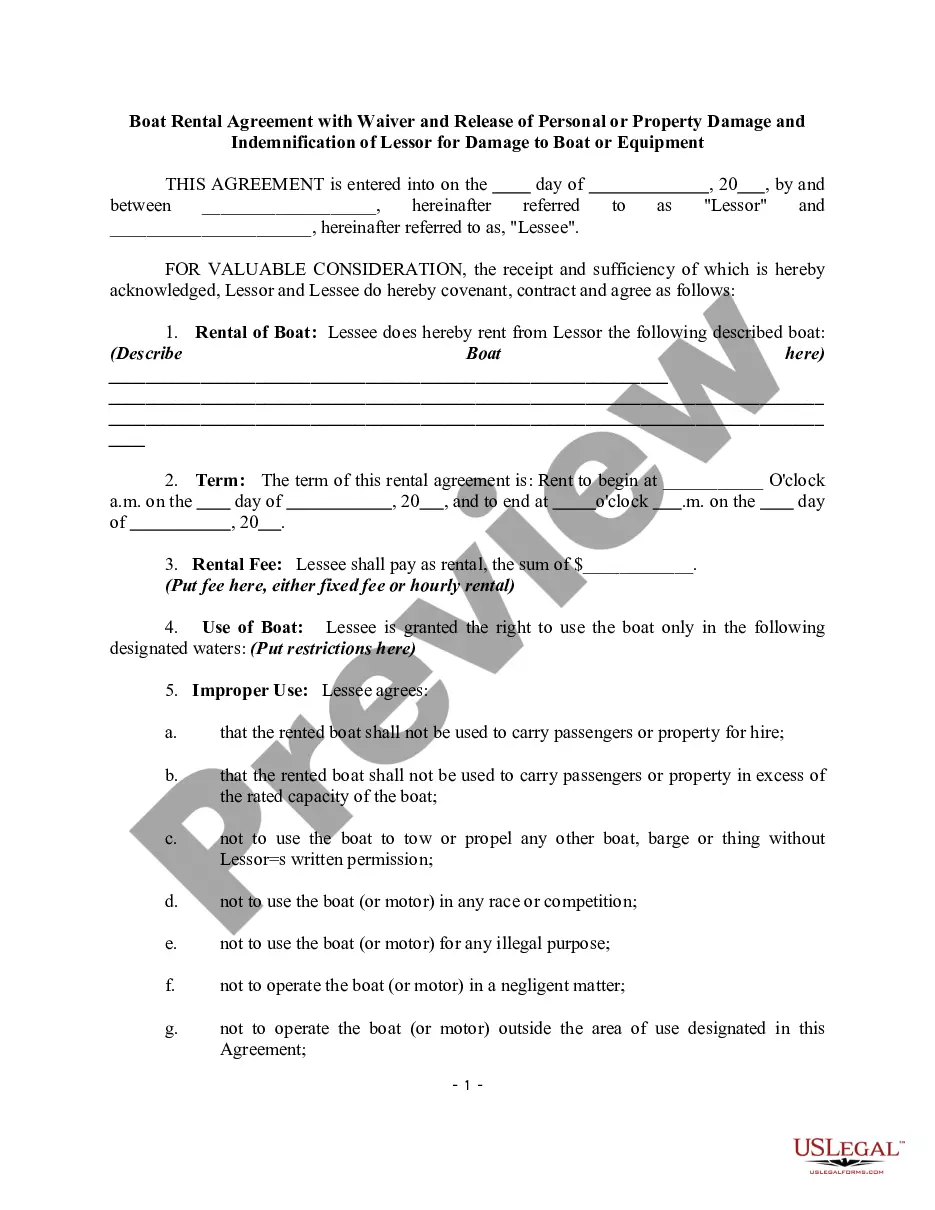
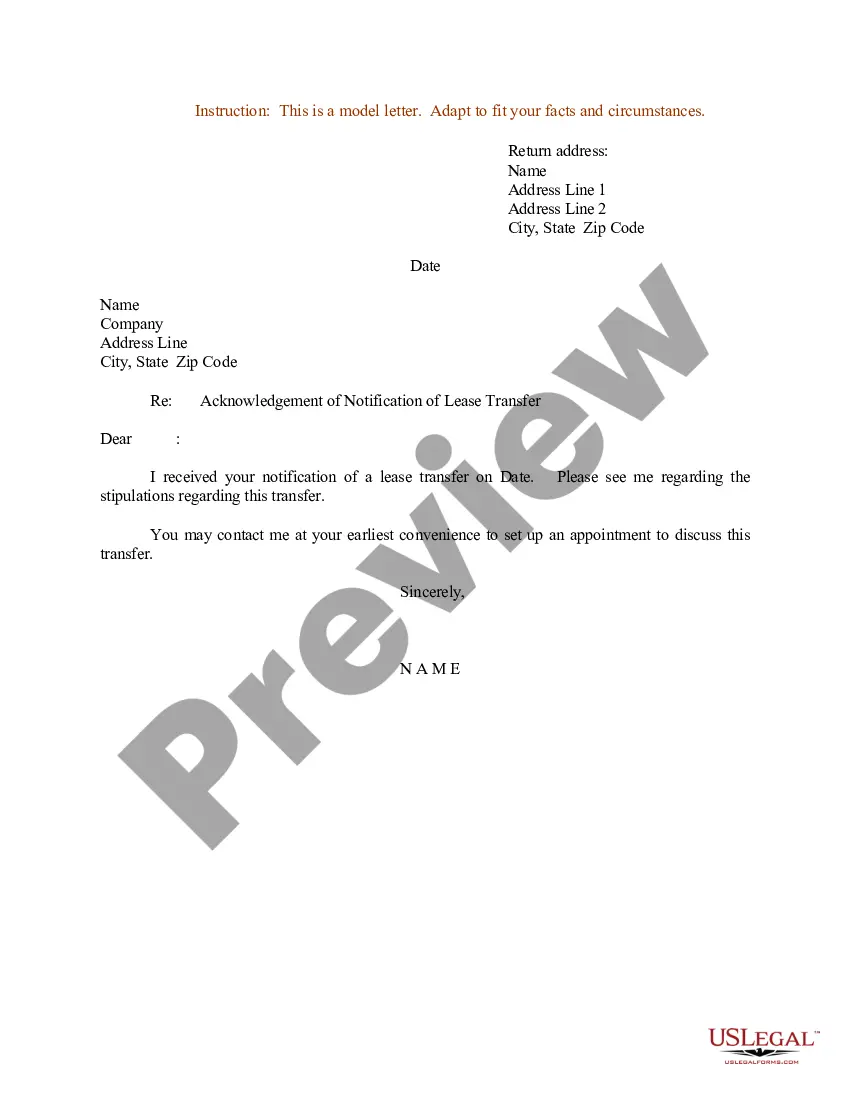
Letter Notification Transfer Without Cheque In Salt Lake
Description



Get your form ready online
Our built-in tools help you complete, sign, share, and store your documents in one place.
Make edits, fill in missing information, and update formatting in US Legal Forms—just like you would in MS Word.
Download a copy, print it, send it by email, or mail it via USPS—whatever works best for your next step.
Sign and collect signatures with our SignNow integration. Send to multiple recipients, set reminders, and more. Go Premium to unlock E-Sign.
If this form requires notarization, complete it online through a secure video call—no need to meet a notary in person or wait for an appointment.
We protect your documents and personal data by following strict security and privacy standards.

Make edits, fill in missing information, and update formatting in US Legal Forms—just like you would in MS Word.

Download a copy, print it, send it by email, or mail it via USPS—whatever works best for your next step.

Sign and collect signatures with our SignNow integration. Send to multiple recipients, set reminders, and more. Go Premium to unlock E-Sign.

If this form requires notarization, complete it online through a secure video call—no need to meet a notary in person or wait for an appointment.

We protect your documents and personal data by following strict security and privacy standards.
Looking for another form?









Form popularity
FAQ
In addition to filing with the state, the UCC is filed with the County office that holds the county real estate records for the property. Filings for ownership entities are made in the state where the entity is registered. Filings for individuals are made in the state in which the individual resides.
First and foremost, there are a number of asset types that typically do not pass through probate. This includes life insurance policies, bank accounts, and investment or retirement accounts that require you to name a beneficiary.
Informal probate is the process for asking the court to appoint a personal representative for a decedent's estate without a hearing. This process is usually used when all interested parties agree about who should be appointed personal representative and how the estate should be distributed.
Formal probate is more time-consuming and expensive than an informal probate, and it's sometimes required to complete the distribution of the estate and assets and close out debts. Under some circumstances, the judge may require the court-appointed representative to post a bond.
Formal Probate: High level of court supervision, with multiple hearings and judicial oversight. Informal Probate: Minimal court involvement, with fewer hearings and more autonomy for the personal representative.
Closing the Probate Case. Concluding the probate requires the Personal Representative to provide a detailed account of the estate's management. This can be waived with mutual agreement from all involved parties. See Utah Code § 75-3-1003.