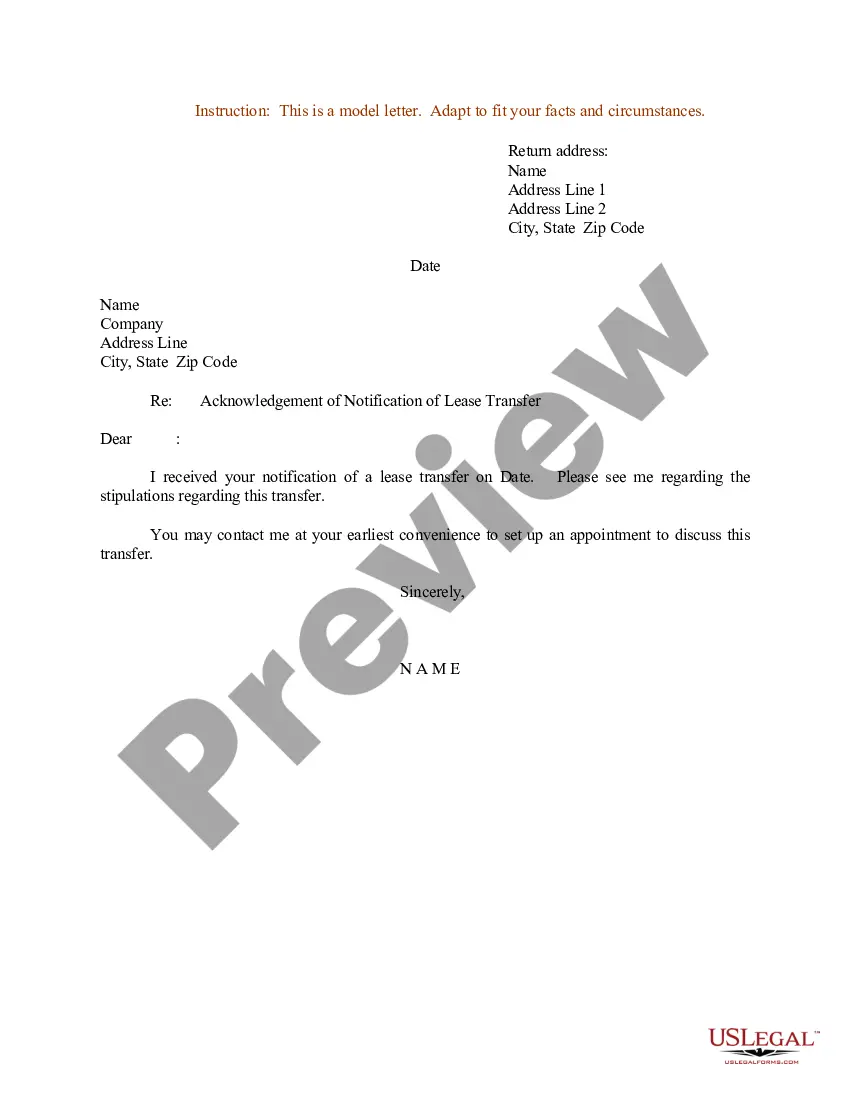
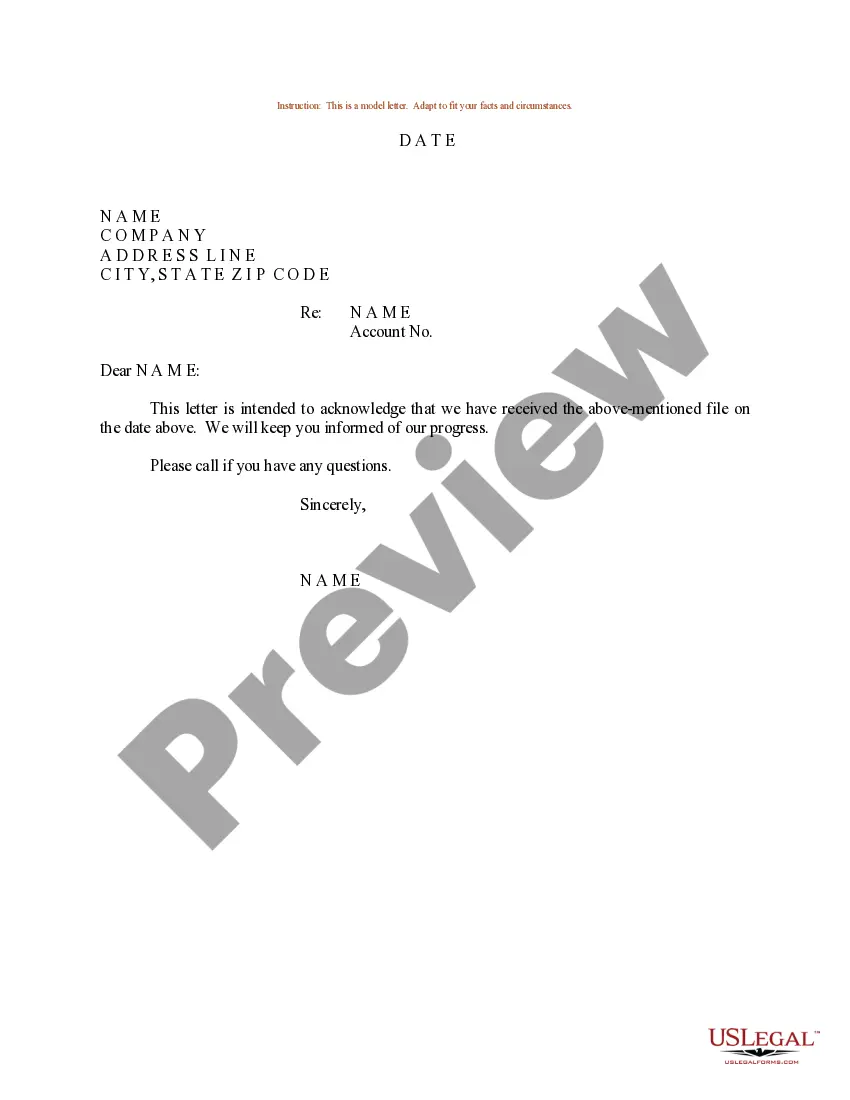
Letter Notification Transfer With Immediate Effect In Mecklenburg
Description


Get your form ready online
Our built-in tools help you complete, sign, share, and store your documents in one place.
Make edits, fill in missing information, and update formatting in US Legal Forms—just like you would in MS Word.
Download a copy, print it, send it by email, or mail it via USPS—whatever works best for your next step.
Sign and collect signatures with our SignNow integration. Send to multiple recipients, set reminders, and more. Go Premium to unlock E-Sign.
If this form requires notarization, complete it online through a secure video call—no need to meet a notary in person or wait for an appointment.
We protect your documents and personal data by following strict security and privacy standards.

Make edits, fill in missing information, and update formatting in US Legal Forms—just like you would in MS Word.

Download a copy, print it, send it by email, or mail it via USPS—whatever works best for your next step.

Sign and collect signatures with our SignNow integration. Send to multiple recipients, set reminders, and more. Go Premium to unlock E-Sign.

If this form requires notarization, complete it online through a secure video call—no need to meet a notary in person or wait for an appointment.

We protect your documents and personal data by following strict security and privacy standards.
Looking for another form?










Form popularity
FAQ
How to write a transfer letter in 5 steps Address the right person. Begin by addressing the appropriate individual, typically your immediate supervisor or HR manager. State your intent clearly. Find the right job for you. Provide a justifiable reason. Highlight your contributions. Close professionally.
Your letter should begin with a formal salutation, your purpose for writing, and evidence supporting why your request should be considered. Politely request the supervisor's assistance in gaining a position at your preferred location. Use an appropriate closing to end your letter. Say thank you.
Dear Manager's Name, I am writing to formally request a transfer from my current role as your job title in current department to new department/position in location, if applicable. The reason for this request is my pursuit of educational opportunities that align with my professional development.
You can use these examples as inspiration when writing your transfer letter: Due to family reasons. Due to personal reasons. Due to medical reasons. Due to relocation of spouse. Due to spouse's illness. Due to better career opportunity. Due to marriage. Due to family relocation.
Respected ____(Sir/Madam), I,____ (name), am working for your company, ____(name of the organization), as a ____ (designation). With this letter, I wish to convey my request to you for a transfer at our ___(desired branch name) branch.
Dear Manager's Name, I am writing to formally request a transfer to Location/Department Name for briefly state your reason, such as career development, personal circumstances, etc.. This transfer will allow me to highlight how this will benefit your career, the company, or both.
How to write a request letter for a transfer Indicate contact details. At the top of the document, write your contact details. Begin with a formal salutation. Write the body of the letter. End the letter with a conclusion. Proofread your request letter. Add your resume.
Dear Manager's Name, I am writing to formally request a transfer to Location/Department Name for briefly state your reason, such as career development, personal circumstances, etc.. This transfer will allow me to highlight how this will benefit your career, the company, or both.
Steps For Writing A Transfer Request Letter Start with a formal salutation. Mention the purpose of the letter. State why you are requesting a transfer. Mention your work history with the company. Write a conclusion. Include your CV .
Here is how to write a request letter in 7 steps: Collect information relating to your request. Create an outline. Introduce yourself. Make your request. Explain the reason for the request. Offer to provide additional information. Show your gratitude and conclude the letter.