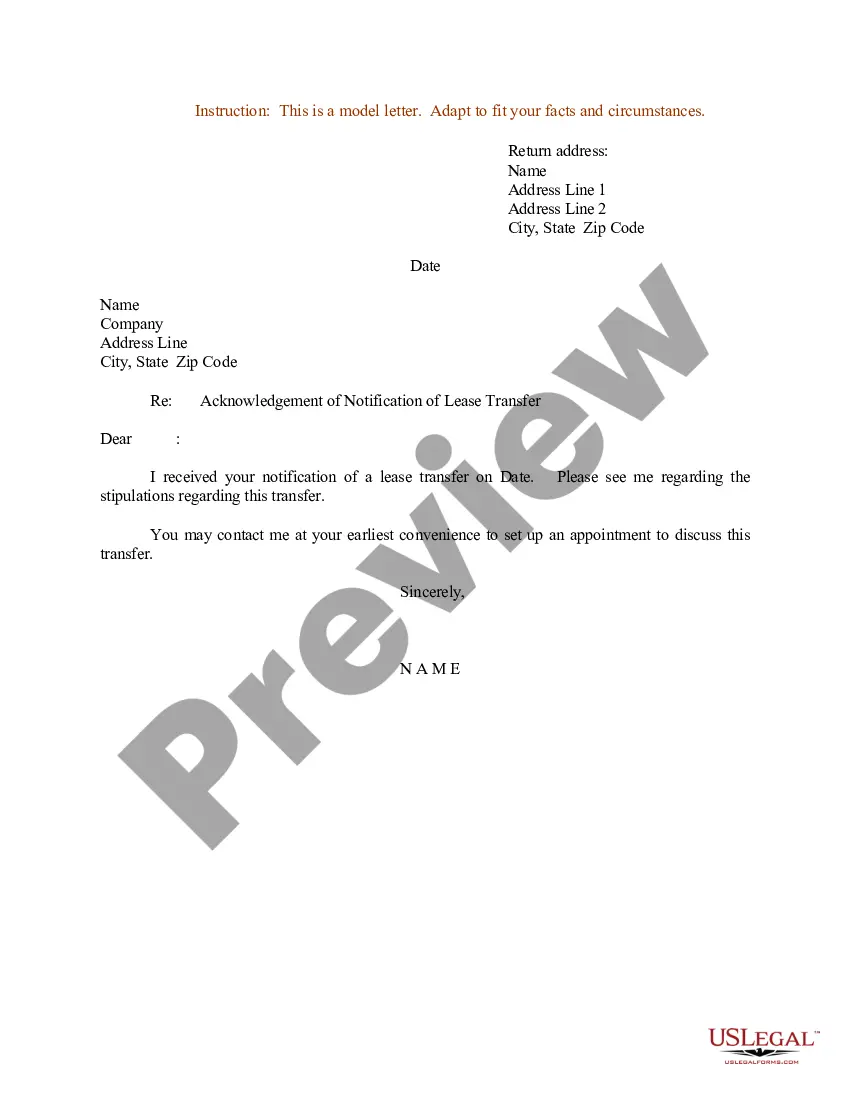
Notice Letter For Transfer In Chicago
Description


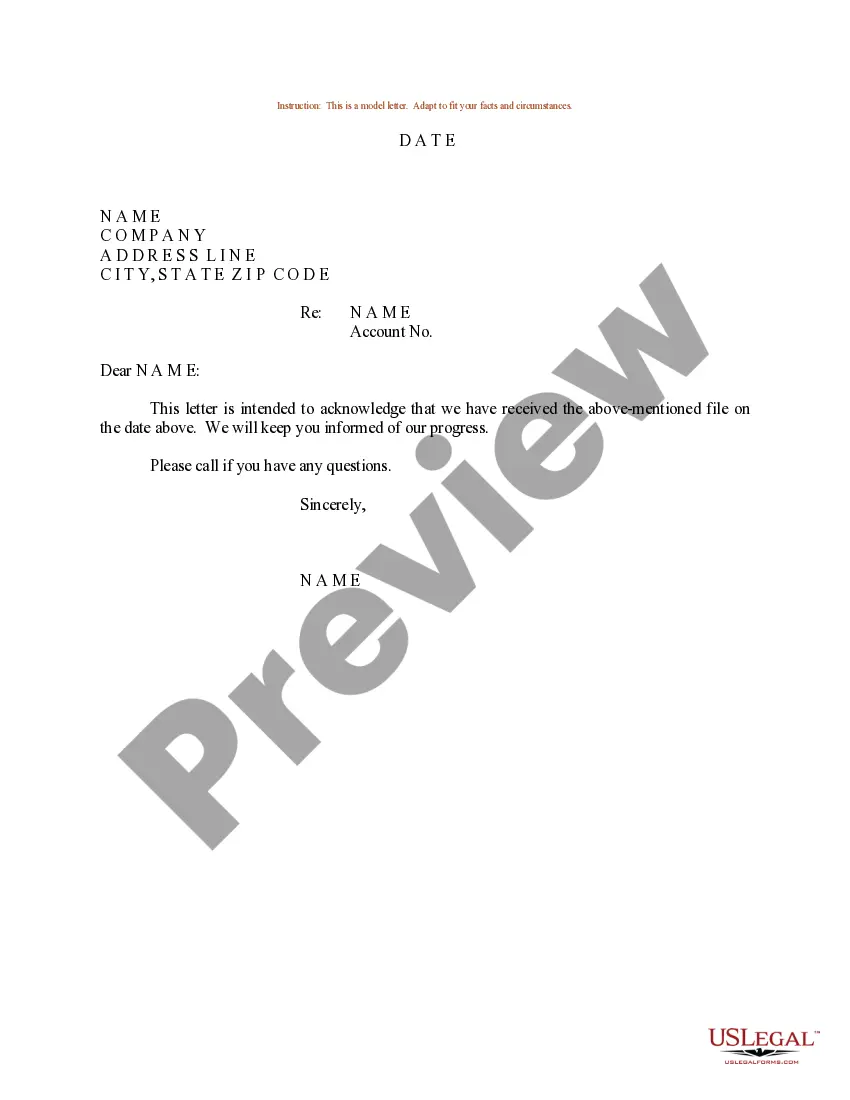
Get your form ready online
Our built-in tools help you complete, sign, share, and store your documents in one place.
Make edits, fill in missing information, and update formatting in US Legal Forms—just like you would in MS Word.
Download a copy, print it, send it by email, or mail it via USPS—whatever works best for your next step.
Sign and collect signatures with our SignNow integration. Send to multiple recipients, set reminders, and more. Go Premium to unlock E-Sign.
If this form requires notarization, complete it online through a secure video call—no need to meet a notary in person or wait for an appointment.
We protect your documents and personal data by following strict security and privacy standards.

Make edits, fill in missing information, and update formatting in US Legal Forms—just like you would in MS Word.

Download a copy, print it, send it by email, or mail it via USPS—whatever works best for your next step.

Sign and collect signatures with our SignNow integration. Send to multiple recipients, set reminders, and more. Go Premium to unlock E-Sign.

If this form requires notarization, complete it online through a secure video call—no need to meet a notary in person or wait for an appointment.

We protect your documents and personal data by following strict security and privacy standards.
Looking for another form?









Form popularity
FAQ
You must file Form PTAX-203, Illinois Real Estate Transfer Declaration, and any required documents at the county recorder's office within the county where the property is located. It is due within three business days after the transfer or at the time of recordation, whichever is earlier.
From ensuring that you are using the correct tenancy, listing the correct grantor(s) and grantee(s), fulfilling all state, county and municipal requirements, and are filing in the most efficient way possible, it is highly advisable to have a lawyer assist with your quitclaim deed preparation and recording.
You must file either (1) Form PTAX-203 and any required documents with the deed or trust document or (2) an exemption notation on the original deed or trust document at the County Recorder's office within the county where the property is located.
You must file either (1) Form PTAX-203 and any required documents with the deed or trust document or (2) an exemption notation on the original deed or trust document at the County Recorder's office within the county where the property is located.
Purpose of the Bulk Sales Tax In 2007, The Bulk Sales Tax was codified and greatly expanded the law to apply to “all transactions in which seller of business assets makes a bulk sale, other than in the ordinary course of business.” The sale of real estate used to support a business is now included.
A bulk sales notification must be filed by either the seller/transferor or the buyer/transferee no less than 45 days prior to the sale or transfer of a) the business or activity that requires the person to file a return or remit a tax or be licensed by the city; or b) a major part of the assets of the business or ...
At least twelve days before the closing date, buyers must file the Bulk Sales Notice with the associated County Recorder in which the assets are located and, if different, the Recorder with the county in which the Seller lives.
What is a bulk sale? The sale, transfer, or assignment of business assets, in whole or in part, by a person required to collect sales tax is called a bulk sale. Business assets means any assets directly related to the conduct of a business, including: tangible personal property, real property, and.
While most states have repealed their bulk sales statutes, in some states across the U.S., such as California, Delaware, Illinois, New Jersey and Pennsylvania, the practice of bulk sales compliance remains alive and well.
In the Windy City, the Chicago transfer tax is the responsibility of both the buyer and seller. However, this financial burden can fall solely on the seller in some Illinois communities. It can vary depending on your local market.