Residential Property Leases With Utilities Included In Virginia
Description

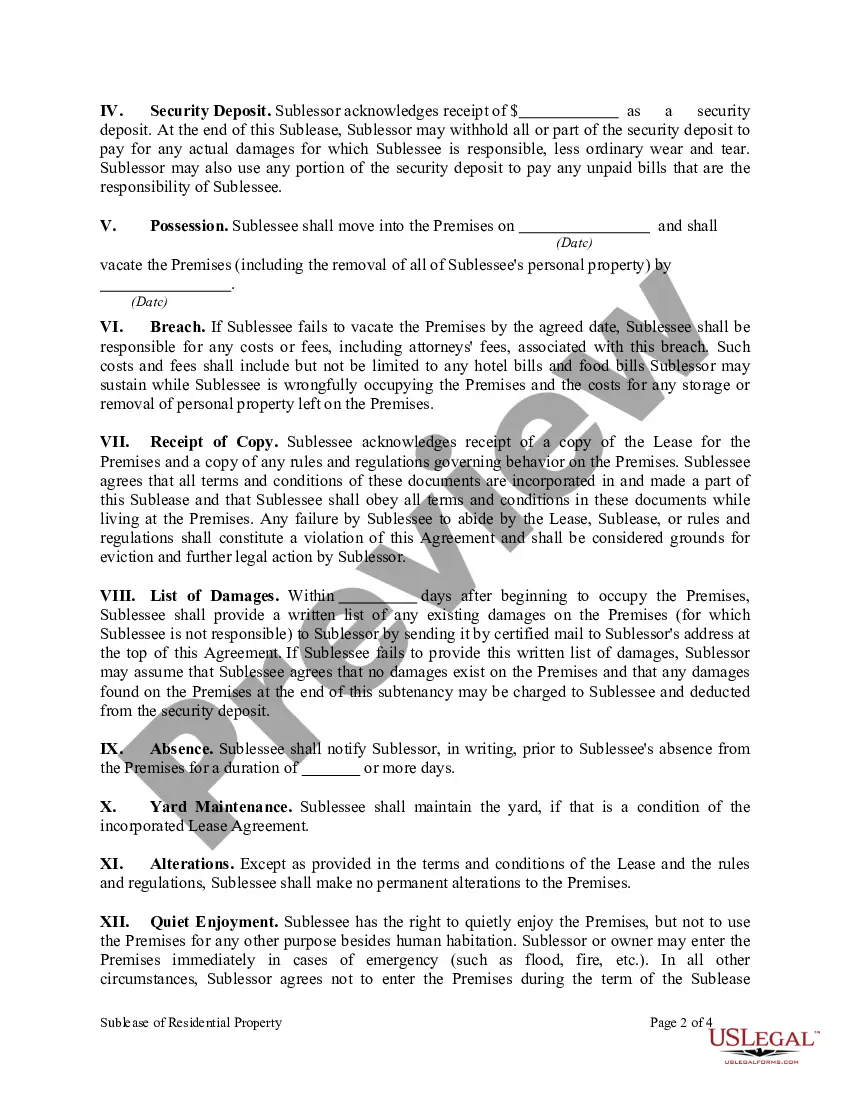
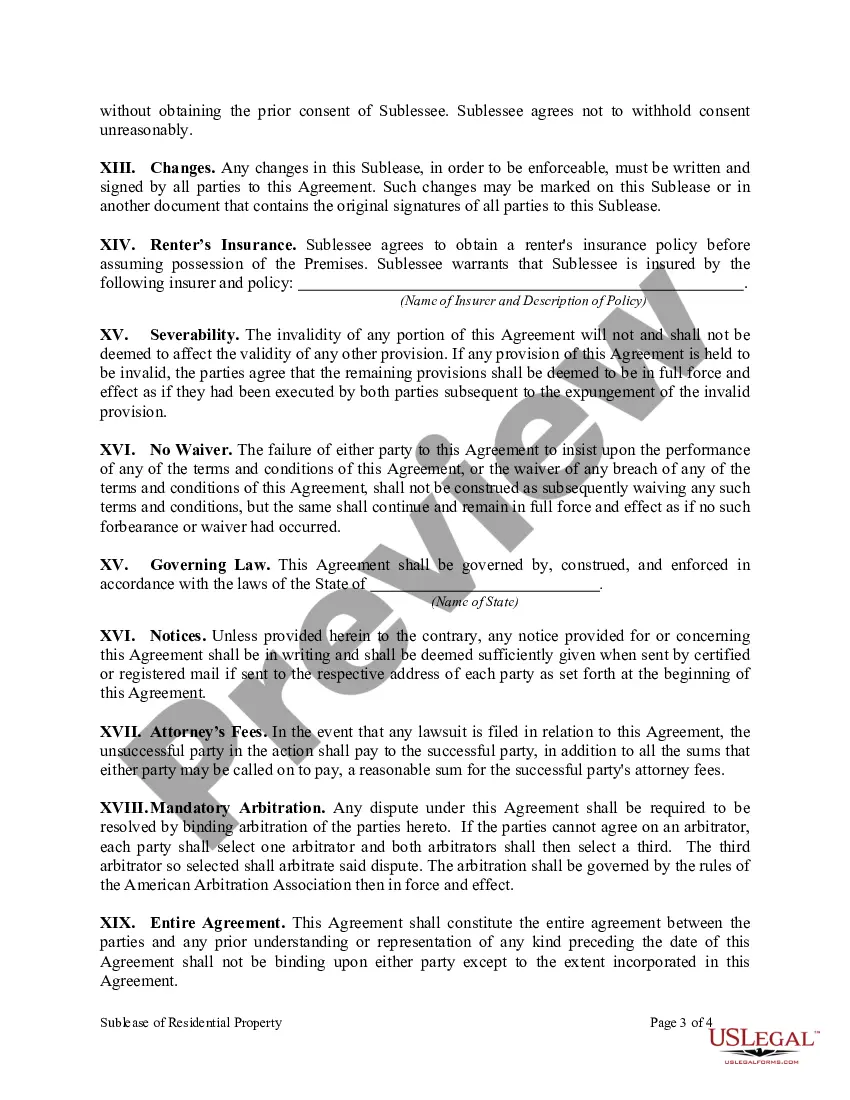

Get your form ready online
Our built-in tools help you complete, sign, share, and store your documents in one place.
Make edits, fill in missing information, and update formatting in US Legal Forms—just like you would in MS Word.
Download a copy, print it, send it by email, or mail it via USPS—whatever works best for your next step.
Sign and collect signatures with our SignNow integration. Send to multiple recipients, set reminders, and more. Go Premium to unlock E-Sign.
If this form requires notarization, complete it online through a secure video call—no need to meet a notary in person or wait for an appointment.
We protect your documents and personal data by following strict security and privacy standards.

Make edits, fill in missing information, and update formatting in US Legal Forms—just like you would in MS Word.

Download a copy, print it, send it by email, or mail it via USPS—whatever works best for your next step.

Sign and collect signatures with our SignNow integration. Send to multiple recipients, set reminders, and more. Go Premium to unlock E-Sign.

If this form requires notarization, complete it online through a secure video call—no need to meet a notary in person or wait for an appointment.

We protect your documents and personal data by following strict security and privacy standards.
Looking for another form?







Form popularity
FAQ
No, they do not require notarization in Virginia, though the lease must be signed by one party and meet all requirements to be enforceable.
Gross Lease vs. A gross lease, or a full-service lease, is the most common type of lease. A gross lease has a predetermined rent that covers costs associated with owning the property, including things like tax, building insurance, and maintenance.
Although the law does not require a will to be notarized, it is a highly recommended practice followed by most lawyers. If the will includes a notarized “Self-Proving Affidavit,” the will is presumed to be properly executed and is accepted by the court without testimony from the witnesses.
Once it is signed by both the landlord and the tenant, the lease is a legally binding contract. If you have any questions about anything in this lease, you should talk to an attorney about the lease before you sign it.
"Effective date of rental agreement" means the date on which the rental agreement is signed by the landlord and the tenant obligating each party to the terms and conditions of the rental agreement.
Types of leasehold estates The first type is most common: Estate for years: An agreement that permits occupancy between two specified dates, at the end of which the property must be vacated. Estate from period to period: A monthly tenancy that has no specified end date.
Gross Lease vs. A gross lease, or a full-service lease, is the most common type of lease. A gross lease has a predetermined rent that covers costs associated with owning the property, including things like tax, building insurance, and maintenance.
In terms of payment, there are two types of leases: gross lease and net lease. A gross lease, or a full-service lease, is the most common type of lease. A gross lease has a predetermined rent that covers costs associated with owning the property, including things like tax, building insurance, and maintenance.
No, they do not require notarization in Virginia, though the lease must be signed by one party and meet all requirements to be enforceable.
Single-family houses and apartments in large residential buildings with five or more units were the most popular structure type for American renters in 2023.
