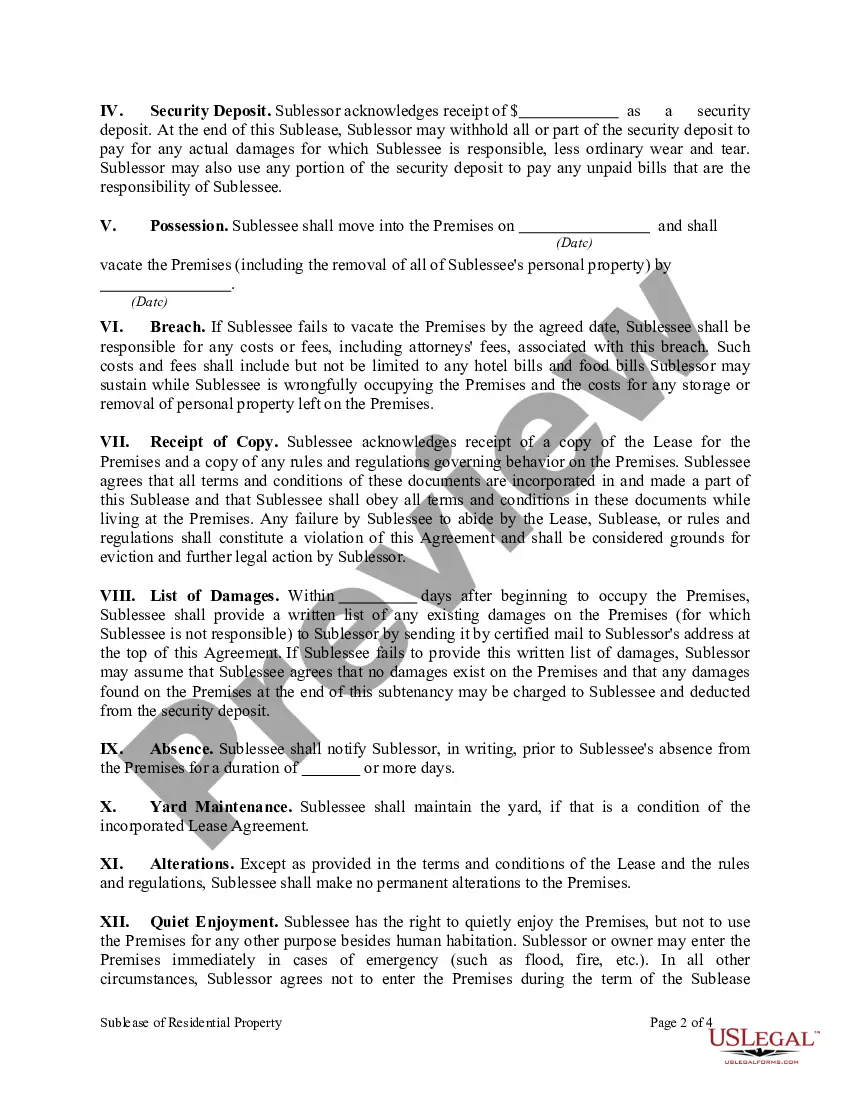
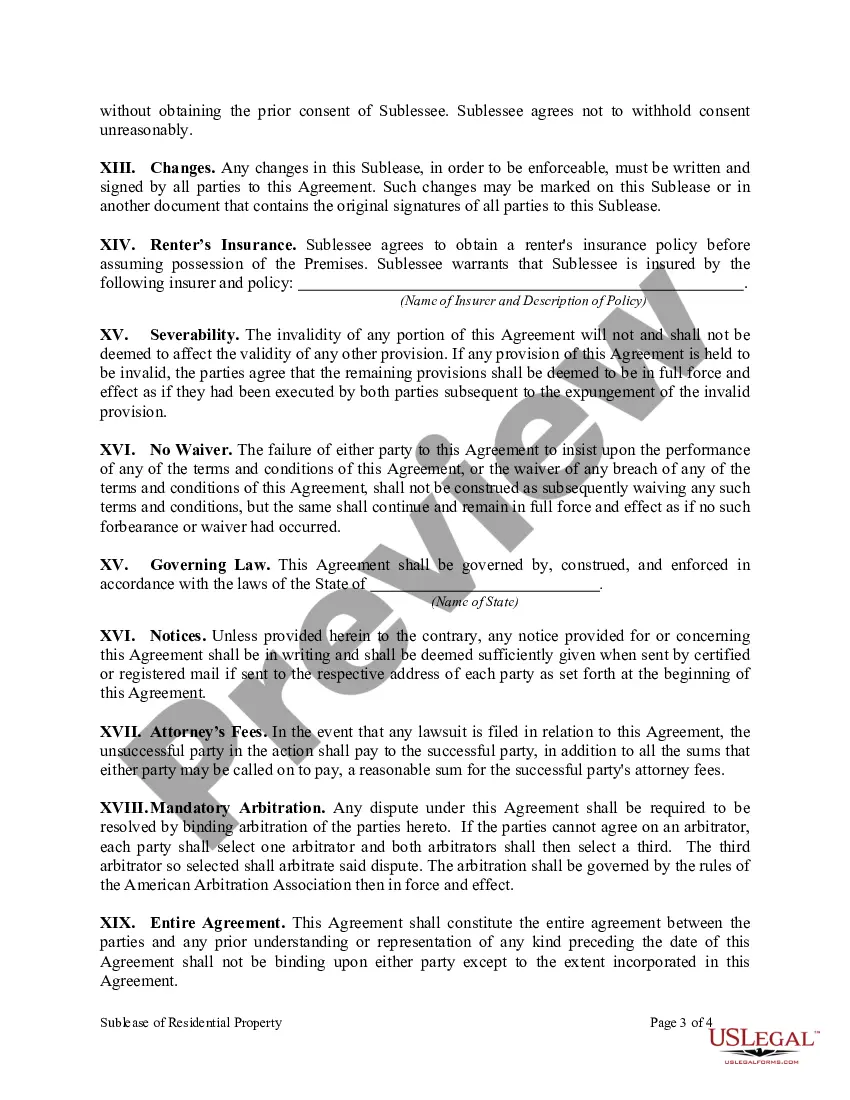
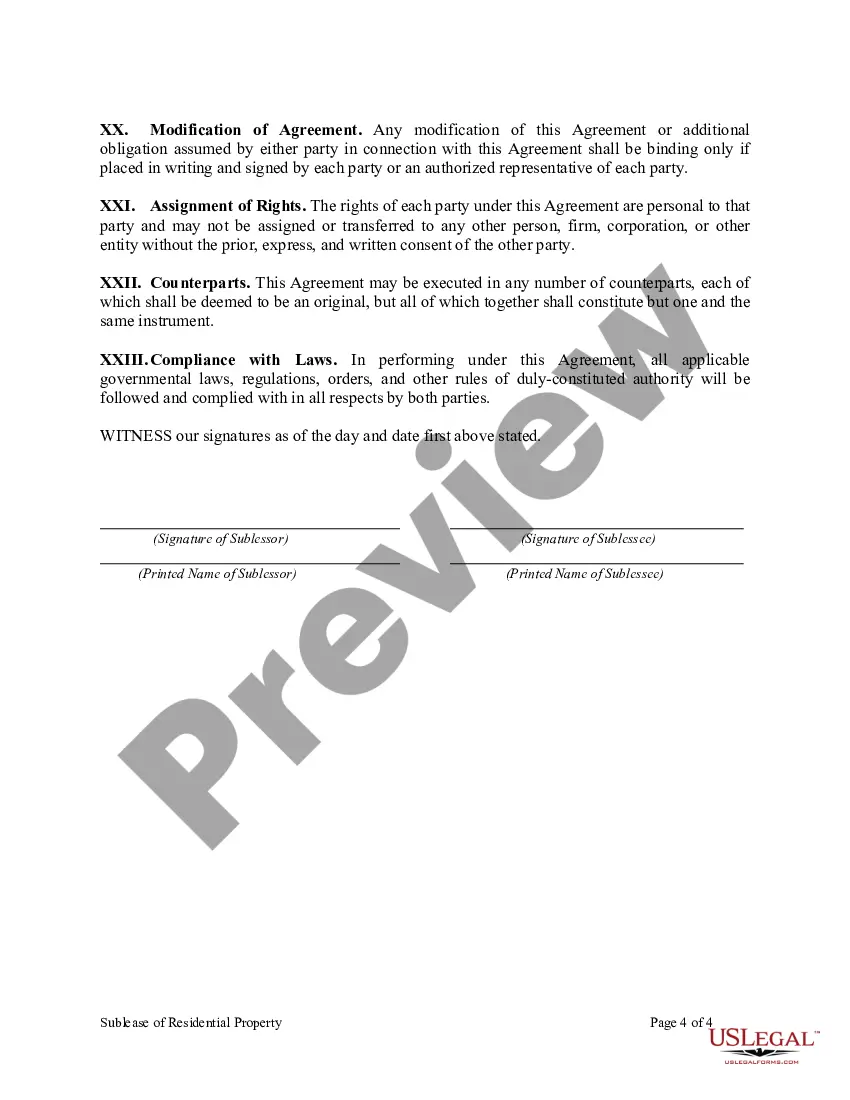
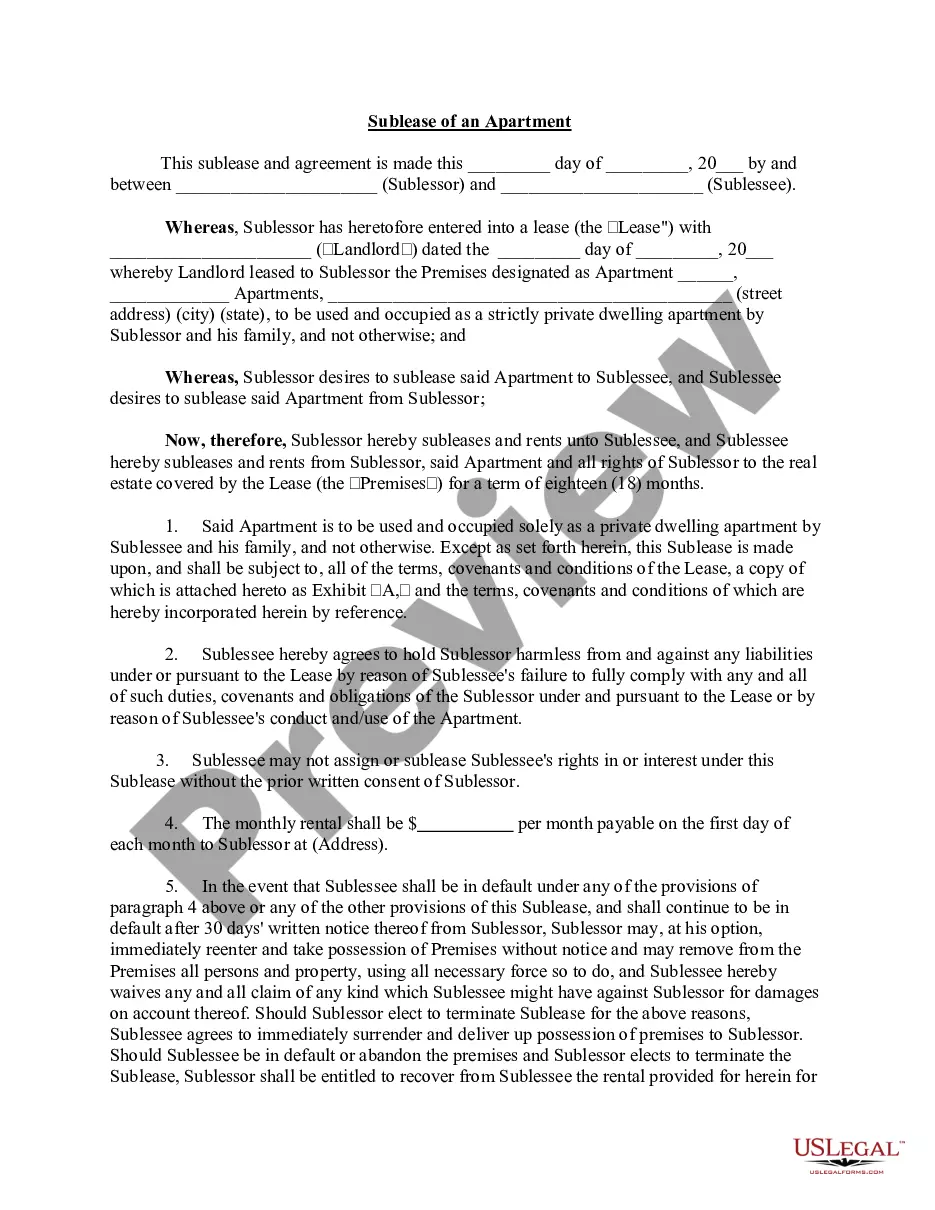
Sublease Property Agreement With Agricultural In Santa Clara
Description

Get your form ready online
Our built-in tools help you complete, sign, share, and store your documents in one place.
Make edits, fill in missing information, and update formatting in US Legal Forms—just like you would in MS Word.
Download a copy, print it, send it by email, or mail it via USPS—whatever works best for your next step.
Sign and collect signatures with our SignNow integration. Send to multiple recipients, set reminders, and more. Go Premium to unlock E-Sign.
If this form requires notarization, complete it online through a secure video call—no need to meet a notary in person or wait for an appointment.
We protect your documents and personal data by following strict security and privacy standards.

Make edits, fill in missing information, and update formatting in US Legal Forms—just like you would in MS Word.

Download a copy, print it, send it by email, or mail it via USPS—whatever works best for your next step.

Sign and collect signatures with our SignNow integration. Send to multiple recipients, set reminders, and more. Go Premium to unlock E-Sign.

If this form requires notarization, complete it online through a secure video call—no need to meet a notary in person or wait for an appointment.

We protect your documents and personal data by following strict security and privacy standards.
Looking for another form?







Form popularity
FAQ
Leasing Land Connect with the local farming community and get the word out about your search. The Cooperative Extension program from the National Institute of Food and Agriculture (NIFA). The USDA-RD/FSA Resale tool provides property listings owned by the government for public sale.
Description of Leased Property. This section describes the specific piece of land being leased. Term of Lease. The Lease term will begin on (Start Date) and will terminate on (End Date). Lease Payments. Use of Property. Conservation and Sustainable Practices. Maintenance and Repairs. Insurance. Termination.
Leasing farmland to a tenant can be a lucrative venture for landowners, offering a steady stream of income without the need for active involvement in farming operations. One of the key advantages of leasing farmland is the financial stability it provides.
For pastureland, the average rental per acre at $15 is up $1 from 2022. Source: USDA NASS. For irrigated cropland, rates ranged from $86.50 in Wyoming to $486 in California; for non-irrigated cropland, they ranged from $20 in Wyoming to $269 in Iowa; and for pastureland, $2.60 in Arizona to $60.50 in Iowa.
The United States farm real estate value, a measurement of the value of all land and buildings on farms, averaged $4,170 per acre for 2024, up $200 per acre (5.0 percent) from 2023. The United States cropland value averaged $5,570 per acre, an increase of $250 per acre (4.7 percent) from the previous year.
For pastureland, the average rental per acre at $15 is up $1 from 2022. Source: USDA NASS. For irrigated cropland, rates ranged from $86.50 in Wyoming to $486 in California; for non-irrigated cropland, they ranged from $20 in Wyoming to $269 in Iowa; and for pastureland, $2.60 in Arizona to $60.50 in Iowa.
The California Land Conservation Act, commonly known as the Williamson Act, is a state agricultural land preservation program in which each local jurisdiction can elect to participate. Santa Clara County as well as some local cities currently participate in this program.
The value of U.S. farmland averaged $4,080 per acre, an increase of 7.4 percent over 2022 values, or 3.9 percent when adjusted for inflation.
For pastureland, the average rental per acre at $15 is up $1 from 2022. Source: USDA NASS. For irrigated cropland, rates ranged from $86.50 in Wyoming to $486 in California; for non-irrigated cropland, they ranged from $20 in Wyoming to $269 in Iowa; and for pastureland, $2.60 in Arizona to $60.50 in Iowa.
