Residential Property Leases Within 30 Days In Orange
Description

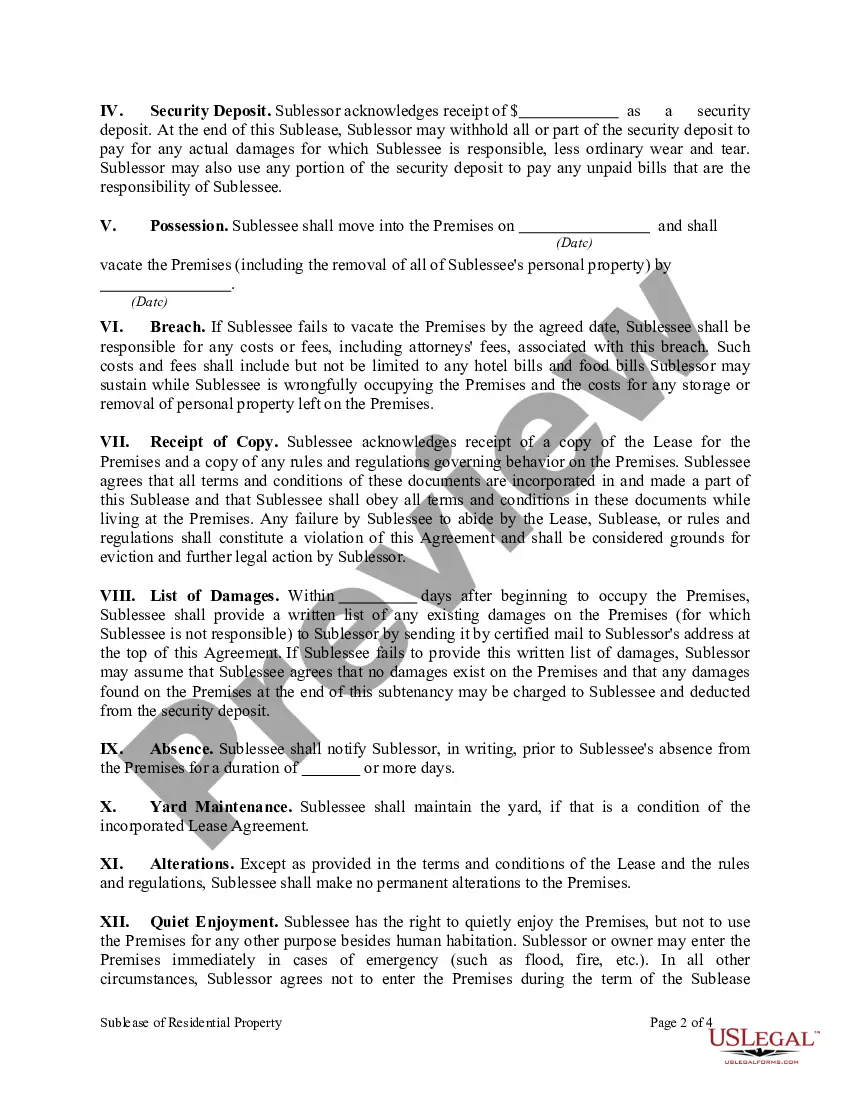
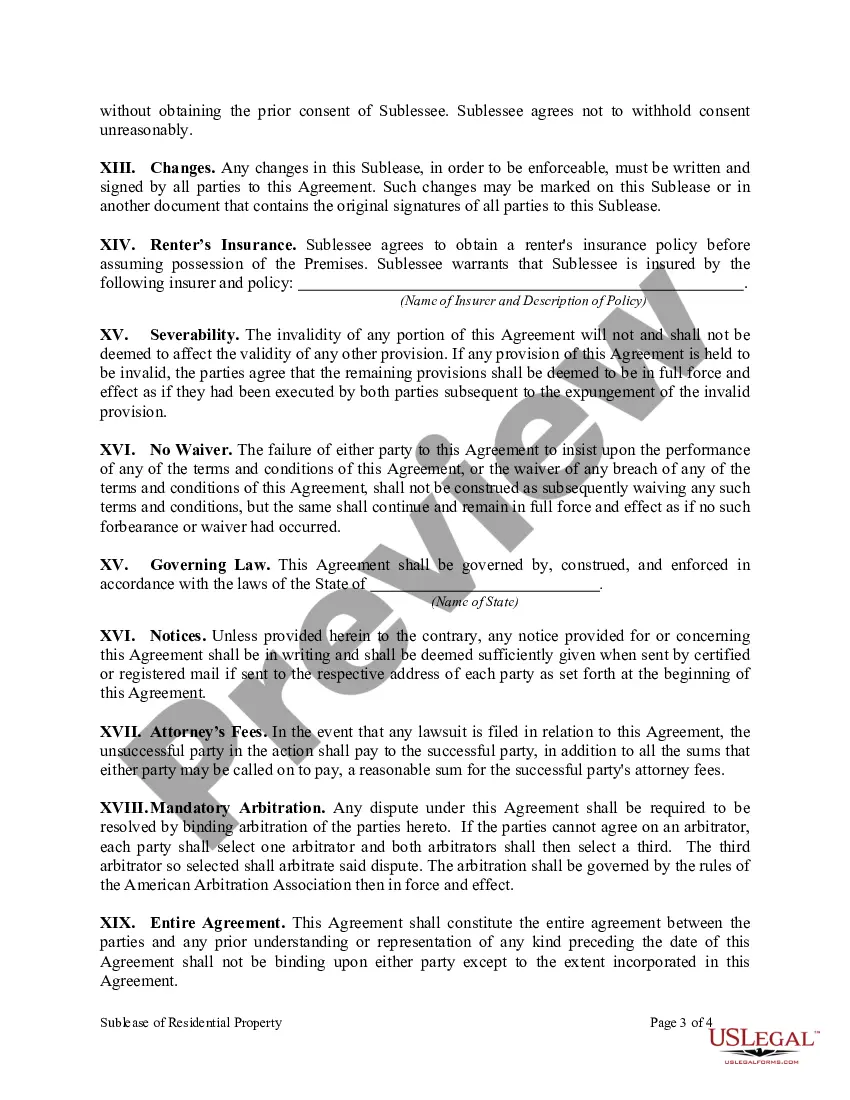
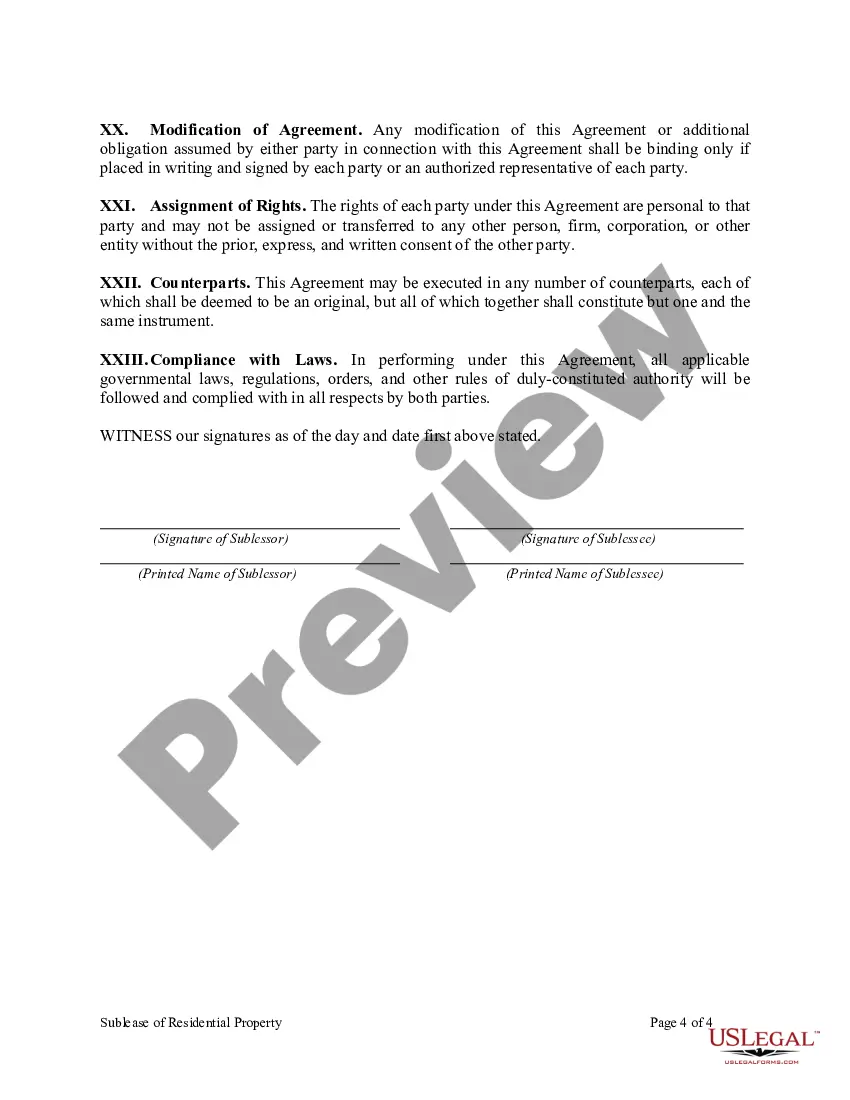

Get your form ready online
Our built-in tools help you complete, sign, share, and store your documents in one place.
Make edits, fill in missing information, and update formatting in US Legal Forms—just like you would in MS Word.
Download a copy, print it, send it by email, or mail it via USPS—whatever works best for your next step.
Sign and collect signatures with our SignNow integration. Send to multiple recipients, set reminders, and more. Go Premium to unlock E-Sign.
If this form requires notarization, complete it online through a secure video call—no need to meet a notary in person or wait for an appointment.
We protect your documents and personal data by following strict security and privacy standards.

Make edits, fill in missing information, and update formatting in US Legal Forms—just like you would in MS Word.

Download a copy, print it, send it by email, or mail it via USPS—whatever works best for your next step.

Sign and collect signatures with our SignNow integration. Send to multiple recipients, set reminders, and more. Go Premium to unlock E-Sign.

If this form requires notarization, complete it online through a secure video call—no need to meet a notary in person or wait for an appointment.

We protect your documents and personal data by following strict security and privacy standards.
Looking for another form?








Form popularity
FAQ
Starting August 2024, the maximum rent increase for both L.A. and Orange counties is 8.9%, a slight increase from last year's 8.8%. The cap will stay in place until August 2025.
Starting a Short-Term Rental Business in Orange County The city of Orange implemented a Short-Term Rental ordinance in June 2021 that allows a maximum of 125 permitted STRs. Hosts must obtain a short-term rental permit for $250 and a business license for $260.
No. A lease is a contract for a fixed period of time. A change of terms would require the approval of both parties (landlord and tenant). Some leases do contain a clause allowing the landlord to change the terms, but these are usually not true leases.
A modification of a lease, referred to as a lease amendment or lease modification, is a formal agreement that alters the initial terms and conditions of a lease. It provides a means for the involved parties to mutually agree on modifications without the need to create an entirely new lease agreement.
If the tenant continues on a month-to-month basis, the landlord can also make a change by giving a 30-day notice of change of terms of tenancy.
When Breaking a Lease is Justified in California. State law (Cal. Civ. Code § 1946.7) provides early termination rights for tenants who are victims of domestic or sexual violence, stalking, or elder abuse, provided that specified conditions are met (such as the tenant securing a temporary restraining order).
The permit application process for establishing a short-term rental in Santa Ana begins with the property owner or host submitting the necessary documentation to the city's regulatory body. This typically includes proof of ownership, a detailed site plan of the rental property, and proof of insurance.
Just call your local planning/zoning office and they can tell you. That is either at the city or county level depending on the state.
Although California does not have state-level permits or licenses for short-term rentals, most cities and counties require annual registration and permit renewals. Failure to secure the necessary licenses can result in significant fines.
California's Tenant Protection Act (AB 1482) regulates how much landlords can raise rent for their rental properties. This law puts a state-wide limit on rent so that annual increases don't exceed 5% plus the current rate of inflation, or 10% of the current rent—whichever is lower.
