Sublease Form Leases With Tenants In Ohio
Description

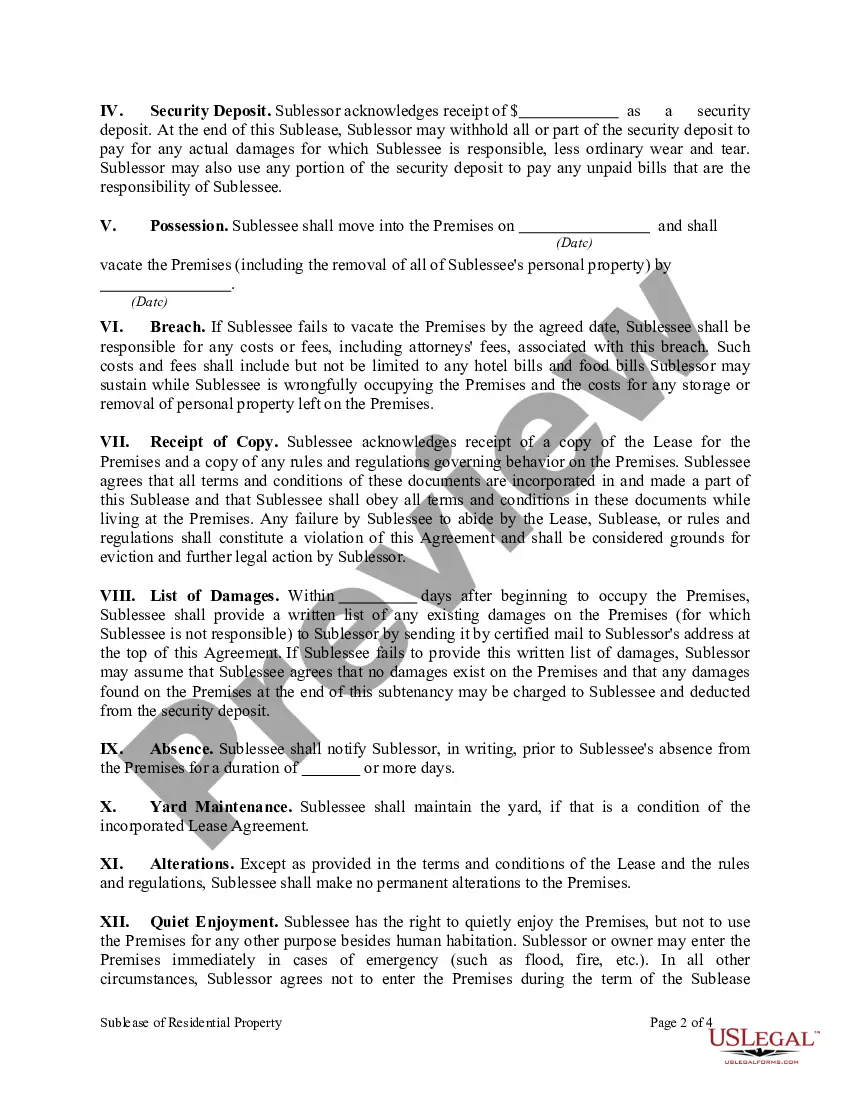
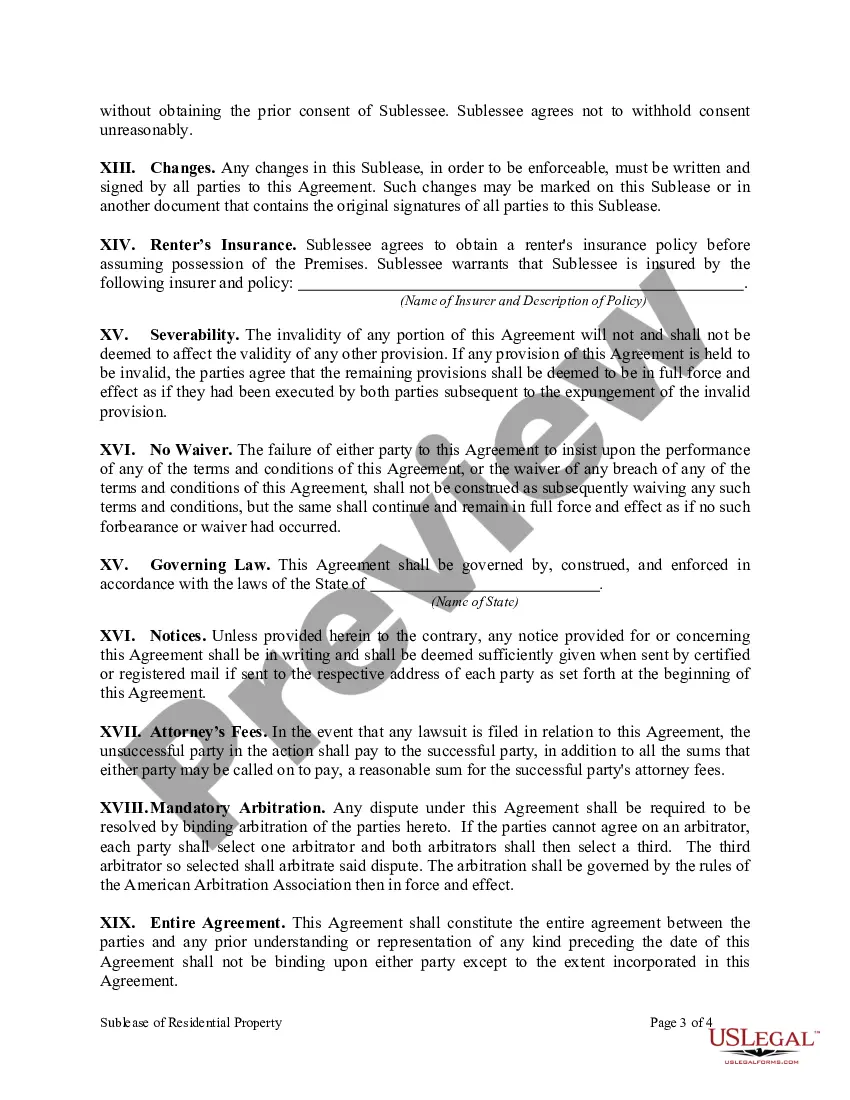
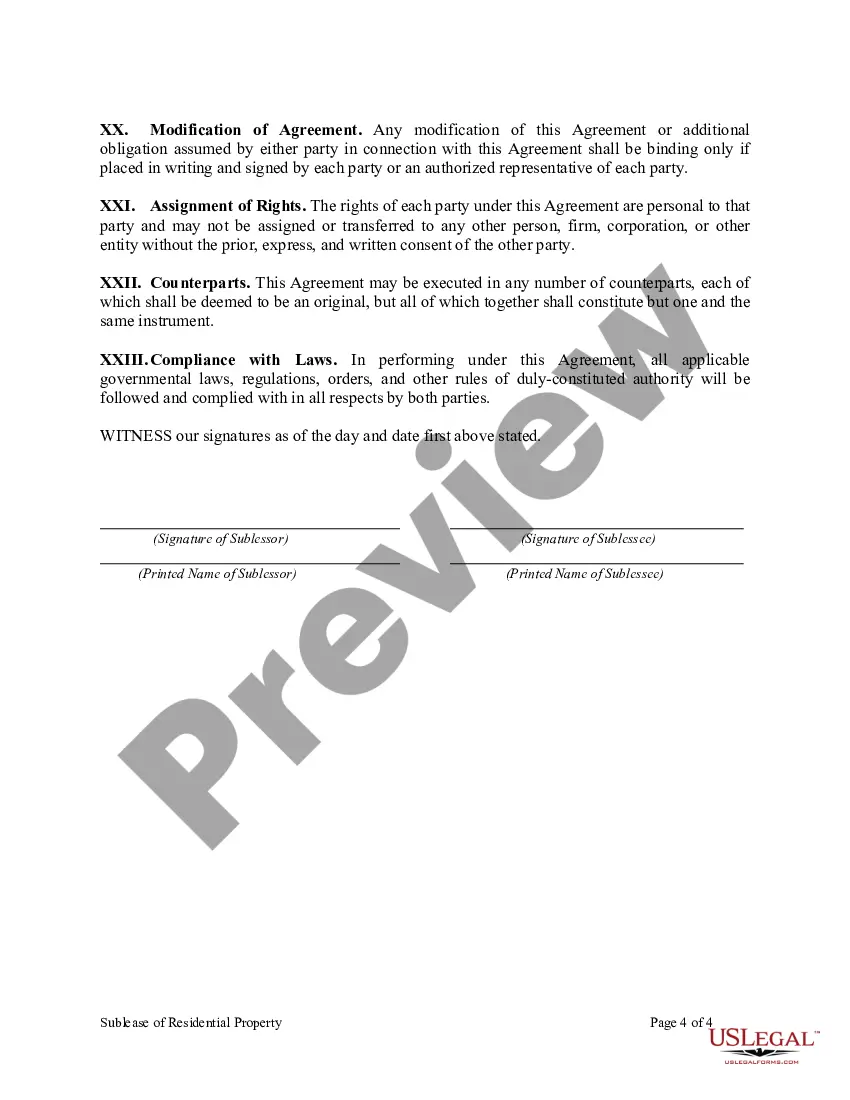

Get your form ready online
Our built-in tools help you complete, sign, share, and store your documents in one place.
Make edits, fill in missing information, and update formatting in US Legal Forms—just like you would in MS Word.
Download a copy, print it, send it by email, or mail it via USPS—whatever works best for your next step.
Sign and collect signatures with our SignNow integration. Send to multiple recipients, set reminders, and more. Go Premium to unlock E-Sign.
If this form requires notarization, complete it online through a secure video call—no need to meet a notary in person or wait for an appointment.
We protect your documents and personal data by following strict security and privacy standards.

Make edits, fill in missing information, and update formatting in US Legal Forms—just like you would in MS Word.

Download a copy, print it, send it by email, or mail it via USPS—whatever works best for your next step.

Sign and collect signatures with our SignNow integration. Send to multiple recipients, set reminders, and more. Go Premium to unlock E-Sign.

If this form requires notarization, complete it online through a secure video call—no need to meet a notary in person or wait for an appointment.

We protect your documents and personal data by following strict security and privacy standards.
Looking for another form?
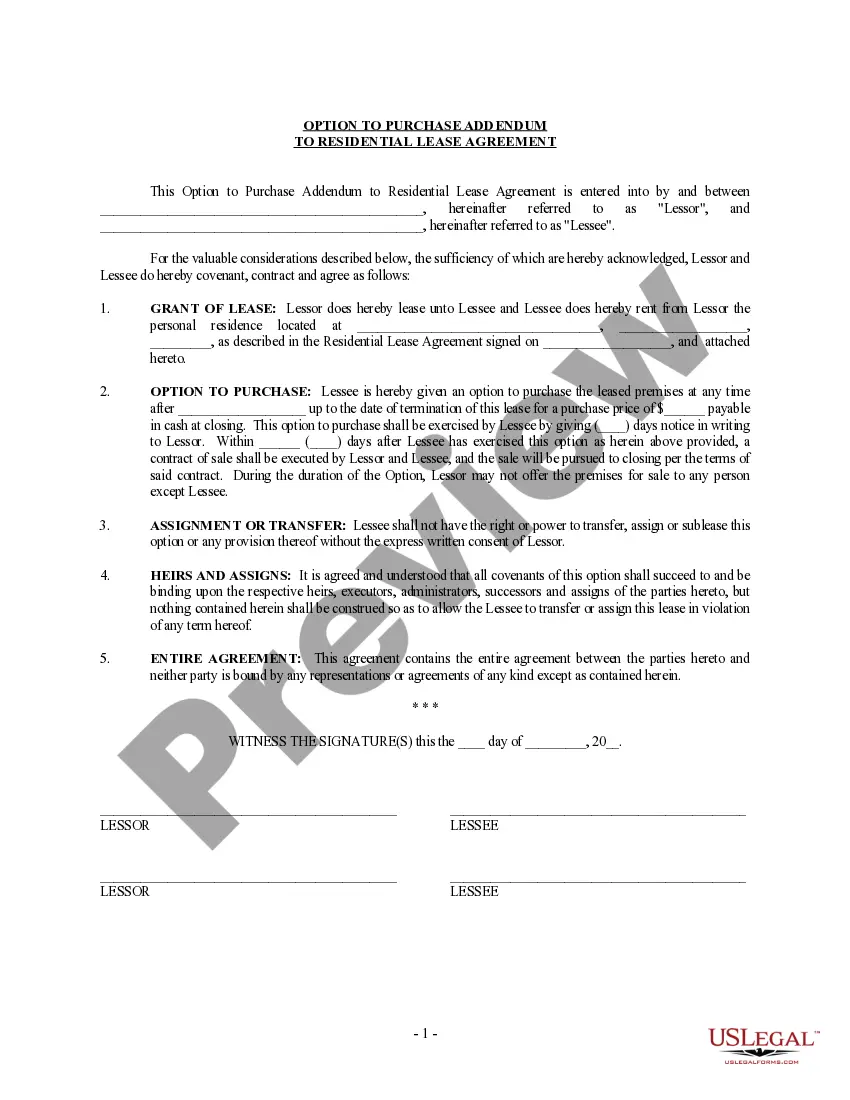







Form popularity
FAQ
Yes, you can evict a tenant in Ohio without a written lease agreement. However, you must follow Ohio's eviction laws, including providing proper notice and obtaining a court order. The process is governed by Ohio landlord-tenant laws, which protect tenant rights even without a formal lease.
Lessee shall not assign this Lease or sublet any portion of the Premises without prior written consent of the Lessor, which shall not be unreasonably withheld. Any such assignment or subletting without consent shall be void and, at the option of the Lessor, may terminate this Lease.
Ohio law requires tenants to have written consent from landlords to sublease a rental unit in Ohio. Landlords have the right to grant or deny permission to sublet, depending on the terms of the original lease agreement. This ensures both parties maintain their legal rights.
The terms sublet and sublease are often used synonymously, but they have very different meanings. The gist is that a sublet occurs when you find a new renter for the property who will sign a new lease with the landlord, while a sublease occupies the space without signing a lease directly with the landlord.
Ohio laws do not provide any specific guidance on how to sublet legally, so you should follow your lease terms and communicate with your landlord. The Bottom Line: Since Ohio laws are silent on the subject of subletting, you should abide by the terms of your lease.
Under California law, unless the lease specifically prohibits subletting, tenants may have the right to sublease their rental unit. In this case, you would not be able to unreasonably withhold consent.
Subletting Can Impact Property Values Parking becomes difficult, there are higher utility costs, and the neighborhood won't be as appealing to prospective buyers.
San Francisco, Oakland and Berkeley passed laws to protect renters in roommate/subletting situations. If you live in one of these cities, your landlord can neither deny you the right to nor evict you for replacing a roommate or subletting a room without their consent.
The Prime Landlord hereby consents to the Sublease by the Sublandlord to the Subtenant of all of the Sublessor's right, title and interest in and to the Subleased Premises, but only upon the terms, conditions and covenants set forth in this Agreement. 3. Representations of Sublandlord and Subtenant.
