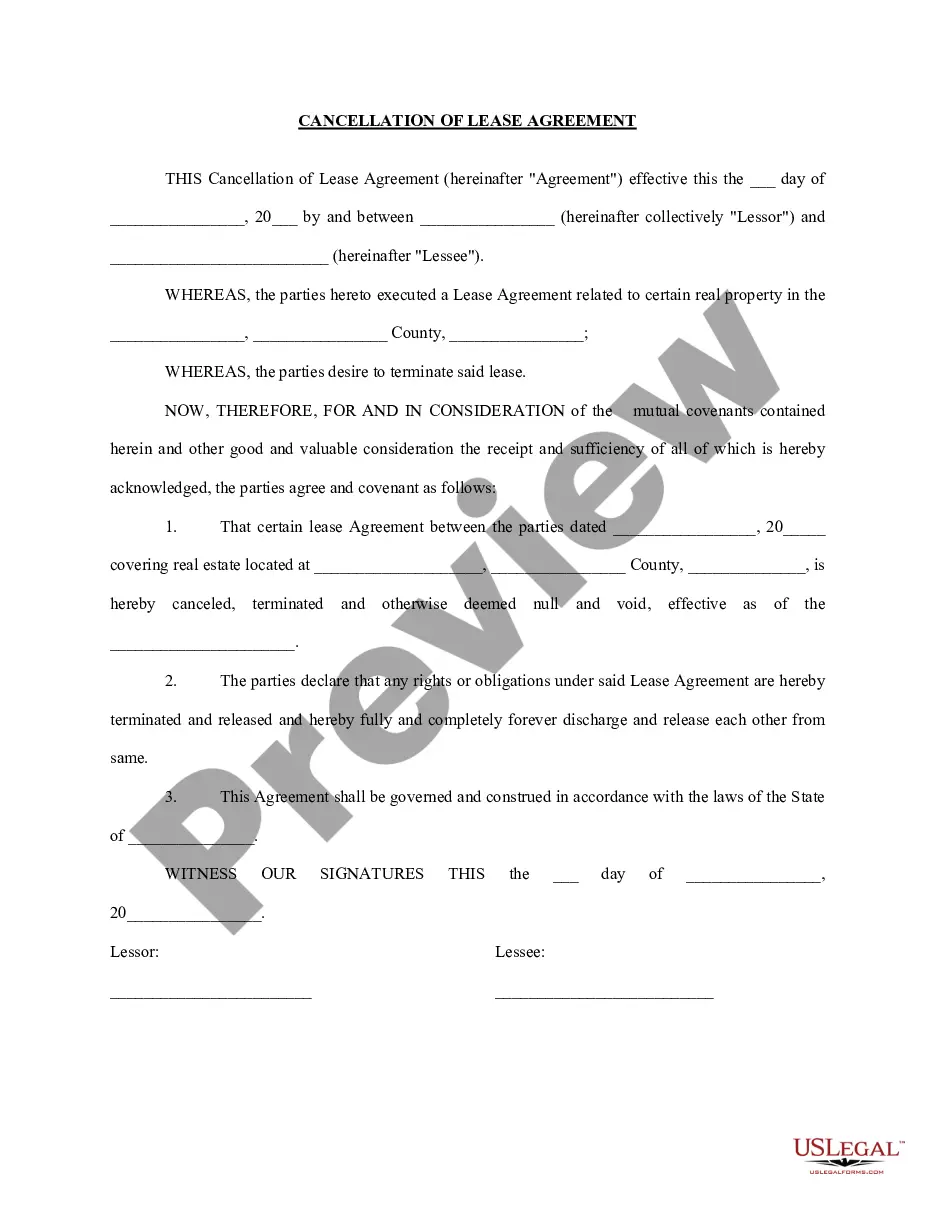
Residential Property Leases With Zero Down In Ohio
Description


Get your form ready online
Our built-in tools help you complete, sign, share, and store your documents in one place.
Make edits, fill in missing information, and update formatting in US Legal Forms—just like you would in MS Word.
Download a copy, print it, send it by email, or mail it via USPS—whatever works best for your next step.
Sign and collect signatures with our SignNow integration. Send to multiple recipients, set reminders, and more. Go Premium to unlock E-Sign.
If this form requires notarization, complete it online through a secure video call—no need to meet a notary in person or wait for an appointment.
We protect your documents and personal data by following strict security and privacy standards.

Make edits, fill in missing information, and update formatting in US Legal Forms—just like you would in MS Word.

Download a copy, print it, send it by email, or mail it via USPS—whatever works best for your next step.

Sign and collect signatures with our SignNow integration. Send to multiple recipients, set reminders, and more. Go Premium to unlock E-Sign.

If this form requires notarization, complete it online through a secure video call—no need to meet a notary in person or wait for an appointment.

We protect your documents and personal data by following strict security and privacy standards.
Looking for another form?









Form popularity
FAQ
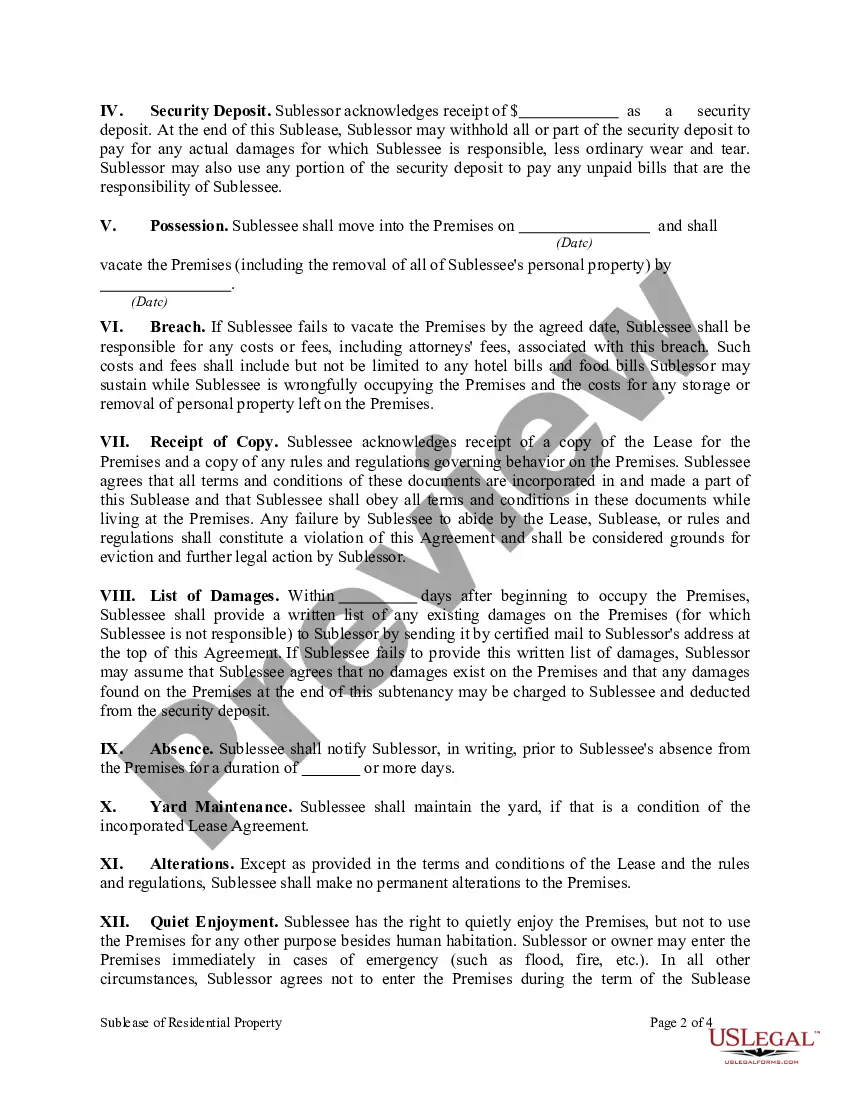
If both parties want out of the agreement, that may be achieved by signing a Mutual Rescission and Release Agreement. The Mutual Rescission and Release Agreement serves to render the original contract null and void and places the parties back to their original positions before they entered into that first agreement.
Here's a list of standard fields that you should include in your lease agreement: Tenant information. Include each tenant's full name and contact information. Rental property description. Security deposit. Monthly rent amount. Utilities. Lease term. Policies. Late fees.
A lease agreement is a legally binding contract outlining the terms under which one party agrees to rent property, whether real or personal, from another party. This agreement includes important details such as the rent amount, duration, responsibilities of both parties, and conditions for terminating the agreement.
While it's possible to have a lease with a $0 rent amount, there are several factors that can affect the validity of a lease.
Under Ohio law all leases that have a term of three (3) years or longer must be signed and notarized to be considered valid and in effect. Failure to have a lease with a term of three (3) or more years notarized can potentially invalidate that lease.
Rent-to-own programs are often more lenient with credit scores compared to traditional mortgage lenders. While specific requirements may vary, some programs accept applicants with lower credit scores; as mentioned previously, Divvy accepts credit scores as low as 550.
Here's how to rent an apartment without proof of income Maintain a Good Credit Score. Consider a Lease Co-Signer or Guarantor. Provide Bank Statements. Look for Rentals by Owner. Show Any Unusual Income.
It's possible to get a rent-to-own home with a bad credit score. Minimum credit score requirements vary by the company or private seller. Some rent-to-own companies accept credit scores as low as 500.
NNN – Triple Net –This type of lease rate includes the base rental rate plus the three N's. One “N” stands for property taxes, one for property insurance, and the final “N” stands for common area maintenance (CAMs).
Zero net leases are often used as a leaseback. In this scenario, the owner of the building sells the property. The new owner then leases it back to the previous owner. That might sound strange but it allows the previous owner to raise capital (from the sale) and reduce debt (i.e., financing the property).