Residential Property For Lease In Nevada
Description

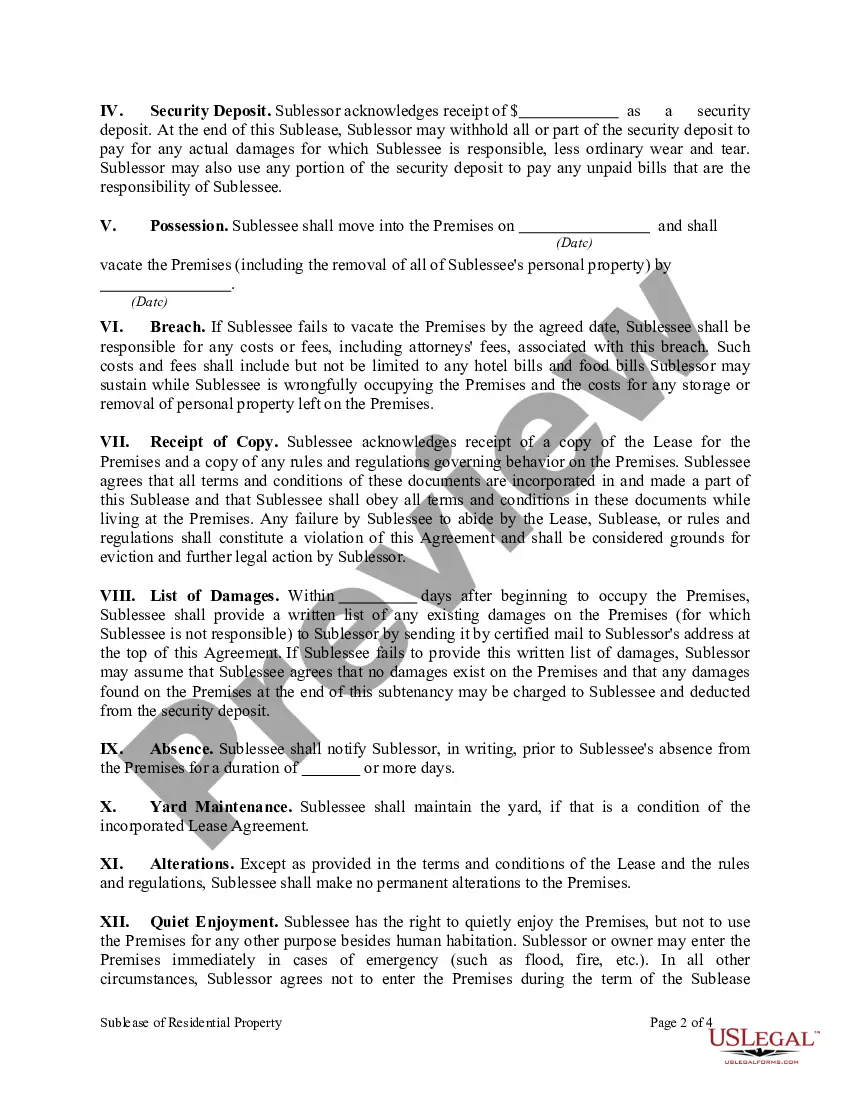
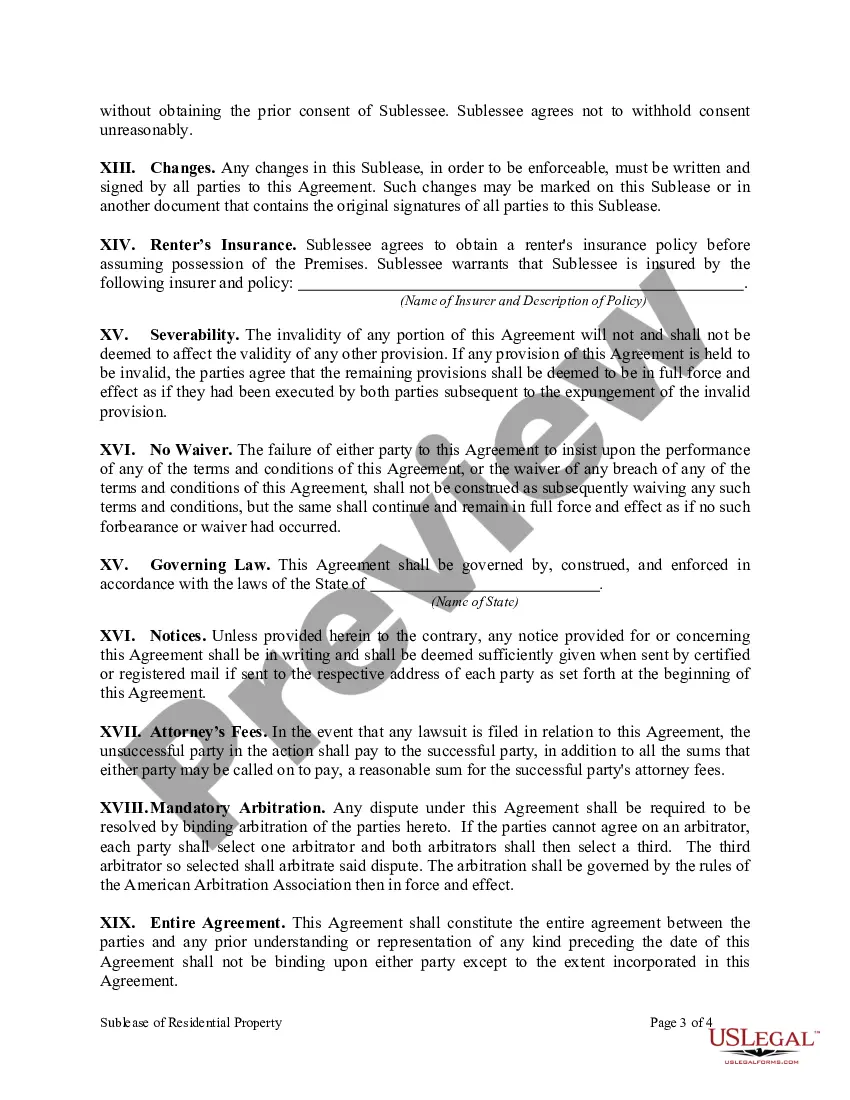
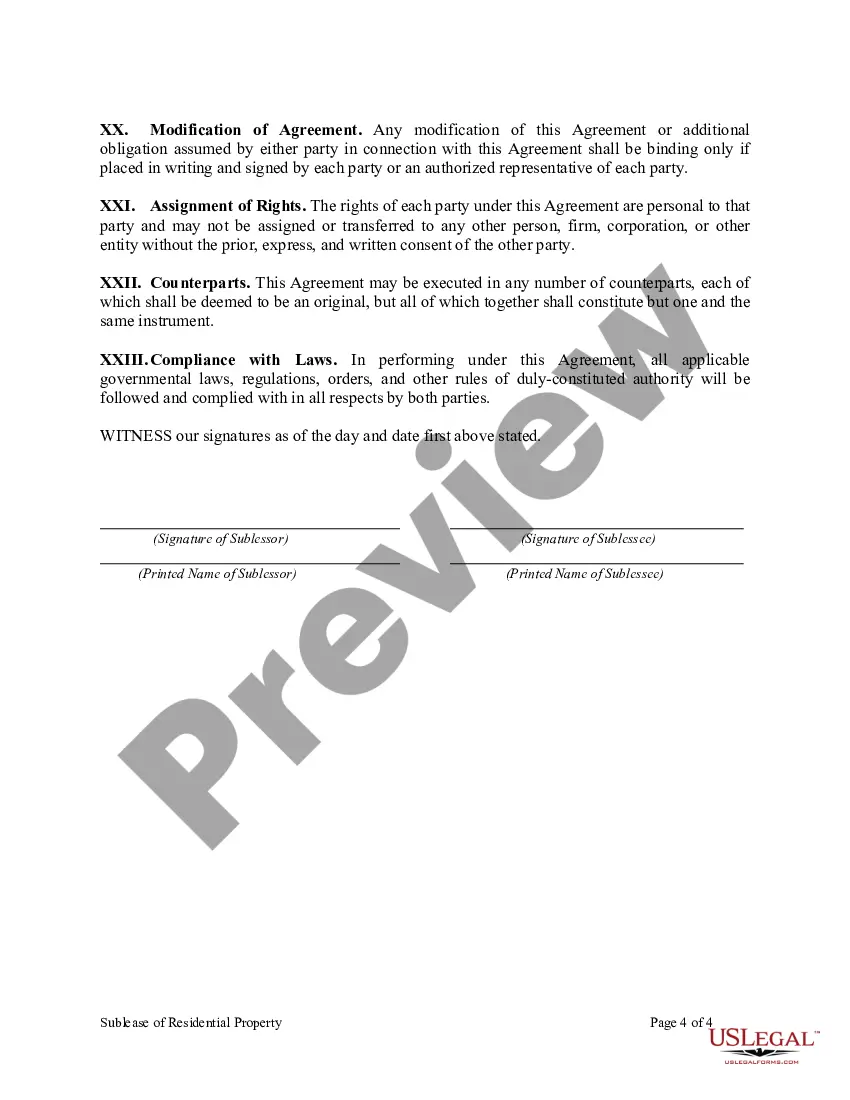
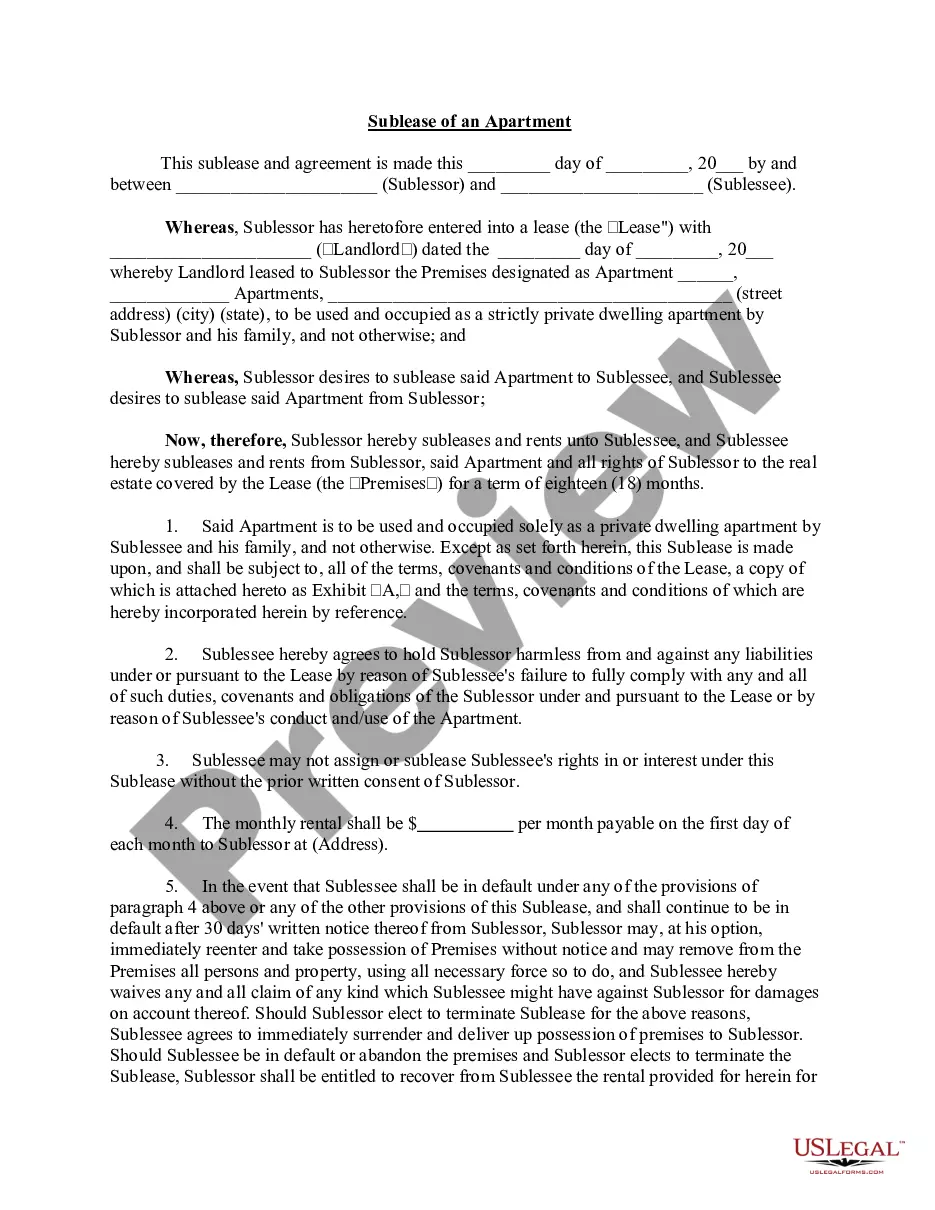
Get your form ready online
Our built-in tools help you complete, sign, share, and store your documents in one place.
Make edits, fill in missing information, and update formatting in US Legal Forms—just like you would in MS Word.
Download a copy, print it, send it by email, or mail it via USPS—whatever works best for your next step.
Sign and collect signatures with our SignNow integration. Send to multiple recipients, set reminders, and more. Go Premium to unlock E-Sign.
If this form requires notarization, complete it online through a secure video call—no need to meet a notary in person or wait for an appointment.
We protect your documents and personal data by following strict security and privacy standards.

Make edits, fill in missing information, and update formatting in US Legal Forms—just like you would in MS Word.

Download a copy, print it, send it by email, or mail it via USPS—whatever works best for your next step.

Sign and collect signatures with our SignNow integration. Send to multiple recipients, set reminders, and more. Go Premium to unlock E-Sign.

If this form requires notarization, complete it online through a secure video call—no need to meet a notary in person or wait for an appointment.

We protect your documents and personal data by following strict security and privacy standards.
Looking for another form?







Form popularity
FAQ
I would like to operate an owner-occupied short-term rental; do I still need a business license? Yes. You must still apply for a business license.
How to Fill Out A Rental Application Your Contact Information. Your Social Security Number. Driver's License or State Identification. Current and Past Rental Information. Employment Information and Proof of Income. Personal References. Other Possible Rental Application Requirements.
For example, in California, landlords are prohibited from requiring tenants to provide their social security numbers and are only permitted to use them for specific purposes such as obtaining credit reports or background checks.
Rental Applications: 5 Tips to Stand Out and Get Approved Research and Preparation. Start by doing thorough research on the rental market and surrounding communities. Present Rental History. Showcase Financial Stability. Respond Promptly and Professionally. Follow Up.
The most common type of lease contract in residential real estate is Gross Lease. In a gross lease, the tenant pays a fixed amount of rent, and the landlord is responsible for paying all the expenses associated with the property, including property taxes, insurance, and maintenance costs.
Start by noting the basic identifying information: List the date, property address, and tenant details. Proceed room by room: Document each item in every room, including its condition. Be thorough and include all elements like walls, floors, ceilings, fixtures, and any appliances or furniture.
A residential lease is a contract between a landlord and a tenant - or a lessor and a lessee. It will outline and detail the terms under which the tenant can occupy the landlord's property.
Gross lease - A gross lease, the most common, has a predetermined rent coverage in which the landlord maintains the property. A net lease has a set rent amount covering the occupancy but may not include maintenance work and even property taxes or insurance.
But there are rules to play by local zoning ordinances are the first checkpoint. They're likeMoreBut there are rules to play by local zoning ordinances are the first checkpoint. They're like traffic lights for land use giving the green or red to your plans. If the zone is strictly residential.
