Sublease Property Agreement With Agricultural In Miami-Dade
Description

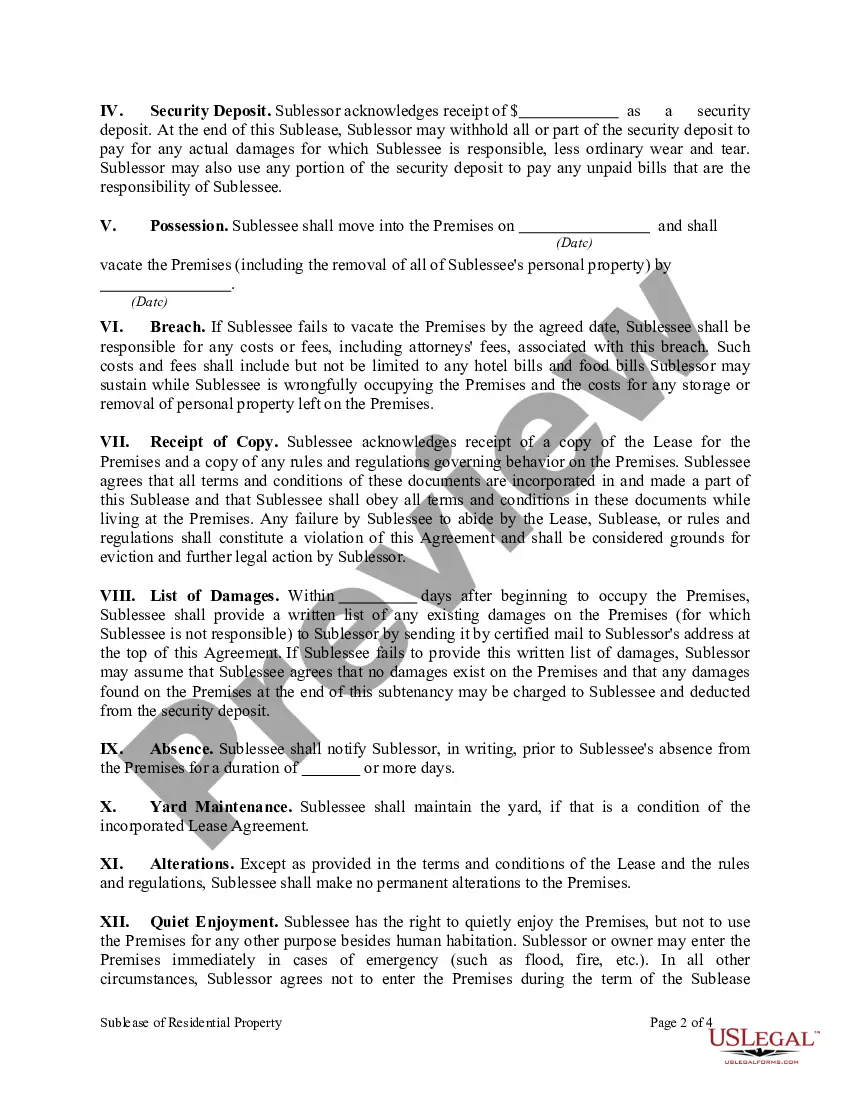
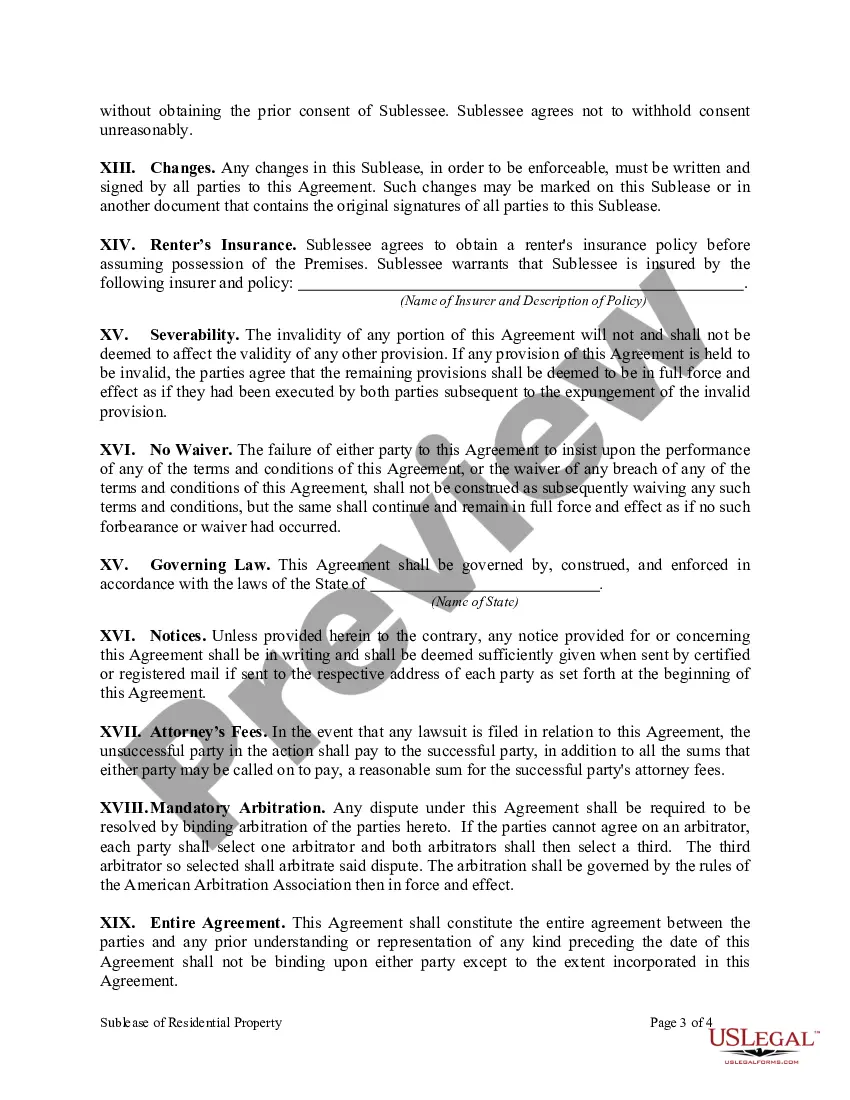
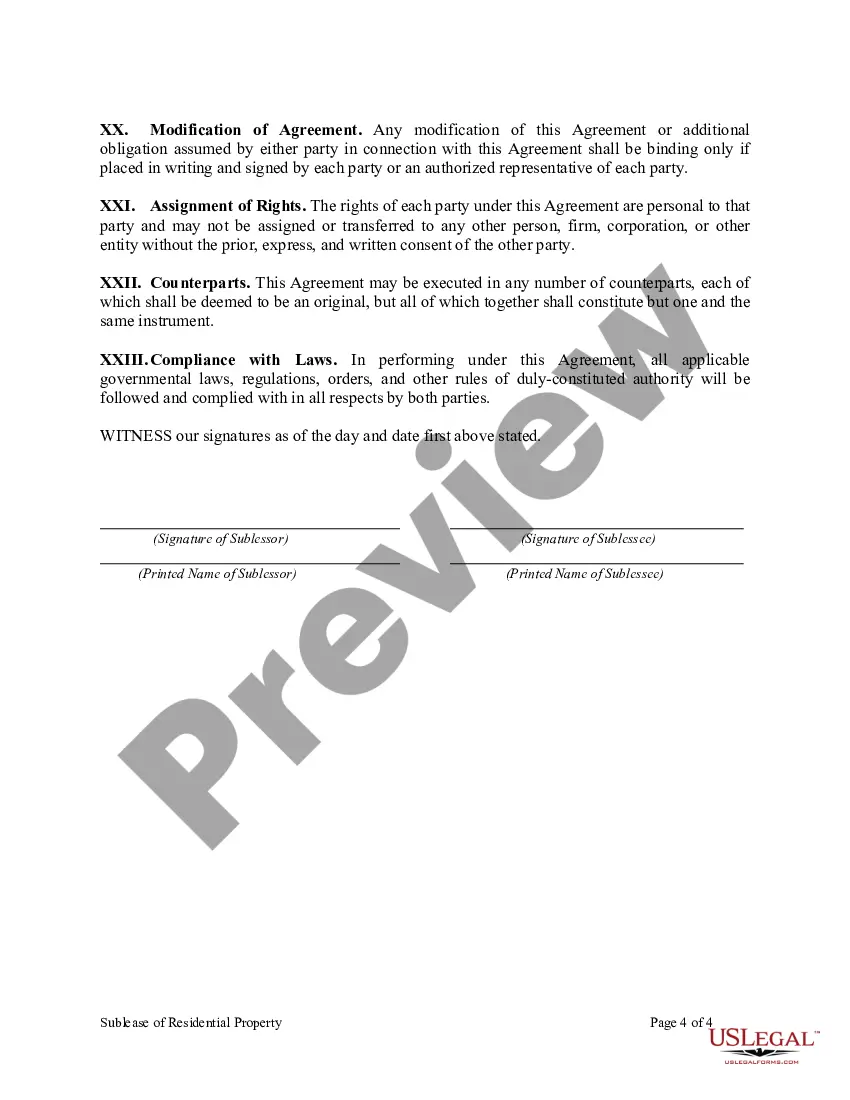
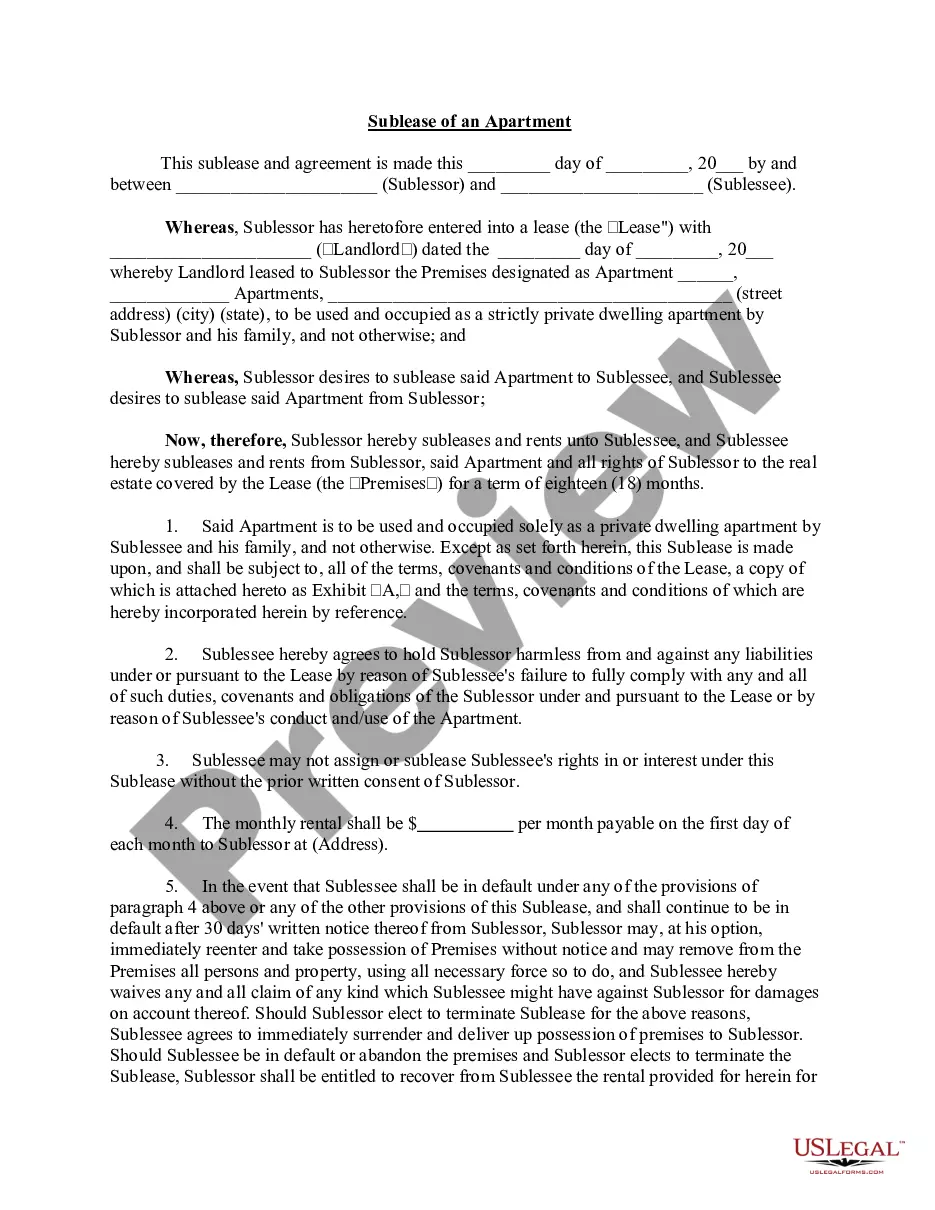
Get your form ready online
Our built-in tools help you complete, sign, share, and store your documents in one place.
Make edits, fill in missing information, and update formatting in US Legal Forms—just like you would in MS Word.
Download a copy, print it, send it by email, or mail it via USPS—whatever works best for your next step.
Sign and collect signatures with our SignNow integration. Send to multiple recipients, set reminders, and more. Go Premium to unlock E-Sign.
If this form requires notarization, complete it online through a secure video call—no need to meet a notary in person or wait for an appointment.
We protect your documents and personal data by following strict security and privacy standards.

Make edits, fill in missing information, and update formatting in US Legal Forms—just like you would in MS Word.

Download a copy, print it, send it by email, or mail it via USPS—whatever works best for your next step.

Sign and collect signatures with our SignNow integration. Send to multiple recipients, set reminders, and more. Go Premium to unlock E-Sign.

If this form requires notarization, complete it online through a secure video call—no need to meet a notary in person or wait for an appointment.

We protect your documents and personal data by following strict security and privacy standards.
Looking for another form?










Form popularity
FAQ
While you can build on agricultural zoned land, it's a path laden with regulations and considerations. The dream of building a house amidst the serenity of farmland can be a reality, but it requires thorough planning and adherence to local laws.
By law, Homestead and Agricultural Classified lands cannot be on the same portion of the property. Portability is the transfer of savings when you homestead your property (and by the way, portability must be applied for. If you don't use it, you'll lose it).
Only land that is used for growing plants and necessary service areas shall be classified as agriculture. Land used for landscape service business is not an agricultural use. A bona fide commercial irrigation system must be in place.
Florida statutes do not specify any acreage requirements for agricultural classification. The Property Appraiser will consider the amount of acreage among other factors to determine if the land is used “primarily for bona fide agricultural purposes” ing to Florida statutes.
From traditional crops like green beans and tomatoes to tropicals specialties such as black sapote, dragon fruit and canistel, the Redland is certainly the most agriculturally diverse place in the country.
The protection of the Florida Homestead Law has a limitation regarding the lot size of your principal place of residence in Florida. Specifically, homestead protection includes residences within a municipality up to one-half acre and residences outside of a municipality up to a contiguous 160 acres.
Florida statutes do not specify any acreage requirements for agricultural classification. The Property Appraiser will consider the amount of acreage among other factors to determine if the land is used “primarily for bona fide agricultural purposes” ing to Florida statutes.
Definitions; 823.14(3), Florida Statutes (a) “Farm” means the land, buildings, support facilities, machinery, and other appurte- nances used in the production of farm or aquaculture products.
Farming Activities: Growing crops, raising livestock, and aquaculture are fully permitted. Farm Building and Structures: Essential structures like barns, silos, and equipment storage facilities are allowed to support farm operations.
