Residential Property Leases Within 30 Days In Miami-Dade
Description


Get your form ready online
Our built-in tools help you complete, sign, share, and store your documents in one place.
Make edits, fill in missing information, and update formatting in US Legal Forms—just like you would in MS Word.
Download a copy, print it, send it by email, or mail it via USPS—whatever works best for your next step.
Sign and collect signatures with our SignNow integration. Send to multiple recipients, set reminders, and more. Go Premium to unlock E-Sign.
If this form requires notarization, complete it online through a secure video call—no need to meet a notary in person or wait for an appointment.
We protect your documents and personal data by following strict security and privacy standards.

Make edits, fill in missing information, and update formatting in US Legal Forms—just like you would in MS Word.

Download a copy, print it, send it by email, or mail it via USPS—whatever works best for your next step.

Sign and collect signatures with our SignNow integration. Send to multiple recipients, set reminders, and more. Go Premium to unlock E-Sign.

If this form requires notarization, complete it online through a secure video call—no need to meet a notary in person or wait for an appointment.

We protect your documents and personal data by following strict security and privacy standards.
Looking for another form?







Form popularity
FAQ
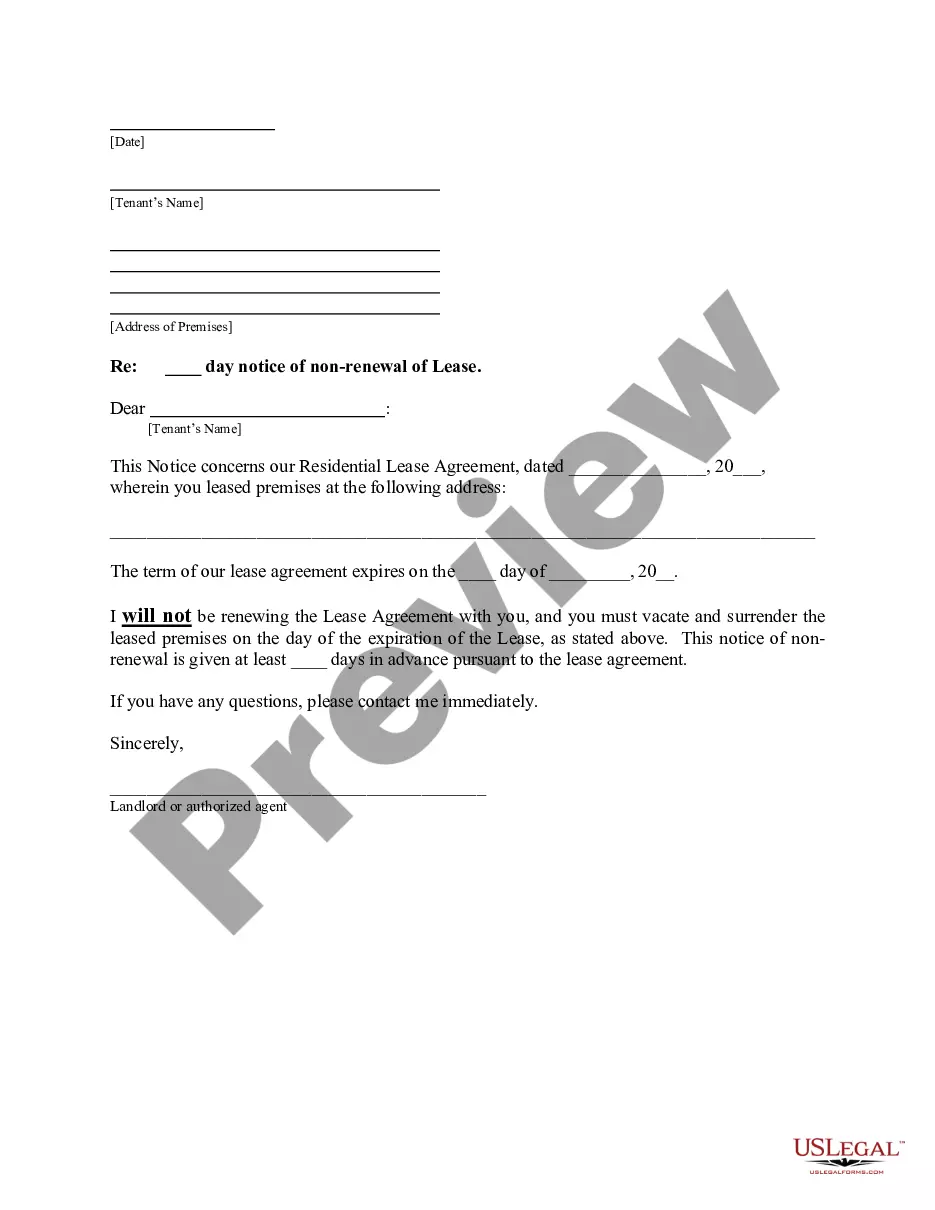
The Florida 30-day notice to quit is used by landlords to terminate a month-to-month tenancy without cause. Once delivered, this notice gives the tenant 30 days to vacate the premises. The landlord does not need a reason to end a periodic tenancy as long as this notice is served.
Retaliation may be presumed if it occurs after a tenant has complained about housing conditions. It is also unlawful to lock the tenant out, intercept or shut off utilities, water or electric services to the tenant, or remove doors, appliances or the tenant's property from the home.
At all times during the tenancy, a tenant shall: Comply with all building, housing and health codes and keep the dwelling clean and sanitary; Remove garbage from the dwelling in a clean and sanitary manner; Keep plumbing fixtures clean and in good repair;
Provide longer periods of time. Such as 60 days. So a compromise was reached on 30 days. And thisMoreProvide longer periods of time. Such as 60 days. So a compromise was reached on 30 days. And this was codified in chapter 83 of Florida Statutes.
No Limits on Rent Increases Unlike many other states, Florida does not impose any limits on how much a landlord can raise the rent. Landlords have full discretion to raise rents as much as they want, as long as they provide proper written notice to the tenant.
In Florida, either the tenant or the landlord must provide written notice to terminate the lease. The notice period depends on the length of the tenancy and is typically 15 or 30 days. For tenancies of less than 1 year, a 15-day notice is required, while tenancies of 1 year or longer require a 30-day notice.
A temporary lease agreement is a legal agreement between the landlord of a property and a tenant that intends to use or occupy it. The difference between a temporary lease agreement and a traditional lease agreement is the occupancy of the property is on a shorter-term or seasonal basis.
"Landlords Aren't Able To Ask For 3x The Rent" As of now, this appears to only be a law in the state of California, there is no such law in Florida.
Tenants in Florida have specific rights to ensure fair and safe living conditions. Their main rights include the following: Habitable property: Living in a habitable property that meets local housing and health codes. Non-discriminatory housing: Seeking housing without discrimination from prospective landlords.
Florida landlords can raise rent by any amount they want to. In fact, Florida doesn't have any legal limits or caps on rent increases.
