Sublease Property Agreement Without Landlord's Permission In Fulton
Description

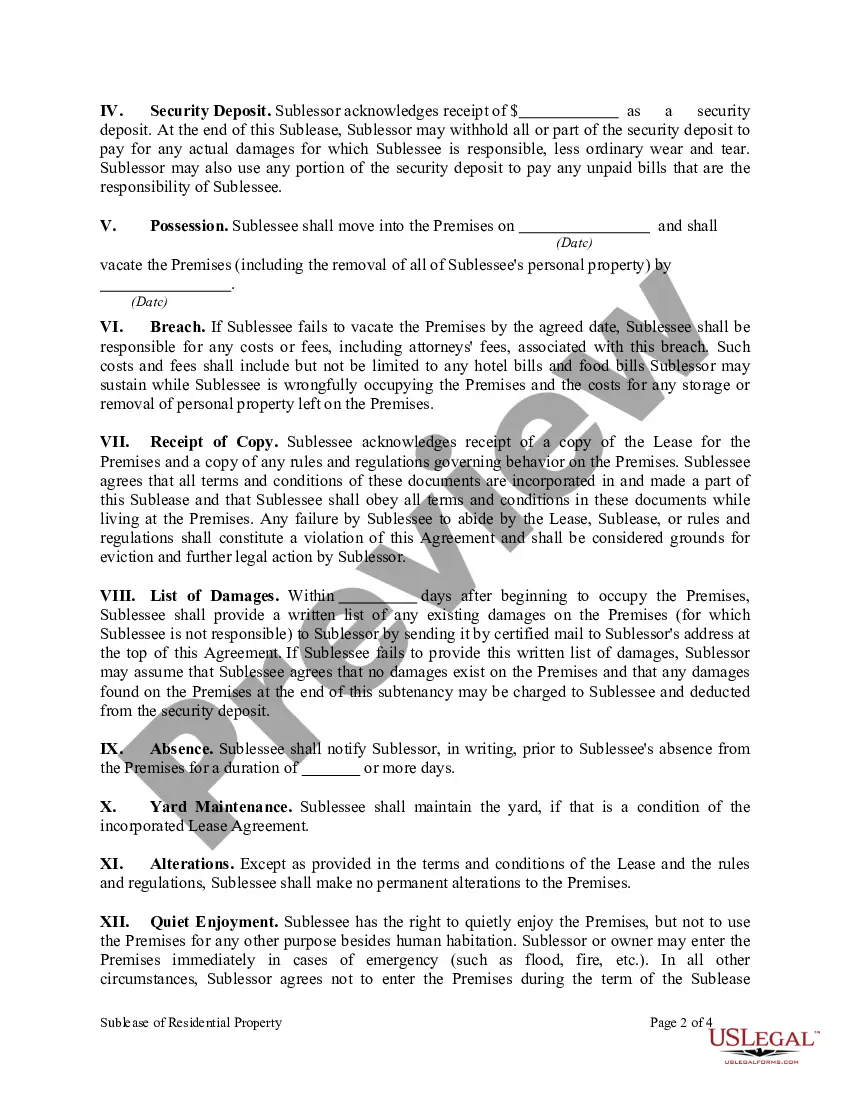
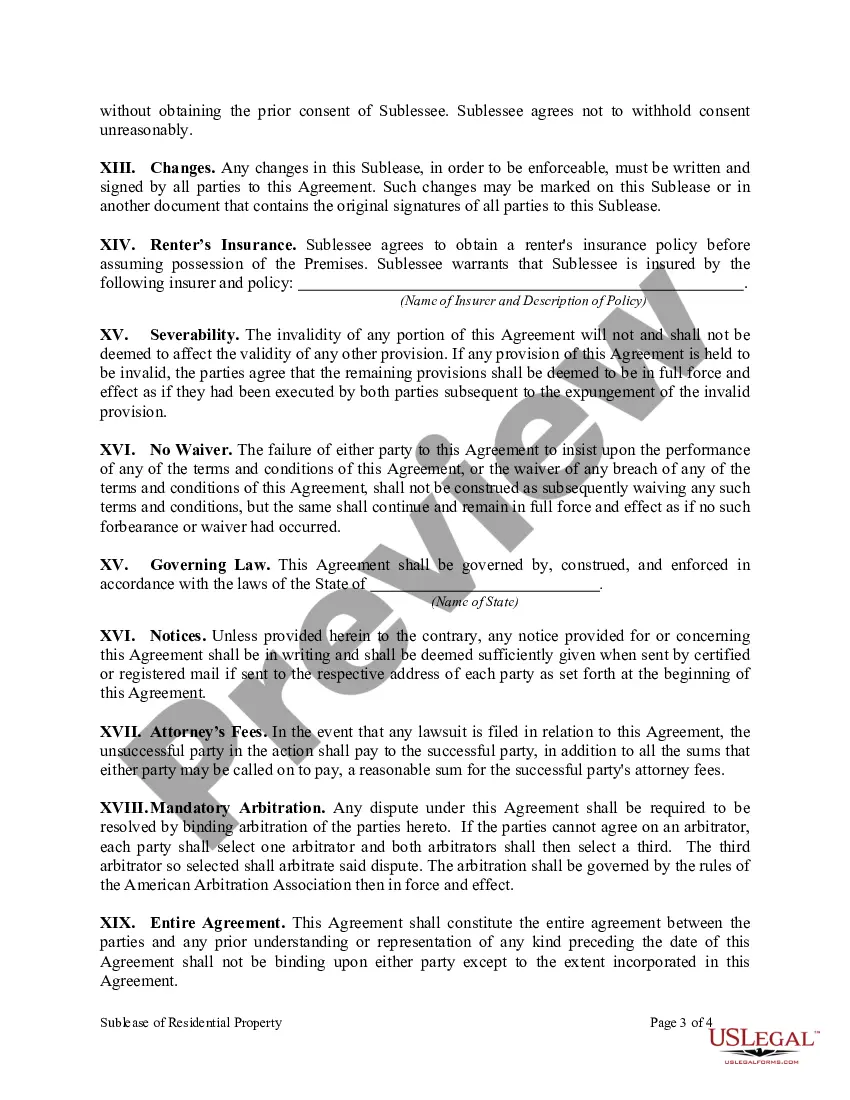
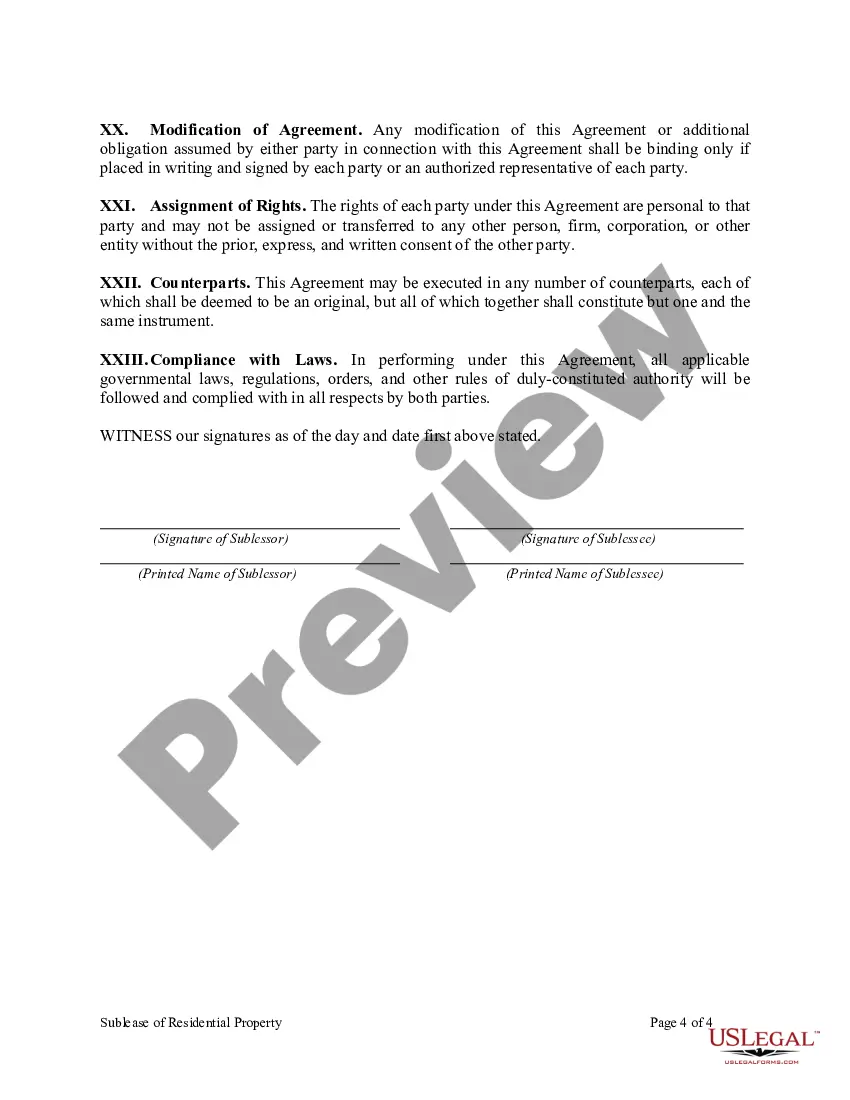

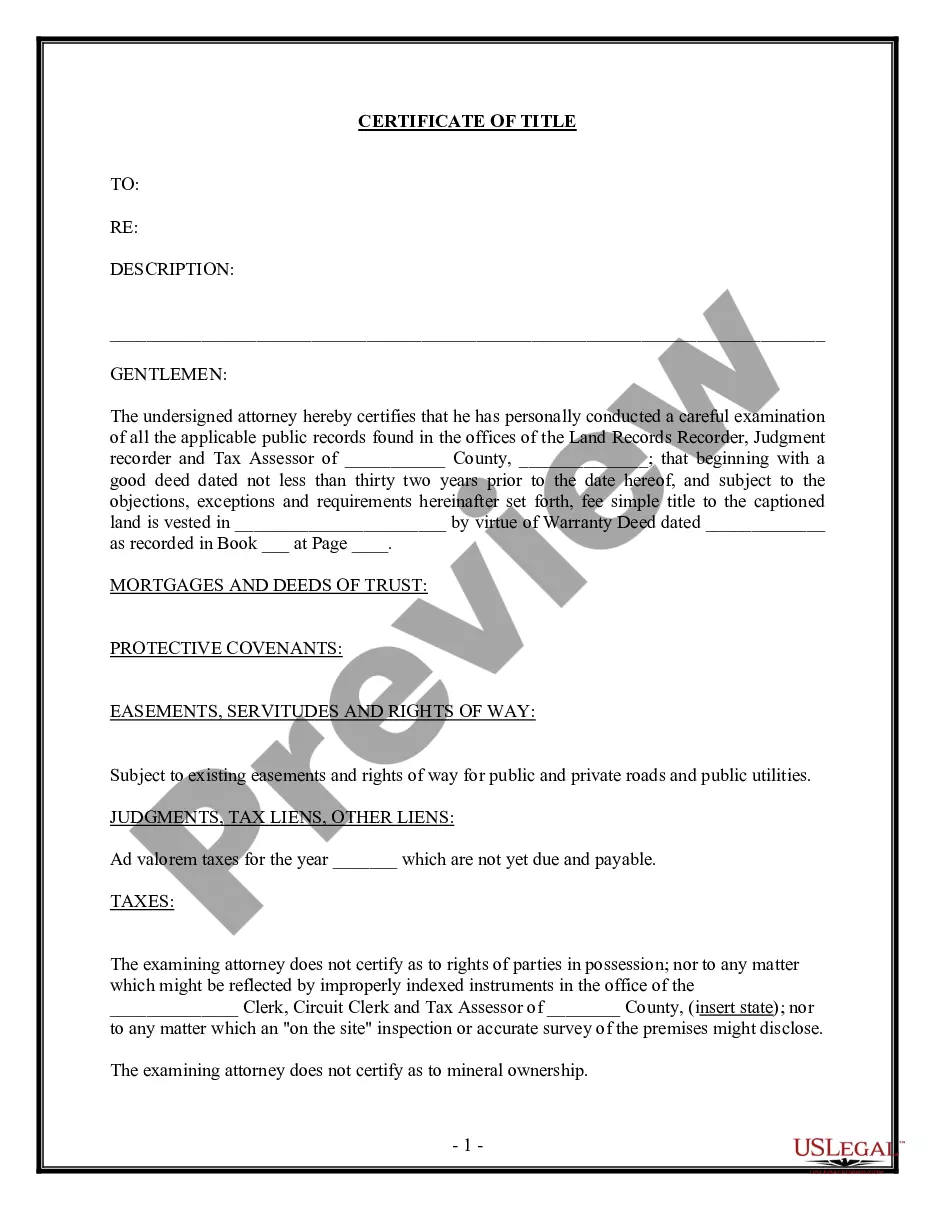
Get your form ready online
Our built-in tools help you complete, sign, share, and store your documents in one place.
Make edits, fill in missing information, and update formatting in US Legal Forms—just like you would in MS Word.
Download a copy, print it, send it by email, or mail it via USPS—whatever works best for your next step.
Sign and collect signatures with our SignNow integration. Send to multiple recipients, set reminders, and more. Go Premium to unlock E-Sign.
If this form requires notarization, complete it online through a secure video call—no need to meet a notary in person or wait for an appointment.
We protect your documents and personal data by following strict security and privacy standards.

Make edits, fill in missing information, and update formatting in US Legal Forms—just like you would in MS Word.

Download a copy, print it, send it by email, or mail it via USPS—whatever works best for your next step.

Sign and collect signatures with our SignNow integration. Send to multiple recipients, set reminders, and more. Go Premium to unlock E-Sign.

If this form requires notarization, complete it online through a secure video call—no need to meet a notary in person or wait for an appointment.

We protect your documents and personal data by following strict security and privacy standards.
Looking for another form?
Form popularity
FAQ
(a) A tenant renting a residence pursuant to an existing lease in a dwelling having four or more residential units shall have the right to sublease his premises subject to the written consent of the landlord in advance of the subletting. Such consent shall not be unreasonably withheld.
If your tenancy doesn't have a fixed end date you'll need your landlord's permission to sublet your whole home. If they say no, they don't have to give you a reason. If there's a fixed end date for your tenancy, you're allowed to sublet your whole home.
If your tenant did not get your permission to sublet and you have a sublet clause in your lease, they have officially broken the lease. This means you can send out a notice to comply or vacate the property. Subletting without permission is cause for eviction, but you aren't required to evict the tenant.
Without the landlord's consent, any sublease might be unenforceable, potentially leading to legal disputes or eviction. Obtaining written permission helps protect all parties involved and ensures the sublease adheres to local laws and regulations.
Yes, they can. If you sublet your unit without your landlord's consent, they have the right to ask you to leave. Subletting without permission can be a violation of the lease agreement, and landlords have the authority to enforce the terms of the lease.
These laws are designed to deter fraudulent activity and protect landlords from illegal profits made by tenants who sublet their properties without permission. Unauthorized subletting is considered a criminal offense, punishable by law, as it involves a breach of trust and a violation of the landlord-tenant agreement.
Reasons a landlord might deny a sublet request Allowing the sublet would result in too many people living in the unit. Too many residents would be under 18. The prospective subtenant won't agree to the same terms as the original rental agreement. The prospective subtenant plans to keep pets in the unit.
The NYC Multiple Dwelling Law requires sublets to be for at least 30 days. Shorter stays may violate city regulations, making it crucial to adhere to these guidelines. Tenants must often seek landlord approval before subletting. Some leases allow subletting without prior consent, while others require it.
