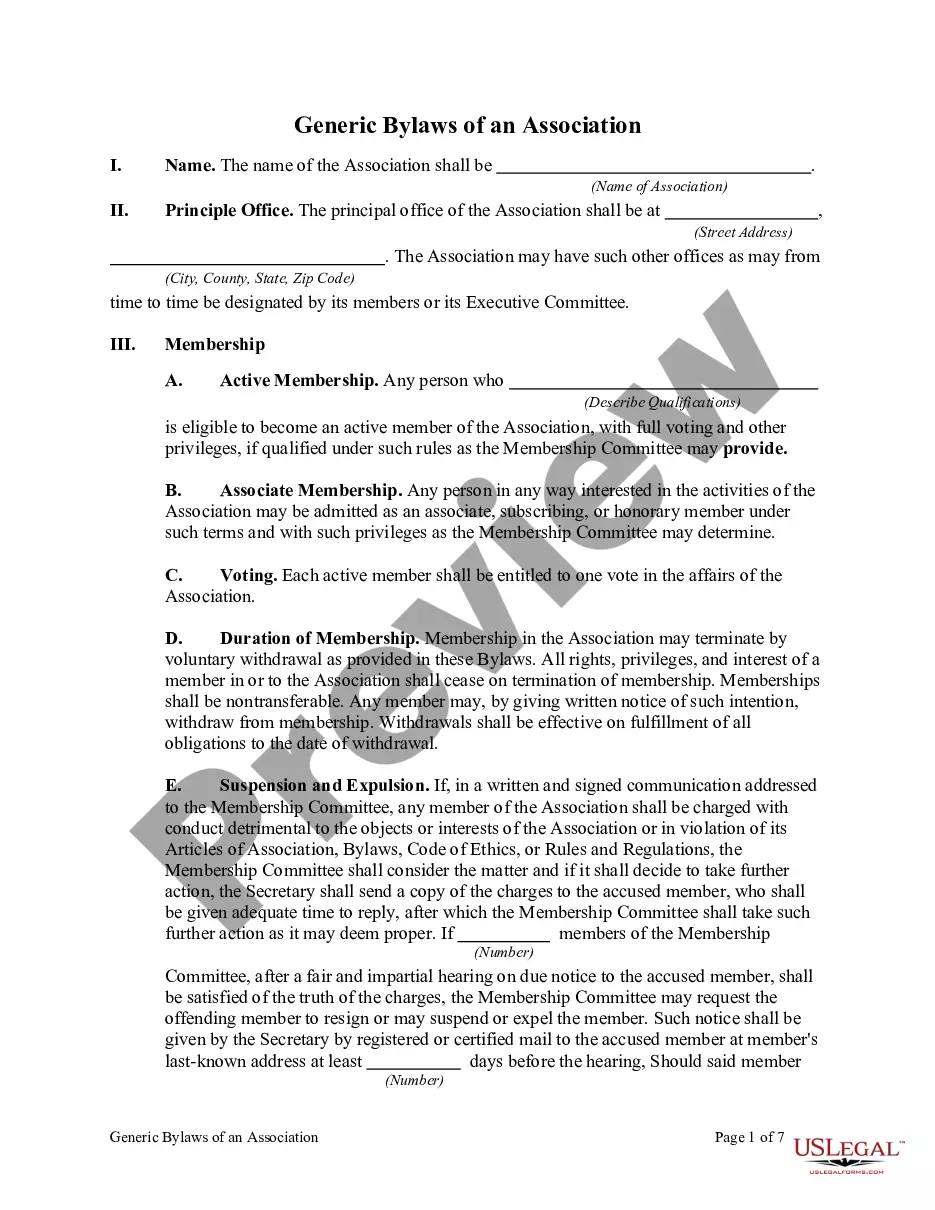
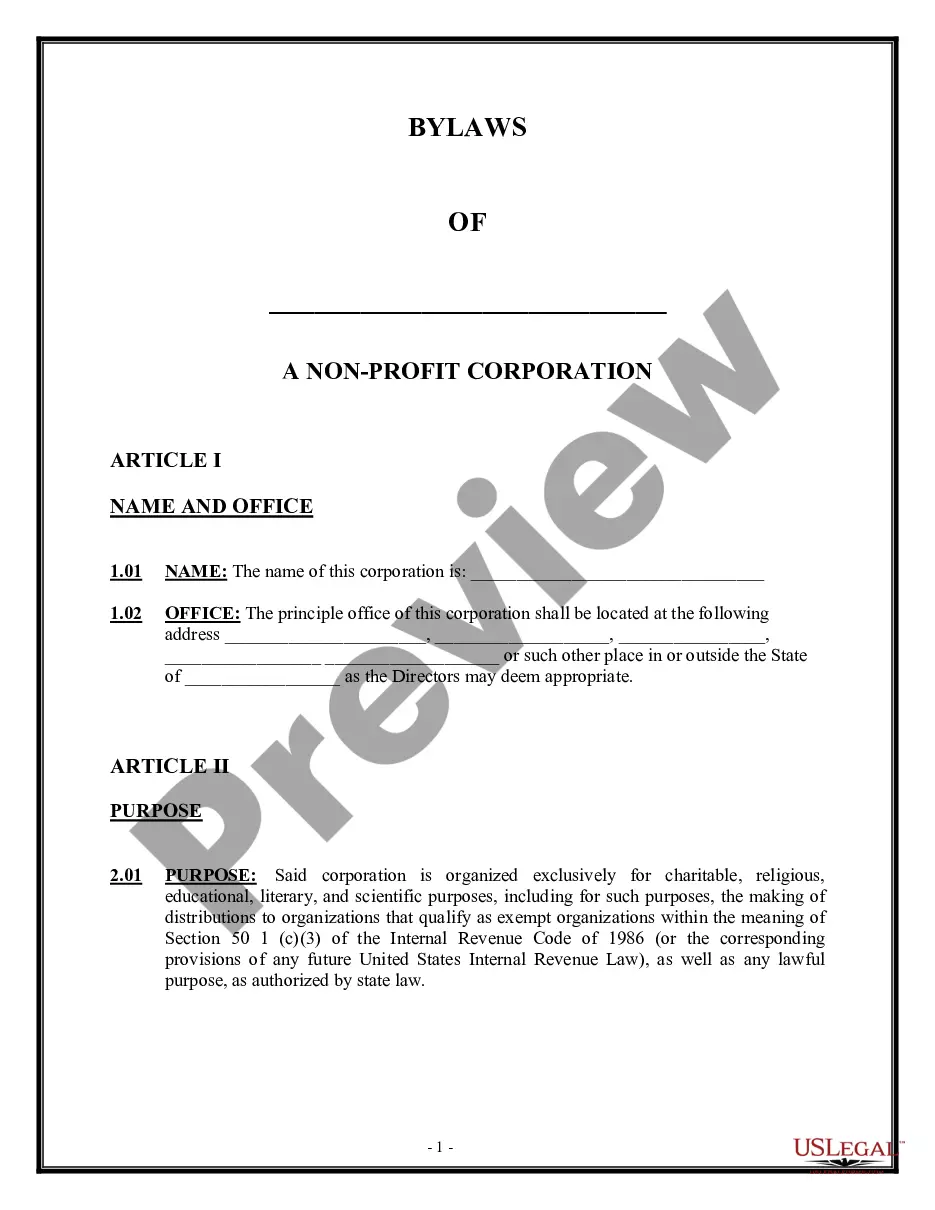
Homeowners Association Bylaws Template Format In Maryland
Description

Get your form ready online
Our built-in tools help you complete, sign, share, and store your documents in one place.
Make edits, fill in missing information, and update formatting in US Legal Forms—just like you would in MS Word.
Download a copy, print it, send it by email, or mail it via USPS—whatever works best for your next step.
Sign and collect signatures with our SignNow integration. Send to multiple recipients, set reminders, and more. Go Premium to unlock E-Sign.
If this form requires notarization, complete it online through a secure video call—no need to meet a notary in person or wait for an appointment.
We protect your documents and personal data by following strict security and privacy standards.

Make edits, fill in missing information, and update formatting in US Legal Forms—just like you would in MS Word.

Download a copy, print it, send it by email, or mail it via USPS—whatever works best for your next step.

Sign and collect signatures with our SignNow integration. Send to multiple recipients, set reminders, and more. Go Premium to unlock E-Sign.

If this form requires notarization, complete it online through a secure video call—no need to meet a notary in person or wait for an appointment.

We protect your documents and personal data by following strict security and privacy standards.
Looking for another form?



Form popularity
FAQ
While homeowners' associations in Maryland are governed by the federal FDCPA, the state also has an additional legislature that regulates the collection of debt at the state level.
To form an HOA in Maryland, one must adhere to specific legal frameworks that include forming Articles of Incorporation and filing them with the State Department. It is through these initial steps that an HOA is legally recognized. The process integrates both state law and the particular needs of the community.
To form an HOA in Maryland, one must adhere to specific legal frameworks that include forming Articles of Incorporation and filing them with the State Department. It is through these initial steps that an HOA is legally recognized. The process integrates both state law and the particular needs of the community.
While homeowners' associations in Maryland are governed by the federal FDCPA, the state also has an additional legislature that regulates the collection of debt at the state level.
Resale certificates are legally required documents ensuring that buyers have full disclosure before purchasing a property. In this article, we will explain why the homeowner pays for a resale package and why it's part of the standard homebuying process.
