Types Of Leases Residential In Florida
Description


Get your form ready online
Our built-in tools help you complete, sign, share, and store your documents in one place.
Make edits, fill in missing information, and update formatting in US Legal Forms—just like you would in MS Word.
Download a copy, print it, send it by email, or mail it via USPS—whatever works best for your next step.
Sign and collect signatures with our SignNow integration. Send to multiple recipients, set reminders, and more. Go Premium to unlock E-Sign.
If this form requires notarization, complete it online through a secure video call—no need to meet a notary in person or wait for an appointment.
We protect your documents and personal data by following strict security and privacy standards.

Make edits, fill in missing information, and update formatting in US Legal Forms—just like you would in MS Word.

Download a copy, print it, send it by email, or mail it via USPS—whatever works best for your next step.

Sign and collect signatures with our SignNow integration. Send to multiple recipients, set reminders, and more. Go Premium to unlock E-Sign.

If this form requires notarization, complete it online through a secure video call—no need to meet a notary in person or wait for an appointment.

We protect your documents and personal data by following strict security and privacy standards.
Looking for another form?



Form popularity
FAQ
Gross lease - A gross lease, the most common, has a predetermined rent coverage in which the landlord maintains the property. A net lease has a set rent amount covering the occupancy but may not include maintenance work and even property taxes or insurance.
For example, a tenant and landlord may agree to a five-year lease with a five-year option to renew. At the end of the first five years, the tenant is given the chance to continue the lease for another five years. If you think you may renew, be sure to bring up extension provisions with your landlord.
term lease is the most traditional lease. They're called fixed term because tenants and landlords are agreeing to abide by the lease for a fixed amount of time, normally six to 14 months.
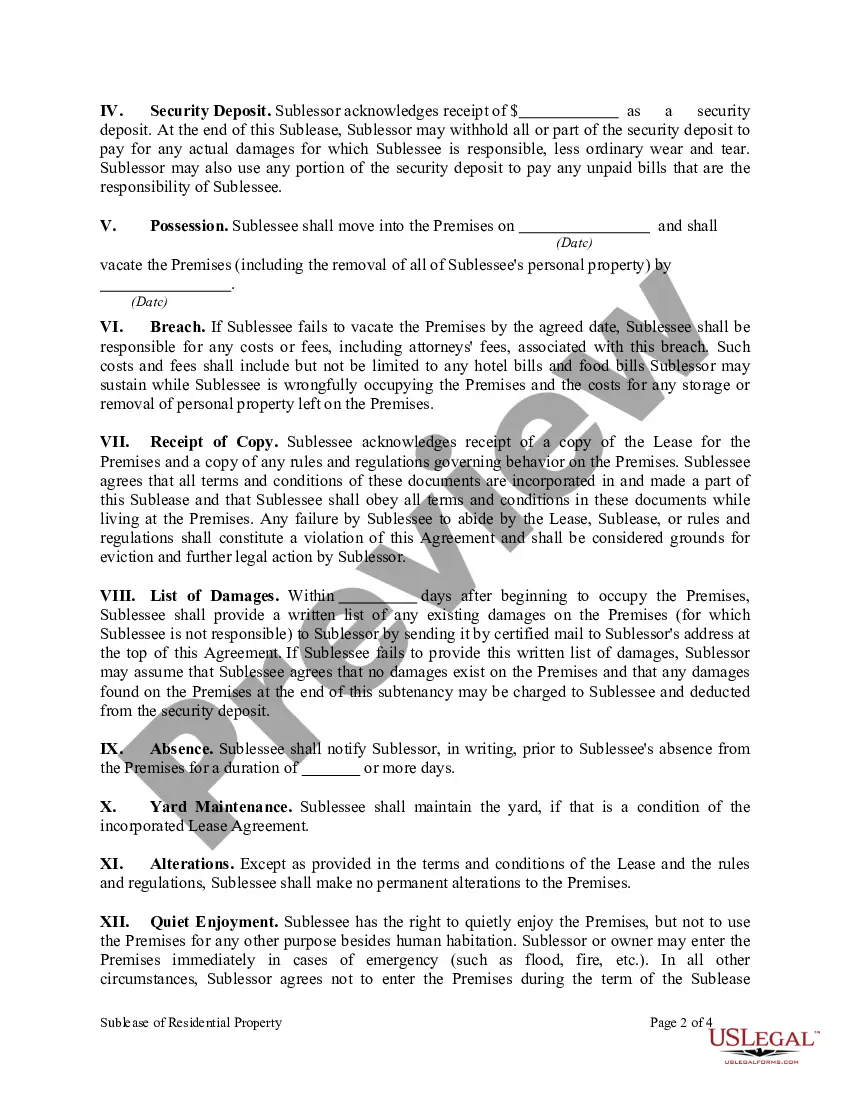
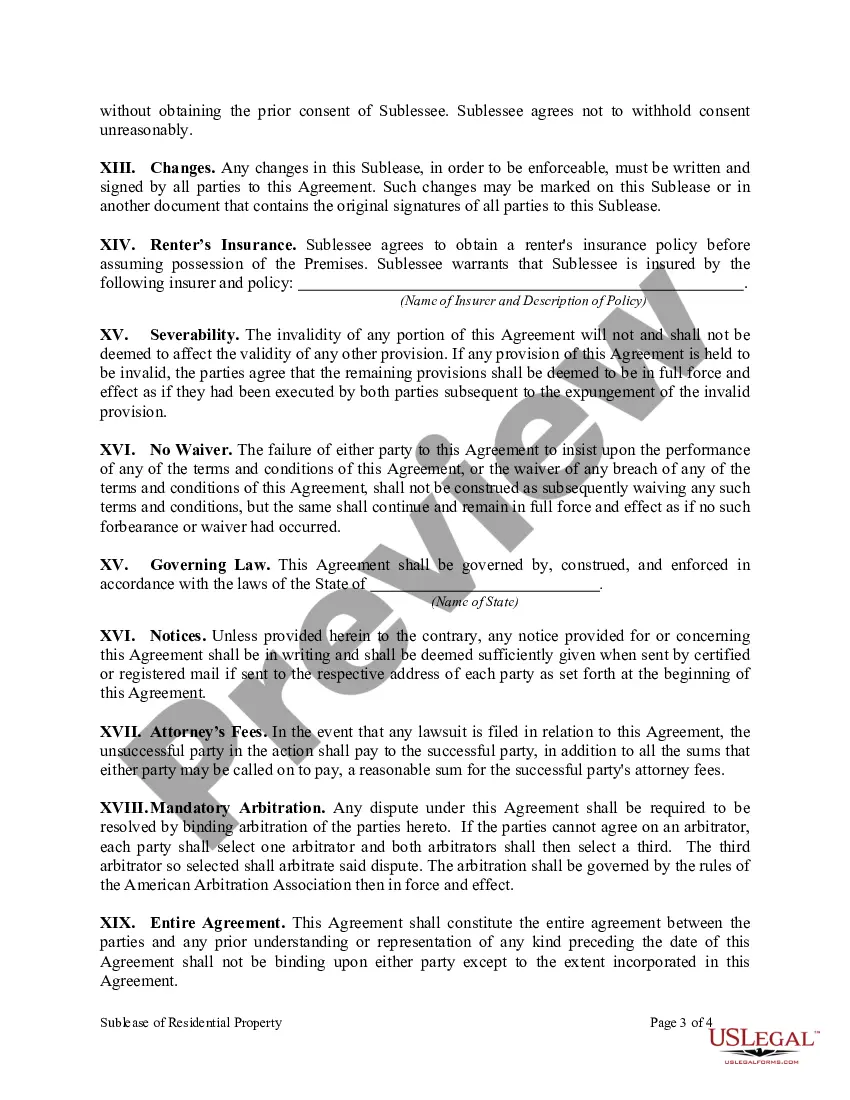
How to write a Florida lease agreement Begin with the basics. Include the names and addresses of both the landlord (lessor) and the tenant (lessee), along with the residential property's address. Specify the term of the lease. Address security deposits. Include maintenance responsibilities. Add additional provisions.
Given the stakes, it's common for property owners to consider whether they can draft this document themselves. While it is legally possible to write your own commercial lease agreement in Florida, doing so involves careful consideration of legal, business, and practical factors.
The most common type of lease contract in residential real estate is Gross Lease. In a gross lease, the tenant pays a fixed amount of rent, and the landlord is responsible for paying all the expenses associated with the property, including property taxes, insurance, and maintenance costs.
Lease agreements are a contract. But you don't necessarily need to hire a lawyer to write good lease agreements, you can do it yourself. But you're a first-time landlord or simply don't have the time to write a lease, you can hire a property management company to do it for you.
The three most common types of leases are gross leases, net leases, and modified gross leases.
Gross lease - A gross lease, the most common, has a predetermined rent coverage in which the landlord maintains the property. A net lease has a set rent amount covering the occupancy but may not include maintenance work and even property taxes or insurance.
