Sublease Requirements In Cook
Description

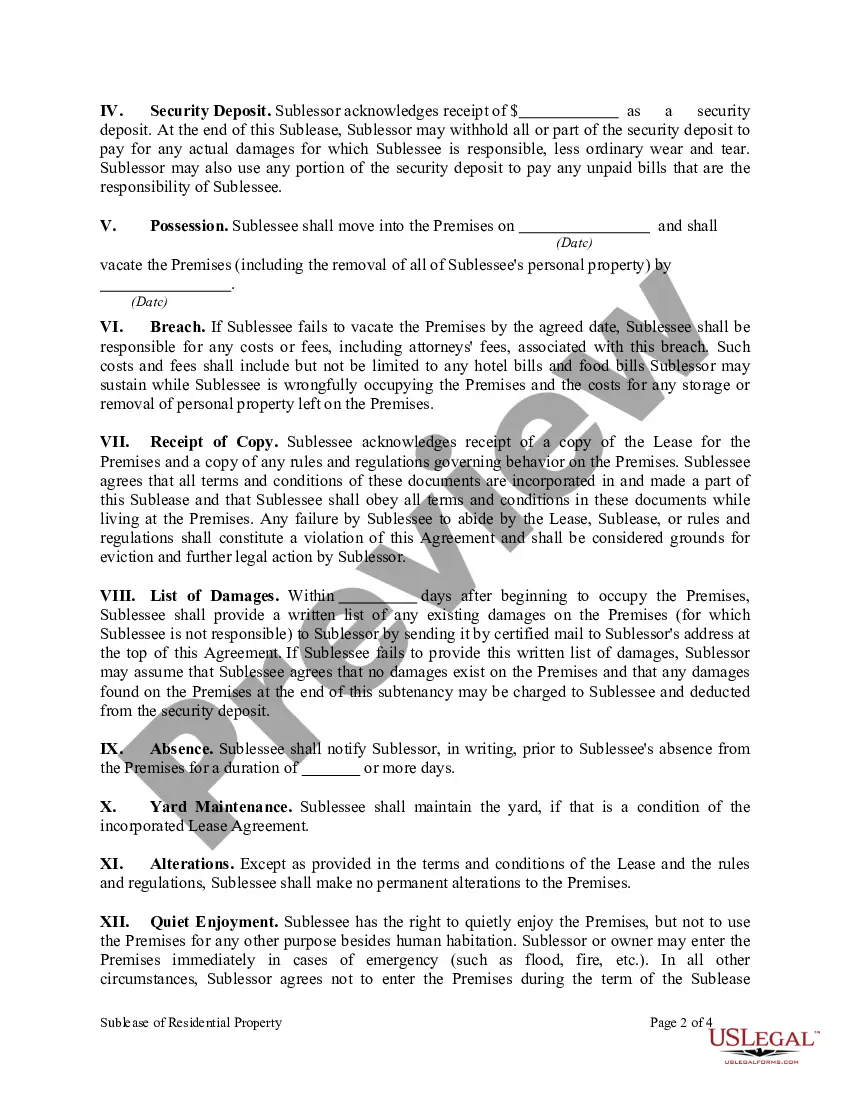
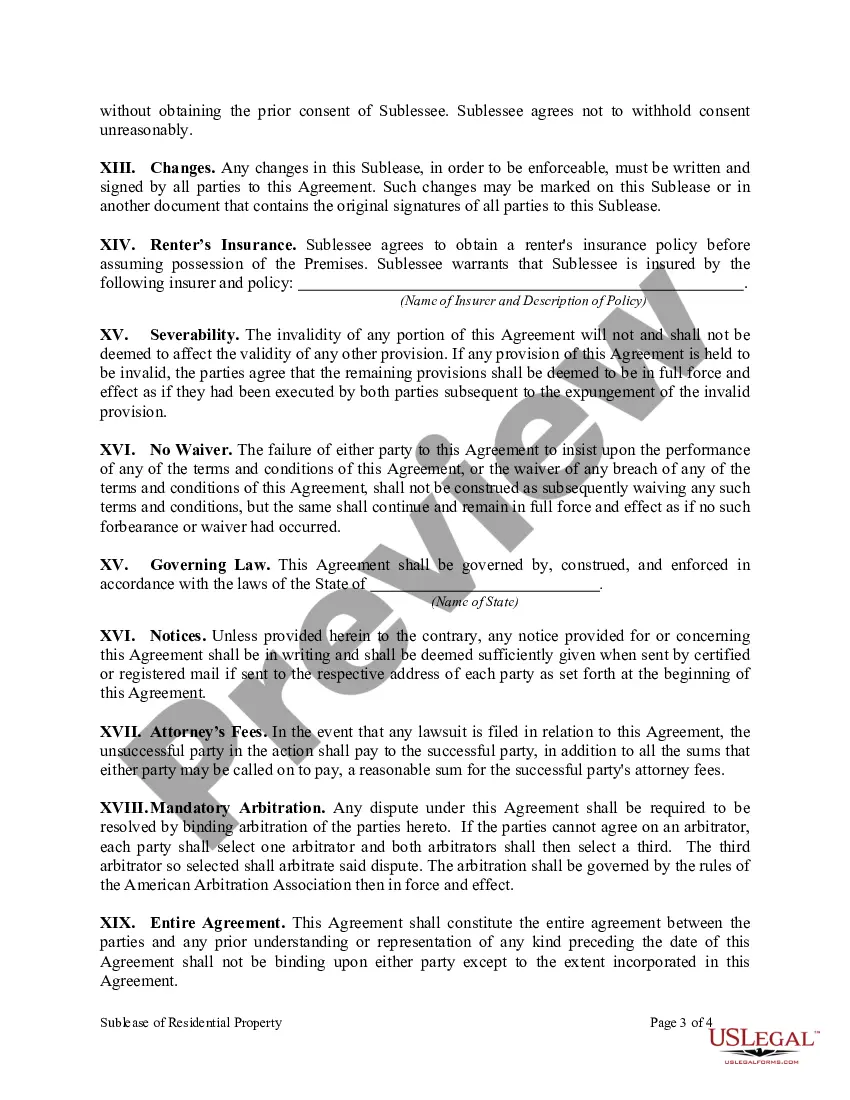
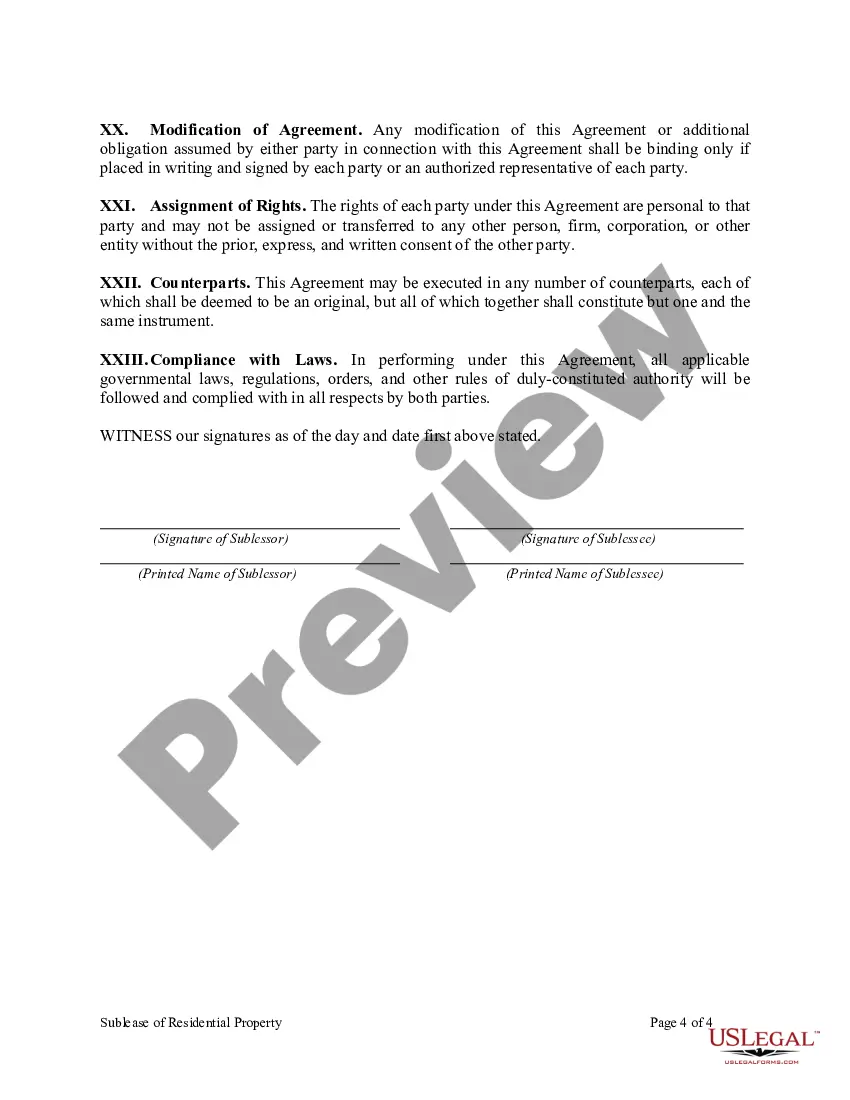
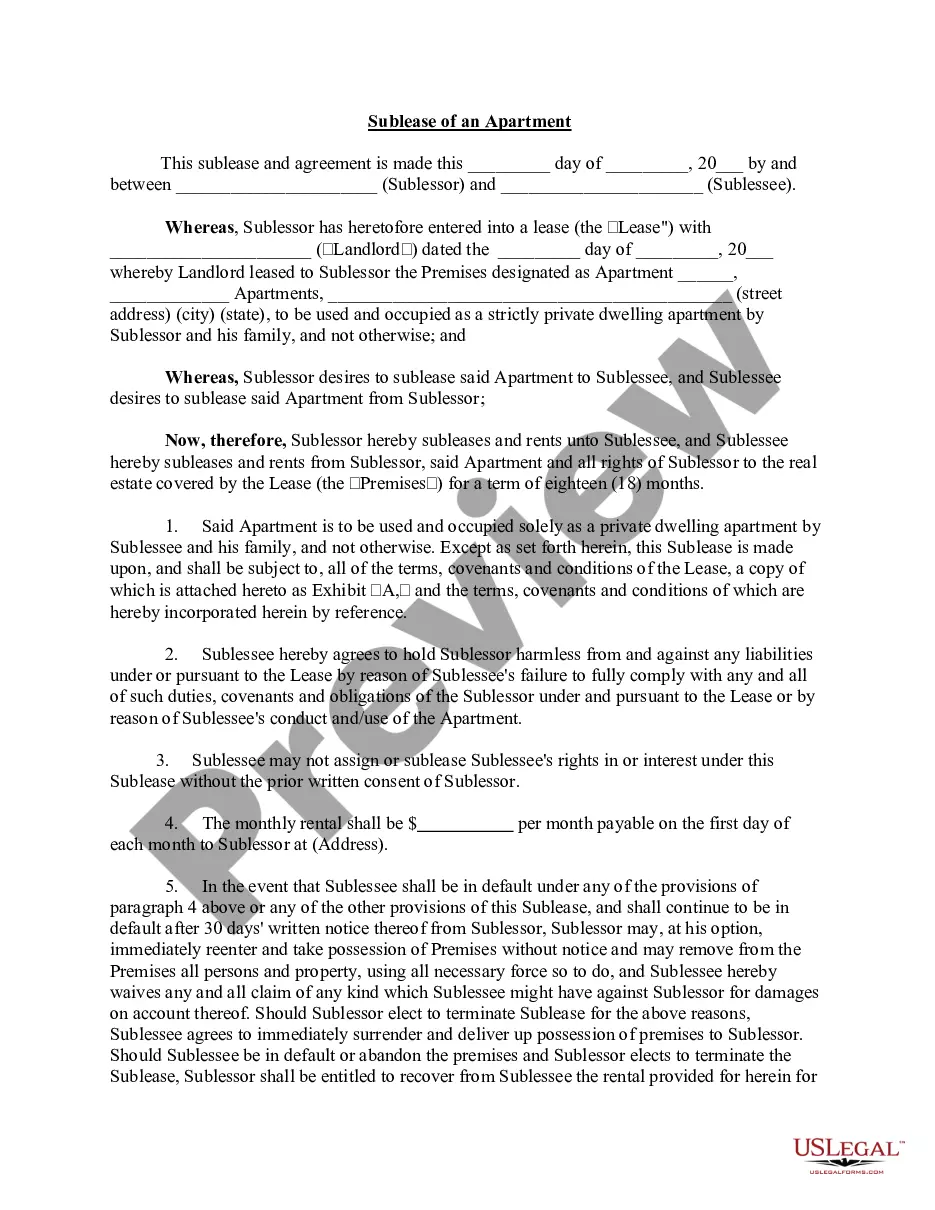
Get your form ready online
Our built-in tools help you complete, sign, share, and store your documents in one place.
Make edits, fill in missing information, and update formatting in US Legal Forms—just like you would in MS Word.
Download a copy, print it, send it by email, or mail it via USPS—whatever works best for your next step.
Sign and collect signatures with our SignNow integration. Send to multiple recipients, set reminders, and more. Go Premium to unlock E-Sign.
If this form requires notarization, complete it online through a secure video call—no need to meet a notary in person or wait for an appointment.
We protect your documents and personal data by following strict security and privacy standards.

Make edits, fill in missing information, and update formatting in US Legal Forms—just like you would in MS Word.

Download a copy, print it, send it by email, or mail it via USPS—whatever works best for your next step.

Sign and collect signatures with our SignNow integration. Send to multiple recipients, set reminders, and more. Go Premium to unlock E-Sign.

If this form requires notarization, complete it online through a secure video call—no need to meet a notary in person or wait for an appointment.

We protect your documents and personal data by following strict security and privacy standards.
Looking for another form?








Form popularity
FAQ
Real Property Law Section 226-b in conjunction with the Rent Stabilization Law gives tenants the right to sublease their apartment for a period of two out of every four years. In order to sublease an apartment, it is necessary that prior to the subleasing that the apartment be the tenants' primary residence.
New York City law does not allow tenants that live in multiple dwellings (3 apartments or more) to sublet apartments for less than thirty days. Tenants must receive permission from their landlord in order to sublet their apartment by following a very technical procedure set forth by RPL 226-b.
In Chicago, landlords must approve a reasonable sublease unless the tenant lives in an owner-occupied property with 6 or fewer units, In DeKalb, landlords can only reject a sublease for legitimate business reasons or standard screening criteria, In Oak Park, landlords must accept a reasonable sublease, and.
Consent from the landlord A tenant must get a landlord's written permission to sub-let or transfer any part of the property. If a tenant does this without consent, they are breaching the terms of the tenancy agreement.
Understanding Subletting Laws in California The lease agreement plays a significant role in determining whether subletting is permitted. If your lease explicitly prohibits sublets, that restriction holds. However, most leases require tenants to obtain written approval from their landlords before subletting.
Building owners dislike competing with their own tenants in their efforts to lease space. As a result, many if not most office leases contain restrictions on subleasing. Among these are: Requirements for landlord consent and approval of the subtenant and the sublease terms.
If your agreement doesn't say anything about subletting If your tenancy doesn't have a fixed end date you'll need your landlord's permission to sublet your whole home. If they say no, they don't have to give you a reason. If there's a fixed end date for your tenancy, you're allowed to sublet your whole home.
Under ASC 842, sublease accounting becomes more intricate. The key distinction lies in whether the original lessee (now acting as a sublessor) remains liable to the superior landlord for the full lease amount. If so, the sublease income isn't a direct offset to lease expenses but rather recognized separately as income.
The correct treatment is to do the following: Record a liability calculated as the present value of the remaining minimum lease payments due under the original (head) lease, reduced by the present value of any estimated sublease income, Write off the deferred rent from the original lease, and.
If you are the tenant under the lease and you sublet space, they will have to issue a 1099 at the end of the year for rental payments made to you. You should provide the business that is subletting a form W-9 for your records. A complete form W-9 will allow you to property complete a 1099 at the end of the year.
