Offer Your Property For Lease Philippines In Riverside
Description
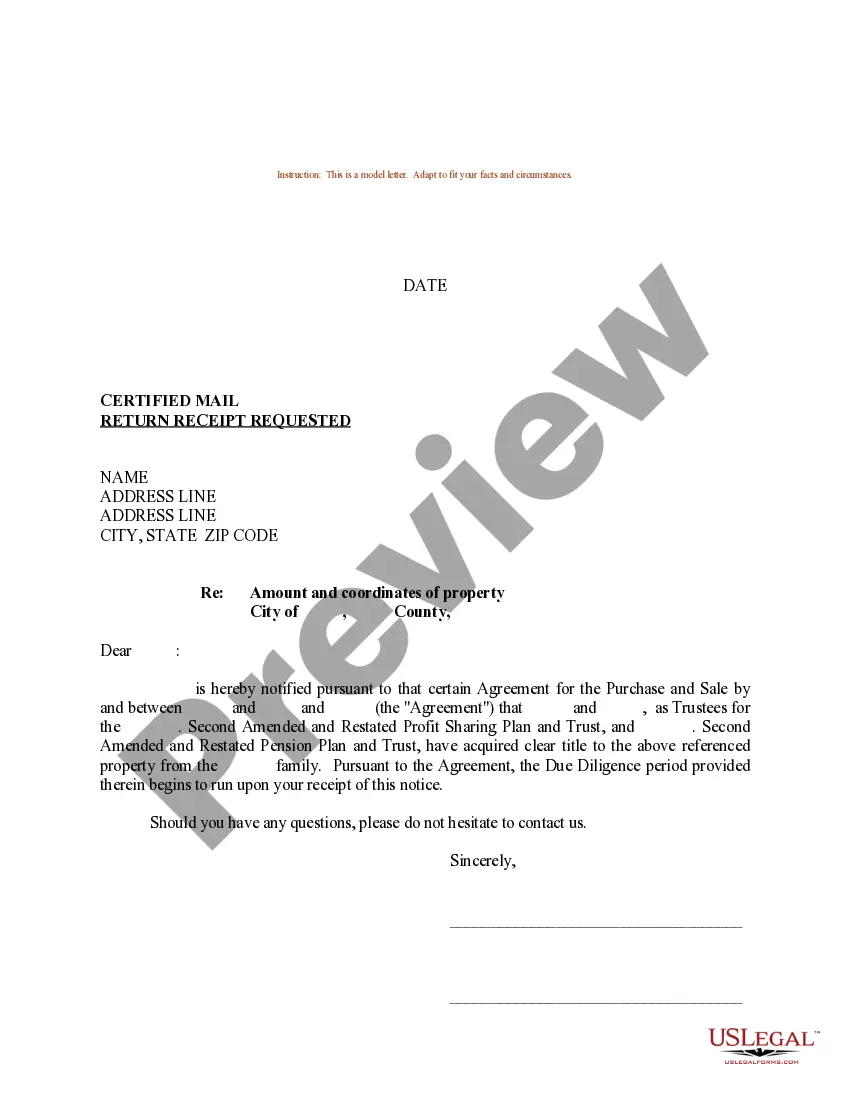
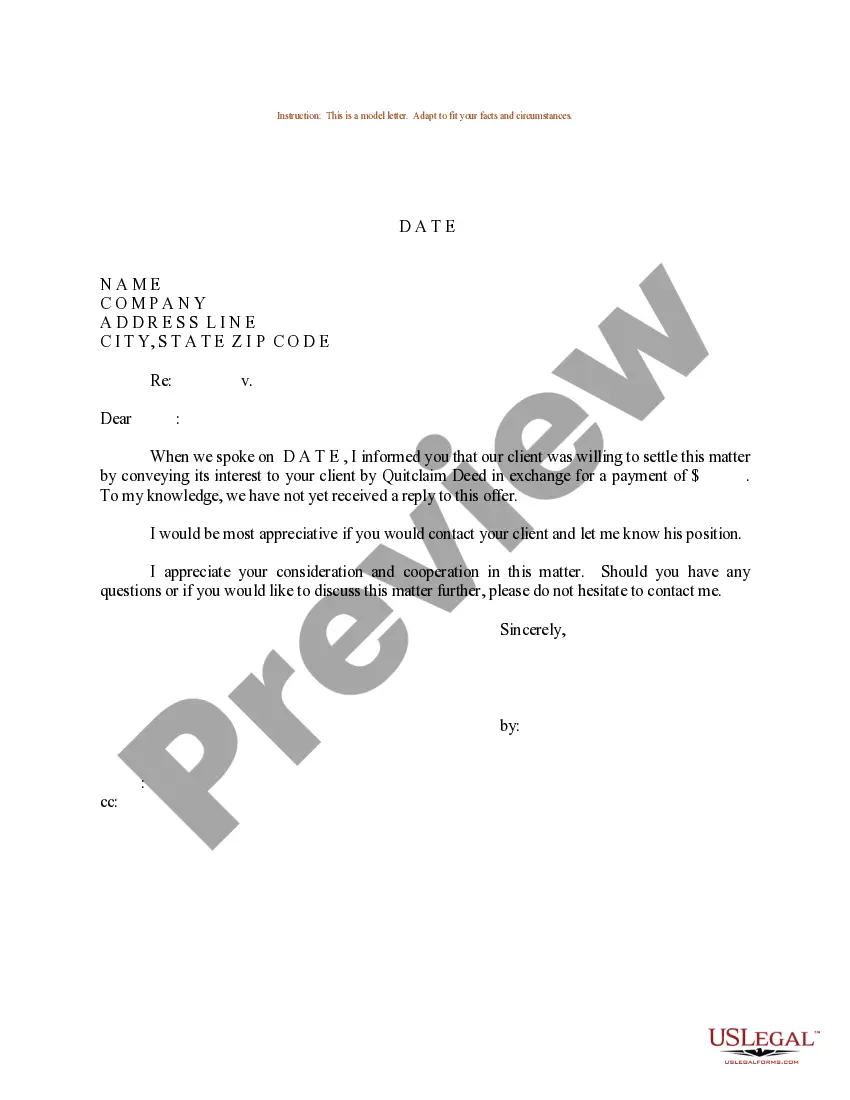
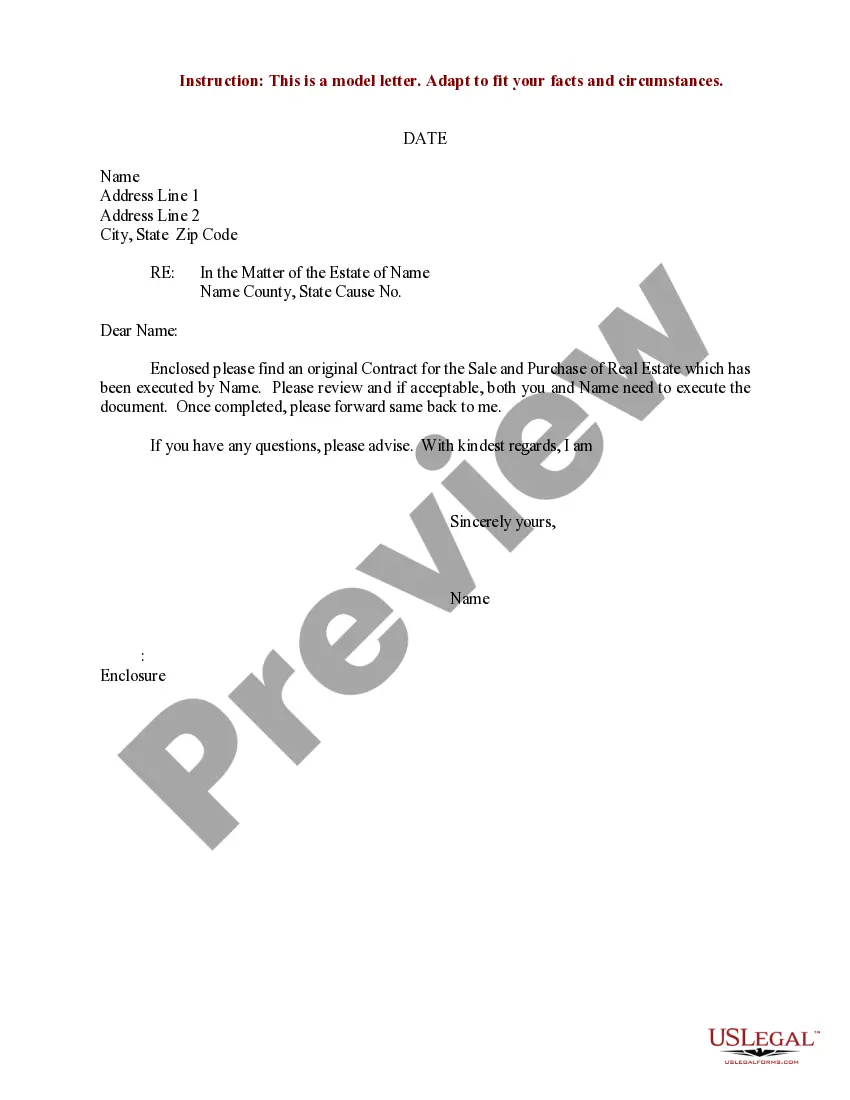
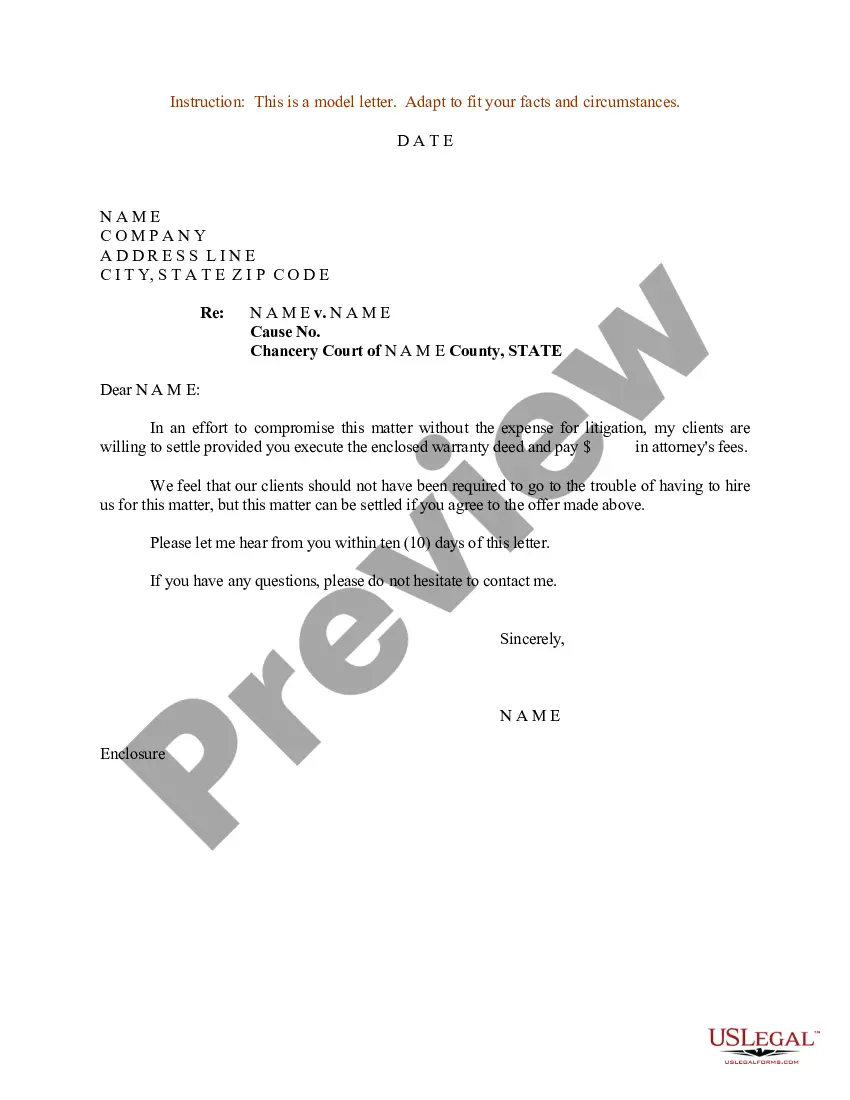
Get your form ready online
Our built-in tools help you complete, sign, share, and store your documents in one place.
Make edits, fill in missing information, and update formatting in US Legal Forms—just like you would in MS Word.
Download a copy, print it, send it by email, or mail it via USPS—whatever works best for your next step.
Sign and collect signatures with our SignNow integration. Send to multiple recipients, set reminders, and more. Go Premium to unlock E-Sign.
If this form requires notarization, complete it online through a secure video call—no need to meet a notary in person or wait for an appointment.
We protect your documents and personal data by following strict security and privacy standards.

Make edits, fill in missing information, and update formatting in US Legal Forms—just like you would in MS Word.

Download a copy, print it, send it by email, or mail it via USPS—whatever works best for your next step.

Sign and collect signatures with our SignNow integration. Send to multiple recipients, set reminders, and more. Go Premium to unlock E-Sign.

If this form requires notarization, complete it online through a secure video call—no need to meet a notary in person or wait for an appointment.

We protect your documents and personal data by following strict security and privacy standards.
Looking for another form?

Form popularity
FAQ
Legal Requirements for Lease Agreements in the Philippines The agreement must be signed by both parties and include all the essential terms and conditions of the lease, such as the rent amount, duration of the lease, and responsibilities of both parties.
Lease of Land: Foreigners can lease land in the Philippines for a maximum period of 50 years, with a possible renewal for an additional 25 years. This option allows foreigners to use land for long-term business or residential purposes without owning it outright.
Lease terms generally vary depending on the type of property involved. Generally, the maximum term for a lease of private land to foreigners and foreign-owned entities is 25 years, renewable for another period of 25 years upon the parties' agreement, for an aggregate of 50 years.
11534, otherwise known as the Corporate Recovery and Incentives for Enterprises or CREATE Act.” The proposed law provides that any foreign investor investing in the Philippines shall be allowed to lease private lands subject to the following conditions: The lease period is 99 years.
Under the present laws, foreign investors may lease private lands for 50 years renewable to another 25 years for the establishment of industrial estates, factories, assembly of processing plants, agro-industrial enterprises, land development for industrial or commercial use, tourism, and other similar priority ...
Here's a list of standard fields that you should include in your lease agreement: Tenant information. Include each tenant's full name and contact information. Rental property description. Security deposit. Monthly rent amount. Utilities. Lease term. Policies. Late fees.
An Offer to Lease includes most of vital information that will be in your official lease, but it gives you room for extras and helps define parameters before you sing the official document. Be sure to include anything you'll need the landlord to take care of before you start writing checks.
The notice should have your name, the unit you are occupying and the date in which you will be completely moved out. It should also include a forwarding address to where your security deposit can be mailed. If you have a month-to-month rental agreement, a 30-day notice should be provided to the landlord.
Clearly state why you're writing the letter and why the property owner should continue reading. Include the property's address and let the landlord know that you're interested in leasing it under specific terms. Then go over your terms and include the non-binding clause.

