House Offer With Contingency In Phoenix
Description
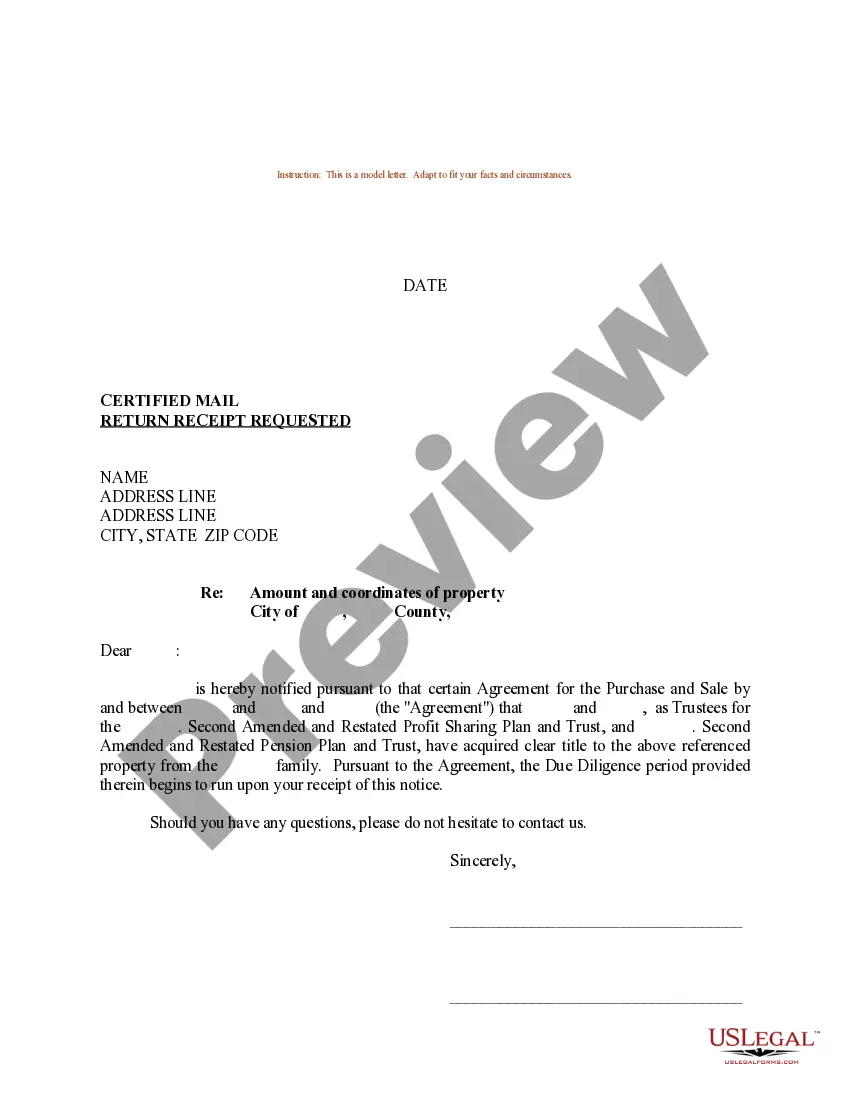
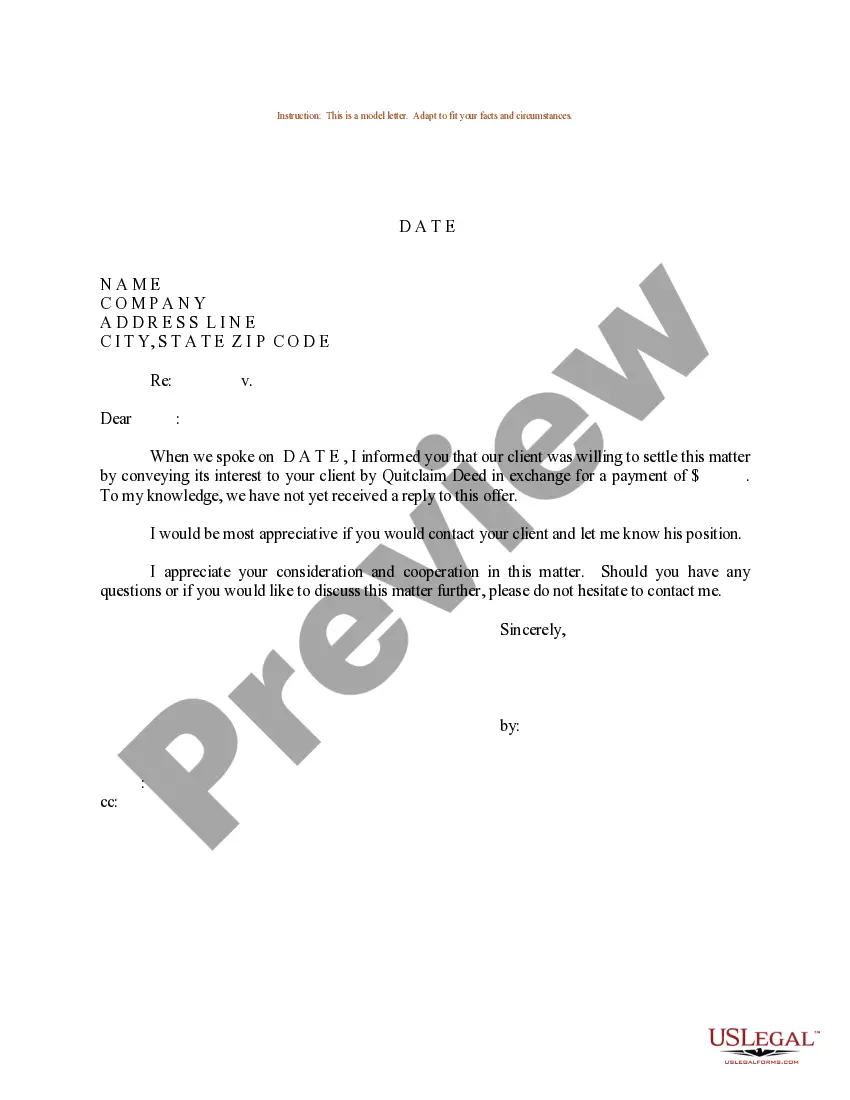
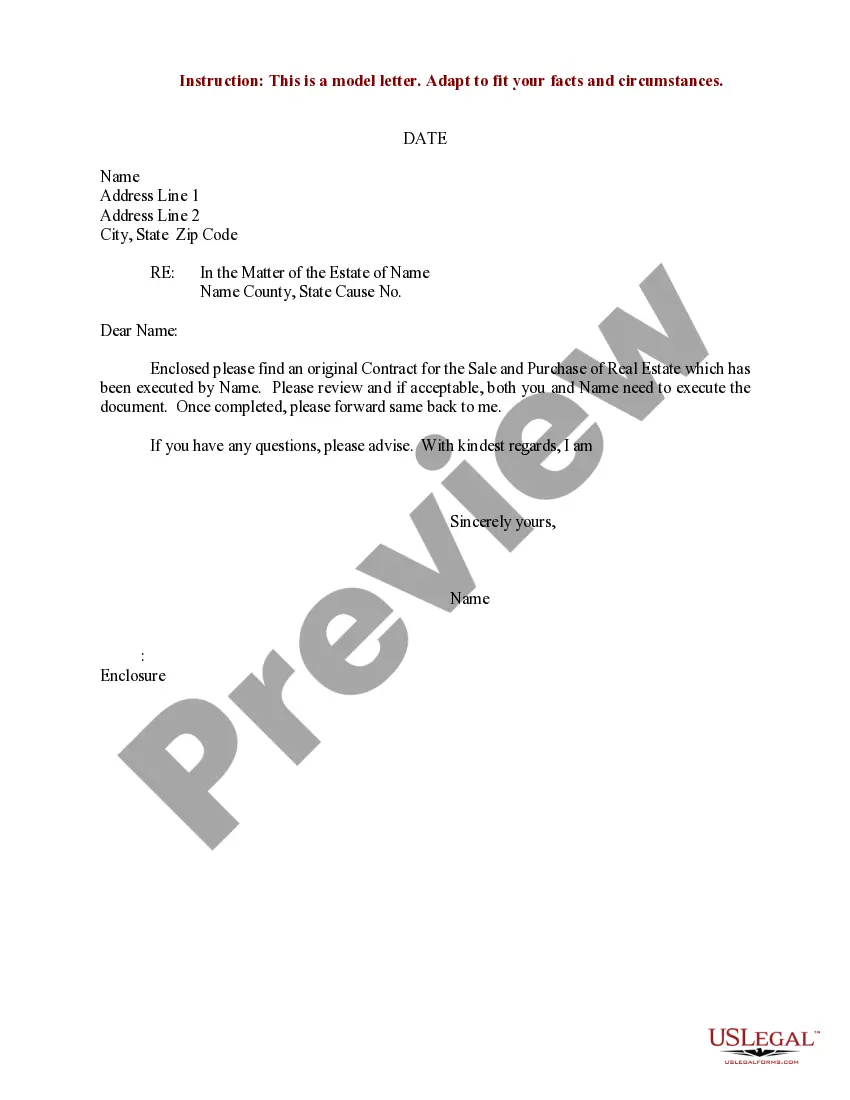
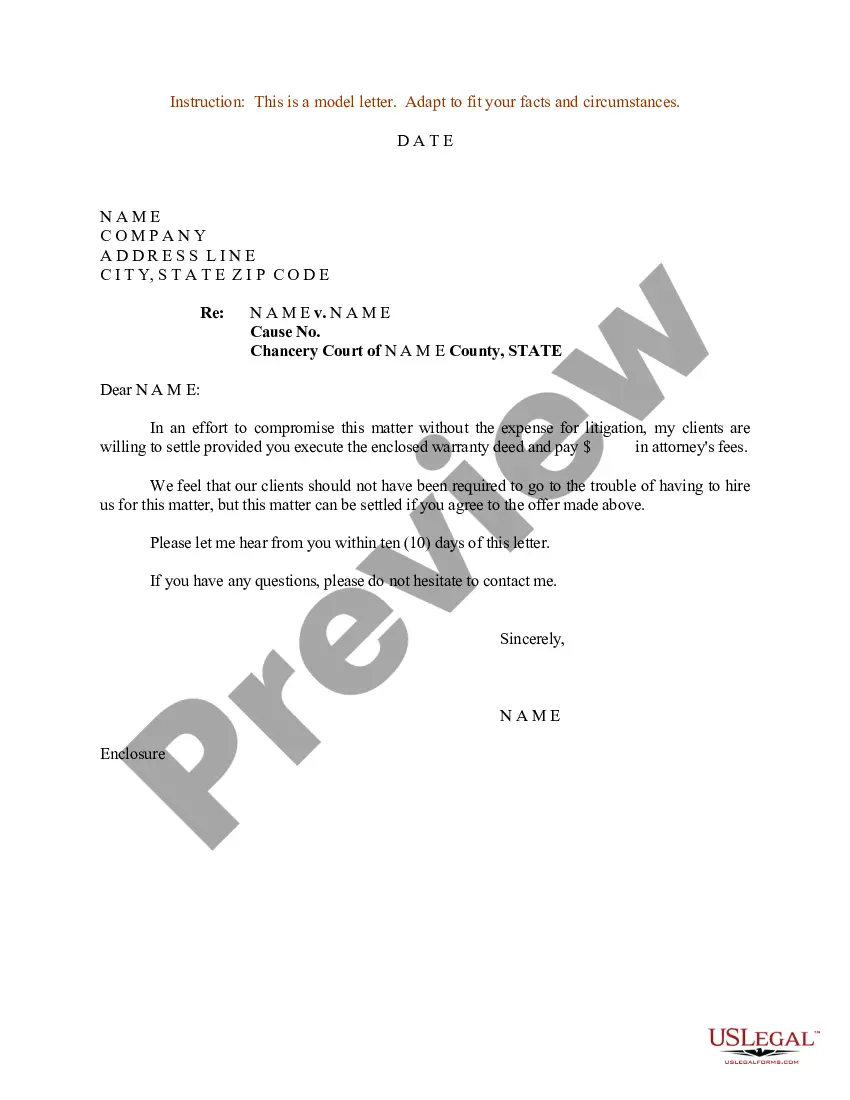
Get your form ready online
Our built-in tools help you complete, sign, share, and store your documents in one place.
Make edits, fill in missing information, and update formatting in US Legal Forms—just like you would in MS Word.
Download a copy, print it, send it by email, or mail it via USPS—whatever works best for your next step.
Sign and collect signatures with our SignNow integration. Send to multiple recipients, set reminders, and more. Go Premium to unlock E-Sign.
If this form requires notarization, complete it online through a secure video call—no need to meet a notary in person or wait for an appointment.
We protect your documents and personal data by following strict security and privacy standards.

Make edits, fill in missing information, and update formatting in US Legal Forms—just like you would in MS Word.

Download a copy, print it, send it by email, or mail it via USPS—whatever works best for your next step.

Sign and collect signatures with our SignNow integration. Send to multiple recipients, set reminders, and more. Go Premium to unlock E-Sign.

If this form requires notarization, complete it online through a secure video call—no need to meet a notary in person or wait for an appointment.

We protect your documents and personal data by following strict security and privacy standards.
Looking for another form?








Form popularity
FAQ
While most builders will accept contingencies for spec homes, they may complicate matters in custom builds. If you want to make sure you sell your existing home before closing on your new one, Orchard can make the process painless and eliminate the need for complicating contingencies.
How long do contingent and pending statuses usually last? In general, a home will remain contingent for 30 to 60 days. Pending offers can also remain for between 30 and 60 days. Currently, the average time to close a house is 42 days.
Many companies make job offers contingent on successfully completing background checks and drug screenings. So, a company can rescind a job offer if any red flags appear—such as a criminal record that conflicts with company policy or a failed drug test.
If you're interested in a property that's listed with an active contingent status, you may still be able to make an offer. While the initial offer will take precedence if all the contingencies are satisfied, making an offer can put you at the head of the line if the original deal falls through.
Contingent offers have higher rates of falling through and as a seller you very well run the risk of losing out on non contingent buyers.
In most cases, putting an offer in on a contingent home is an option to consider. Although it doesn't guarantee you'll close on the home, it does mean you could be first in line should the current contract fall through. Putting an offer in on a contingent home is similar to the homebuying process of any active listing.
It won't hurt anything to look at a house listed as contingent. Nor will it hurt to submit a backup offer, if possible. That said, you should anticipate the original contract going through to close.
In a contingency contract, the task defines exactly what behavior a person must engage in to access the reward. It should include what needs to be done, who must do it, when it must be done and details with how it must be done. It should be very clear and specific for all parties.
How to create a contingency plan Map out essential processes. Create a list of risks for each process. Evaluate the potential impact and likelihood of each risk. Calculate costs and contingency reserves, and identify issues to mitigate. Create a response plan for prioritized events. Test the contingency plan.

