Property Offer To Purchase Document In Orange
Description
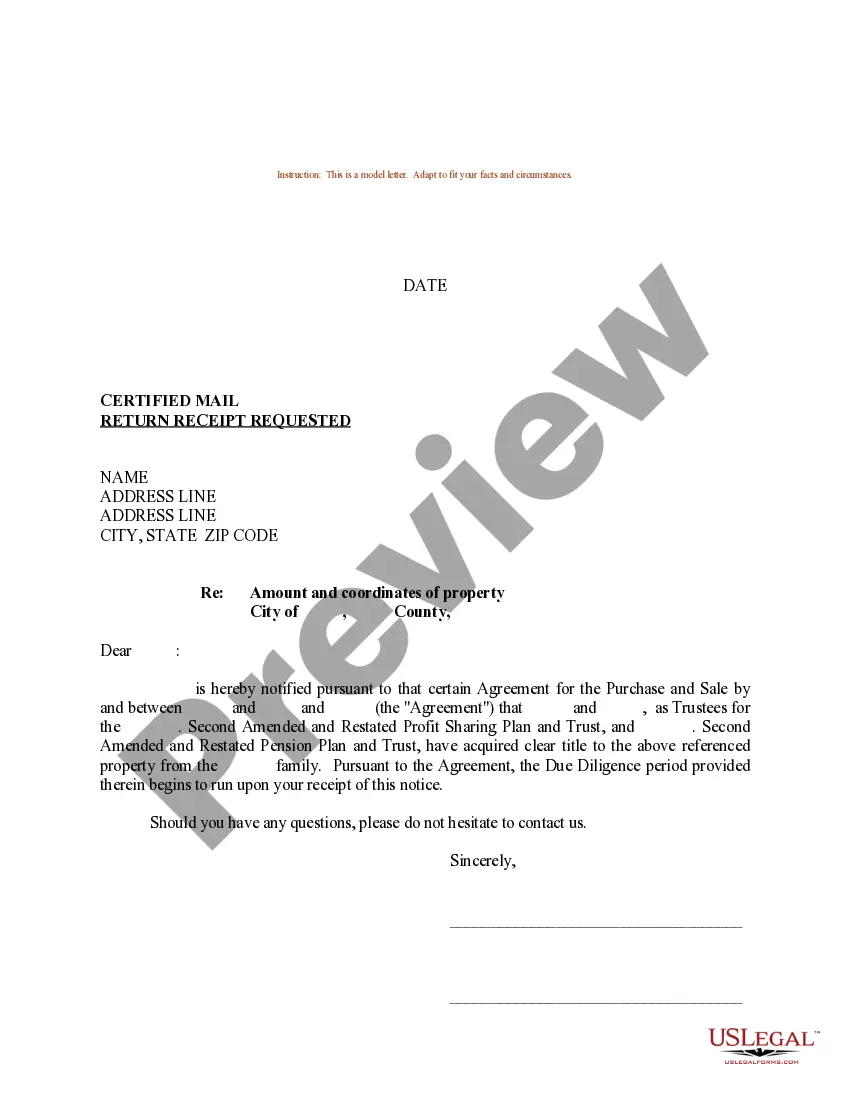
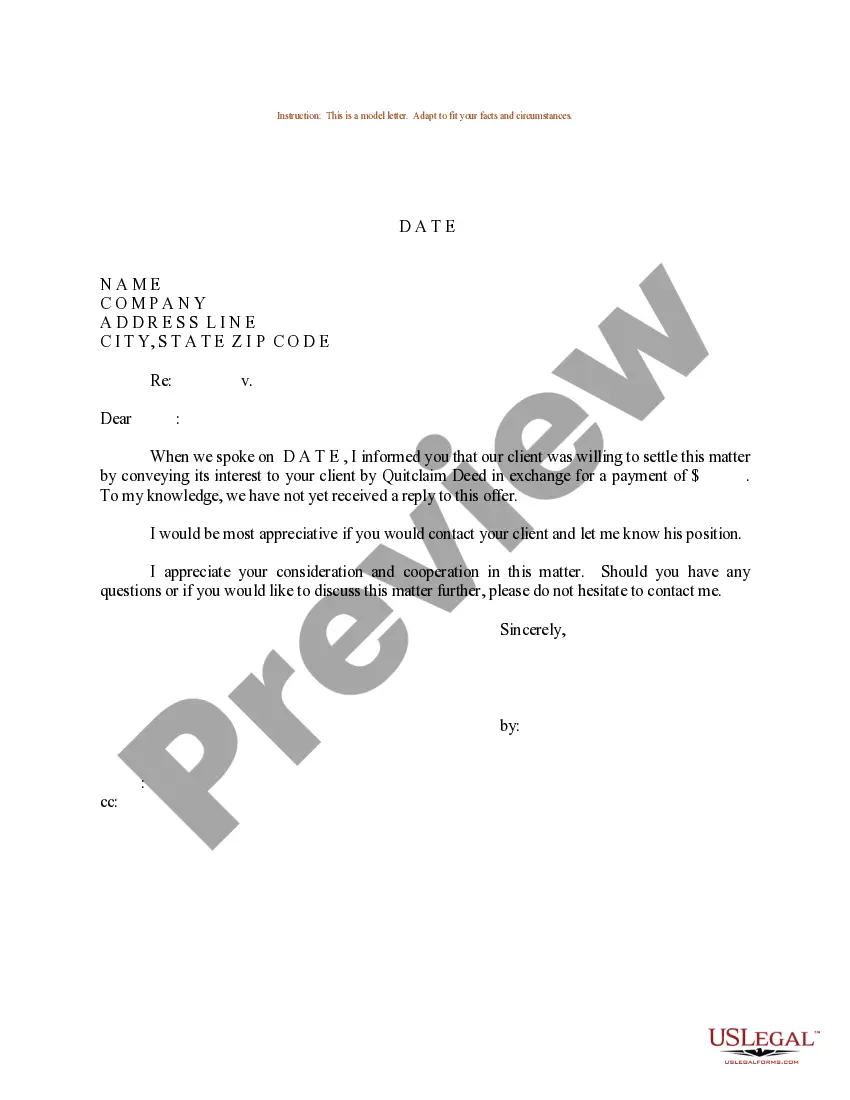
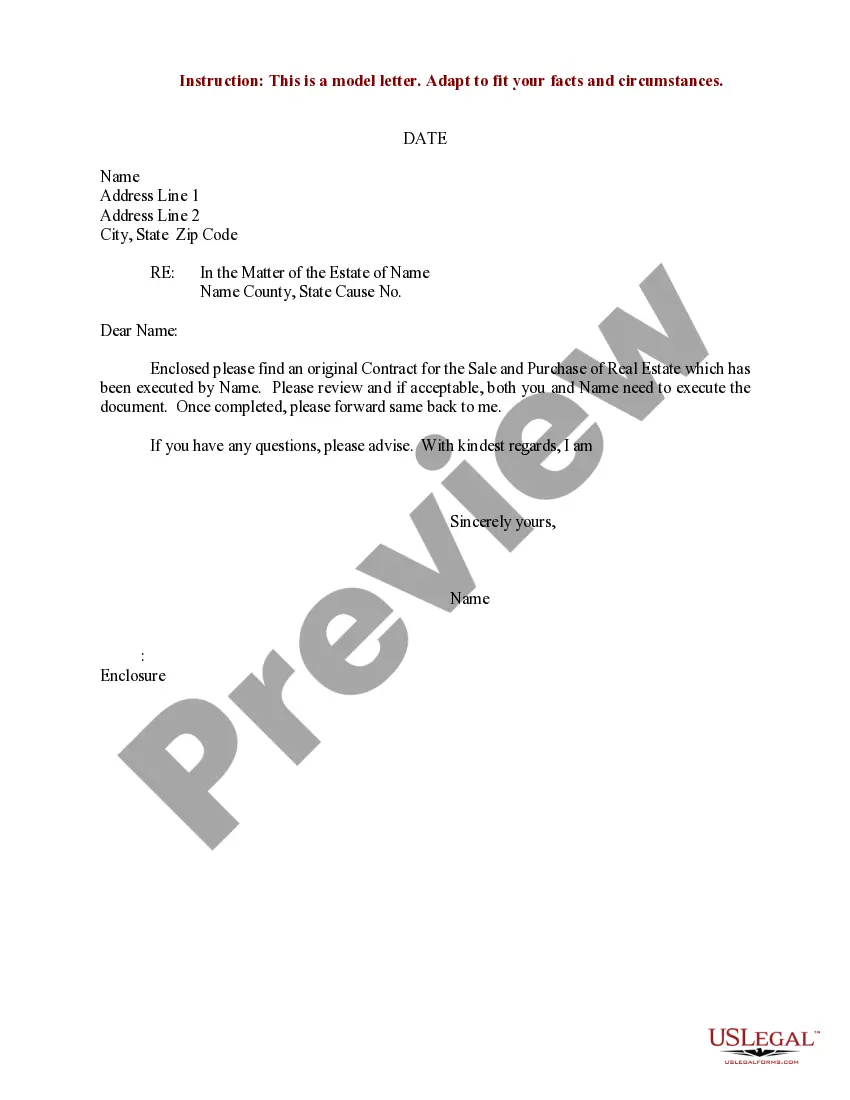
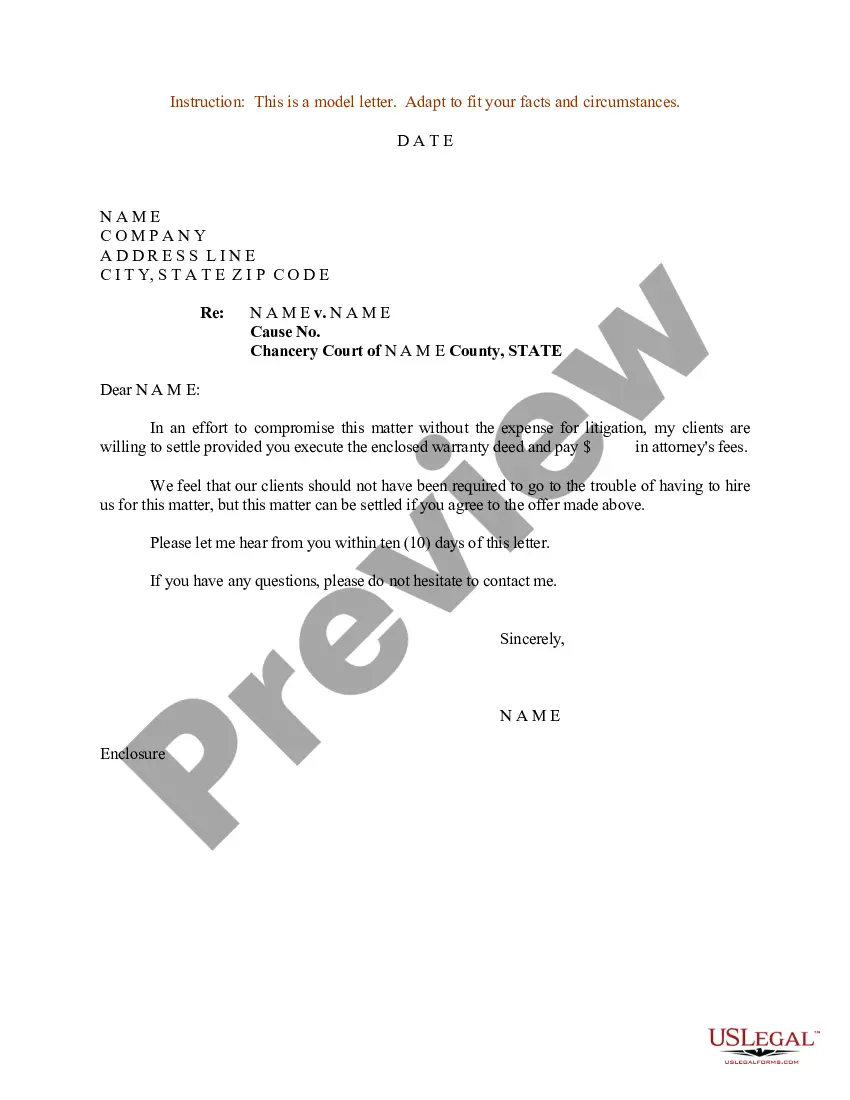
Get your form ready online
Our built-in tools help you complete, sign, share, and store your documents in one place.
Make edits, fill in missing information, and update formatting in US Legal Forms—just like you would in MS Word.
Download a copy, print it, send it by email, or mail it via USPS—whatever works best for your next step.
Sign and collect signatures with our SignNow integration. Send to multiple recipients, set reminders, and more. Go Premium to unlock E-Sign.
If this form requires notarization, complete it online through a secure video call—no need to meet a notary in person or wait for an appointment.
We protect your documents and personal data by following strict security and privacy standards.

Make edits, fill in missing information, and update formatting in US Legal Forms—just like you would in MS Word.

Download a copy, print it, send it by email, or mail it via USPS—whatever works best for your next step.

Sign and collect signatures with our SignNow integration. Send to multiple recipients, set reminders, and more. Go Premium to unlock E-Sign.

If this form requires notarization, complete it online through a secure video call—no need to meet a notary in person or wait for an appointment.

We protect your documents and personal data by following strict security and privacy standards.
Looking for another form?










Form popularity
FAQ
There are four essential elements of forming a contract: offer, acceptance, consideration, and intention to create legal relations. Beyond this, the terms of the contract must also be unambiguous, and the parties must have the mental capacity to agree.
The basic elements required for the agreement to be a legally enforceable contract are: mutual assent, expressed by a valid offer and acceptance; adequate consideration; capacity; and legality.
The Requirements of an Offer The statement of offer must show intent—The statement must reasonably be interpreted to indicate an intention to enter into a binding agreement. The offer must be communicated to the other party—An agreement cannot exist unless the offer is communicated.
Valid Offer: The offer must be clear and specific. Acceptance: The offeree must accept the offer without modifications. Adequate Consideration: There must be a fair exchange of value between the parties. Legality: The contract's purpose must be lawful.
If you want a copy of all the closing documents, check with the title company that handled the closing or your agent that you worked with. Depending on how long ago the sale occurred, they may still have a copy.
A real estate investment proposal typically includes a cover page, an executive summary, an overview of the investment opportunity, details about the property, financial projections, and any legal considerations. Each section should be clearly labeled and organized in a logical format.
Introduce yourself and provide background information. State your purpose for the proposal. Define your goals and objectives. Highlight what sets you apart. Briefly discuss budget and how funds will be used. Finish with a call to action and request a follow-up. Close the letter and provide contact details.
However, the most important documents in real estate are offers, agreements, and contracts between the buyer and seller.
After selling your house, it's essential to retain important documents for tax and legal purposes. Keep copies of the closing statement (HUD-1), deed, settlement statement, any home improvement receipts for potential tax deductions, and records of any warranties or guarantees transferred to the new owner.

