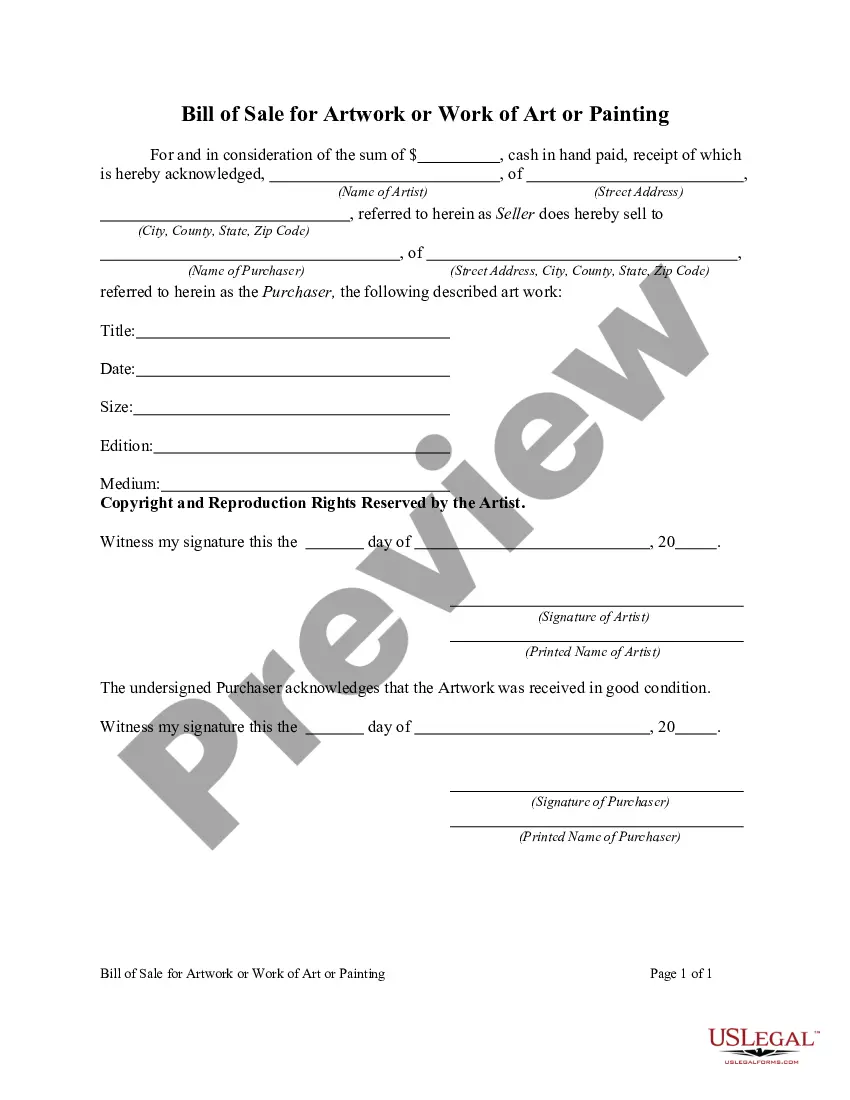
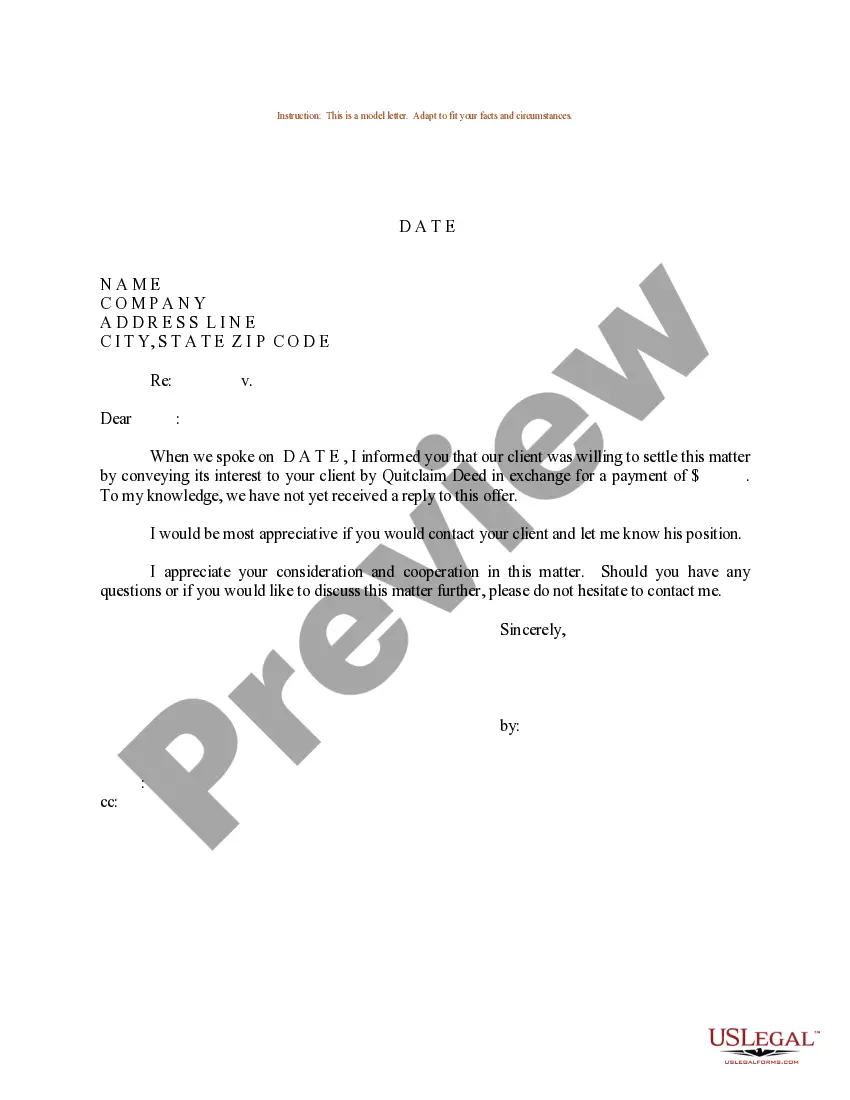
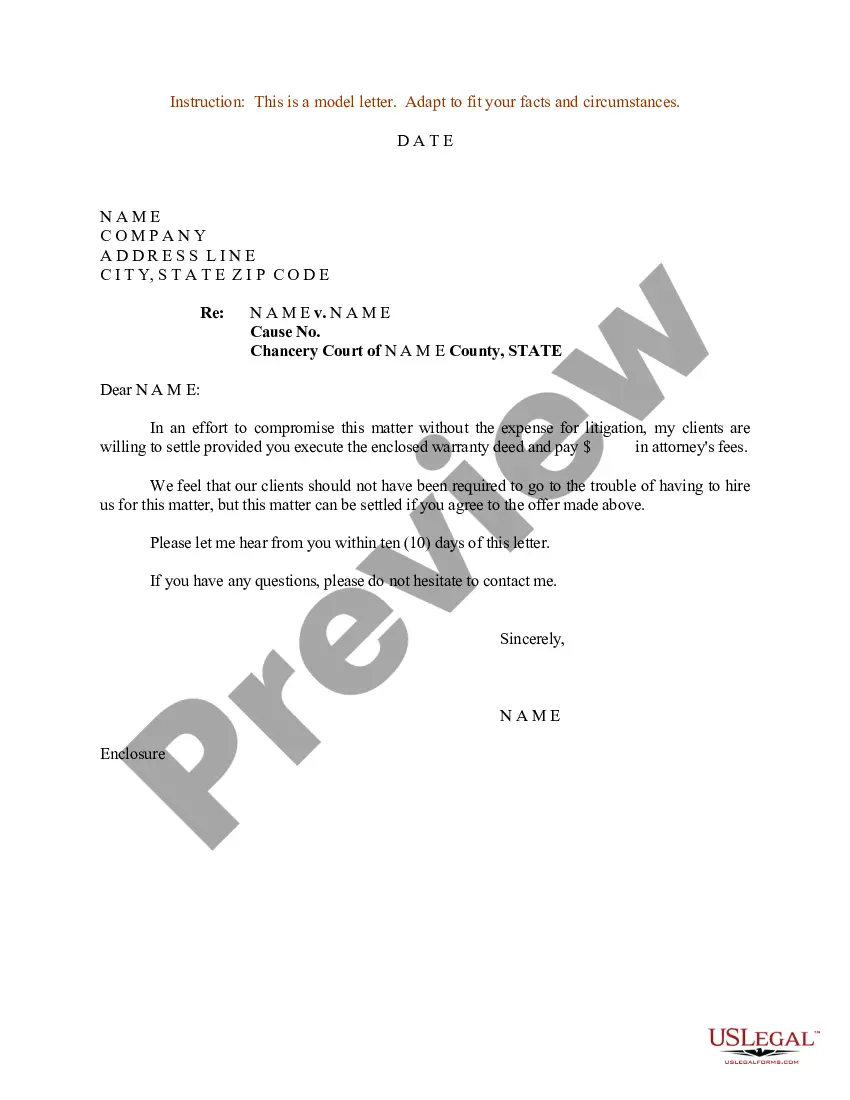
Offer To Sell Land Letter Sample Format In Montgomery
Description
Get your form ready online
Our built-in tools help you complete, sign, share, and store your documents in one place.
Make edits, fill in missing information, and update formatting in US Legal Forms—just like you would in MS Word.
Download a copy, print it, send it by email, or mail it via USPS—whatever works best for your next step.
Sign and collect signatures with our SignNow integration. Send to multiple recipients, set reminders, and more. Go Premium to unlock E-Sign.
If this form requires notarization, complete it online through a secure video call—no need to meet a notary in person or wait for an appointment.
We protect your documents and personal data by following strict security and privacy standards.

Make edits, fill in missing information, and update formatting in US Legal Forms—just like you would in MS Word.

Download a copy, print it, send it by email, or mail it via USPS—whatever works best for your next step.

Sign and collect signatures with our SignNow integration. Send to multiple recipients, set reminders, and more. Go Premium to unlock E-Sign.

If this form requires notarization, complete it online through a secure video call—no need to meet a notary in person or wait for an appointment.

We protect your documents and personal data by following strict security and privacy standards.
Looking for another form?









Form popularity
FAQ
Your letter should explain why you're interested in buying the house and include details regarding your mortgage financing and expected closing date. Often, the key to writing the best offer letter is finding a way to connect with the seller on a personal level.
Tips For Writing An Offer Letter For a House Confirm You Can Submit A Letter. Address The Seller(s) By Name And Introduce Yourself. Highlight What You Like Best About The House. Keep It Short. Avoid Talking About Planned Changes To The House. Don't Talk About Financials. End With A Thank You. Proofread Your Letter.
How to Write an LOI in Commercial Real Estate Structure it like a letter. Write the opening paragraph. State the parties involved. Draft a property description. Outline the terms of the offer. Include disclaimers. Conclude with a closing statement.
In a homebuyers letter, thank the seller for their time and thoroughly proofread what you've written. Choose a Format. Some letters to sellers are handwritten. Build a Connection. Keep It Short. Stay Positive. Show, Don't Tell. Include Your Offer Plans. Leave Out Your Remodeling Plans. Finish Strong.
Consider Their Timeline: Be patient and willing to work within their timeframe, whether they want to sell quickly or take their time. Establish Rapport: Build a relationship based on trust. Be transparent about your intentions and respectful of their feelings about the property.
Sellers are do not want to wade through pages of your personal history. Instead, try to keep the letter to a single page, even if that means a lot of editing. Focus on two or three of the most important reasons why you are the best buyer for the home and leave out the fluff.
Consider working with a financial advisor as you make the decision to invest in a real estate asset. Address the Seller By Name. Highlight What You Like Most About the Home. Share Something About Yourself. Throw in a Personal Picture. Discuss What You Have in Common. Keep it Short. Close the Letter Appropriately.
Structuring the Letter Introduction. Start with the purpose of your letter - your land is for sale and you're notifying nearby landowners. Description. Include a brief description with what you know about the land. Include an Image. They say a picture's worth a thousand words, which holds here. Contact Info.