Real Estate Offer Form Massachusetts In King
Description
Get your form ready online
Our built-in tools help you complete, sign, share, and store your documents in one place.
Make edits, fill in missing information, and update formatting in US Legal Forms—just like you would in MS Word.
Download a copy, print it, send it by email, or mail it via USPS—whatever works best for your next step.
Sign and collect signatures with our SignNow integration. Send to multiple recipients, set reminders, and more. Go Premium to unlock E-Sign.
If this form requires notarization, complete it online through a secure video call—no need to meet a notary in person or wait for an appointment.
We protect your documents and personal data by following strict security and privacy standards.

Make edits, fill in missing information, and update formatting in US Legal Forms—just like you would in MS Word.

Download a copy, print it, send it by email, or mail it via USPS—whatever works best for your next step.

Sign and collect signatures with our SignNow integration. Send to multiple recipients, set reminders, and more. Go Premium to unlock E-Sign.

If this form requires notarization, complete it online through a secure video call—no need to meet a notary in person or wait for an appointment.

We protect your documents and personal data by following strict security and privacy standards.
Looking for another form?




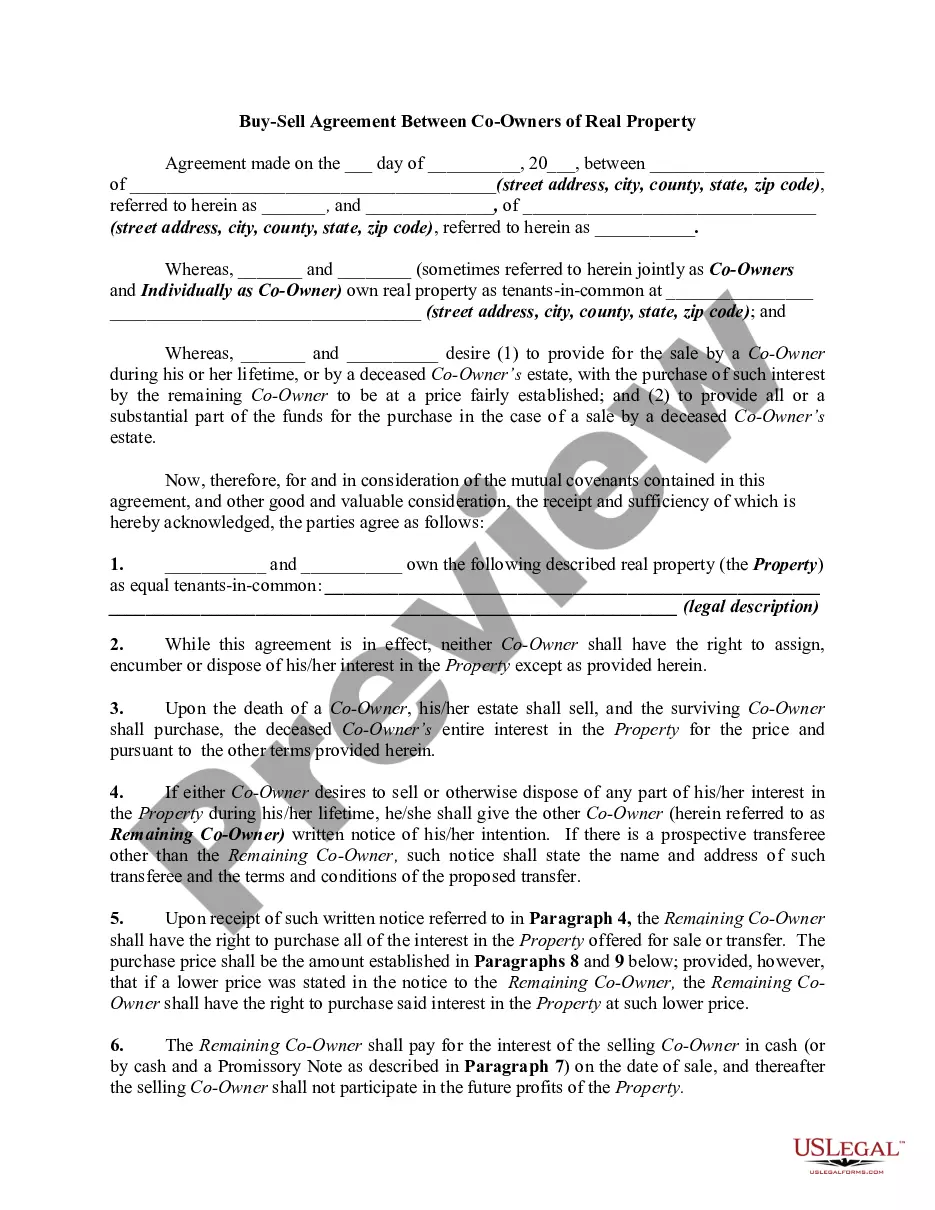
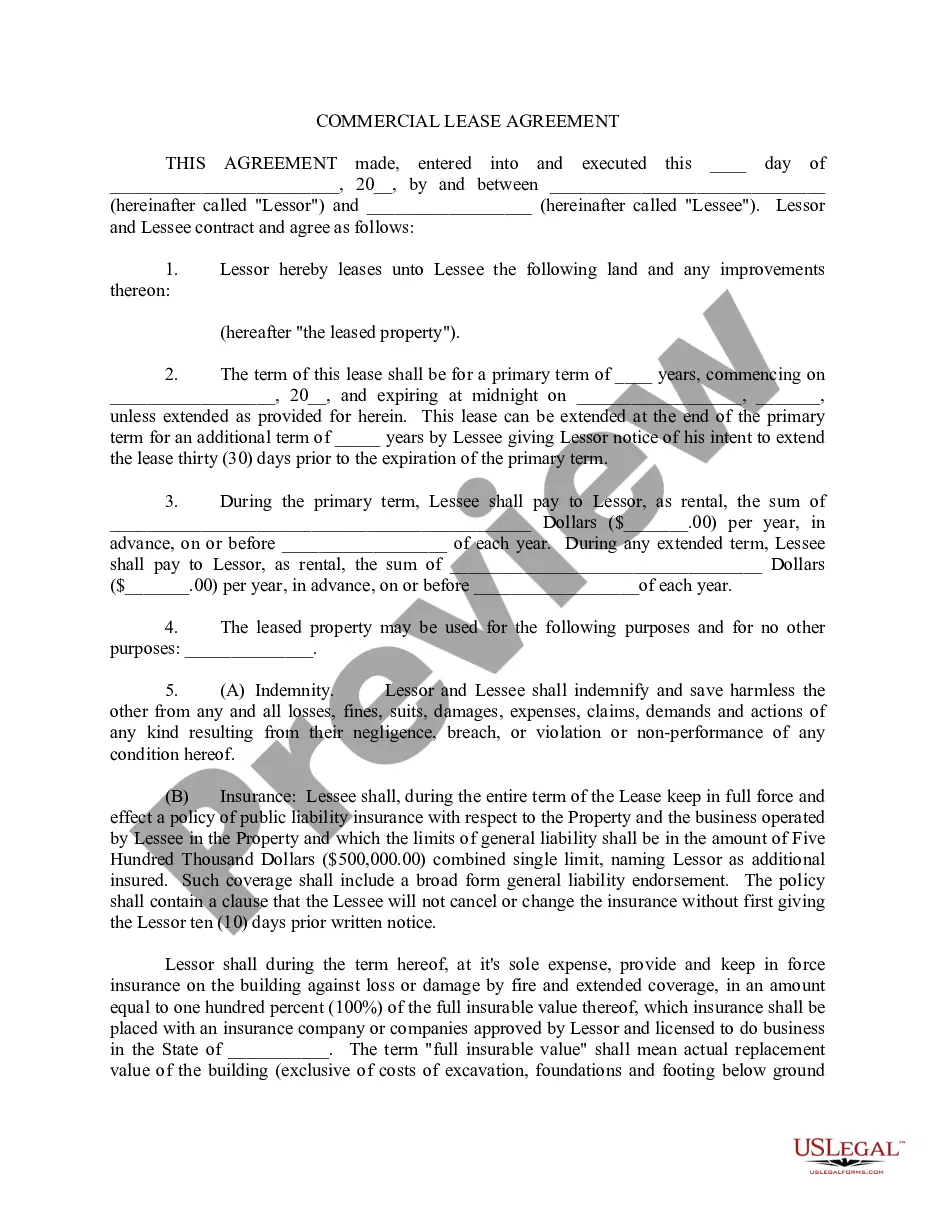
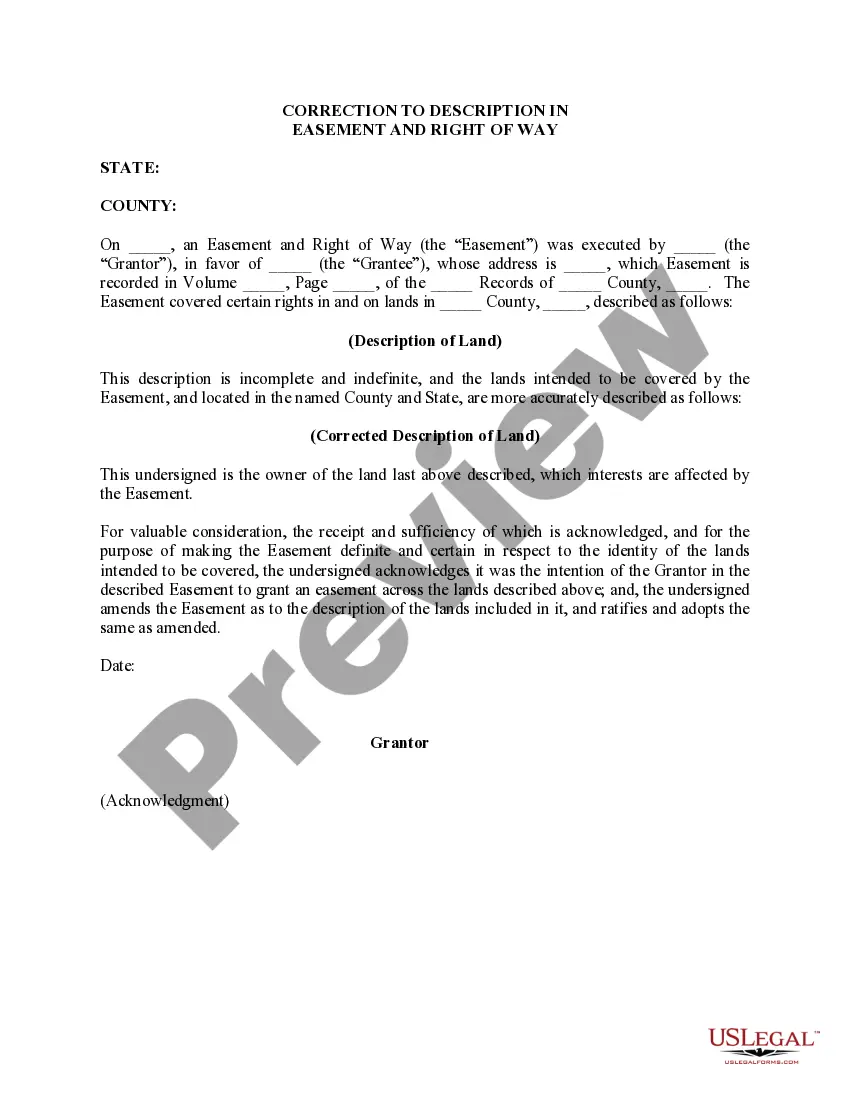
Form popularity
FAQ
Who signs the P&S first? The tradition and custom in Eastern Massachusetts is for the Buyer to sign it first. Legally speaking, this may not matter as it is not a valid contract until both parties sign.
Typically, formal offers are sent by the buyer's broker to the seller's broker in writing via email. In some cases, a buyer will also write a personal note to the seller to send along with it. That letter is known as a house offer letter.
Justify Your Offer: When presenting a low offer, explain your reasoning based on your research. Highlight any repairs needed, market conditions, or other relevant factors. Use a Range: Instead of a single lowball figure, present a range. This gives the seller room to negotiate while still keeping your offer low.
Typically, when a seller rejects your offer they come back with a counteroffer to potentially negotiate a deal that works better for them. If your offer is rejected without a counter, it might mean that your offer was too low to be considered by the seller.
Many REALTORS® contact the National Association looking for real estate forms. Forms are state specific because real estate laws vary significantly from state to state. Therefore, forms are usually provided by your state and/or local association of REALTORS®.
Legally speaking, there isn't a time frame for sellers to respond to your offer. However, it's an unspoken rule in the industry that sellers and/or the listing agents should respond within a few days, with 48 hours as the norm.
If the buyer is not working with a real estate agent and does not have representation, the offer would come directly from the buyer. Represented buyers can also write their own offer letter and have their agent submit it for them.
Tips For Writing An Offer Letter For a House Confirm You Can Submit A Letter. Address The Seller(s) By Name And Introduce Yourself. Highlight What You Like Best About The House. Keep It Short. Avoid Talking About Planned Changes To The House. Don't Talk About Financials. End With A Thank You. Proofread Your Letter.

