Offer Your Property For Lease Philippines In Harris
Description
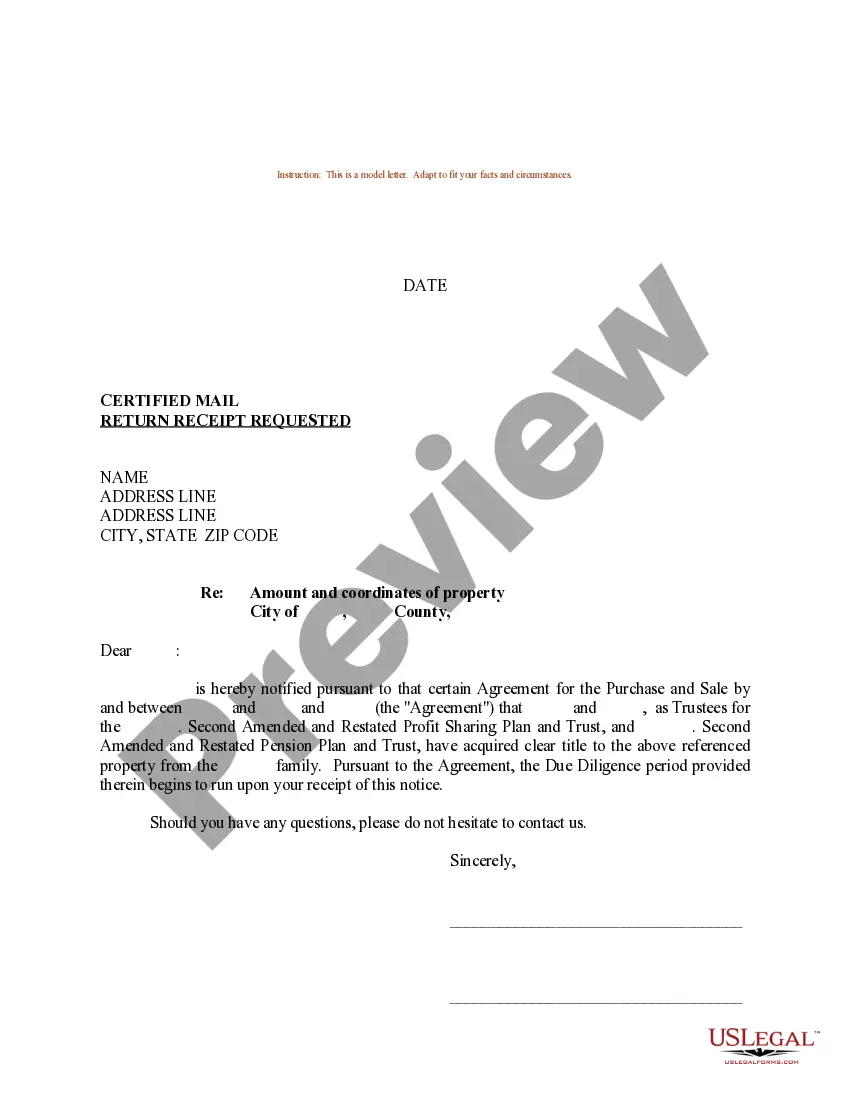
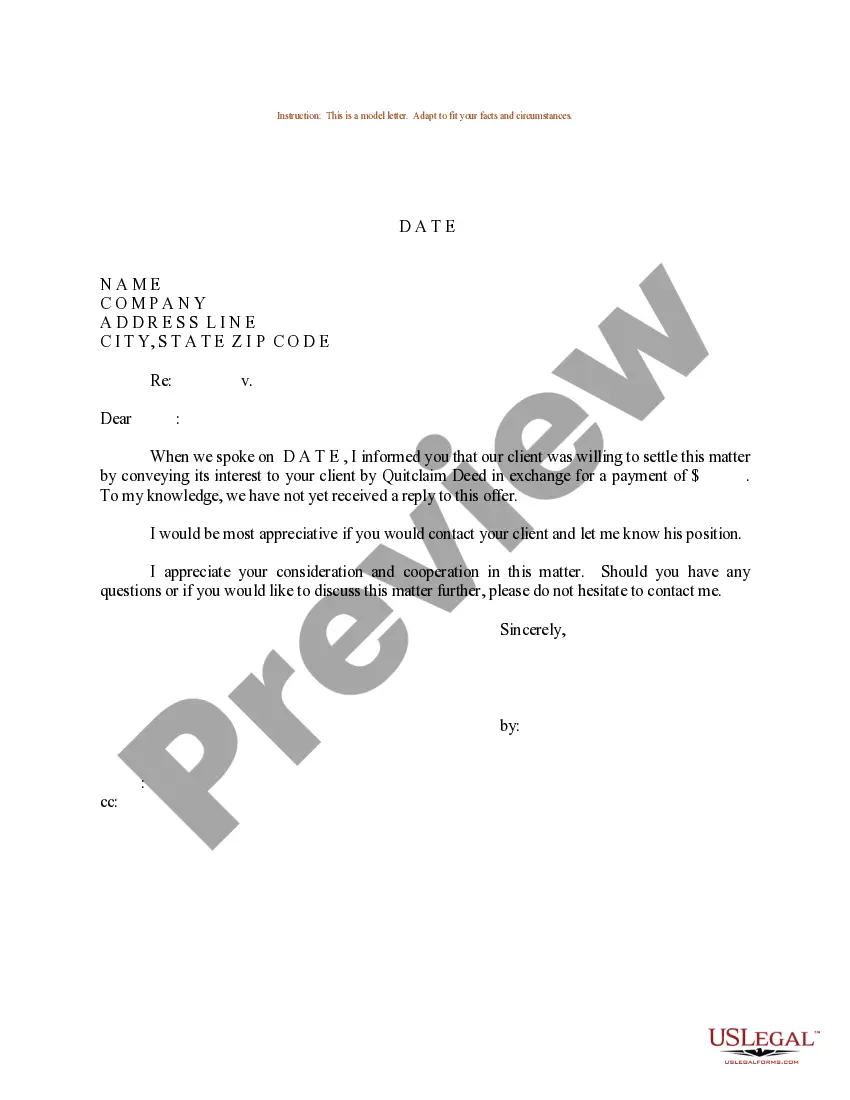
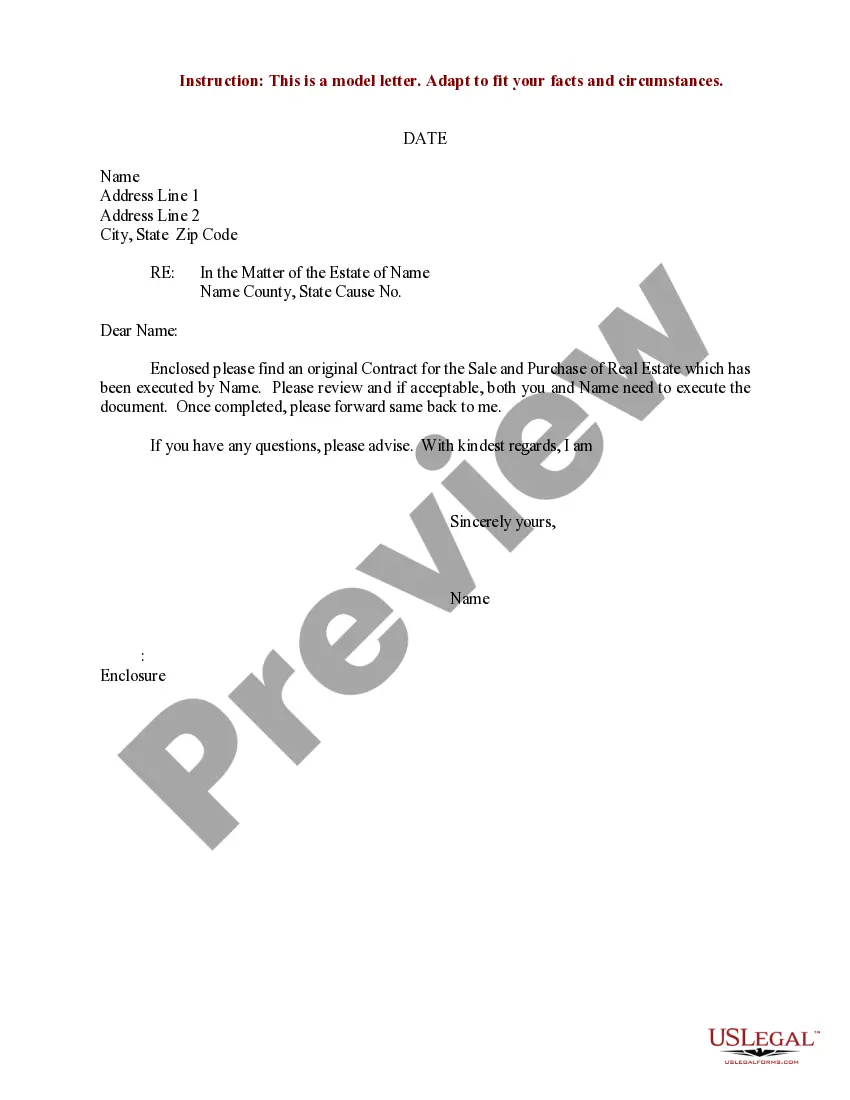

Get your form ready online
Our built-in tools help you complete, sign, share, and store your documents in one place.
Make edits, fill in missing information, and update formatting in US Legal Forms—just like you would in MS Word.
Download a copy, print it, send it by email, or mail it via USPS—whatever works best for your next step.
Sign and collect signatures with our SignNow integration. Send to multiple recipients, set reminders, and more. Go Premium to unlock E-Sign.
If this form requires notarization, complete it online through a secure video call—no need to meet a notary in person or wait for an appointment.
We protect your documents and personal data by following strict security and privacy standards.

Make edits, fill in missing information, and update formatting in US Legal Forms—just like you would in MS Word.

Download a copy, print it, send it by email, or mail it via USPS—whatever works best for your next step.

Sign and collect signatures with our SignNow integration. Send to multiple recipients, set reminders, and more. Go Premium to unlock E-Sign.

If this form requires notarization, complete it online through a secure video call—no need to meet a notary in person or wait for an appointment.

We protect your documents and personal data by following strict security and privacy standards.
Looking for another form?


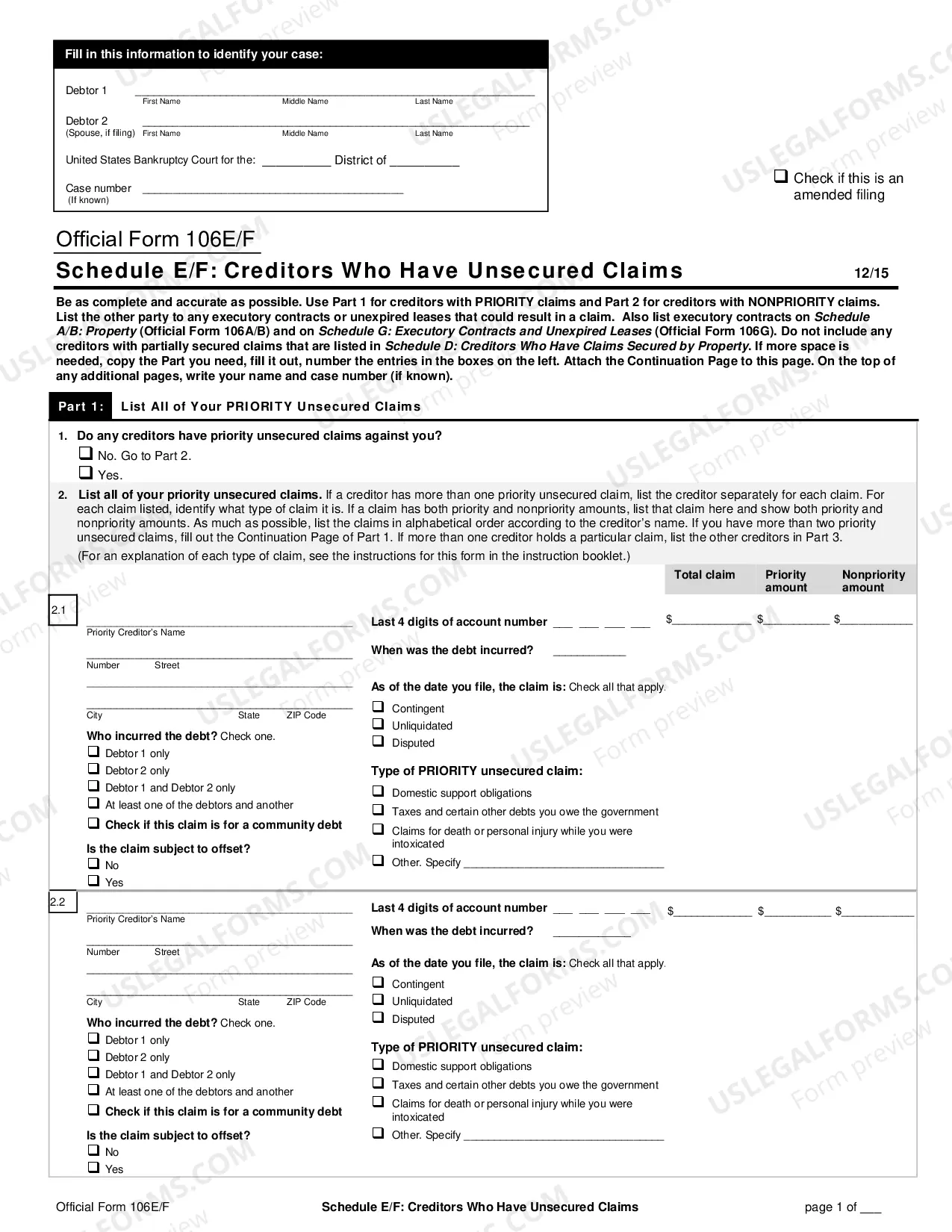






Form popularity
FAQ
Key Legal Requirements for Lease Agreements in the Philippines The Importance of a Written Lease Agreement. Security Deposit Regulations Explained. Navigating Rent Control Laws. Timely Rent Payments: A Must for Both Parties. Understanding the Notice of Termination Protocol.
What do you include in an Offer to Lease? Tenant and landlord information: List the individual or organization's name and address. Property information: List the property's address and explain its intended use. Lease term: Confirm the start and finish date as well as the move-in date, if applicable.
7652, also known as the Investor's Lease Act, is the primary legislation enabling long-term leases of private lands to foreigners who qualify as investors. Key features include: Lease Term: Up to 50 years. Renewal Option: The initial lease may be renewed once for up to an additional 25 years.
To sell a house in the Philippines, you will need to follow these steps: Determine the fair market value of your property. Prepare your house for sale. Choose a reputable licensed real estate broker and their accredited salespersons. List your house for sale. Negotiate with potential buyers. Sign a sales contract.
A foreign individual or company can enter into a private lease agreement with the Filipino landowner or a Philippine corporation (at least 60% Filipino-owned). For leases over one year, the law requires registration with the Registry of Deeds.
However, by way of exception, the Investors' Lease Act allows foreign investors to lease private land for industrial or commercial purposes for a term not exceeding 50 years, which is renewable once for another 25 years upon the parties' agreement, for a maximum aggregate term of 75 years.
Leasing: Foreigners and foreign corporations may lease agricultural land within the duration limits (50 years, renewable for 25). Agrarian Constraints: Even for Filipino-owned entities, agricultural lands are subject to agrarian reform laws — limiting size, use, and enforceable transfer/lease conditions.
11534, otherwise known as the Corporate Recovery and Incentives for Enterprises or CREATE Act.” The proposed law provides that any foreign investor investing in the Philippines shall be allowed to lease private lands subject to the following conditions: The lease period is 99 years. 2.
Term Length: Philippine law does not strictly limit the term for local (Filipino-to-Filipino) leases, but constitutional and statutory restrictions apply for foreigners (max 50 years, renewable for 25 years under the Investor's Lease Act).

