Offer To Sell Sample For Driver In Georgia
Description
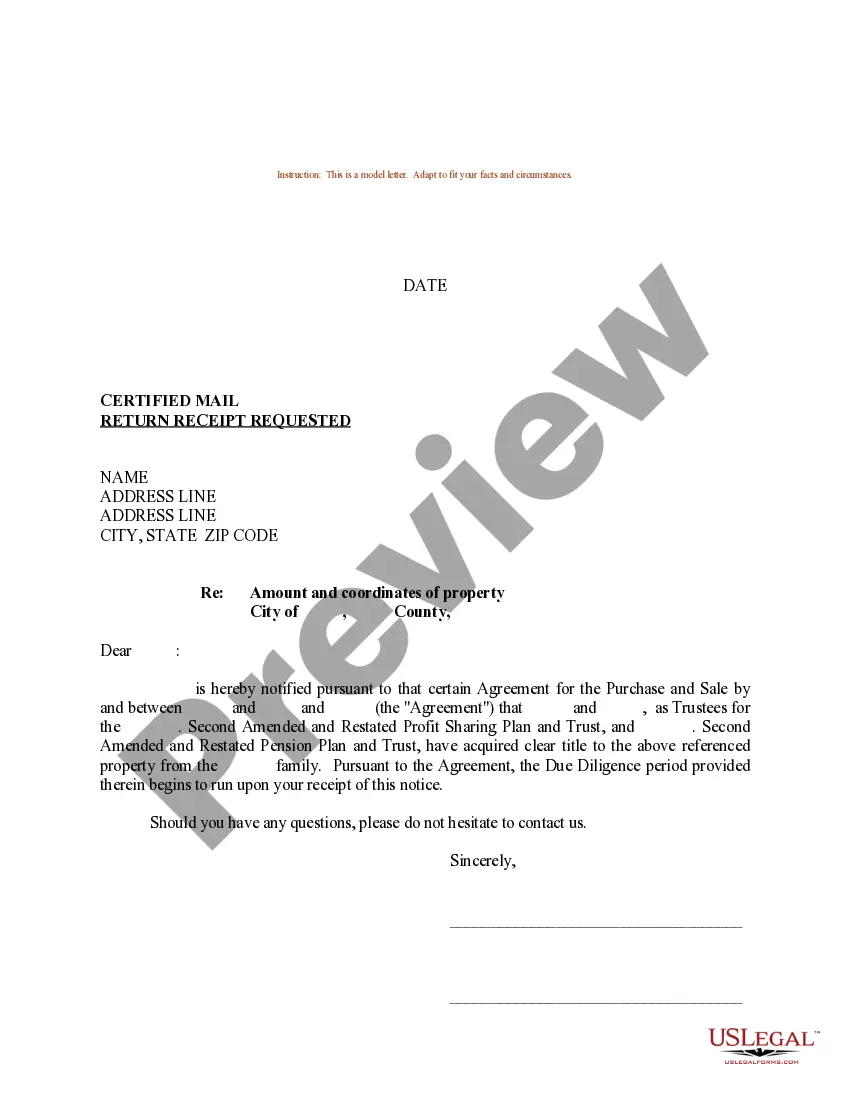
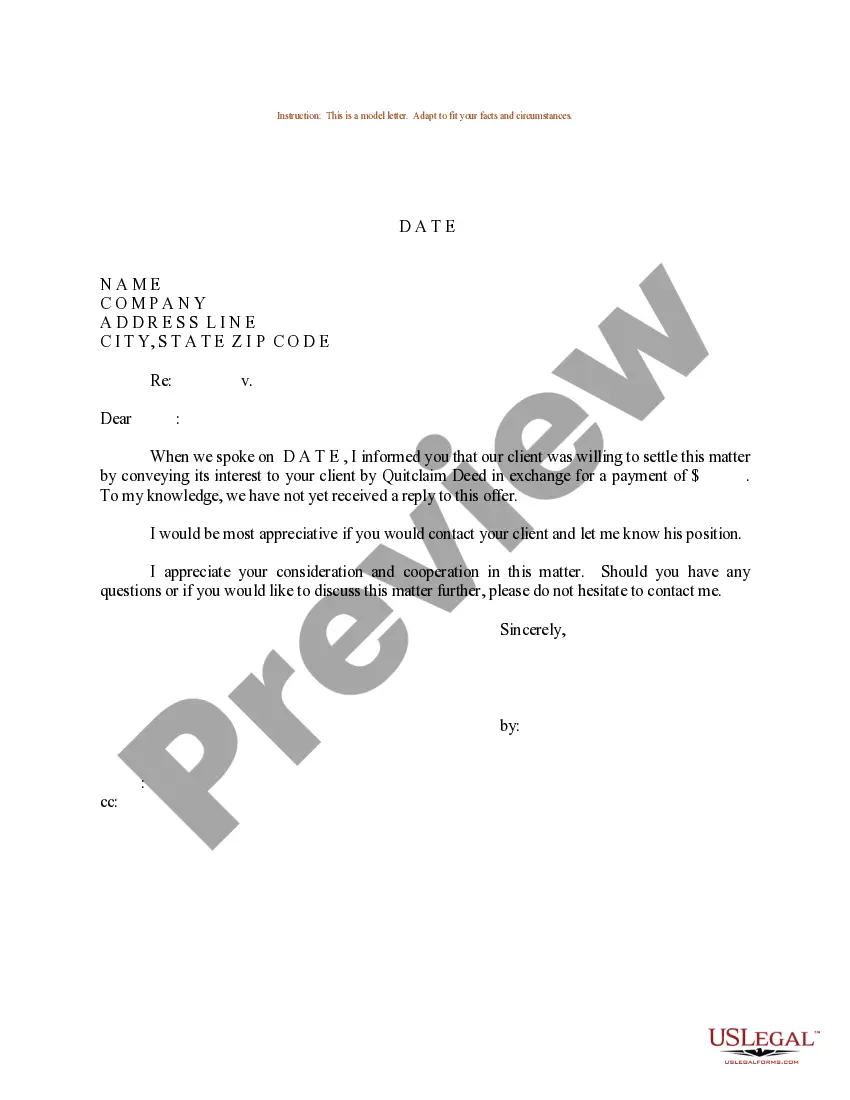
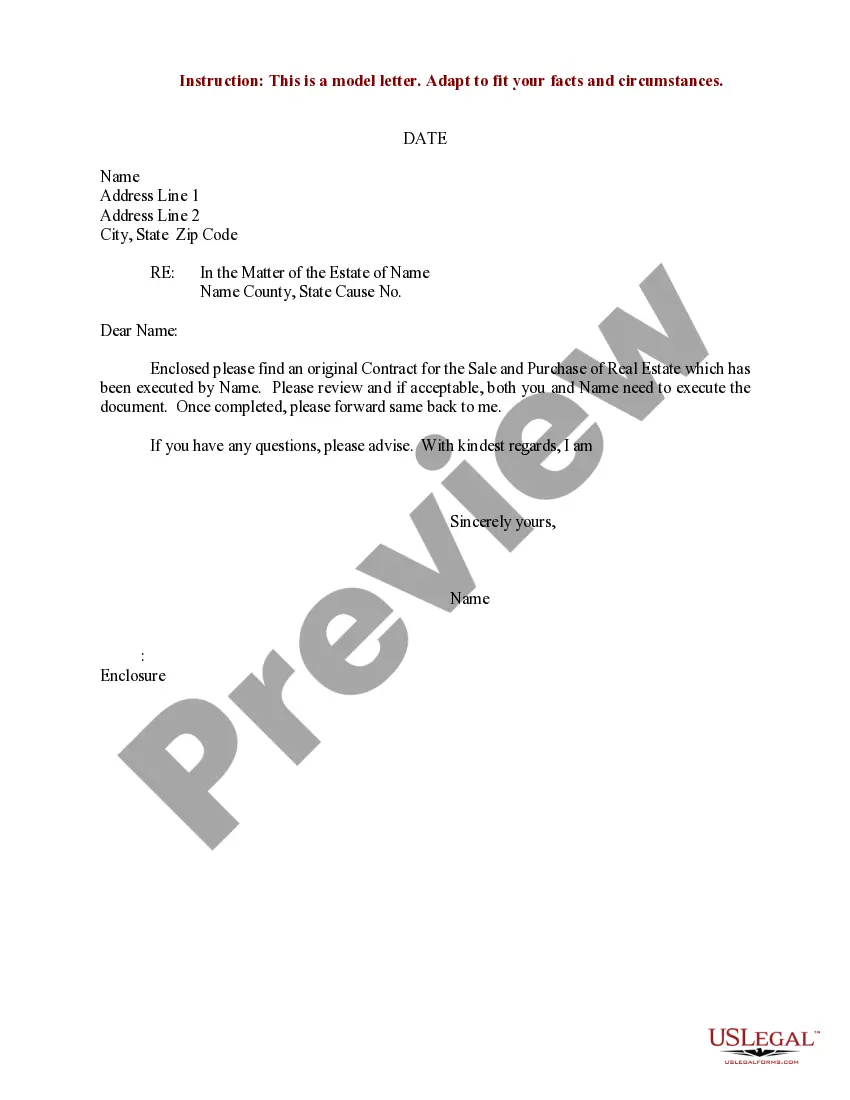
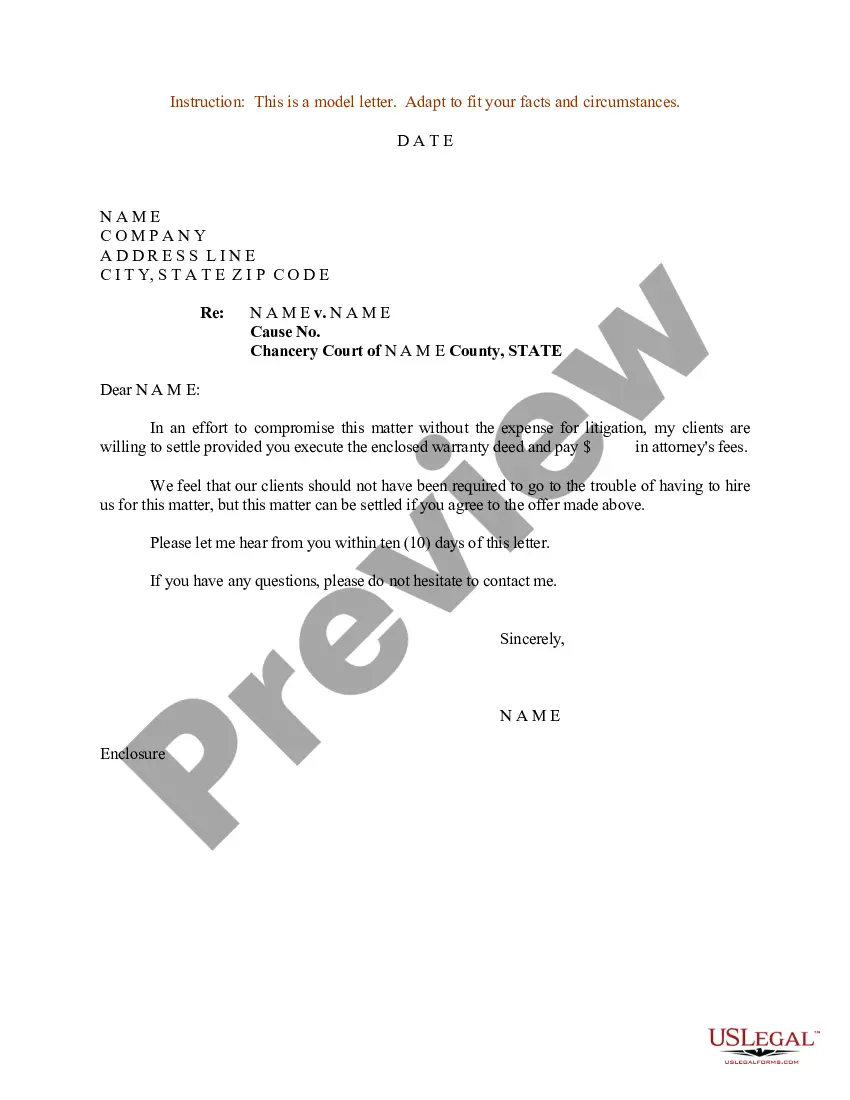
Get your form ready online
Our built-in tools help you complete, sign, share, and store your documents in one place.
Make edits, fill in missing information, and update formatting in US Legal Forms—just like you would in MS Word.
Download a copy, print it, send it by email, or mail it via USPS—whatever works best for your next step.
Sign and collect signatures with our SignNow integration. Send to multiple recipients, set reminders, and more. Go Premium to unlock E-Sign.
If this form requires notarization, complete it online through a secure video call—no need to meet a notary in person or wait for an appointment.
We protect your documents and personal data by following strict security and privacy standards.

Make edits, fill in missing information, and update formatting in US Legal Forms—just like you would in MS Word.

Download a copy, print it, send it by email, or mail it via USPS—whatever works best for your next step.

Sign and collect signatures with our SignNow integration. Send to multiple recipients, set reminders, and more. Go Premium to unlock E-Sign.

If this form requires notarization, complete it online through a secure video call—no need to meet a notary in person or wait for an appointment.

We protect your documents and personal data by following strict security and privacy standards.
Looking for another form?








Form popularity
FAQ
The Georgia Department of Revenue has provided Bill of Sale Form T-7 for use in all private party vehicle transactions. This form can be used as the official document to protect both parties in the case of miscommunication and must be signed by both the buyer and seller.
This form can be used as the official document to protect both parties in the case of miscommunication and must be signed by both the buyer and seller. While not legally required, it may be a good idea to have the Bill of Sale notarized. For more information, visit Georgia's Department of Revenue.
Sell a Motor Vehicle Gather What You'll Need. The vehicle's Certificate of Title. Proof of sale, such as a Bill of Sale (Form T-7) Transfer Ownership of Your Vehicle. Complete the form on the reverse side of the vehicle's title in order to transfer ownership. Next Steps. The title should be given to the vehicle's new owner.
If the vehicle is 1986 or newer you will need the original title, proof of Georgia insurance (insurance dated within the last 30 days) and a Georgia driver's license. If the vehicle is 1985 or older model you will need the Bill of Sale, proof of Georgia insurance and a Georgia drivers license or Georgia ID.
Buying or Selling a Car in Georgia: How to Transfer A Title It is suggested that both the buyer and seller make the trip to the County Tag Office to ensure the transfer of title is completed immediately and is legal. You will need to bring the following to the County Tag Office: A completed Tag/Title Application.
Can you hand write a bill of sale in Georgia? In Georgia, a bill of sale for a car does not need to be notarized. Like the state form provided, any hand-drafted bill of sale will have to contain the following information: The names, contact information, and signatures of the seller and the buyer.
While it is common to present a bill of sale in a digital format, you can also create a handwritten bill of sale. What's most important is to include all of the pertinent details in the bill of sale in order to protect both parties.
If the seller withholds information from the buyer, or misrepresents the value of an item, this may render a bill of sale null and void.
Purchaser's full legal name as it appears on their driver's license or identification card. Purchaser's current address. Date of sale or ownership transfer. Odometer reading at the time of the transfer.

