Property Offer To Purchase Document In Clark
Description
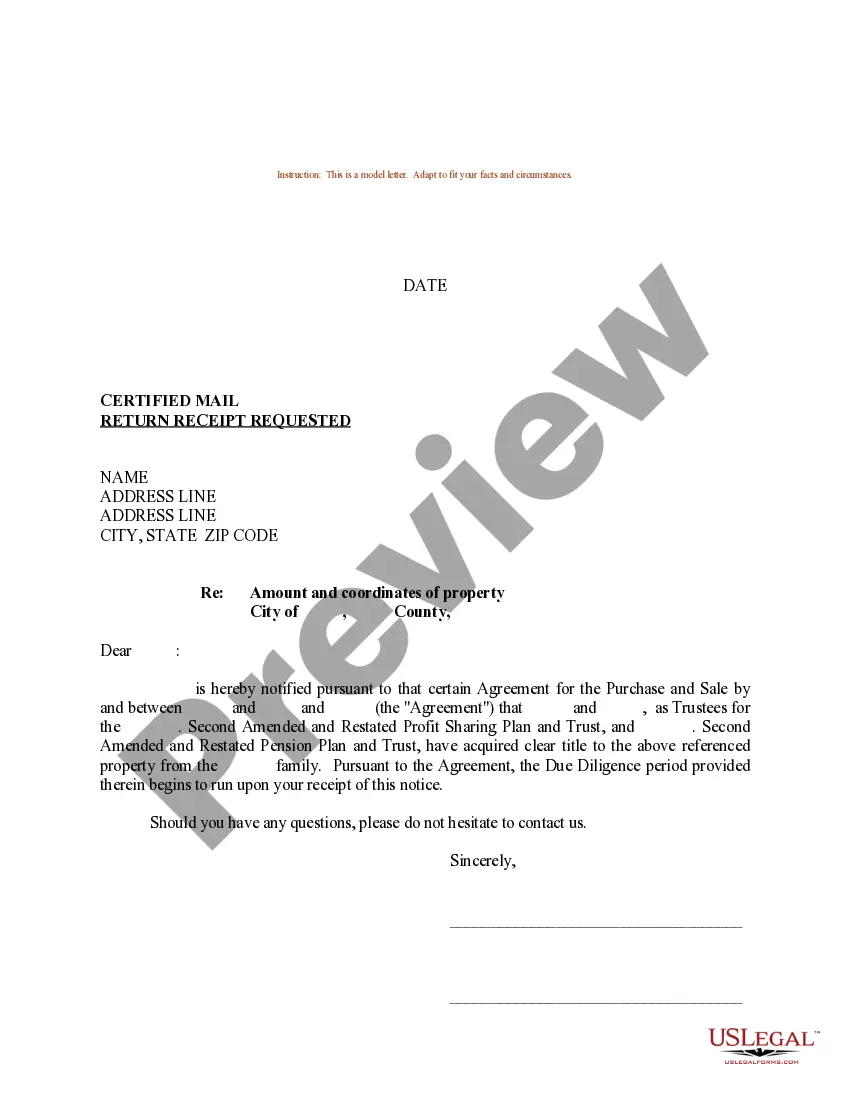
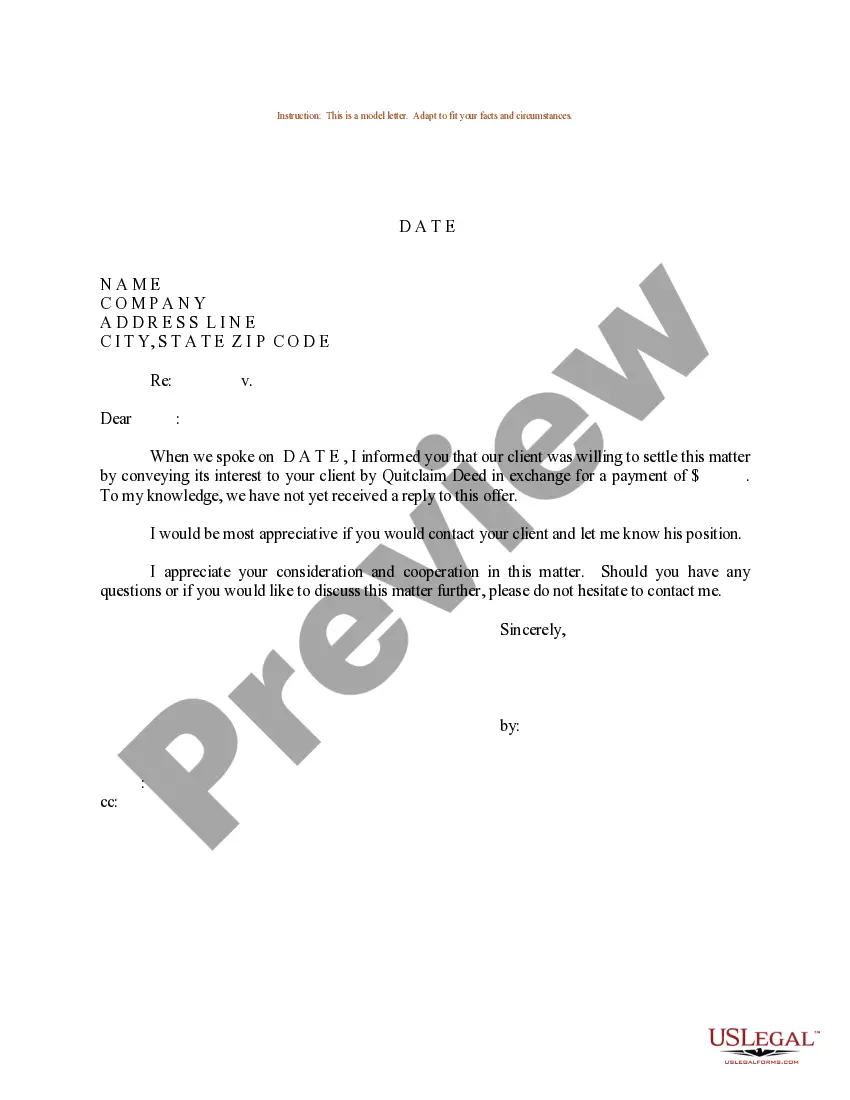
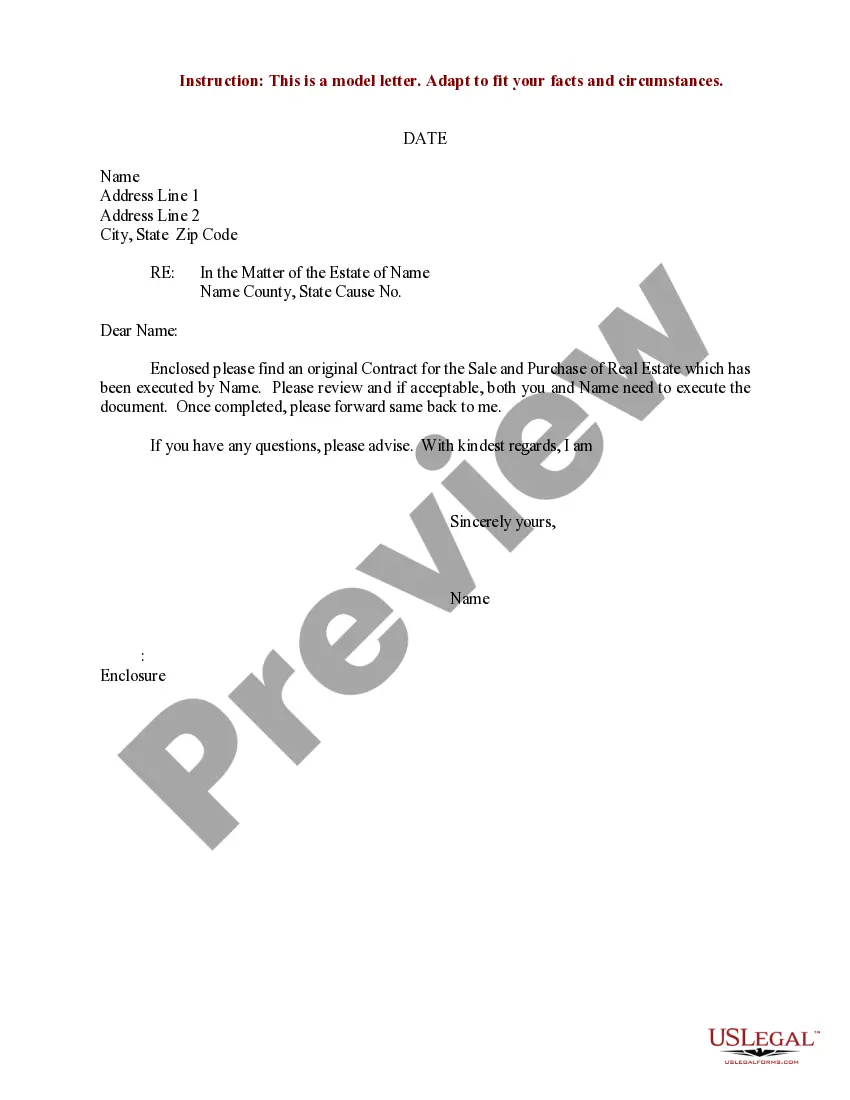
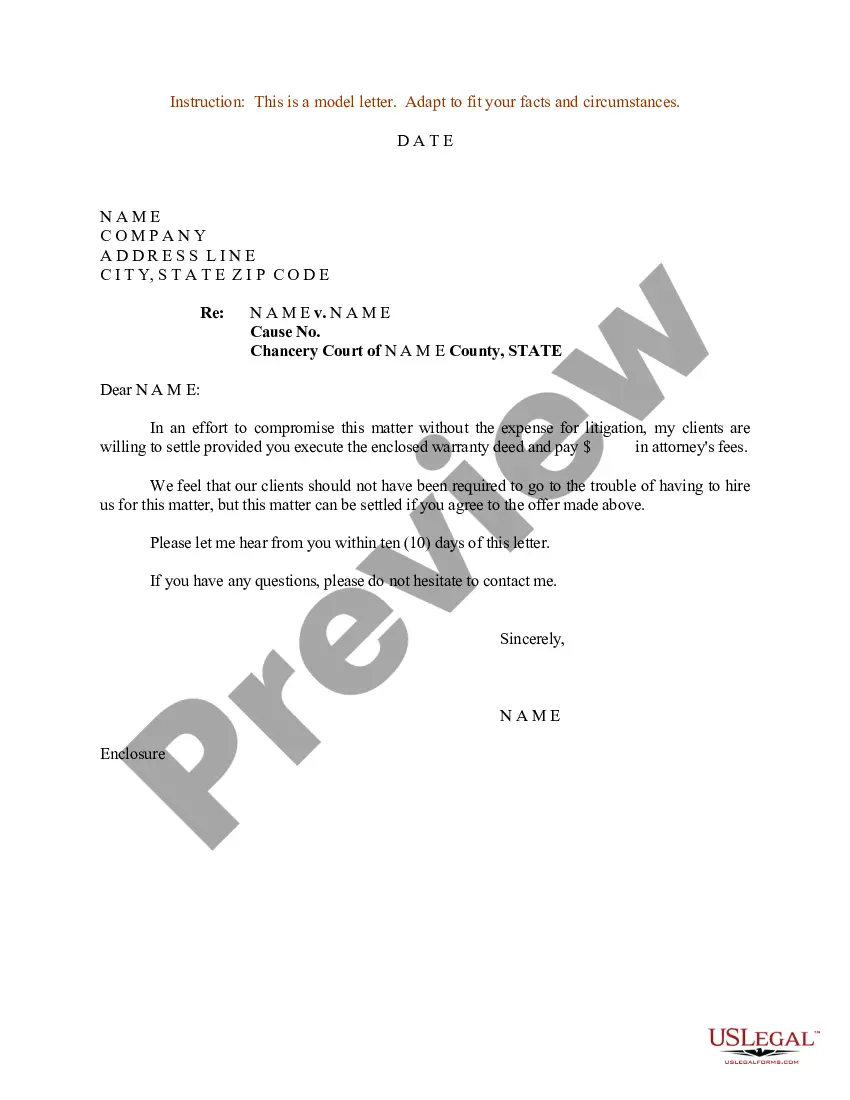
Get your form ready online
Our built-in tools help you complete, sign, share, and store your documents in one place.
Make edits, fill in missing information, and update formatting in US Legal Forms—just like you would in MS Word.
Download a copy, print it, send it by email, or mail it via USPS—whatever works best for your next step.
Sign and collect signatures with our SignNow integration. Send to multiple recipients, set reminders, and more. Go Premium to unlock E-Sign.
If this form requires notarization, complete it online through a secure video call—no need to meet a notary in person or wait for an appointment.
We protect your documents and personal data by following strict security and privacy standards.

Make edits, fill in missing information, and update formatting in US Legal Forms—just like you would in MS Word.

Download a copy, print it, send it by email, or mail it via USPS—whatever works best for your next step.

Sign and collect signatures with our SignNow integration. Send to multiple recipients, set reminders, and more. Go Premium to unlock E-Sign.

If this form requires notarization, complete it online through a secure video call—no need to meet a notary in person or wait for an appointment.

We protect your documents and personal data by following strict security and privacy standards.
Looking for another form?









Form popularity
FAQ
However, the most important documents in real estate are offers, agreements, and contracts between the buyer and seller.
Tips For Writing An Offer Letter For a House Confirm You Can Submit A Letter. Address The Seller(s) By Name And Introduce Yourself. Highlight What You Like Best About The House. Keep It Short. Avoid Talking About Planned Changes To The House. Don't Talk About Financials. End With A Thank You. Proofread Your Letter.
An 'Agreement' is a written document outlining some contractual relationship, an exchange of promises, a performance of some action or grants some right signed by and between one or more parties. In essence, an Agreement is less formal than a contract.
There are three main sections to every real estate contract: Finding a property and making an offer. Negotiating, accepting, or rejecting the offer. Closing the transaction.
However, the most important documents in real estate are offers, agreements, and contracts between the buyer and seller.
After selling your house, it's essential to retain important documents for tax and legal purposes. Keep copies of the closing statement (HUD-1), deed, settlement statement, any home improvement receipts for potential tax deductions, and records of any warranties or guarantees transferred to the new owner.

