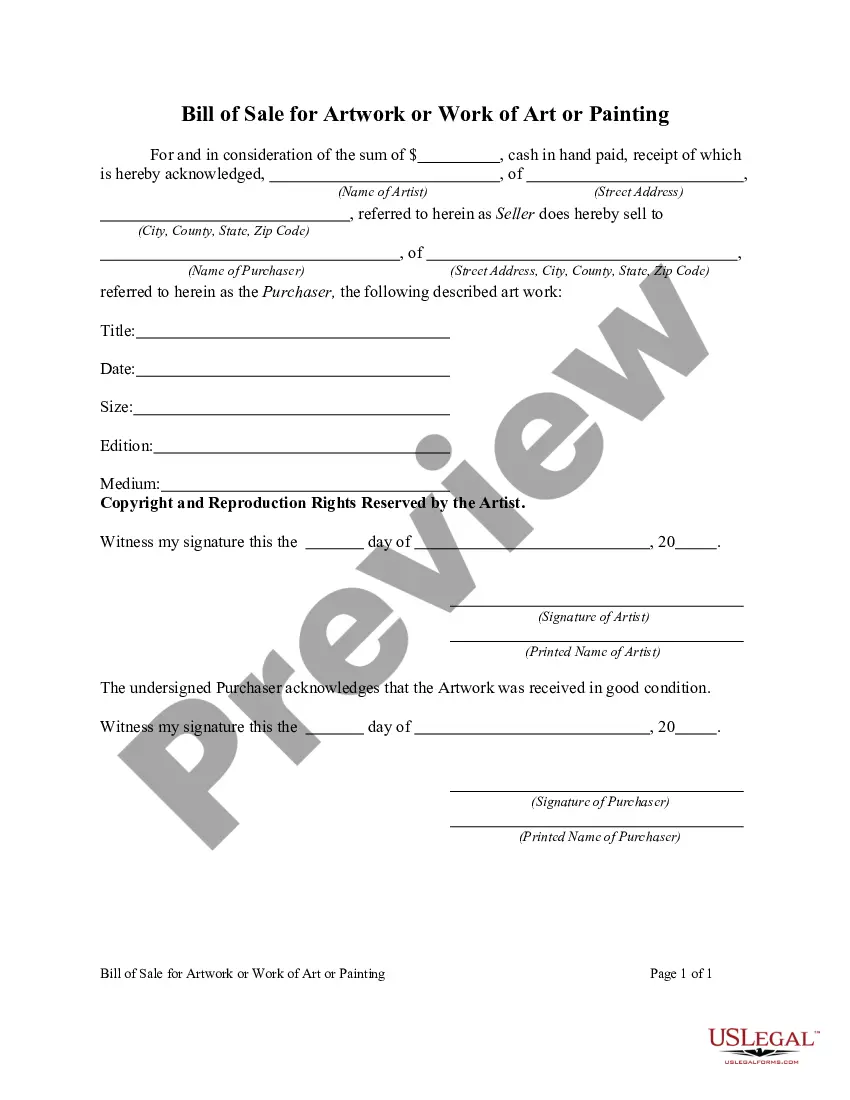
Offer To Sell Sample With Probationary Period In Broward
Description
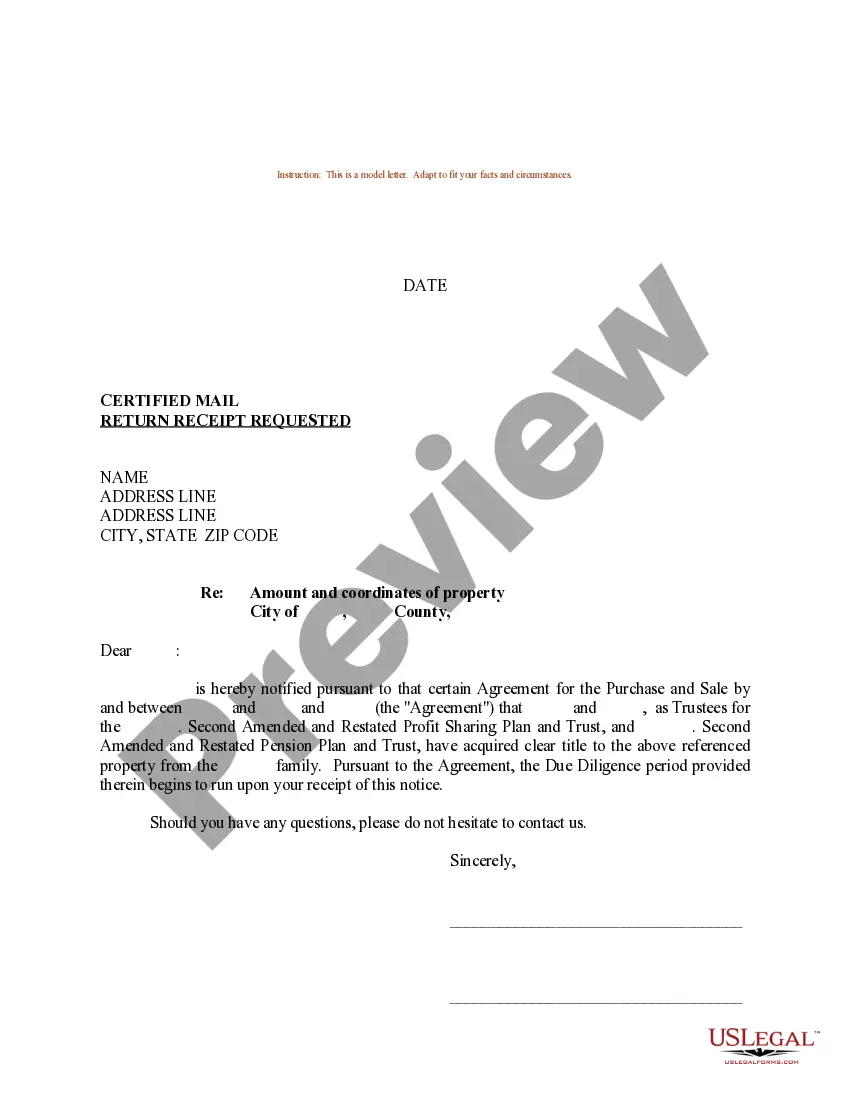
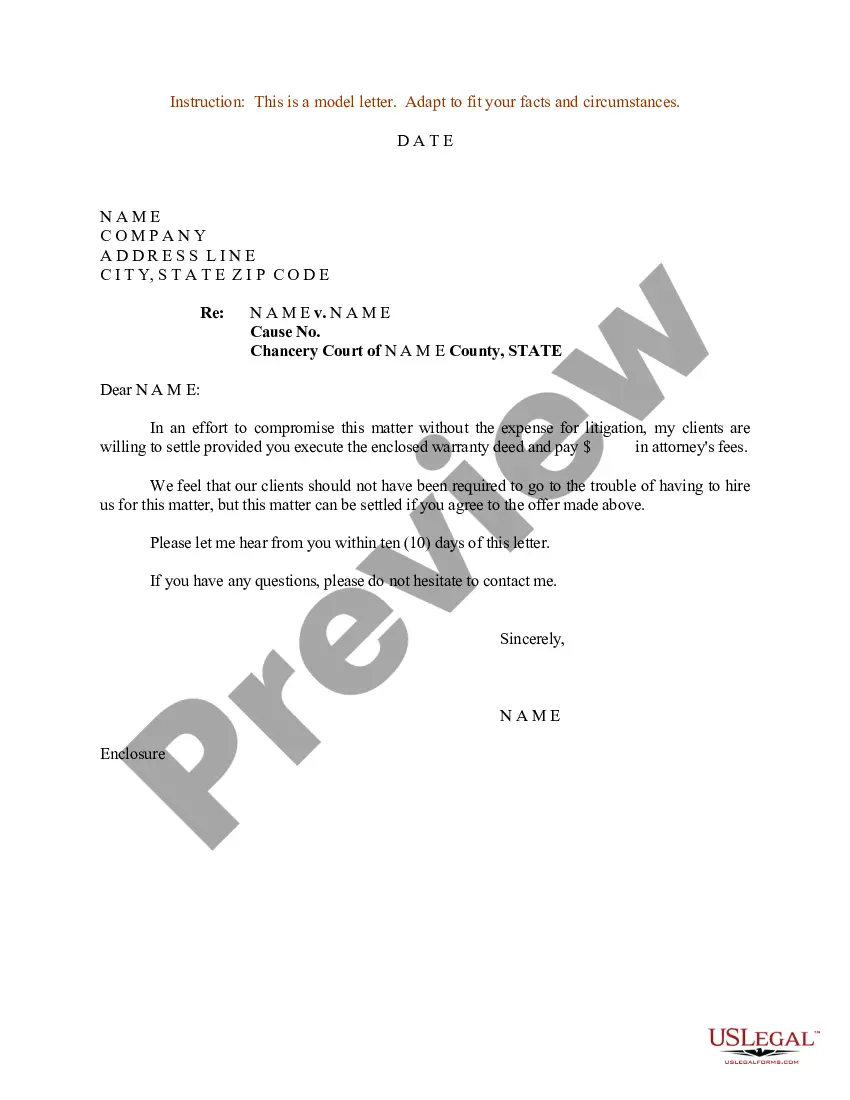
Get your form ready online
Our built-in tools help you complete, sign, share, and store your documents in one place.
Make edits, fill in missing information, and update formatting in US Legal Forms—just like you would in MS Word.
Download a copy, print it, send it by email, or mail it via USPS—whatever works best for your next step.
Sign and collect signatures with our SignNow integration. Send to multiple recipients, set reminders, and more. Go Premium to unlock E-Sign.
If this form requires notarization, complete it online through a secure video call—no need to meet a notary in person or wait for an appointment.
We protect your documents and personal data by following strict security and privacy standards.

Make edits, fill in missing information, and update formatting in US Legal Forms—just like you would in MS Word.

Download a copy, print it, send it by email, or mail it via USPS—whatever works best for your next step.

Sign and collect signatures with our SignNow integration. Send to multiple recipients, set reminders, and more. Go Premium to unlock E-Sign.

If this form requires notarization, complete it online through a secure video call—no need to meet a notary in person or wait for an appointment.

We protect your documents and personal data by following strict security and privacy standards.
Looking for another form?






Form popularity
FAQ
A Florida landlord can terminate without cause a month-to-month tenancy by giving the tenant a written notice at least 30 days before the end of the monthly period. The notice must inform the tenant that the tenancy will end in 30 days and that the tenant must move out of the rental unit by that time.
A landlord cannot spontaneously decide to evict a tenant; they must follow a legal sequence of actions, beginning with serving the tenant a written notice.
As such, while there is no exact answer as to the specific time it takes to remove a Tenant in the State of Florida through the Eviction process, if Florida Statutes, Chapter 83 is strictly followed, it can generally be stated that the Eviction Process from start to finish takes about three (3) to four (4) weeks.
In Broward County, Florida. Filing Small Claims. Have Defendant Served. Know the defendant's full name and address. Attend Pretrial. Conference. Court Enters Judgment. File Your Claim. Check Venue. 491 N State Road 7, Plantation, FL, 33317.
If you wish to recover more than $10,000, you must consider another court, and in most cases, the assistance of an attorney. If the amount you are asking for is over $10,000, you cannot file in justice court. You cannot just say you will take less to get into this court.
Summons, writs, subpoenas and other documents that are issued by the clerk should be E-Filed. Choose the appropriate Document Group type from the dropdown list and then choose the appropriate Document Type for that group. The associated issuance fees will be automatically calculated.
The Florida Bar / Florida Supreme Court have not approved any standardized forms for unlawful detainers so you will have to hire an attorney. The first step in an unlawful detainer is to issue the occupant a notice to vacate. Then contact us to file the case in court.
In Broward County, Florida. Filing Small Claims. Have Defendant Served. Know the defendant's full name and address. Attend Pretrial. Conference. Court Enters Judgment. File Your Claim. Check Venue. 491 N State Road 7, Plantation, FL, 33317.
Florida law allows you to sell a house using an “As Is” contract. Hence, if both parties involved in a real estate transaction agree, the seller is not obligated to make repairs before closing. Please note that state law has specific disclosure requirements for “As Is” sales.