Offer To Sell Sample For Sales Executive In Broward
Description
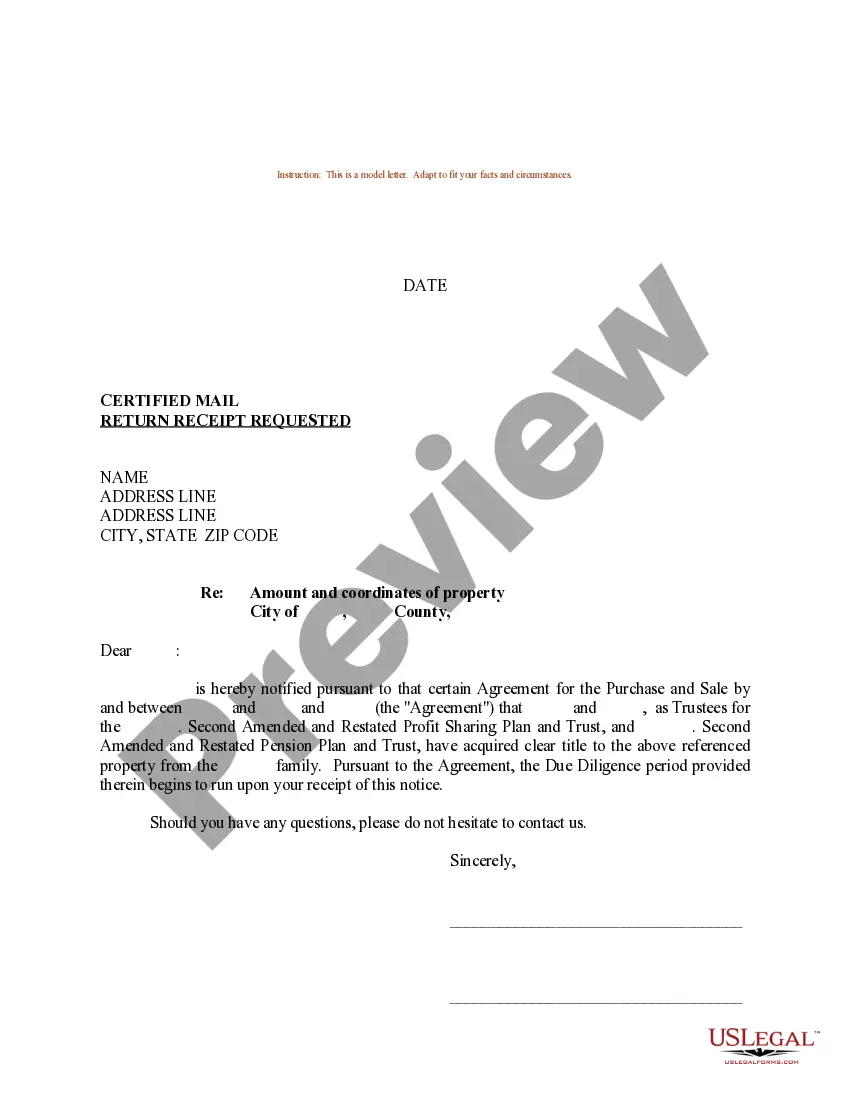
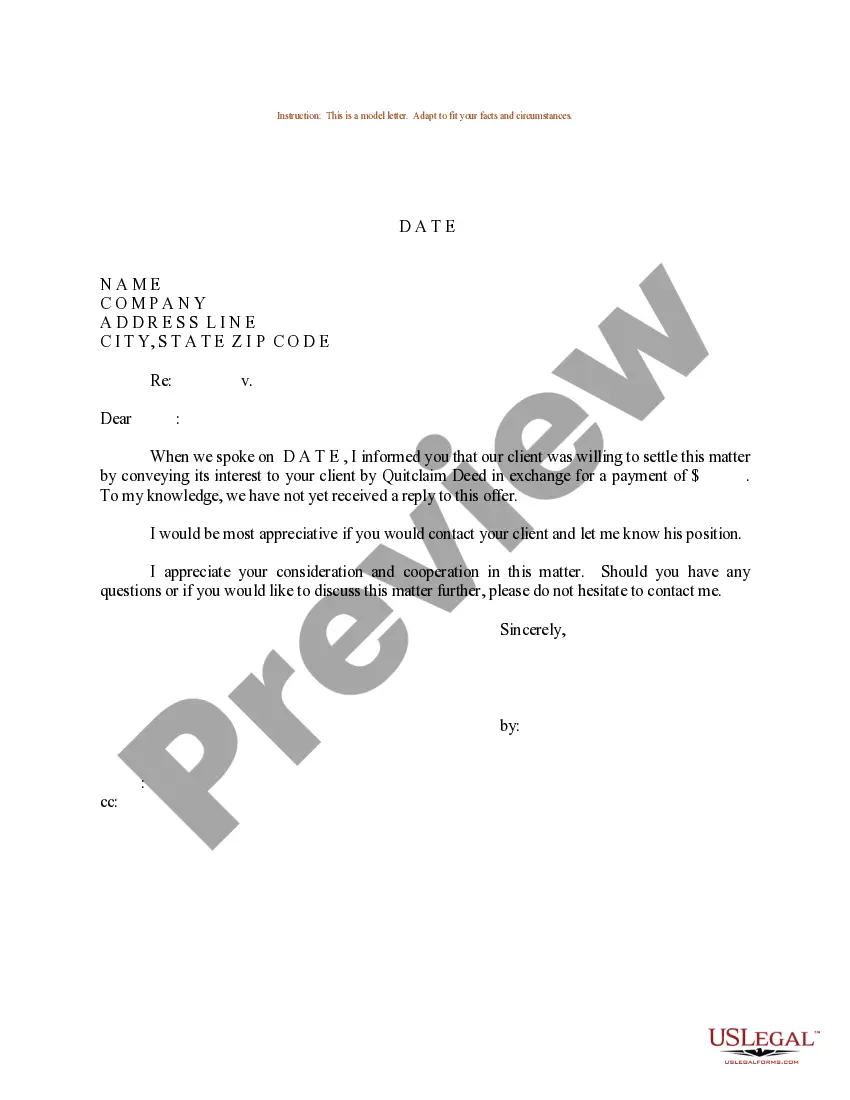
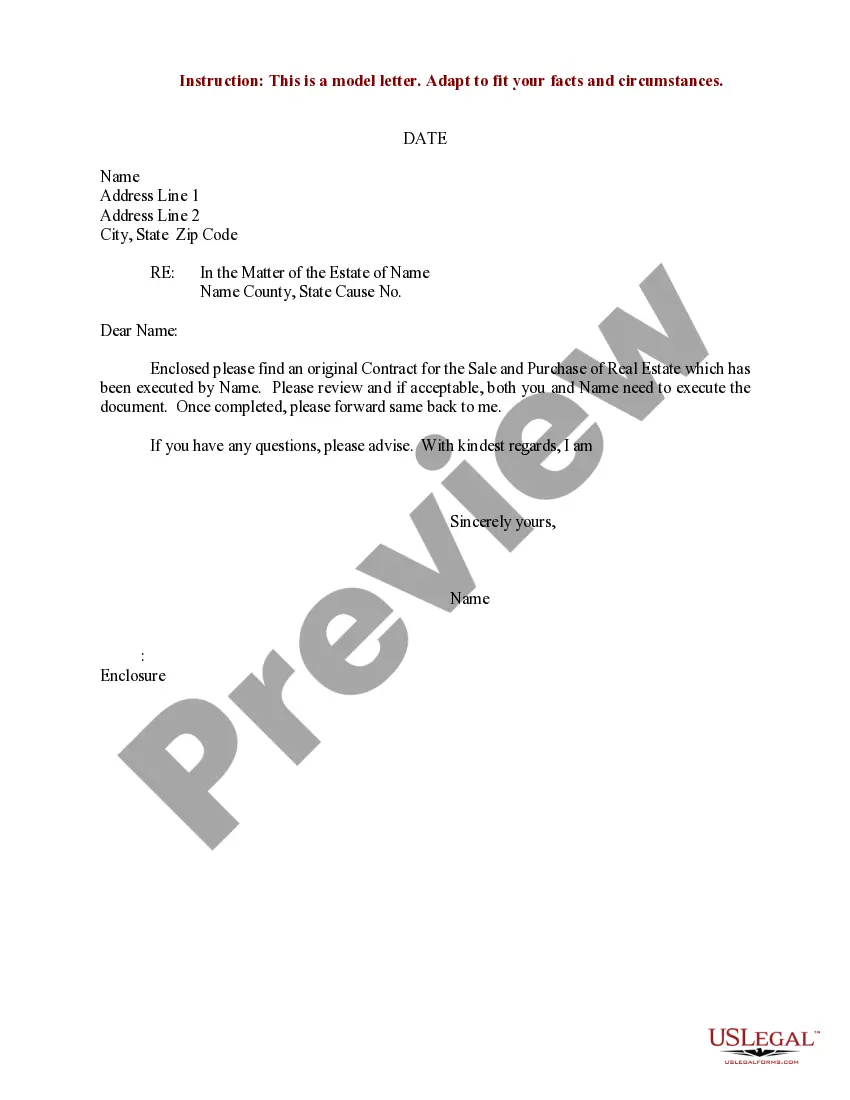
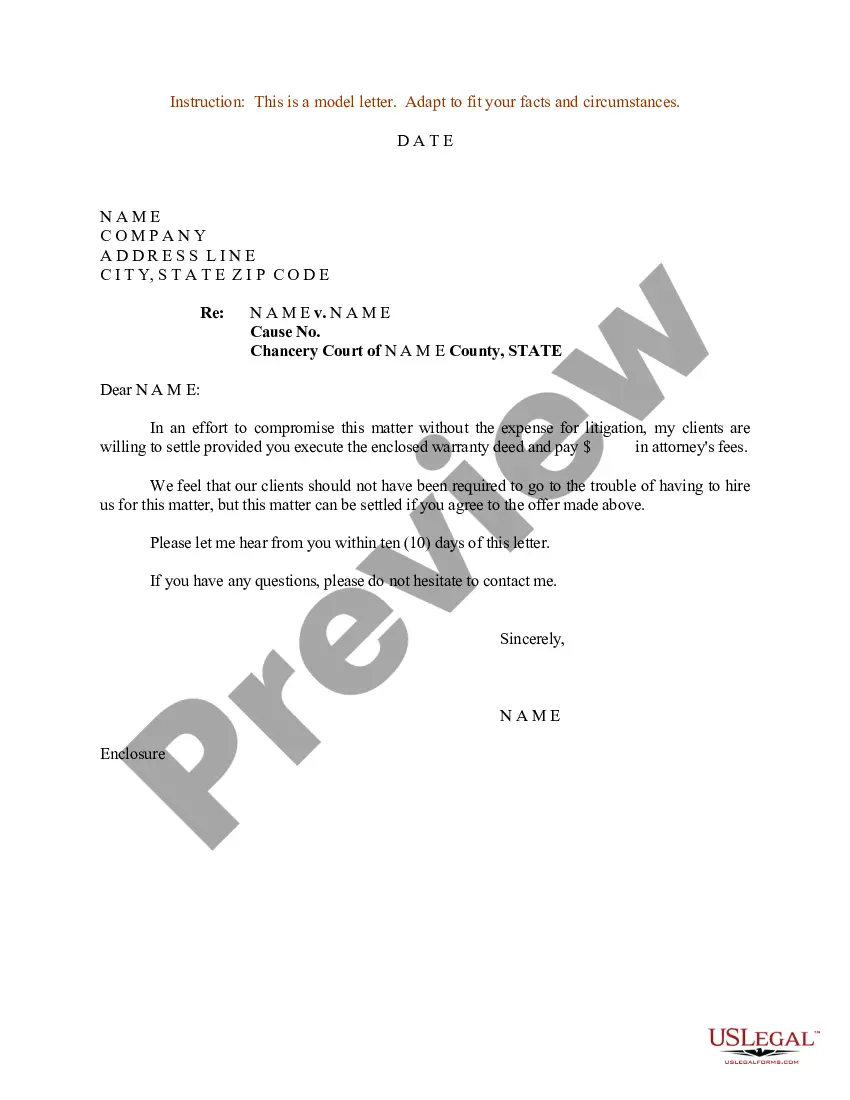
Get your form ready online
Our built-in tools help you complete, sign, share, and store your documents in one place.
Make edits, fill in missing information, and update formatting in US Legal Forms—just like you would in MS Word.
Download a copy, print it, send it by email, or mail it via USPS—whatever works best for your next step.
Sign and collect signatures with our SignNow integration. Send to multiple recipients, set reminders, and more. Go Premium to unlock E-Sign.
If this form requires notarization, complete it online through a secure video call—no need to meet a notary in person or wait for an appointment.
We protect your documents and personal data by following strict security and privacy standards.

Make edits, fill in missing information, and update formatting in US Legal Forms—just like you would in MS Word.

Download a copy, print it, send it by email, or mail it via USPS—whatever works best for your next step.

Sign and collect signatures with our SignNow integration. Send to multiple recipients, set reminders, and more. Go Premium to unlock E-Sign.

If this form requires notarization, complete it online through a secure video call—no need to meet a notary in person or wait for an appointment.

We protect your documents and personal data by following strict security and privacy standards.
Looking for another form?








Form popularity
FAQ
There are three types of group contingencies – dependent, independent, and interdependent. A dependent group contingency offers a reward to an entire group based upon the behavior or performance of one or more of its members.
In summary, contingent offers can be a helpful option to give buyers an exit strategy if specific conditions aren't met. But, they also pose a potential hurdle to closing a sale. These offers typically last 30 to 60 days and can fall through due to various reasons.
The most common contingency is the home inspection contingency. This condition on an offer states the home sale will only be finalized if the property passes a professional home inspection.
An Exclusive Right to Sell Listing Agreement is more than just a formal arrangement between a homeowner and a real estate agent; it's a partnership that defines how the sale of a property will be handled. In Florida's dynamic real estate market, this agreement plays a pivotal role.
Elements of a sales agreement Buyer and seller names and contact information. Description of goods, services, or property being purchased. Payment amount, dates, and method. Liability of each party in the case of loss, damage, or delivery failure. Ownership information, such as when ownership formally transfers to the buyer.
A sales contract is a legally binding agreement between a buyer and seller that outlines the mutually agreed upon terms of a transaction. These written agreements describe the goods, services, or property that will be exchanged, and the payment terms.
To write a simple contract, title it clearly, identify all parties and specify terms (services or payments). Include an offer, acceptance, consideration, and intent. Add a signature and date for enforceability. Written contracts reduce disputes and offer better legal security than verbal ones.
And to be able to cancel. For any reason prior to the inspection. Period elapsing.MoreAnd to be able to cancel. For any reason prior to the inspection. Period elapsing.
An Exclusive Right to Sell Listing Agreement is more than just a formal arrangement between a homeowner and a real estate agent; it's a partnership that defines how the sale of a property will be handled. In Florida's dynamic real estate market, this agreement plays a pivotal role.
