Offer To Sell Land Letter Sample For Sale In Allegheny
Description




Form popularity
FAQ
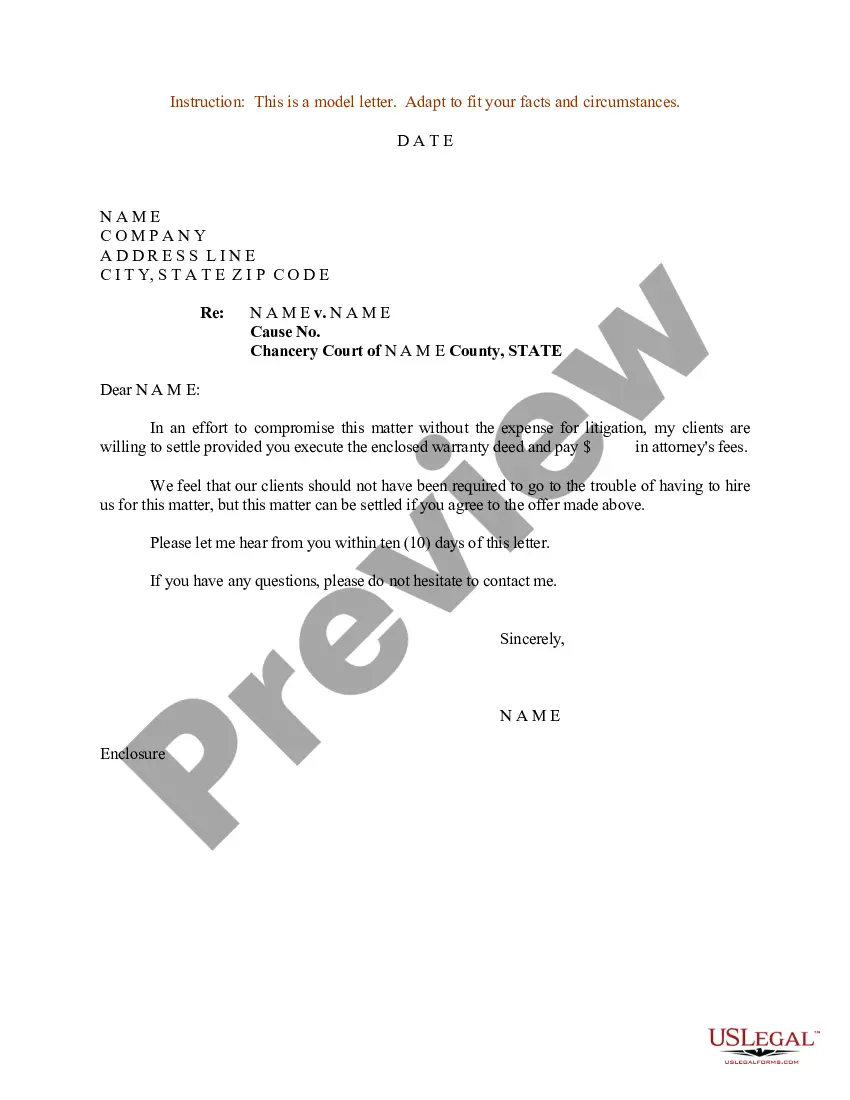
Structuring the Letter Introduction. Start with the purpose of your letter - your land is for sale and you're notifying nearby landowners. Description. Include a brief description with what you know about the land. Include an Image. They say a picture's worth a thousand words, which holds here. Contact Info.
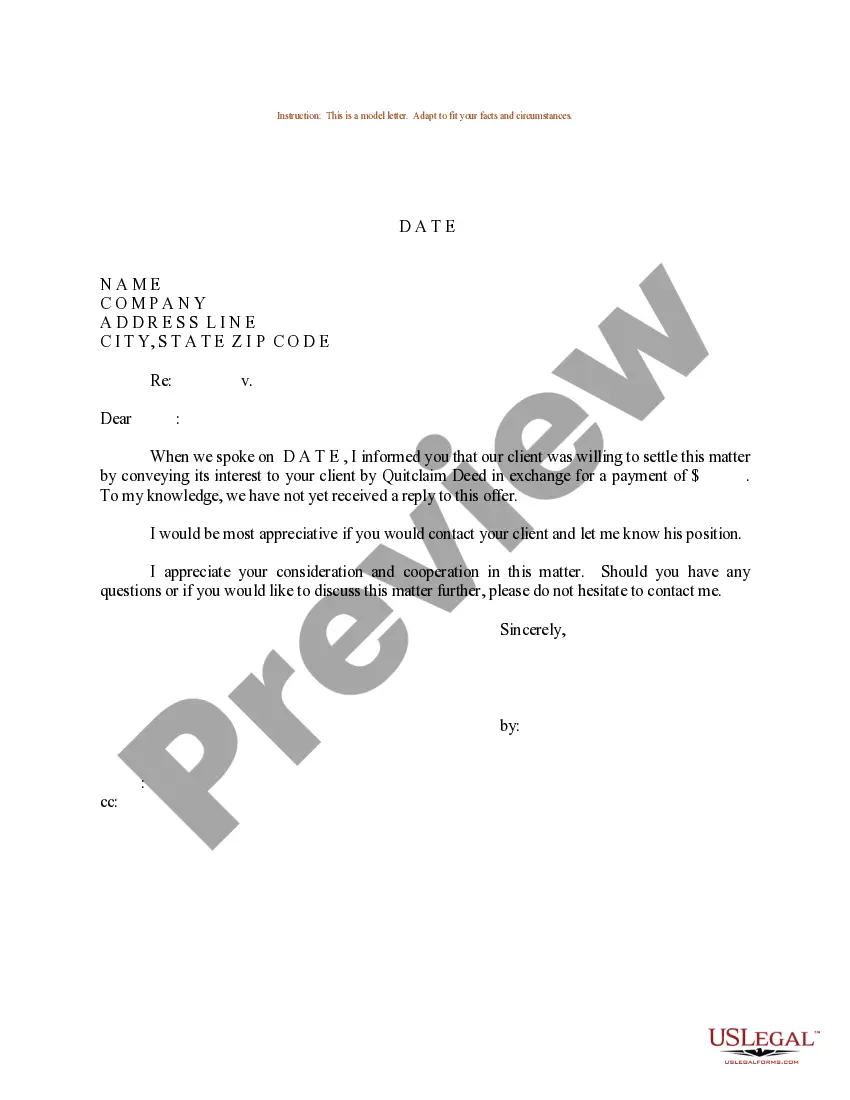
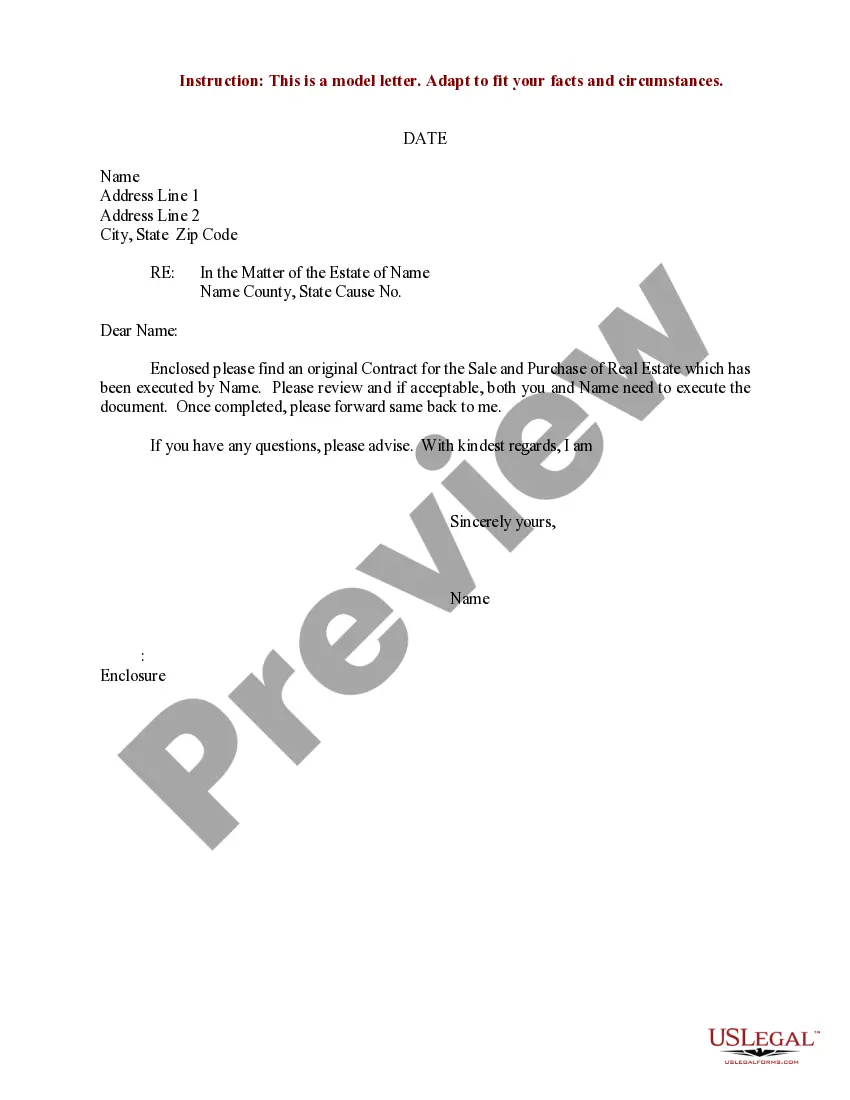
Dear MR./MS./LAST NAME, While keeping up with properties in the area, I happened to notice your home at VACANT HOME ADDRESS appears to be vacant. If my research is wrong, I apologize — but if, in fact, the home is vacant, I'm curious: Would consider listing the property?
Clearly state the desired outcome or goal of the proposal. Include any relevant terms, conditions, or timelines that should be considered. Summarize the key points and benefits of the proposal. End the letter with a polite and professional closing, and provide your contact information for any further inquiries.
How to Write an LOI in Commercial Real Estate Structure it like a letter. Write the opening paragraph. State the parties involved. Draft a property description. Outline the terms of the offer. Include disclaimers. Conclude with a closing statement.
A real estate letter of intent (LOI) outlines the terms of a proposed real estate contract between a buyer or tenant and a property owner. The letter indicates the buyer/applicant's intention to buy or lease the property and opens negotiations between the parties.
While a letter of intent is not a legal document and need not be notarized, it is wise to discuss what it should include with a well-informed estate planning attorney before you begin.
Components of a LOI Opening Paragraph: Your summary statement. Statement of Need: The "why" of the project. ( ... Project Activity: The "what" and "how" of the project. ( ... Outcomes (1–2 paragraphs; before or after the Project Activity) ... Credentials (1–2 paragraphs) ... Budget (1–2 paragraphs) ... Closing (1 paragraph) ... Signature.