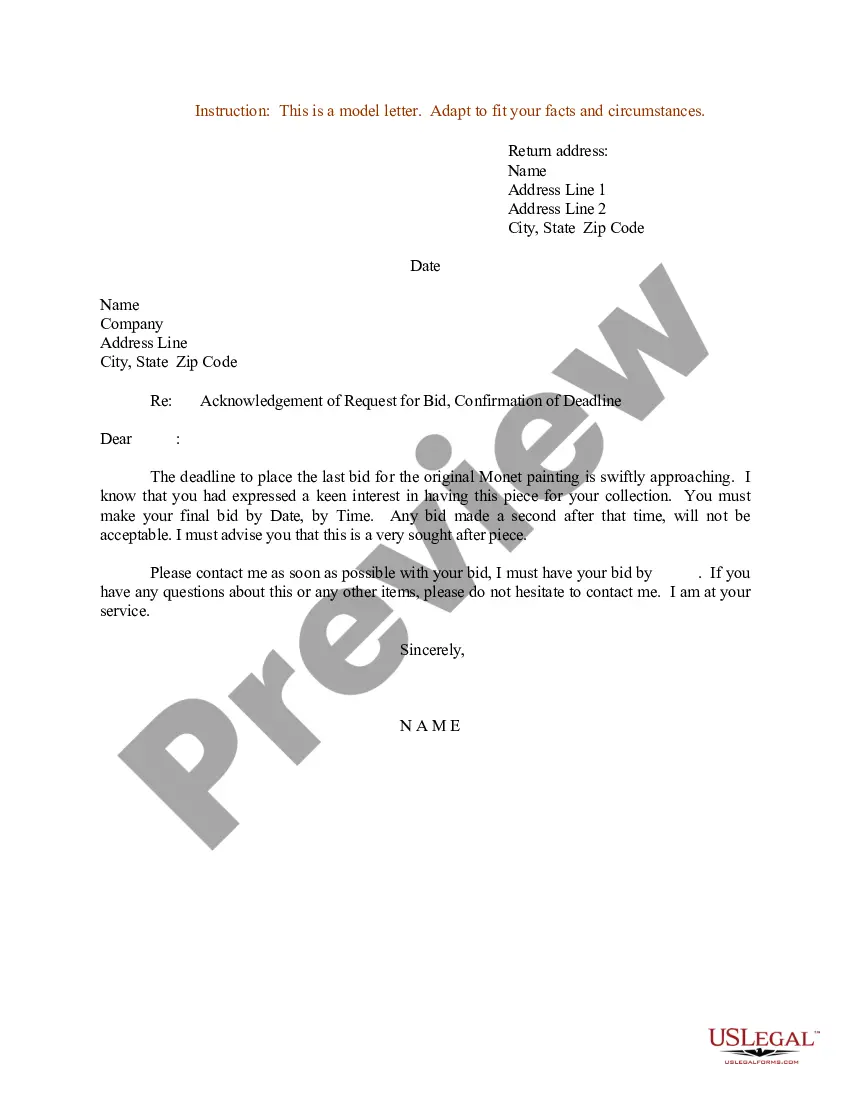
Request For Bid Example In North Carolina
Description


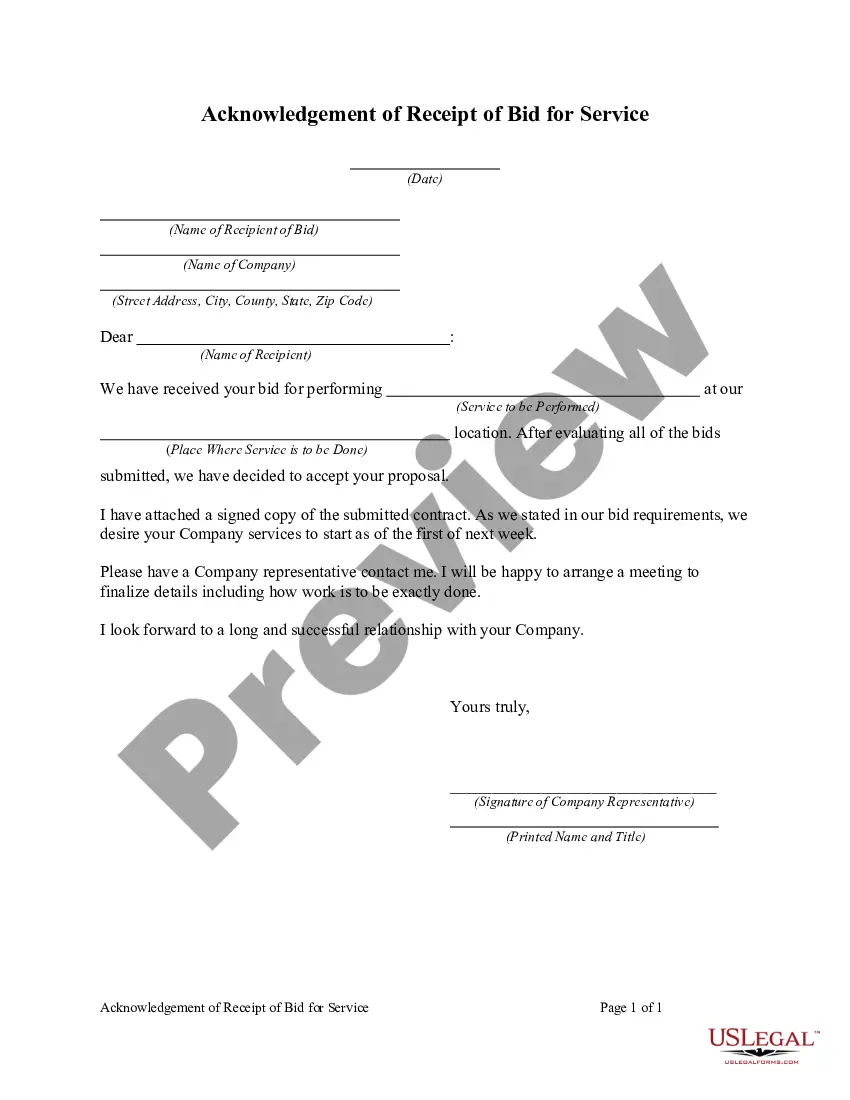
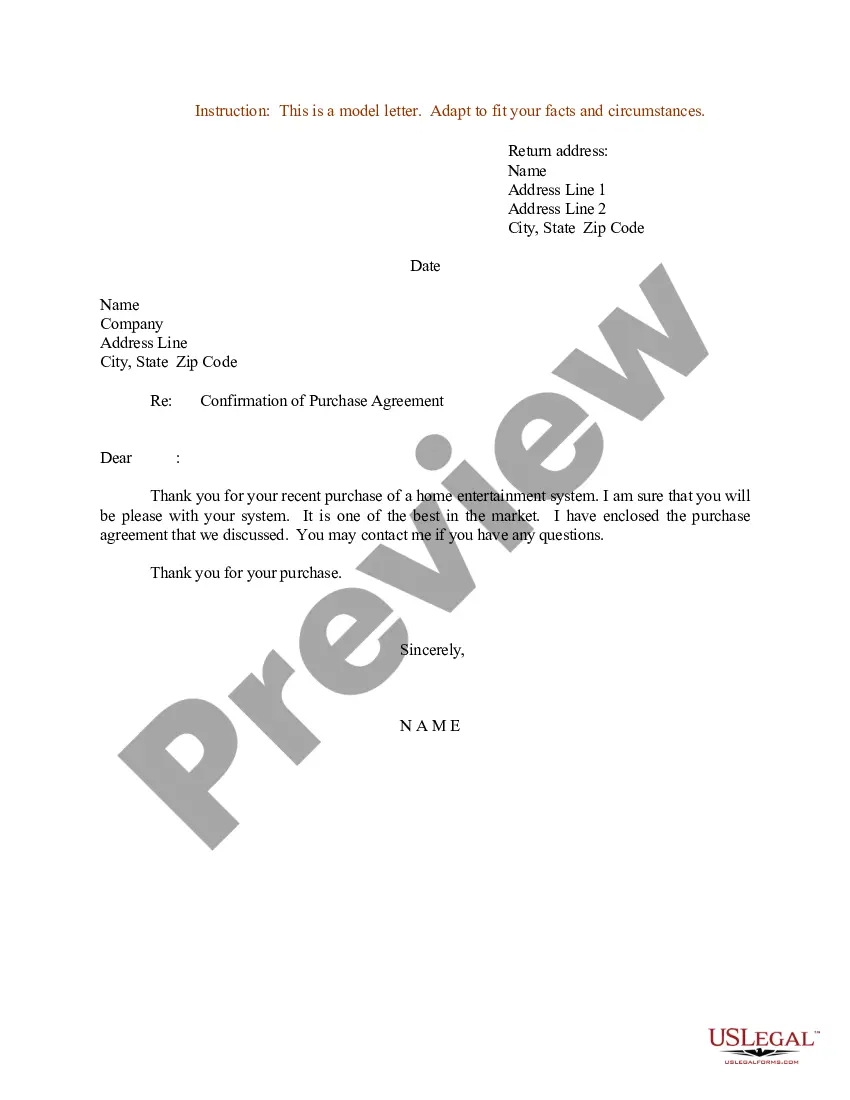
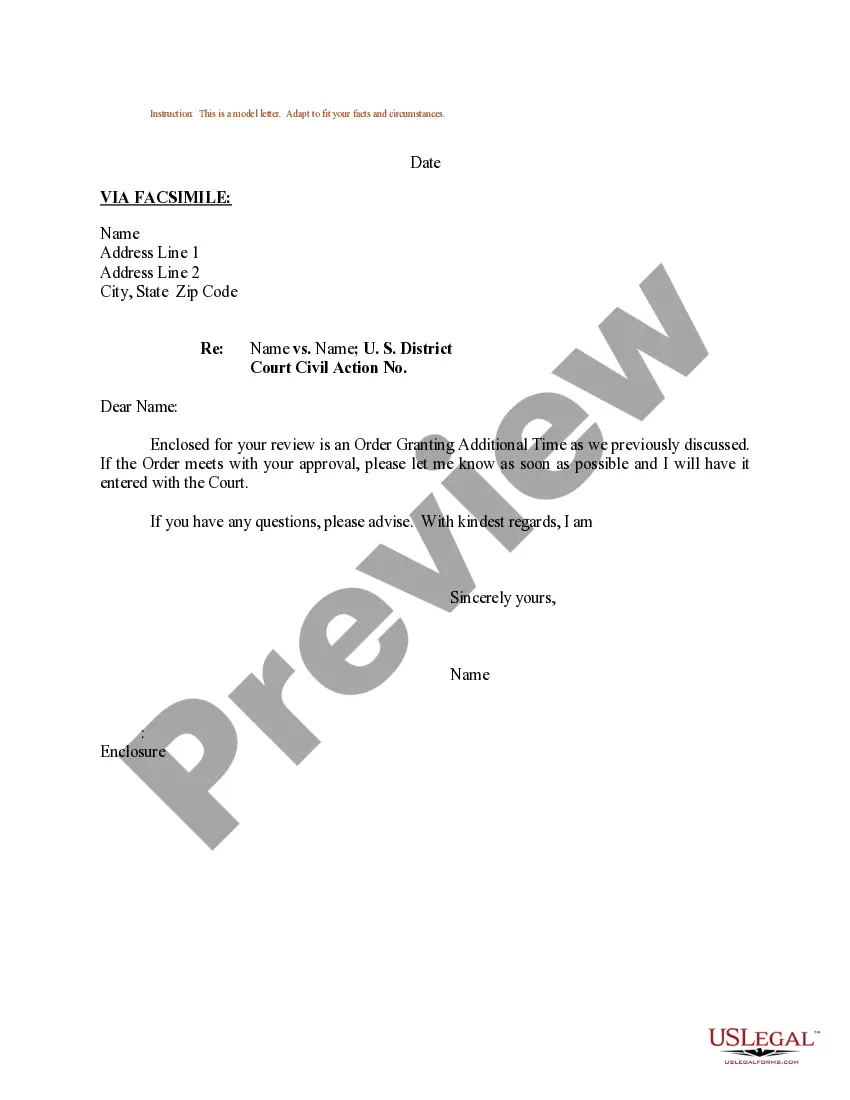
Get your form ready online
Our built-in tools help you complete, sign, share, and store your documents in one place.
Make edits, fill in missing information, and update formatting in US Legal Forms—just like you would in MS Word.
Download a copy, print it, send it by email, or mail it via USPS—whatever works best for your next step.
Sign and collect signatures with our SignNow integration. Send to multiple recipients, set reminders, and more. Go Premium to unlock E-Sign.
If this form requires notarization, complete it online through a secure video call—no need to meet a notary in person or wait for an appointment.
We protect your documents and personal data by following strict security and privacy standards.

Make edits, fill in missing information, and update formatting in US Legal Forms—just like you would in MS Word.

Download a copy, print it, send it by email, or mail it via USPS—whatever works best for your next step.

Sign and collect signatures with our SignNow integration. Send to multiple recipients, set reminders, and more. Go Premium to unlock E-Sign.

If this form requires notarization, complete it online through a secure video call—no need to meet a notary in person or wait for an appointment.

We protect your documents and personal data by following strict security and privacy standards.
Looking for another form?




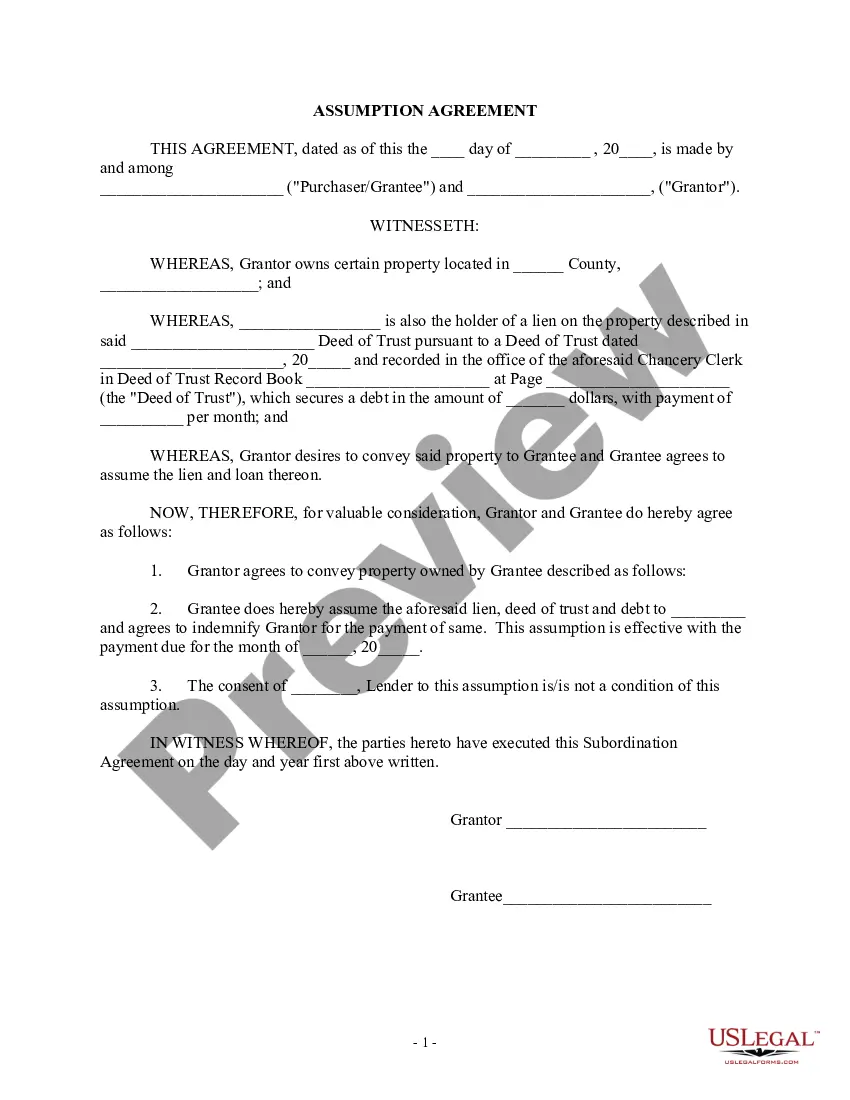
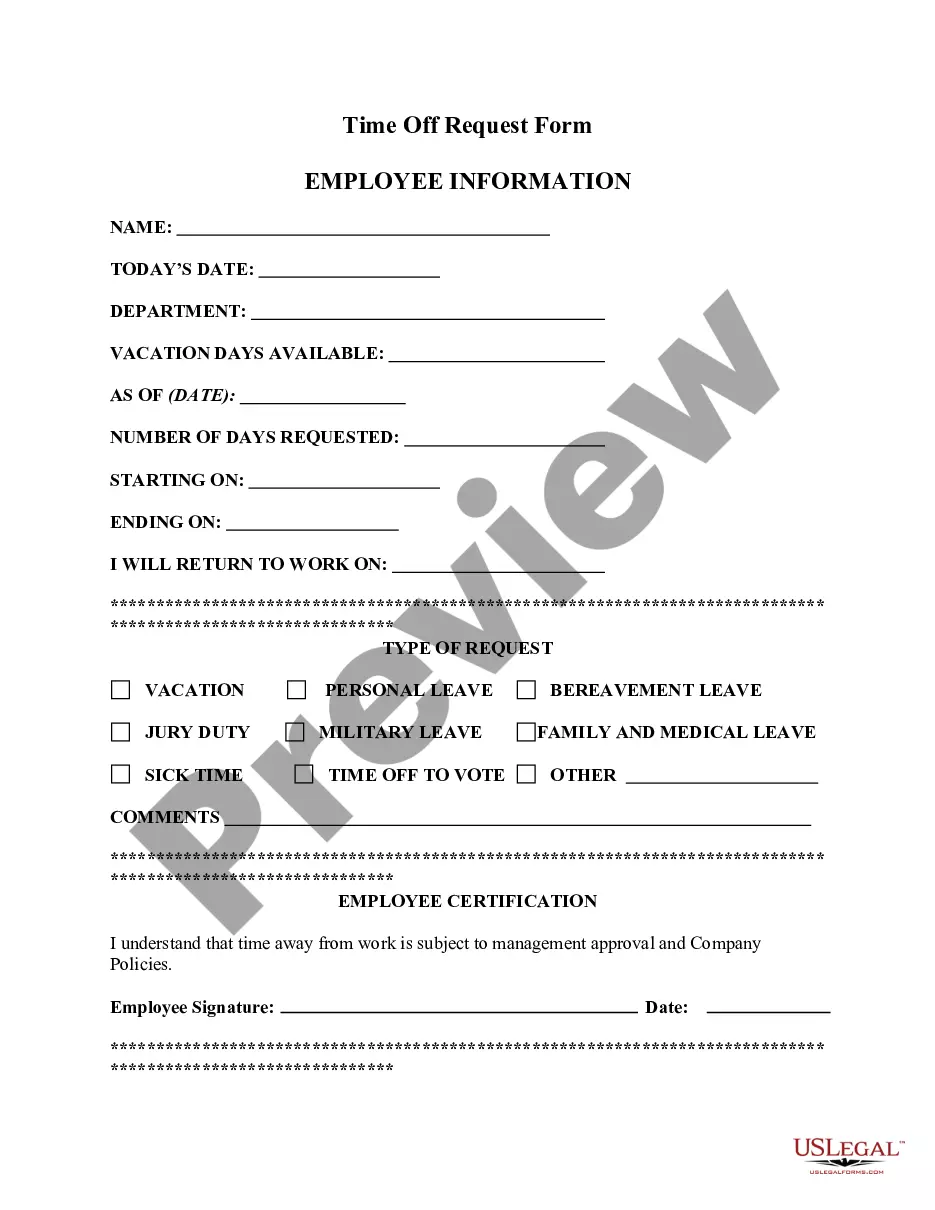

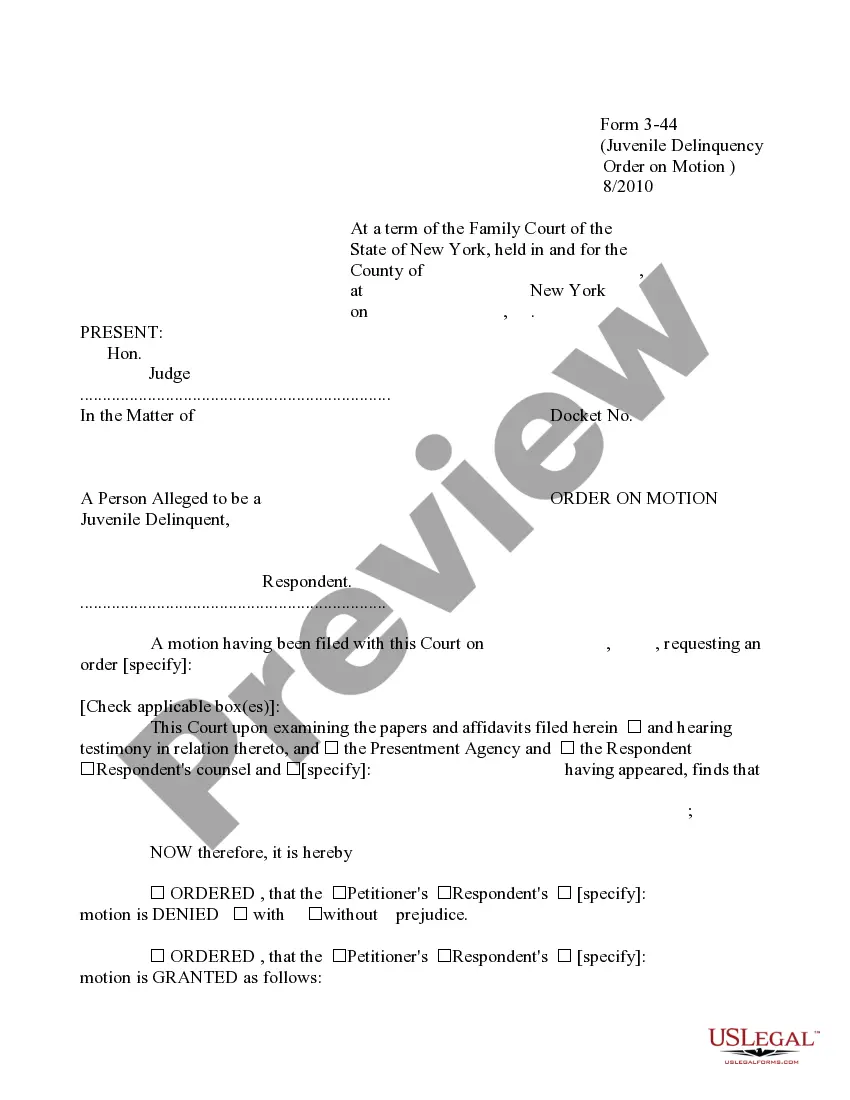
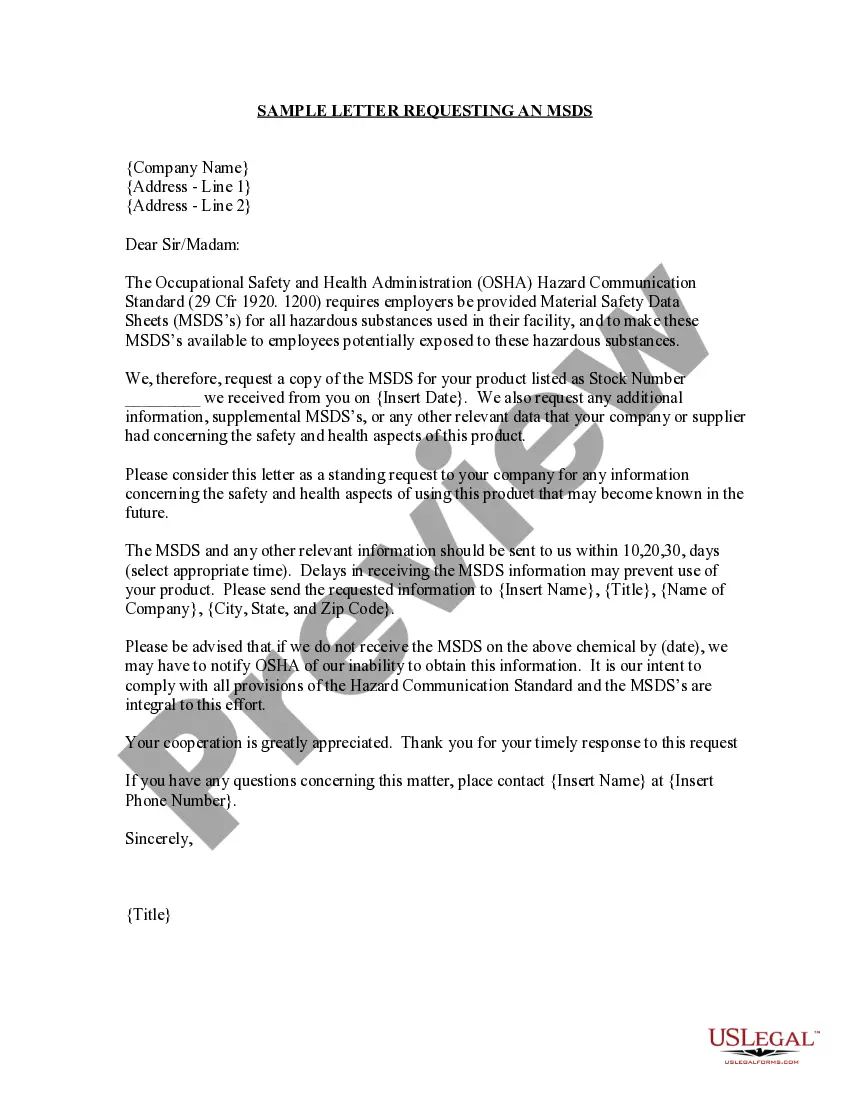
Form popularity
FAQ
A request for proposal (RFP) is both the process and documentation used in soliciting bids for potential business or IT solutions required by an enterprise or government agency.
How to write an RFP that will get a response Define your project and needs. Write an introduction. Explain your company's and project's history. Describe your project's requirements. Explain how vendors should respond. Outline your selection criteria. Note your timelines. Proofread and revise your RFP.
Although RFPs can be written differently, all RFPs should include the following key elements: Project needs, goals, and scope. Project timeline, including whether the deadline is flexible or not. Potential concerns or roadblocks for the project, including any specific challenges for the contractors to solve.
For example, a business that wants to change its reporting process from a paper-based system to a computer-based system may put in a request for proposal for hardware, software, and a user training program to establish and integrate the new system into the business.
Sample RFPs A Request for Proposal (RFP) is a formal bidding document that describes a project and desired services in detail to ensure an effective competitive bidding process. If you use an RFP, you must submit it with your FCC Form 461 or Form 465 (Request for Services Form).
The notice of upset bid shall: (1) State the name, address, and telephone number of the upset bidder; (2) Specify the amount of the upset bid; (3) Provide that the sale shall remain open for a period of 10 days after the date on which the notice of upset bid is filed for the filing of additional upset bids as permitted ...
How to write an RFP in 7 steps. Introduce the company and project. Outline project background. Provide bid deadline and proposal timeline. Specify budget. Outline project scope. Express concerns or roadblocks. Explain evaluation criteria.
The Outbid Period is a 10-day period in which someone can place a higher bid than the previous bid, usually 5% or $750 higher, whichever is greater. Each time a new high bid is placed through the county clerk, the 10 days start over. This process continues until no new bids are placed and the 10 days runs out.
(a) A judicial sale is a sale of property made pursuant to an order of a judge or clerk in an action or proceeding in the superior or district court, including a sale pursuant to an order made in an action in court to foreclose a mortgage or deed of trust, but is not (1) A sale made pursuant to a power of sale a.