Request For Bid Meaning In New York
Description


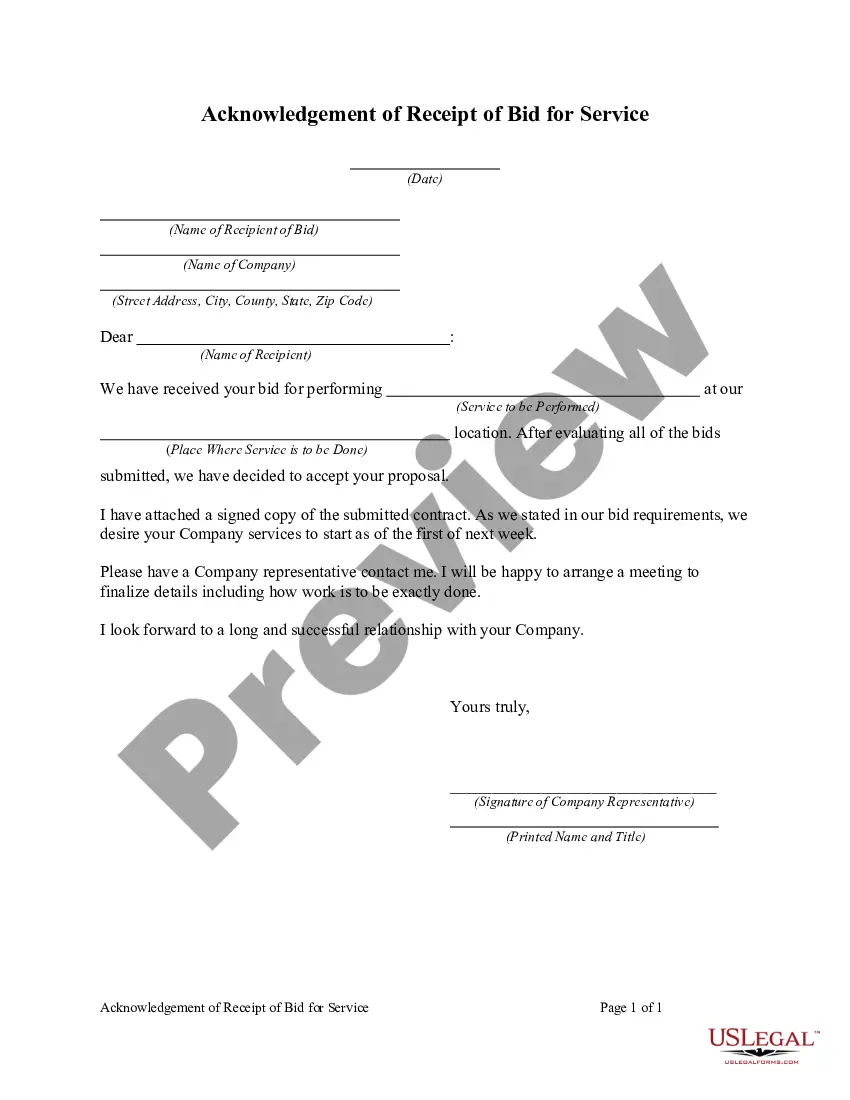
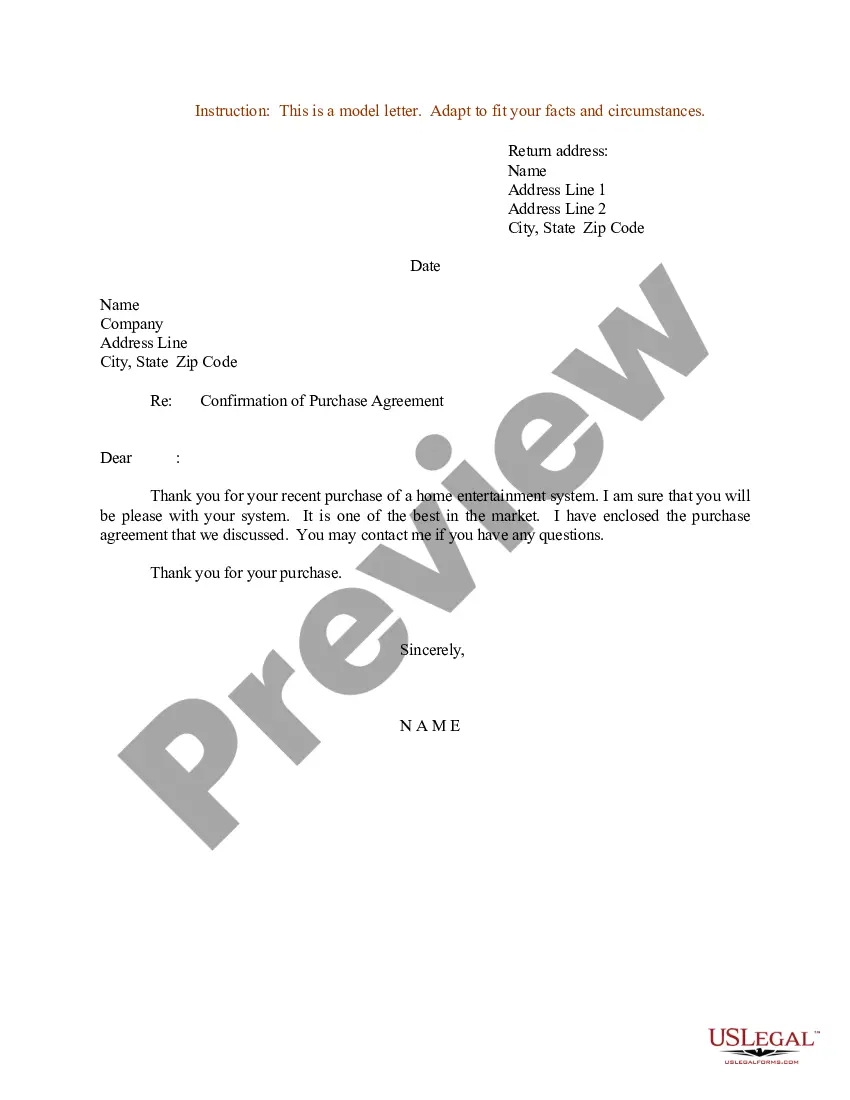
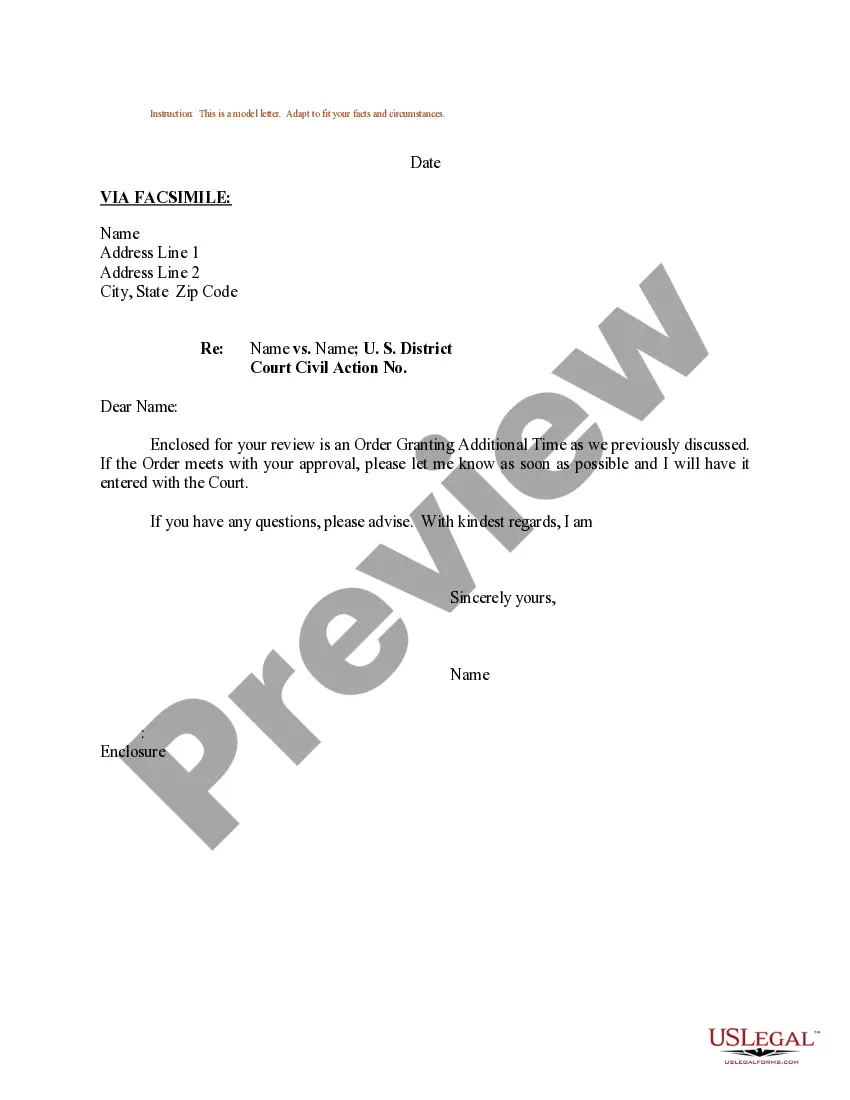
Get your form ready online
Our built-in tools help you complete, sign, share, and store your documents in one place.
Make edits, fill in missing information, and update formatting in US Legal Forms—just like you would in MS Word.
Download a copy, print it, send it by email, or mail it via USPS—whatever works best for your next step.
Sign and collect signatures with our SignNow integration. Send to multiple recipients, set reminders, and more. Go Premium to unlock E-Sign.
If this form requires notarization, complete it online through a secure video call—no need to meet a notary in person or wait for an appointment.
We protect your documents and personal data by following strict security and privacy standards.

Make edits, fill in missing information, and update formatting in US Legal Forms—just like you would in MS Word.

Download a copy, print it, send it by email, or mail it via USPS—whatever works best for your next step.

Sign and collect signatures with our SignNow integration. Send to multiple recipients, set reminders, and more. Go Premium to unlock E-Sign.

If this form requires notarization, complete it online through a secure video call—no need to meet a notary in person or wait for an appointment.

We protect your documents and personal data by following strict security and privacy standards.
Looking for another form?






Form popularity
FAQ
A Request for Proposal (RFP) is a document that solicits proposal, often made through a bidding process, by an agency or company interested in procurement of a commodity, service, or valuable asset, to potential suppliers to submit business proposals.
A request for proposal (RFP) is a business document that announces a project, describes it, and solicits bids from qualified contractors to complete it. Most organizations prefer to launch their projects using RFPs, and many governments always use them.
A bid request is a piece of code used to sell display ads and inventory details. It allows visitors to see ads most suited to them, and for multiple advertisers to utilize the same ad spot on a given publisher's platform.
A request for proposal (RFP) is both the process and documentation used in soliciting bids for potential business or IT solutions required by an enterprise or government agency.
A Request for Proposal (RFP) is a query with which in-house legal departments can outsource their work to external law firms. Especially nowadays, when legal departments must do more for less, the RFP is becoming an increasingly important tool.
Overall, the complete RFP process should be expected to take anywhere between 9 months to 3 years to complete.
The Request for Proposals (RFP) is a competitive review process where HPD calls for proposals for new housing and community amenities. HPD issues the call through a document that outlines the goals, evaluation criteria, and requirements, which Development teams use to propose projects in response to the RFP document.
Steps in the RFP Process Develop a draft RFP and timeline. Create a bidders list. Approve RFP by Contract Unit and Legal Counsel. Advertise in the Contract Reporter. Release the RFP. Develop the evaluation methodology. Establish the evaluation committee. Receive Proposals.
Experts assert that a well-drafted RFP document should include: The purpose of the RFP. A clear description of project goals and results. A rubric or criteria that will be used to evaluate submitted proposals.
How does it actually work? As soon as a user visits the web page or a user hits an app, the bid request is generated and pulls various data points based on the consenting user, page, and site analytics. This information is then passed to the ad exchange, where it's shared with advertisers.

