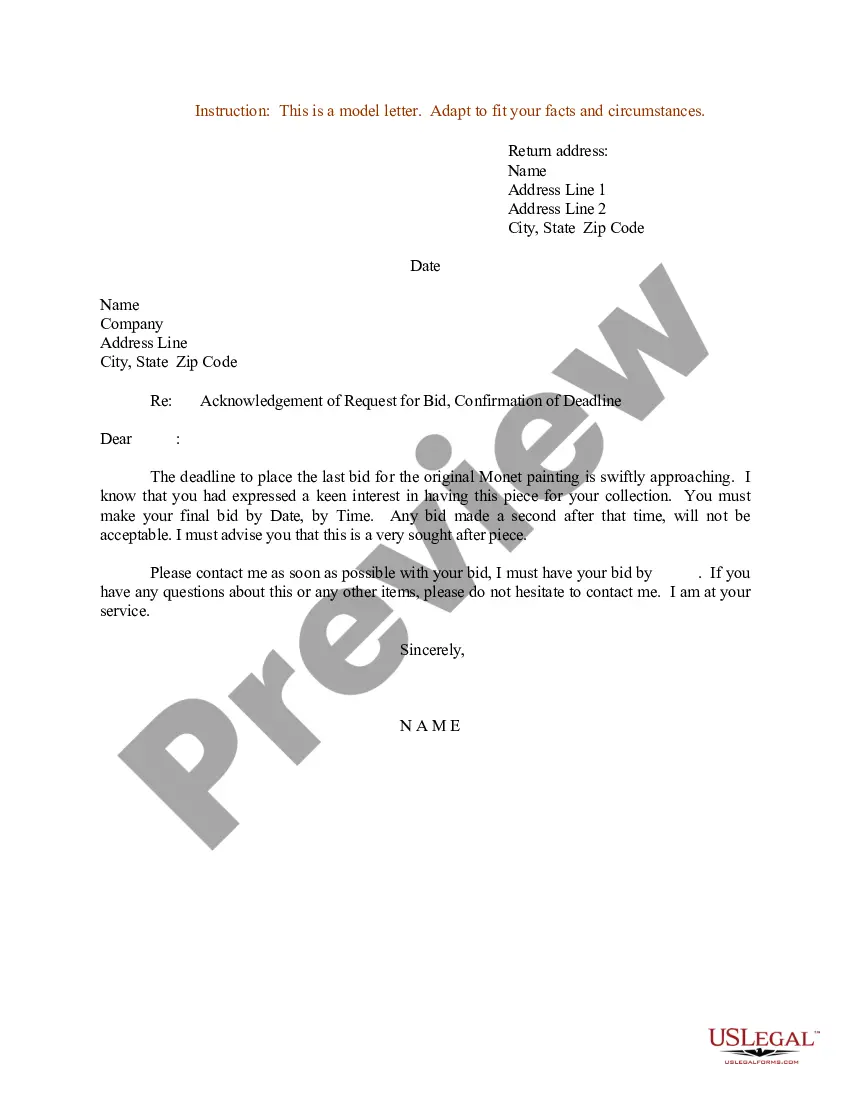
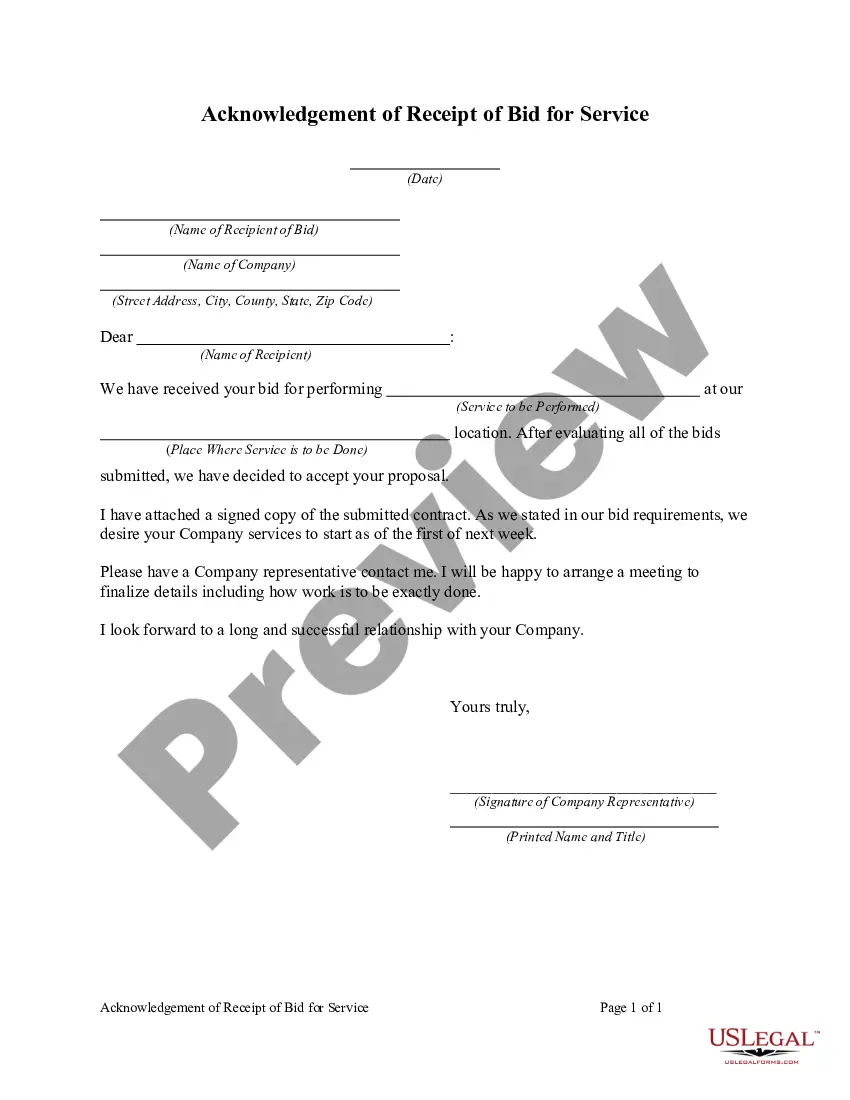
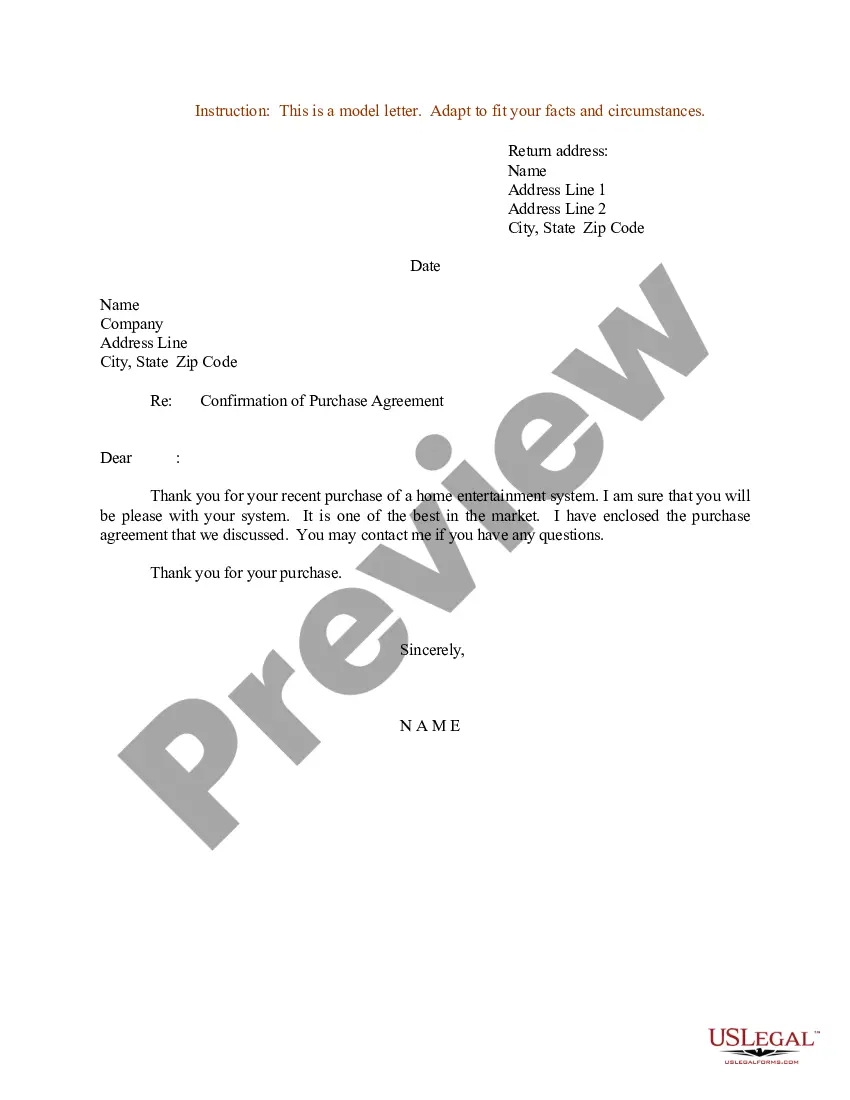
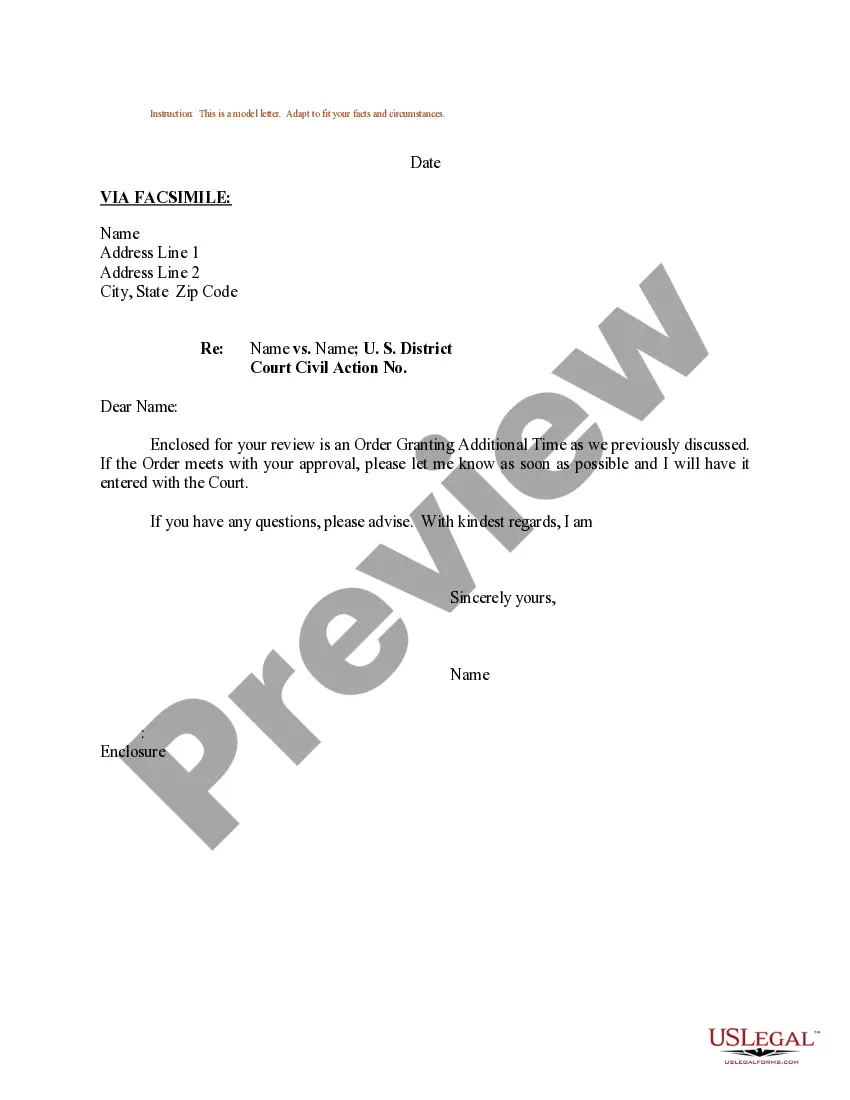
Request For Bid Email In Maricopa
Description


Get your form ready online
Our built-in tools help you complete, sign, share, and store your documents in one place.
Make edits, fill in missing information, and update formatting in US Legal Forms—just like you would in MS Word.
Download a copy, print it, send it by email, or mail it via USPS—whatever works best for your next step.
Sign and collect signatures with our SignNow integration. Send to multiple recipients, set reminders, and more. Go Premium to unlock E-Sign.
If this form requires notarization, complete it online through a secure video call—no need to meet a notary in person or wait for an appointment.
We protect your documents and personal data by following strict security and privacy standards.

Make edits, fill in missing information, and update formatting in US Legal Forms—just like you would in MS Word.

Download a copy, print it, send it by email, or mail it via USPS—whatever works best for your next step.

Sign and collect signatures with our SignNow integration. Send to multiple recipients, set reminders, and more. Go Premium to unlock E-Sign.

If this form requires notarization, complete it online through a secure video call—no need to meet a notary in person or wait for an appointment.

We protect your documents and personal data by following strict security and privacy standards.
Looking for another form?


Form popularity
FAQ
Steps In an RFP Process 1 Discovery. Before drafting the RFP, it is imperative to do some thorough internal planning with the stakeholders that can guide the RFP writer in understanding the project requirements and constraints. 2 Draft And Issue. 3 Review The Bids. 4 Select a Winner and Send the Contract.
Write a no-bid letter Be as brief as possible. Offer insight about your decision, but stay positive. Provide your contact information for future opportunities. If you have an existing relationship with the customer, follow up with a phone call as well.
A bid invitation document should include the project name and the bidder's email address, as well as a bidding number and opening/closing dates. Identification is important because it helps a client cross-reference bids efficiently while also allowing suppliers to confirm and validate their bids.
A couple of polite examples include: “Unfortunately, I am unable to accept this offer.” “We regret to inform you that we cannot accept your offer.” “I will not be able to accept your offer at this time.”
Dear Candidate's First Name, Thank you for your patience as we've conducted interviews for the Position role at Company. With so many amazing candidates like yourself, it's been hard to reach a decision! After careful consideration, we have decided not to move forward with your application at this time.
I appreciate that you would benefit from feedback. We decided to select the alternative supplier because (insert reasons). We want to thank you and your company for investing so much time in your proposal and would be interested in future proposals you may wish to submit.
The right way to reject a vendor: 6 things to remember Provide information about why the winner was successful. How did they differentiate themselves? ... Refer back to your RFP. Customize each letter. Offer to give more specific feedback. Keep it professional and optimistic. 6 Wrap up with hope or closure.
8 tips to write a request for proposal Detail the project and what your organization needs. Write an executive summary. Include vendor qualifications and the project budget. Be transparent about the selection process. Provide timelines. Format for readability. Have the expertise. Detail the job but not how to do it.