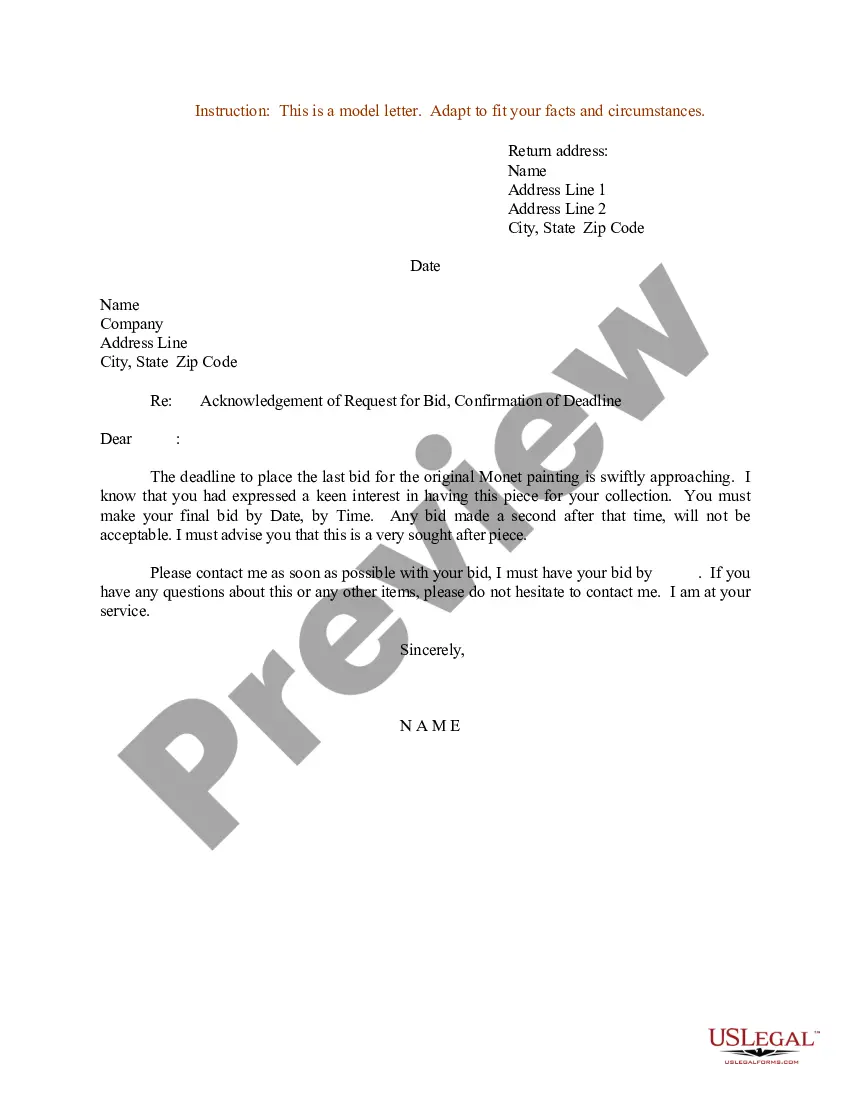
Request For Bid Rfb In Harris
Description


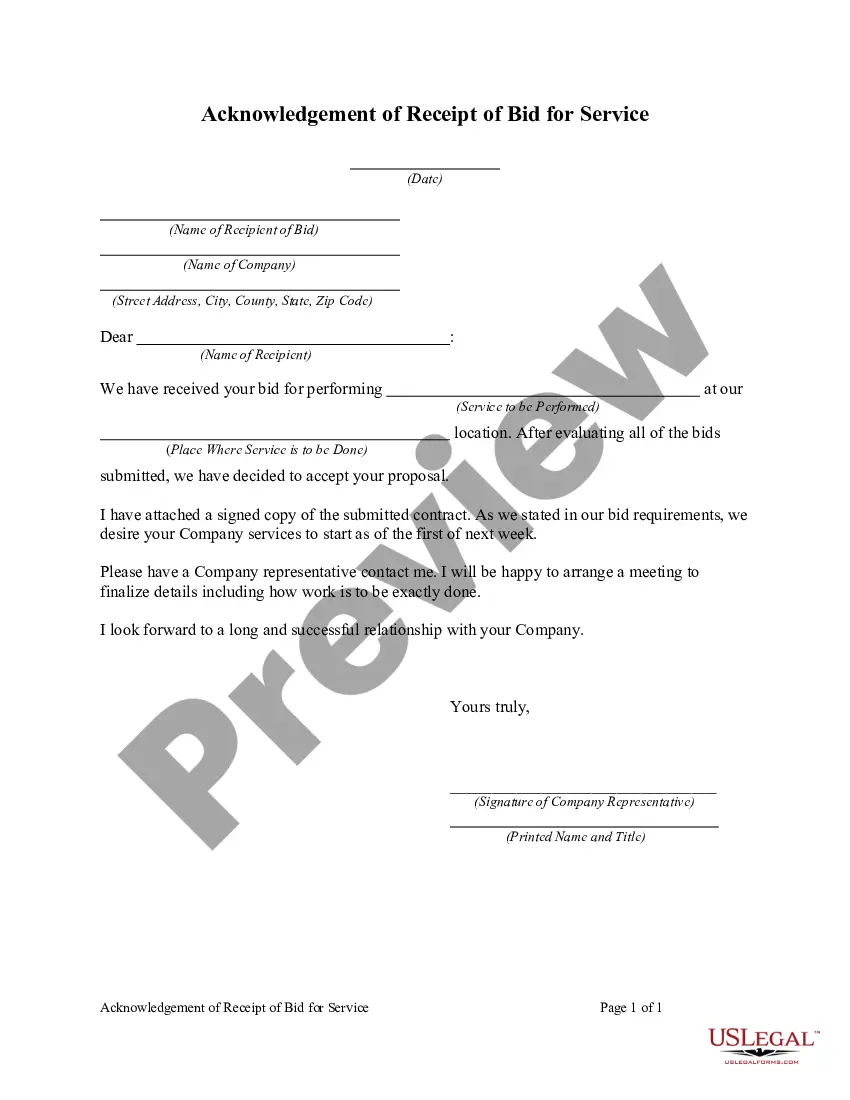
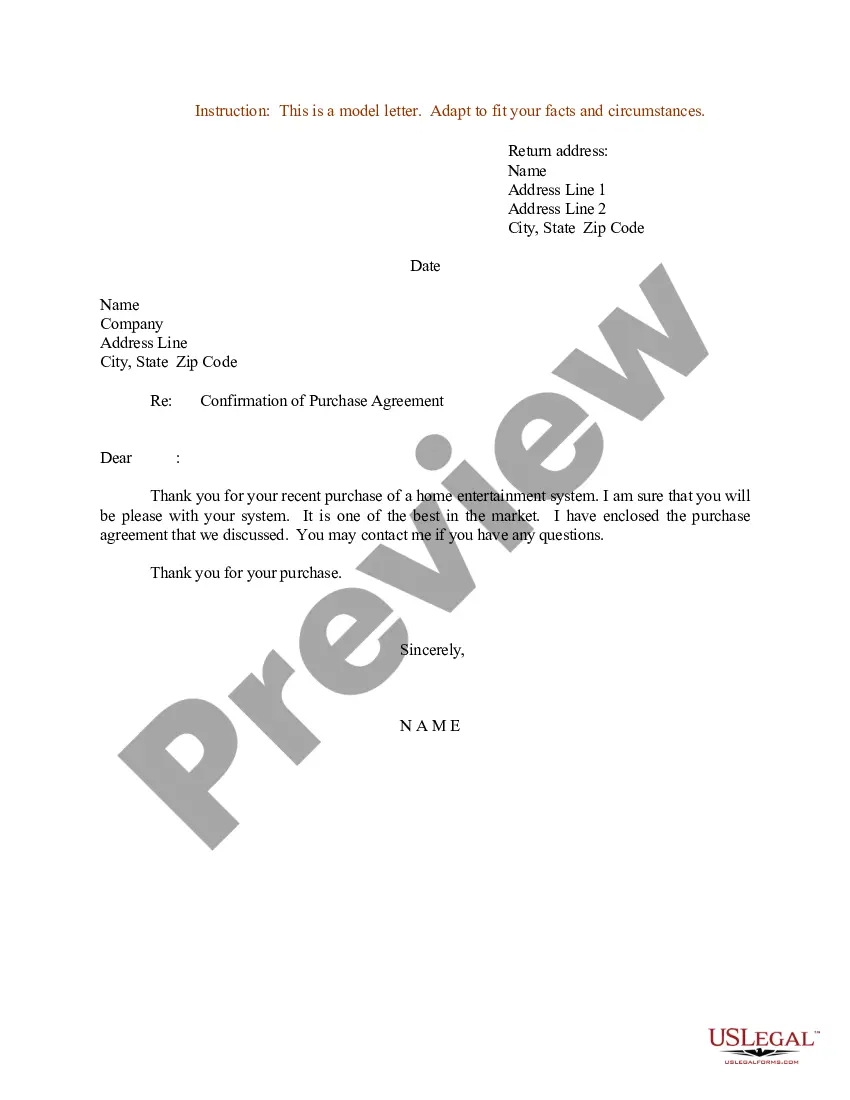
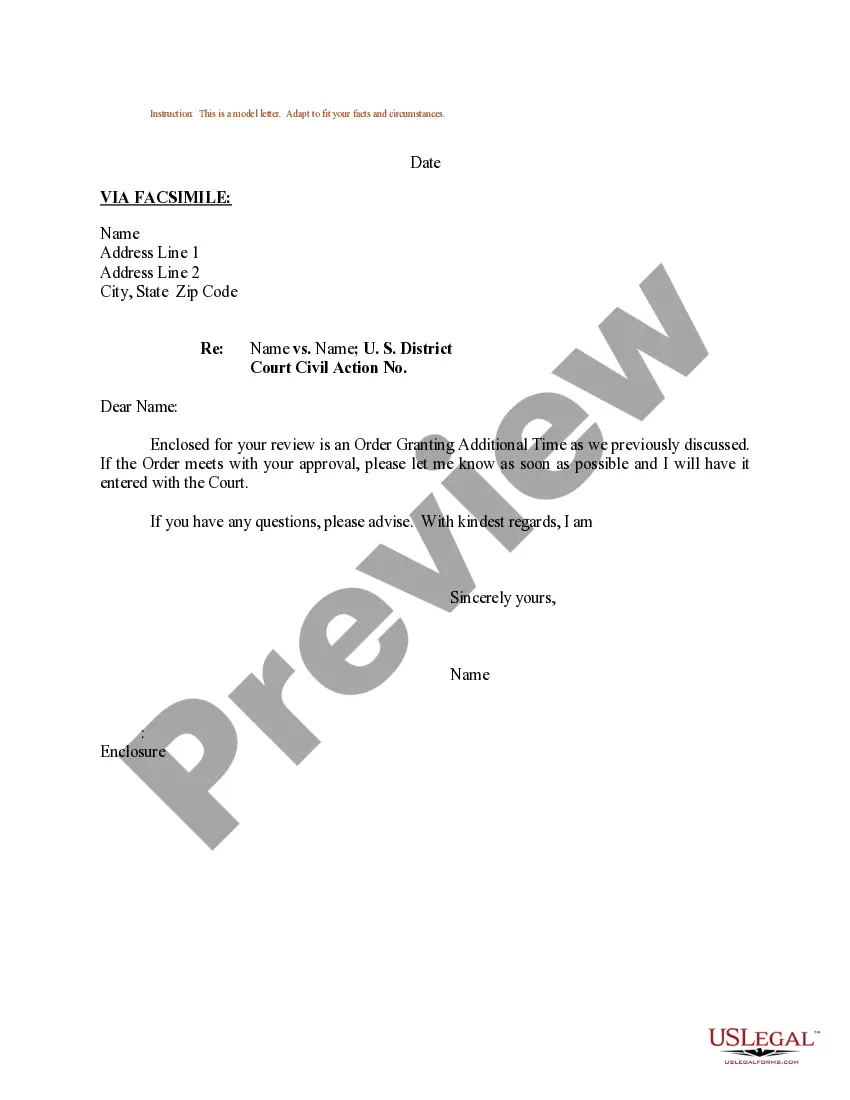
Get your form ready online
Our built-in tools help you complete, sign, share, and store your documents in one place.
Make edits, fill in missing information, and update formatting in US Legal Forms—just like you would in MS Word.
Download a copy, print it, send it by email, or mail it via USPS—whatever works best for your next step.
Sign and collect signatures with our SignNow integration. Send to multiple recipients, set reminders, and more. Go Premium to unlock E-Sign.
If this form requires notarization, complete it online through a secure video call—no need to meet a notary in person or wait for an appointment.
We protect your documents and personal data by following strict security and privacy standards.

Make edits, fill in missing information, and update formatting in US Legal Forms—just like you would in MS Word.

Download a copy, print it, send it by email, or mail it via USPS—whatever works best for your next step.

Sign and collect signatures with our SignNow integration. Send to multiple recipients, set reminders, and more. Go Premium to unlock E-Sign.

If this form requires notarization, complete it online through a secure video call—no need to meet a notary in person or wait for an appointment.

We protect your documents and personal data by following strict security and privacy standards.
Looking for another form?







Form popularity
FAQ
The Request for Bid (RFB) is a type of line item BP. RFBs are unique in that the business process requires participation from personnel outside your company.
The RFP bid process Opportunity Identification: Identify potential projects or services that require an RFP. Spend Analysis: Analyze past expenditures and the market value of similar projects to determine the budget.
A request for proposal (RFP) is an open request for bids to complete a new project proposed by the company or other organization that issues it.
5 tips for crafting RFP bids that win Centralize your proposal content. Assign proposal tasks early. Make the issuer's job as easy as possible. Highlight how you are different, but don't give away your secret sauce. Leverage purpose-made RFP software.
What are the 7 steps in writing an RFP? Introduce the company and project. Outline project background. Provide bid deadline and proposal timeline. Specify budget. Outline project scope. Express concerns or roadblocks. Explain evaluation criteria.
How to write an RFP that will get a response Define your project and needs. Write an introduction. Explain your company's and project's history. Describe your project's requirements. Explain how vendors should respond. Outline your selection criteria. Note your timelines. Proofread and revise your RFP.
A letter of intent to bid is a formal way for prospective vendors to communicate their desire to submit a response to a request for proposal (RFP). Often, a buyer will request a letter of intent from interested vendors as part of the RFP process.
The LOI is probably the simplest document a vendor can provide as part of the RFP process. The letter confirms to the agency that your company intends to bid on a specific project. Ultimately, the letter formally requests that the agency notify your company of any updates before the required due date.
The RFP bid process Opportunity Identification: Identify potential projects or services that require an RFP. Spend Analysis: Analyze past expenditures and the market value of similar projects to determine the budget.
A request for proposal (RFP) is an open request for bids to complete a new project proposed by the company or other organization that issues it. It is meant to open up competition and encourage a variety of alternative proposals that might be considered by the project's planners.