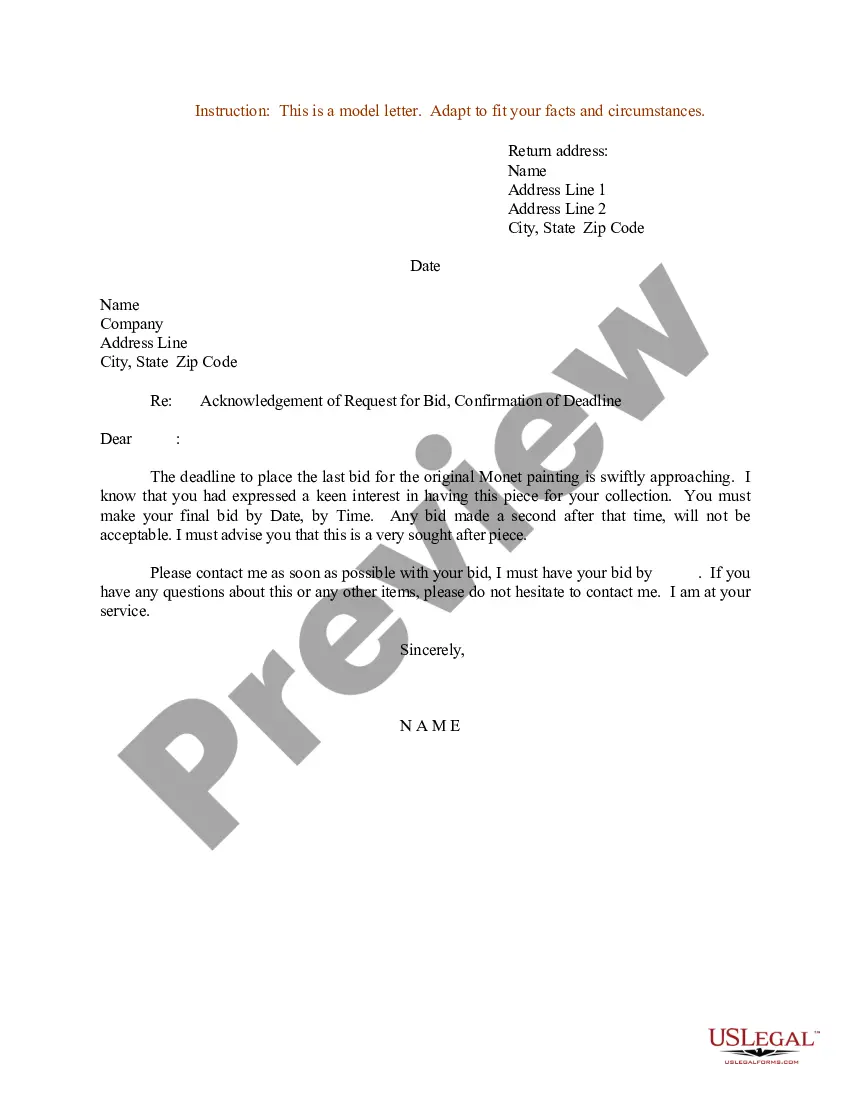
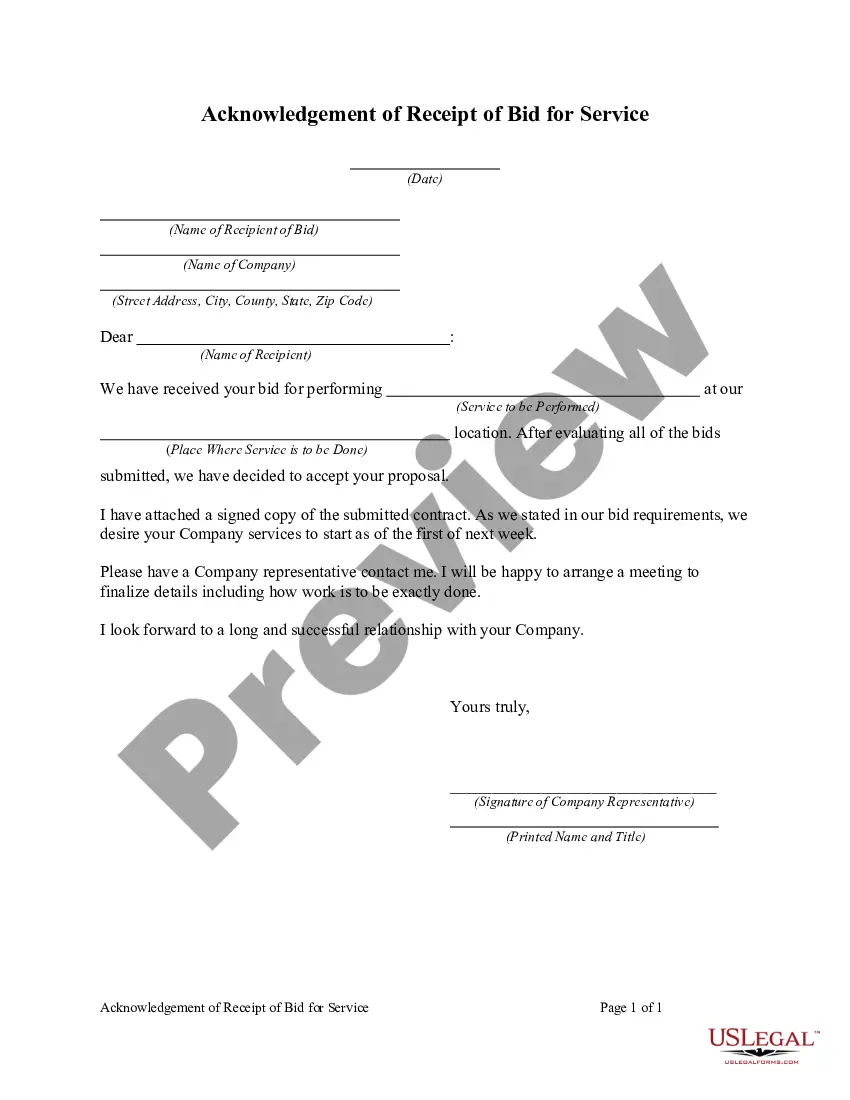
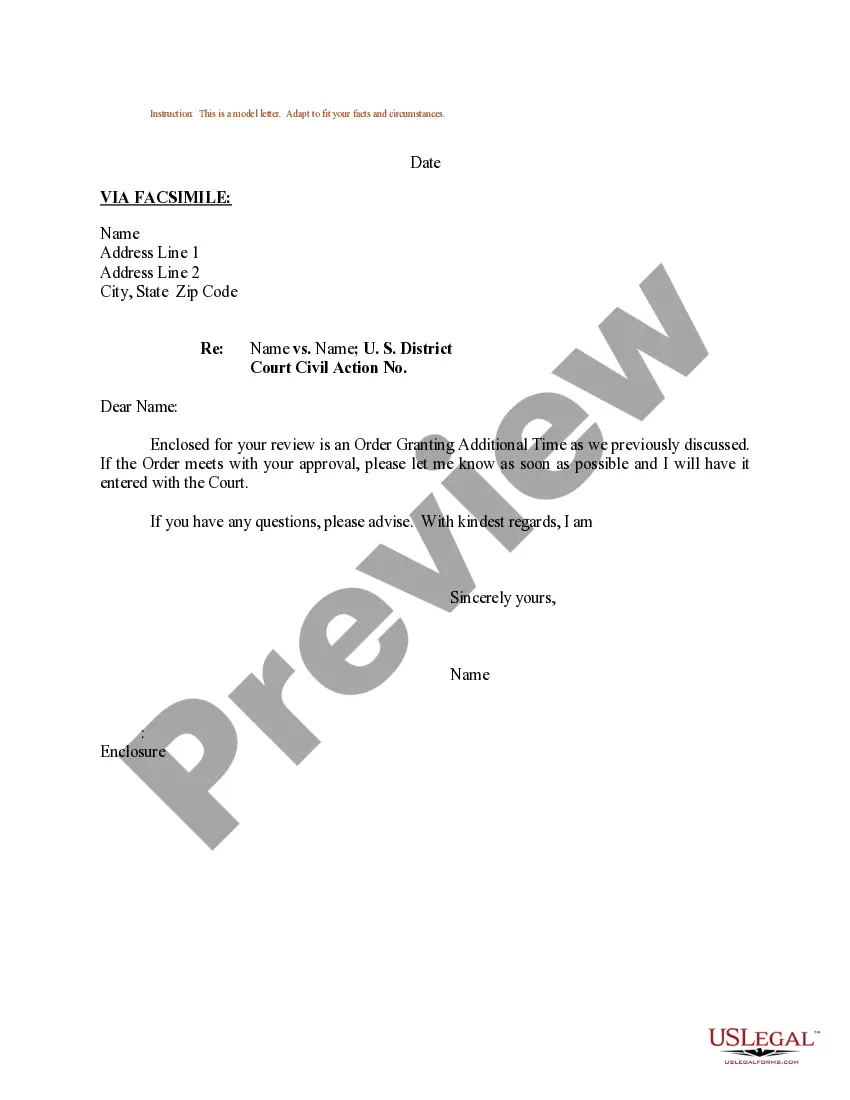
Request For Bid Extension In Bexar
Description



Get your form ready online
Our built-in tools help you complete, sign, share, and store your documents in one place.
Make edits, fill in missing information, and update formatting in US Legal Forms—just like you would in MS Word.
Download a copy, print it, send it by email, or mail it via USPS—whatever works best for your next step.
Sign and collect signatures with our SignNow integration. Send to multiple recipients, set reminders, and more. Go Premium to unlock E-Sign.
If this form requires notarization, complete it online through a secure video call—no need to meet a notary in person or wait for an appointment.
We protect your documents and personal data by following strict security and privacy standards.

Make edits, fill in missing information, and update formatting in US Legal Forms—just like you would in MS Word.

Download a copy, print it, send it by email, or mail it via USPS—whatever works best for your next step.

Sign and collect signatures with our SignNow integration. Send to multiple recipients, set reminders, and more. Go Premium to unlock E-Sign.

If this form requires notarization, complete it online through a secure video call—no need to meet a notary in person or wait for an appointment.

We protect your documents and personal data by following strict security and privacy standards.
Looking for another form?








Form popularity
FAQ
A Request for Qualifications (RFQ) usually refers to the pre-qualification stage of the procurement process. Only those proponents who successfully respond to the RFQ and meet the qualification criteria will be included in the subsequent Request for Proposals (RFP) solicitation process.
Bids – Bids are more formalized versions of a proposal that are submitted when two or more contractors compete for a project. They should be detailed to allow clients to compare costs, timelines, and other deciding factors that allow them to locate the best partner for their unique needs.
A request for bid (RFB), or an invitation to bid (ITB) for construction, is a document prepared by the project owner to solicit bids from qualified contractors. An RFB outlines detailed project specifications, including project scope, materials, measurements, plans, contract terms, and timeline.
What is the difference between an IFB, an RFP, and an RFQ? Invitations for Bids (IFB) are the most commonly used solicitation type. Request for Proposals (RFP) are used for specialized or complex professional services, including financial audits, IT services, development consultancies, and garbage collection etc.
Steps In an RFP Process 1 Discovery. Before drafting the RFP, it is imperative to do some thorough internal planning with the stakeholders that can guide the RFP writer in understanding the project requirements and constraints. 2 Draft And Issue. 3 Review The Bids. 4 Select a Winner and Send the Contract.