International Contractor Agreement Template With Contract In Washington
Description





Get your form ready online
Our built-in tools help you complete, sign, share, and store your documents in one place.
Make edits, fill in missing information, and update formatting in US Legal Forms—just like you would in MS Word.
Download a copy, print it, send it by email, or mail it via USPS—whatever works best for your next step.
Sign and collect signatures with our SignNow integration. Send to multiple recipients, set reminders, and more. Go Premium to unlock E-Sign.
If this form requires notarization, complete it online through a secure video call—no need to meet a notary in person or wait for an appointment.
We protect your documents and personal data by following strict security and privacy standards.

Make edits, fill in missing information, and update formatting in US Legal Forms—just like you would in MS Word.

Download a copy, print it, send it by email, or mail it via USPS—whatever works best for your next step.

Sign and collect signatures with our SignNow integration. Send to multiple recipients, set reminders, and more. Go Premium to unlock E-Sign.

If this form requires notarization, complete it online through a secure video call—no need to meet a notary in person or wait for an appointment.

We protect your documents and personal data by following strict security and privacy standards.
Looking for another form?

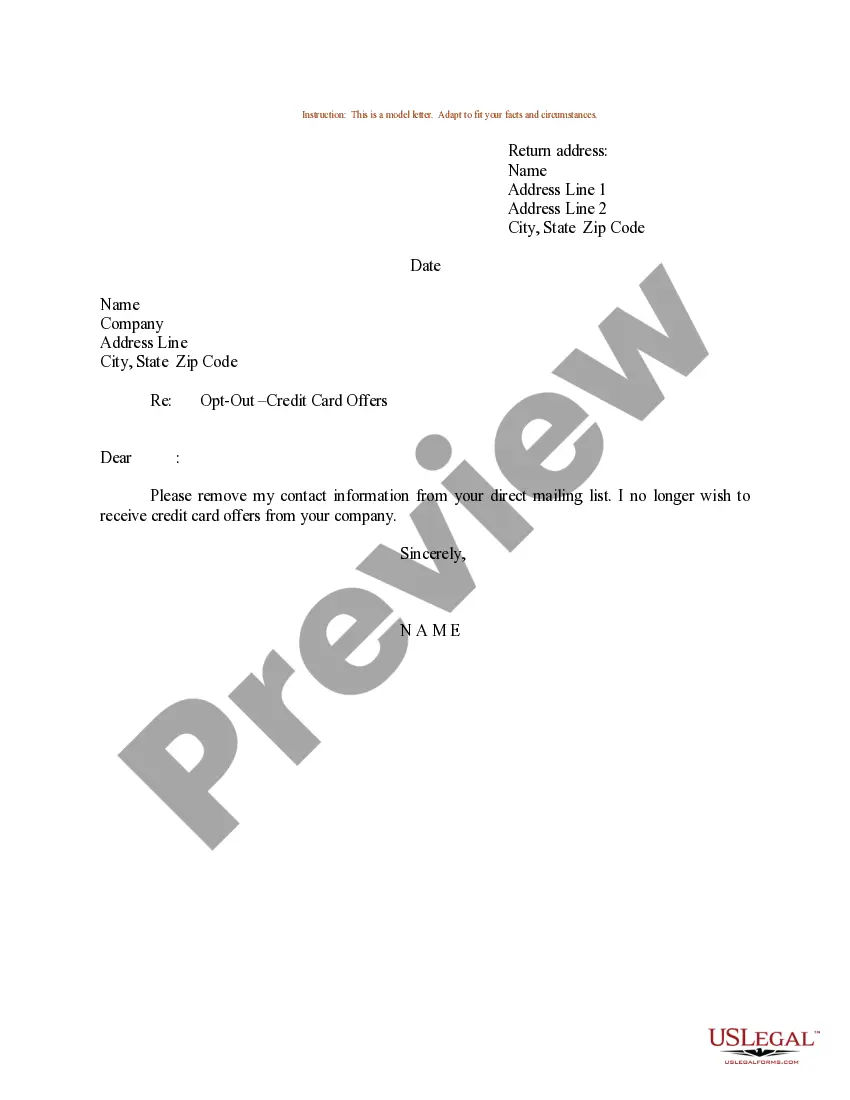



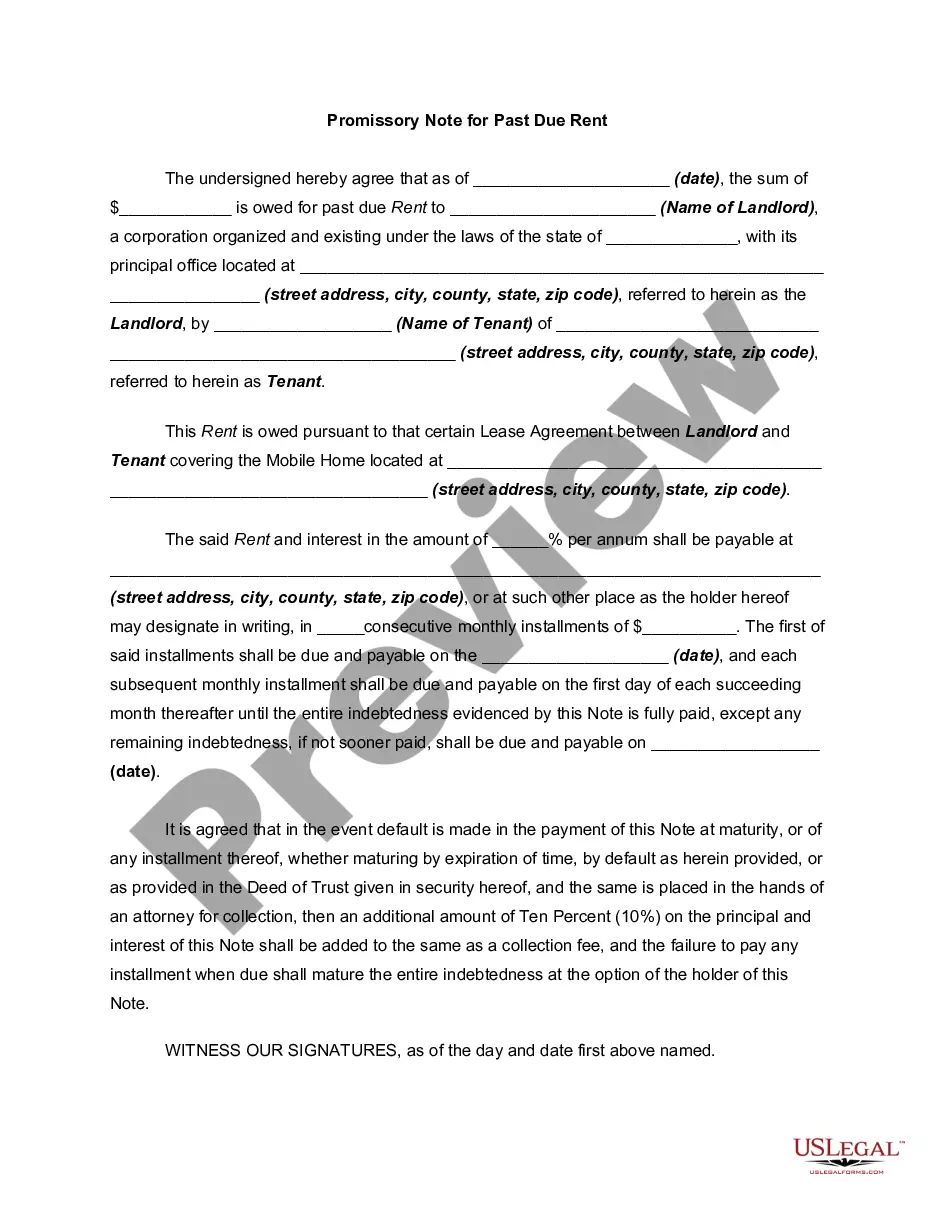
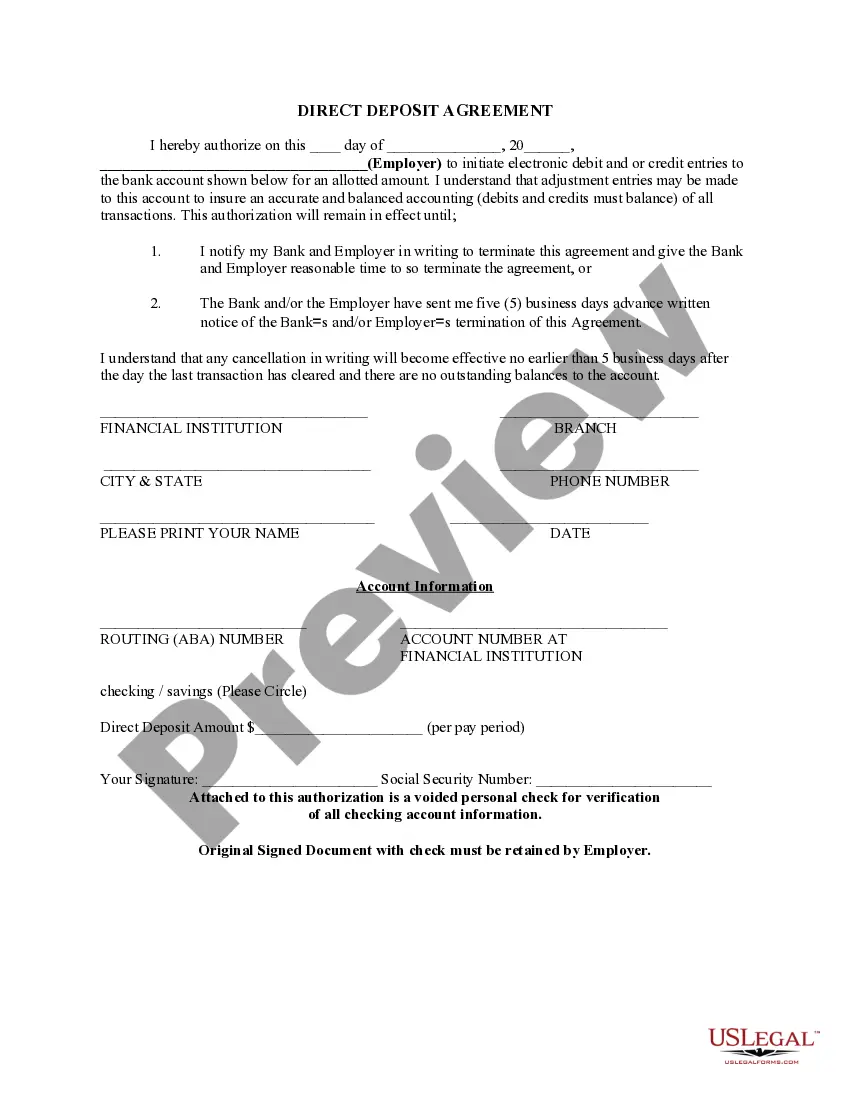



Form popularity
FAQ
Some common types of international contracts include sales agreements, distribution agreements, licensing agreements, joint venture agreements, and employment contracts.
Hiring international independent contractors can be a simple solution for meeting your global staffing needs, but only if you thoroughly understand how to work with contractors in their host country in order to minimize the risk of employee misclassification.
In an international business contract, it's essential to define the jurisdiction that will govern the contract and the laws that will apply in the event of a dispute. Your dispute resolution section should also detail the agreed-upon dispute resolution mechanism.
Top ten tips in drafting and negotiating an international contract Avoiding retaliation claims. The language of the contract. Clear contract prose. Common law versus civil law. Jurisdictional issues. Terms of art. Personnel. In negotiations, expect the unexpected.
An offer can be made to an individual, a group of persons, or even the whole world (all law students have to learn the 1893 case of Carlill v Carbolic Smoke Ball Co in which a gazette advertisement was deemed to constitute a contract offer).
Top ten tips in drafting and negotiating an international contract Avoiding retaliation claims. The language of the contract. Clear contract prose. Common law versus civil law. Jurisdictional issues. Terms of art. Personnel. In negotiations, expect the unexpected.
However, the IRS doesn't require a company to withhold taxes or report any income from an international contractor if the contractor is not a U.S. citizen and the services provided are outside the U.S. filing forms 1099 is required if: The contractor is located internationally but is a U.S. citizen.
To be clear, international independent contractors aren't 1099 workers. But because “1099” is the IRS code for U.S.-based contract workers, U.S. companies may associate “1099” with all contractors, regardless of where the contractors are based.
