International Agreement Contract Format In Washington
Description





Get your form ready online
Our built-in tools help you complete, sign, share, and store your documents in one place.
Make edits, fill in missing information, and update formatting in US Legal Forms—just like you would in MS Word.
Download a copy, print it, send it by email, or mail it via USPS—whatever works best for your next step.
Sign and collect signatures with our SignNow integration. Send to multiple recipients, set reminders, and more. Go Premium to unlock E-Sign.
If this form requires notarization, complete it online through a secure video call—no need to meet a notary in person or wait for an appointment.
We protect your documents and personal data by following strict security and privacy standards.

Make edits, fill in missing information, and update formatting in US Legal Forms—just like you would in MS Word.

Download a copy, print it, send it by email, or mail it via USPS—whatever works best for your next step.

Sign and collect signatures with our SignNow integration. Send to multiple recipients, set reminders, and more. Go Premium to unlock E-Sign.

If this form requires notarization, complete it online through a secure video call—no need to meet a notary in person or wait for an appointment.

We protect your documents and personal data by following strict security and privacy standards.
Looking for another form?
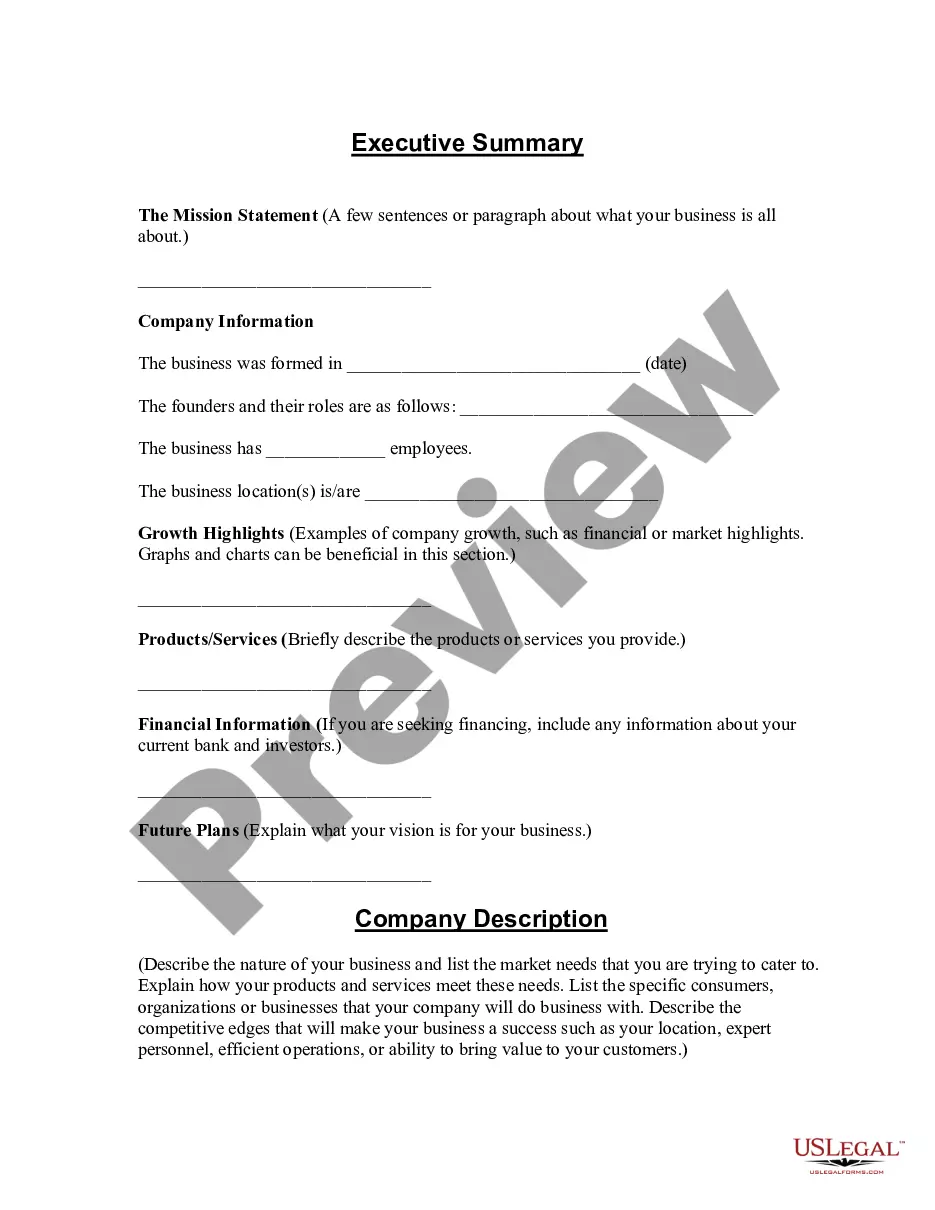



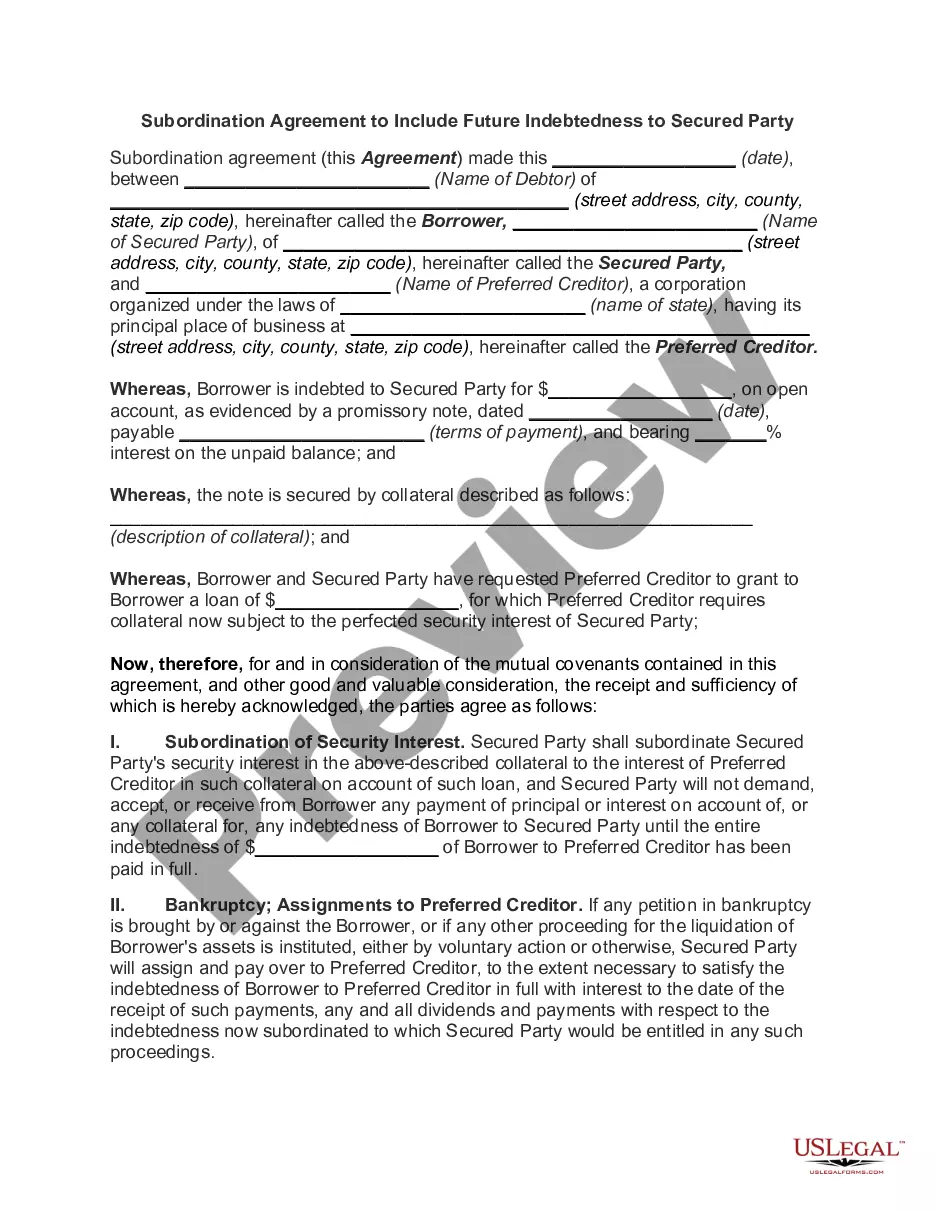





Form popularity
FAQ
Top ten tips in drafting and negotiating an international contract The language of the contract. Clear contract prose. Common law versus civil law. Jurisdictional issues. Terms of art. Personnel. In negotiations, expect the unexpected. Negotiation logistics.
International agreements are formal understandings or commitments between two or more countries. An agreement between two countries is called “bilateral,” while an agreement between several countries is “multilateral.” The countries bound by an international agreement are generally referred to as “States Parties.”
An international convention or treaty is an agreement between different countries that is legally binding to the contracting States.
Some common types of international contracts include sales agreements, distribution agreements, licensing agreements, joint venture agreements, and employment contracts.
In Washington, the basic maxim is “An agreement is enforceable if its terms are reasonably certain.” The terms of a contract are “reasonably certain” if they provide the ability for determining a breach/default and for giving an appropriate remedy in case of breach/default.
A domestic LLC or corporation is a business that is formed within its home (domestic) state. Foreign qualification is when a legal entity conducts business in a state or jurisdiction other than the one in which it was originally formed. (It is not to be confused with being a business in a foreign country.)
A foreign-owned LLC is an entity in which a foreign entity owns an interest, either directly or indirectly. This can be a single owner or a group of owners.
4 Steps To Register An Out-Of-State Business In Washington State File a Foreign Registration Statement with the Washington Secretary of State. File a certificate of existence with the Washington Secretary of State. File a business license application with the Washington Department of Revenue.
How to Form a Corporation in Washington Choose a Corporate Name. Choose Directors to serve on the Board of Directors. Prepare and file the Articles of Incorporation. Apply for a Federal Employer Identification Number (EIN) Write Corporate Bylaws. Create a Shareholder Agreement. Elect S Corporation status if desired.
A foreign LLC is a limited liability company that's been formed in one state or jurisdiction and is doing business in another state or jurisdiction. It's also known as an out-of-state LLC or a non-resident LLC.
