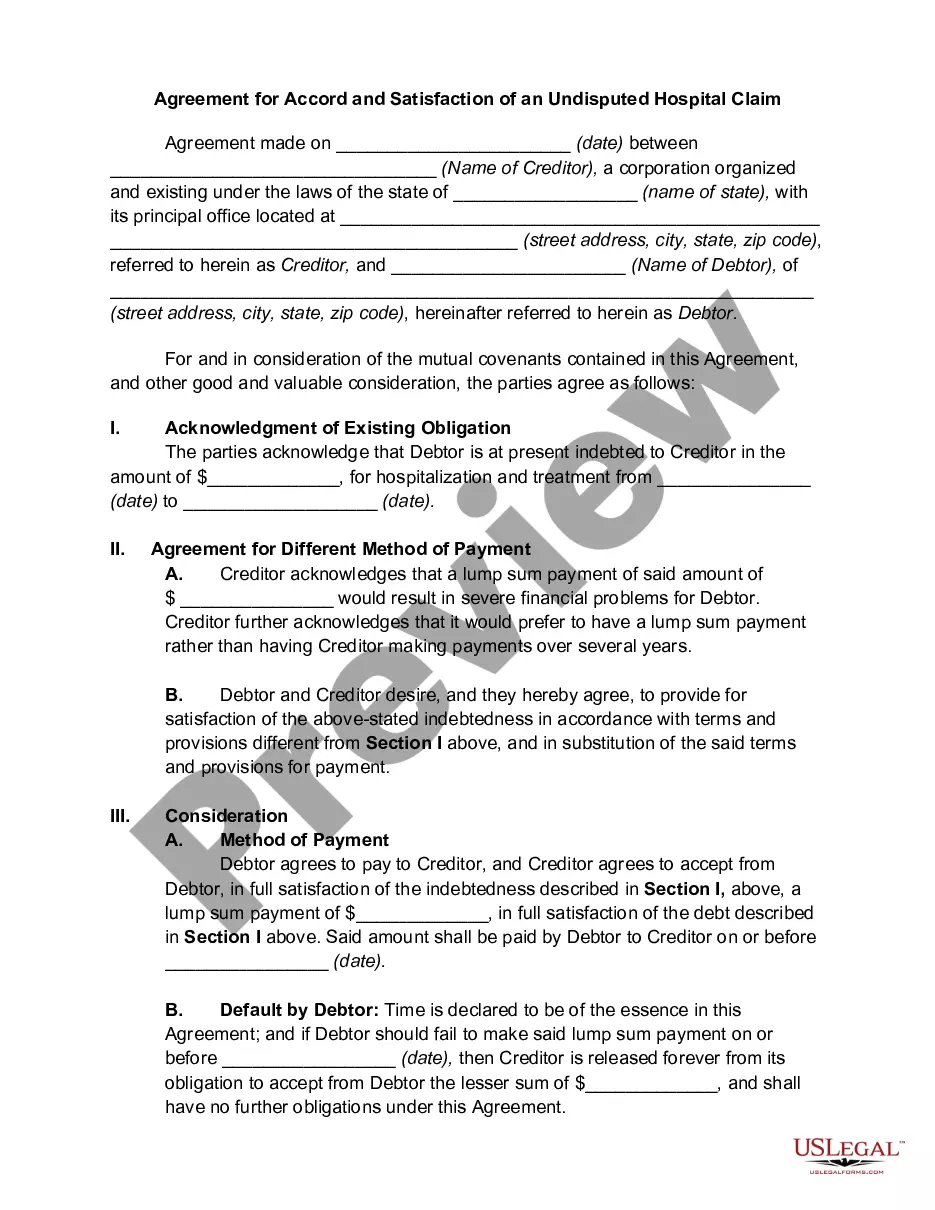
Define International Agreement In Tarrant
Description





Get your form ready online
Our built-in tools help you complete, sign, share, and store your documents in one place.
Make edits, fill in missing information, and update formatting in US Legal Forms—just like you would in MS Word.
Download a copy, print it, send it by email, or mail it via USPS—whatever works best for your next step.
Sign and collect signatures with our SignNow integration. Send to multiple recipients, set reminders, and more. Go Premium to unlock E-Sign.
If this form requires notarization, complete it online through a secure video call—no need to meet a notary in person or wait for an appointment.
We protect your documents and personal data by following strict security and privacy standards.

Make edits, fill in missing information, and update formatting in US Legal Forms—just like you would in MS Word.

Download a copy, print it, send it by email, or mail it via USPS—whatever works best for your next step.

Sign and collect signatures with our SignNow integration. Send to multiple recipients, set reminders, and more. Go Premium to unlock E-Sign.

If this form requires notarization, complete it online through a secure video call—no need to meet a notary in person or wait for an appointment.

We protect your documents and personal data by following strict security and privacy standards.
Looking for another form?







Form popularity
FAQ
There is a global consensus that while international law provides great guidelines for international conduct, it almost always fails to be effectively enforced. It is important to see how the U.N. system may become weak when those who violate the U.N.
This work is carried out in many ways - by courts, tribunals, multilateral treaties - and by the Security Council, which can approve peacekeeping missions, impose sanctions, or authorize the use of force when there is a threat to international peace and security, if it deems this necessary.
The domestic implementation and application of international law is the most fundamental and important means of enforcing international law. The “domestic implementation” of international law refers to the enactment of rules by national legislators to fulfill the international obligations of the state.
International law largely operates upon the consent of participating nations because no governing body exists to explicitly enforce international agreements.
This work is carried out in many ways - by courts, tribunals, multilateral treaties - and by the Security Council, which can approve peacekeeping missions, impose sanctions, or authorize the use of force when there is a threat to international peace and security, if it deems this necessary.
Top ten tips in drafting and negotiating an international contract The language of the contract. Clear contract prose. Common law versus civil law. Jurisdictional issues. Terms of art. Personnel. In negotiations, expect the unexpected. Negotiation logistics.
International agreements are formal understandings or commitments between two or more countries.
The United Nations publishes the United Nations Treaty Series, compiling the texts of treaties and other international agreements registered with the UN. The UNTS can be accessed online at the United Nations Treaty Collection .
The signature qualifies the signatory state to proceed to ratification, acceptance or approval. It also creates an obligation to refrain, in good faith, from acts that would defeat the object and the purpose of the treaty.
The main types of international contracts and its general characteristic. The purpose of this contract is to establish one or more sales points within a geographical area in a foreign country from which goods and services can be offered to specific clients.