International Contract Agreement Template For Construction In Minnesota
Description





Get your form ready online
Our built-in tools help you complete, sign, share, and store your documents in one place.
Make edits, fill in missing information, and update formatting in US Legal Forms—just like you would in MS Word.
Download a copy, print it, send it by email, or mail it via USPS—whatever works best for your next step.
Sign and collect signatures with our SignNow integration. Send to multiple recipients, set reminders, and more. Go Premium to unlock E-Sign.
If this form requires notarization, complete it online through a secure video call—no need to meet a notary in person or wait for an appointment.
We protect your documents and personal data by following strict security and privacy standards.

Make edits, fill in missing information, and update formatting in US Legal Forms—just like you would in MS Word.

Download a copy, print it, send it by email, or mail it via USPS—whatever works best for your next step.

Sign and collect signatures with our SignNow integration. Send to multiple recipients, set reminders, and more. Go Premium to unlock E-Sign.

If this form requires notarization, complete it online through a secure video call—no need to meet a notary in person or wait for an appointment.

We protect your documents and personal data by following strict security and privacy standards.
Looking for another form?
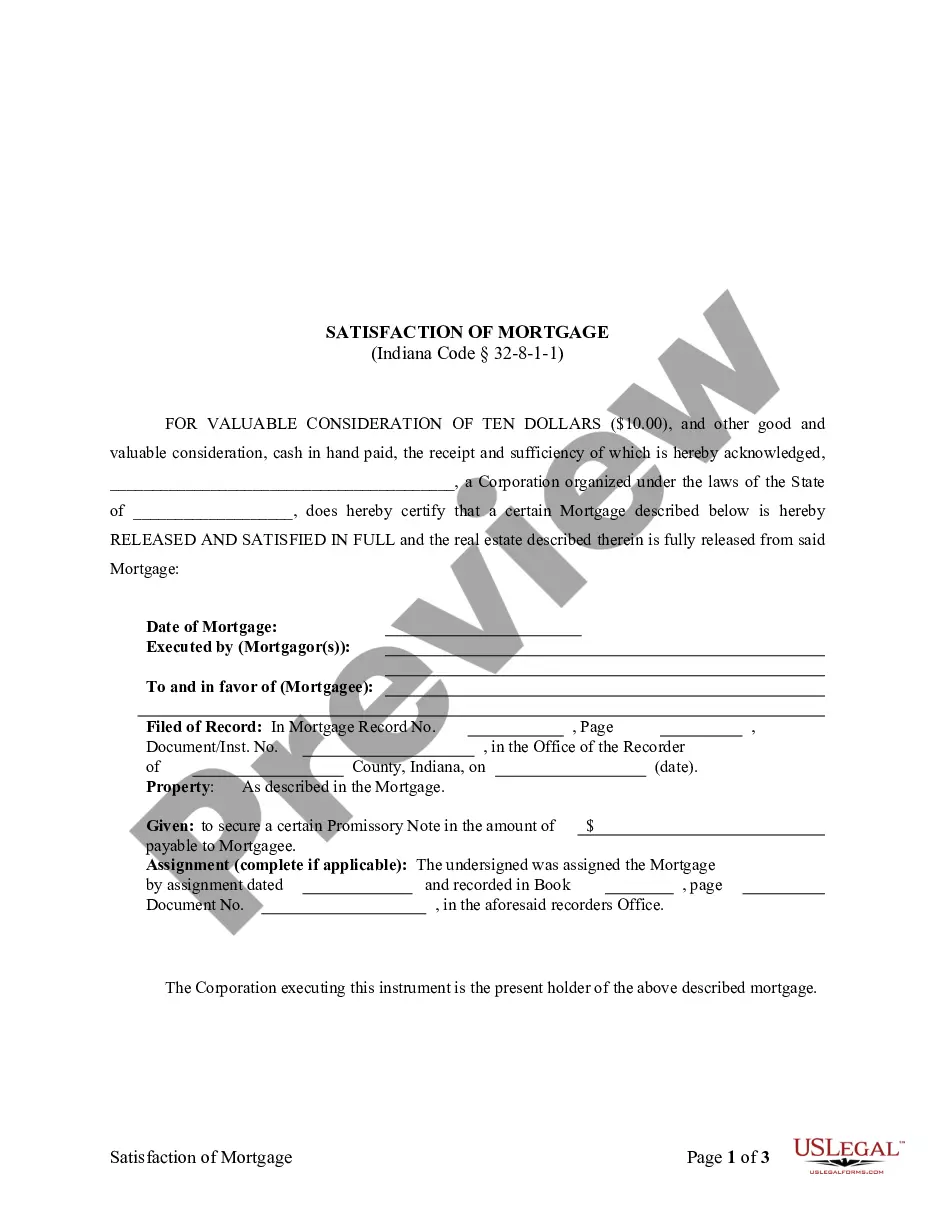






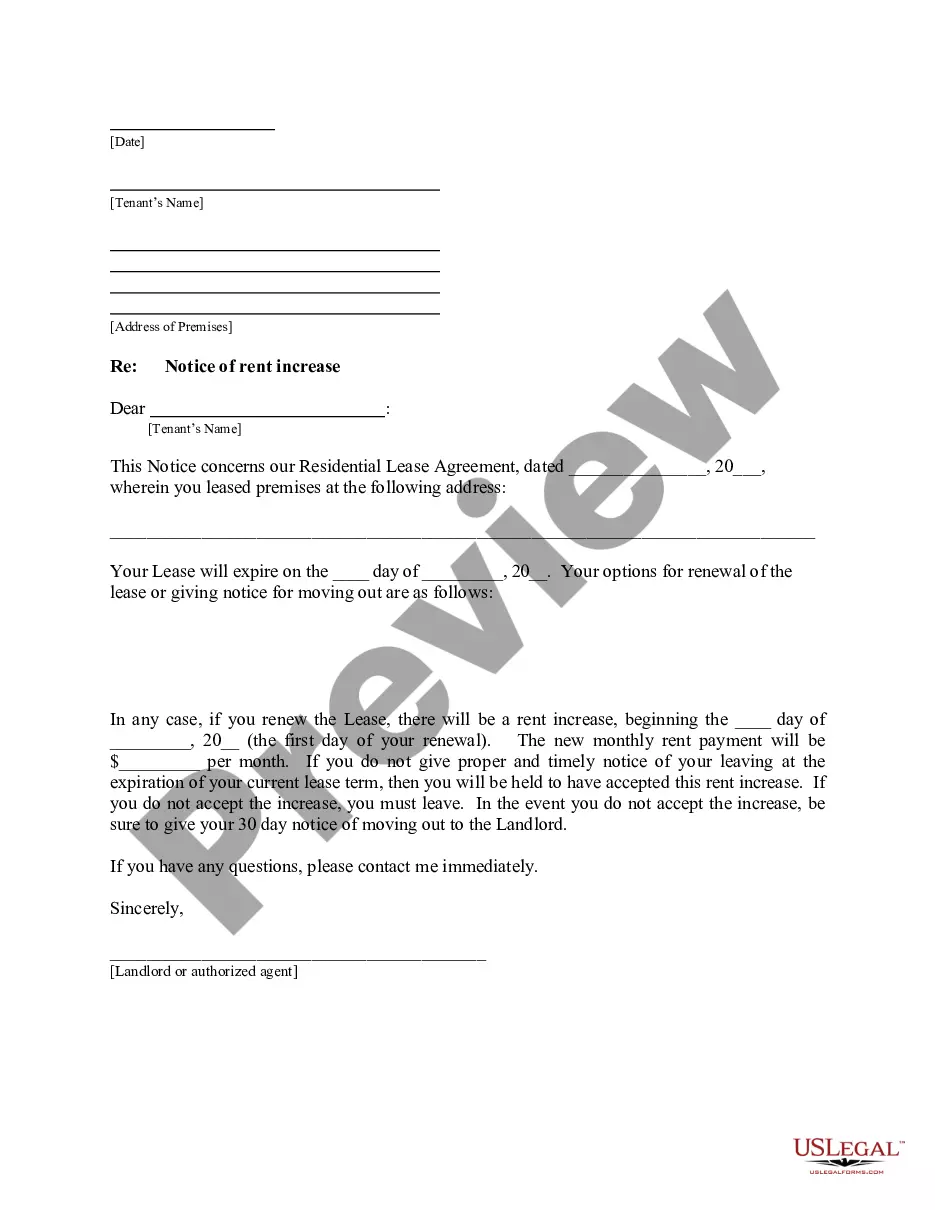

Form popularity
FAQ
These also vary by state. In California, the statute of repose is four years for most defects, but 10 years for latent defects (those that aren't observable right away, such as a faulty foundation). In Georgia, the statute of repose is eight years for all claims related to design or construction of the building.
That contract must include specific information about your rights and responsibilities. In addition, any changes made to that contract must be in writing, be legible, be easy to understand, and inform you of your rights to cancel or rescind the contract.
Minnesota's home warranty statute provides a one-year warranty for workmanship, a two-year warranty for systems (mechanical, electrical, HVAC), and a ten-year warranty against structural defects. The statute provides similar warranties for home remodeling work.
Yes, you can be sued for breach of contract for taking too long. Many times, this sort of claim is expensive to prove, and expensive to defend. A negotiated solution is far preferable to litigation in most cases like this.
Minnesota's statute of repose prohibits suing a contractor for most construction defects after between 10-12 years after the home is substantially completed. First, the statute provides that a claim can be asserted only for causes of action that “accrue” during the 10 years after the home is substantially completed.
What to avoid in construction contracts Unclear scope of work and specifications: An ambiguous scope of work can cause misinterpretation. Missing change order procedures: Not having change order procedures is a risk as construction projects rarely go exactly ing to plan.
Craft a solid business plan for your construction company An executive summary. An effective logo. Get your contractor's license. Register your business. Analyze your market. Choose your business structure and services. Online databases for contractors. Federal contracting opportunities.
Standard construction contracts should have the following information and clauses: Name of contractor and contact information. Include the contractor's license number along with phone number, email address, and company address. Name of homeowner and contact information.