Hiring Overseas Contractor With Green Card In Miami-Dade
Description

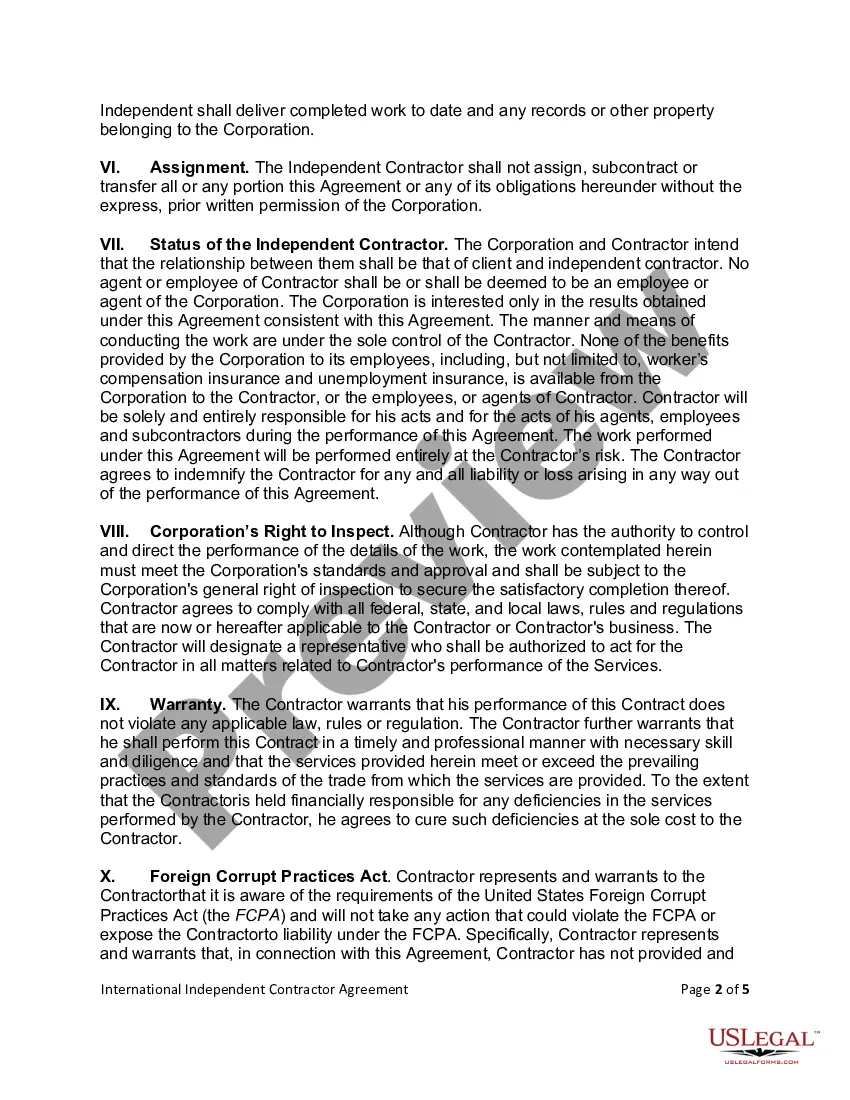
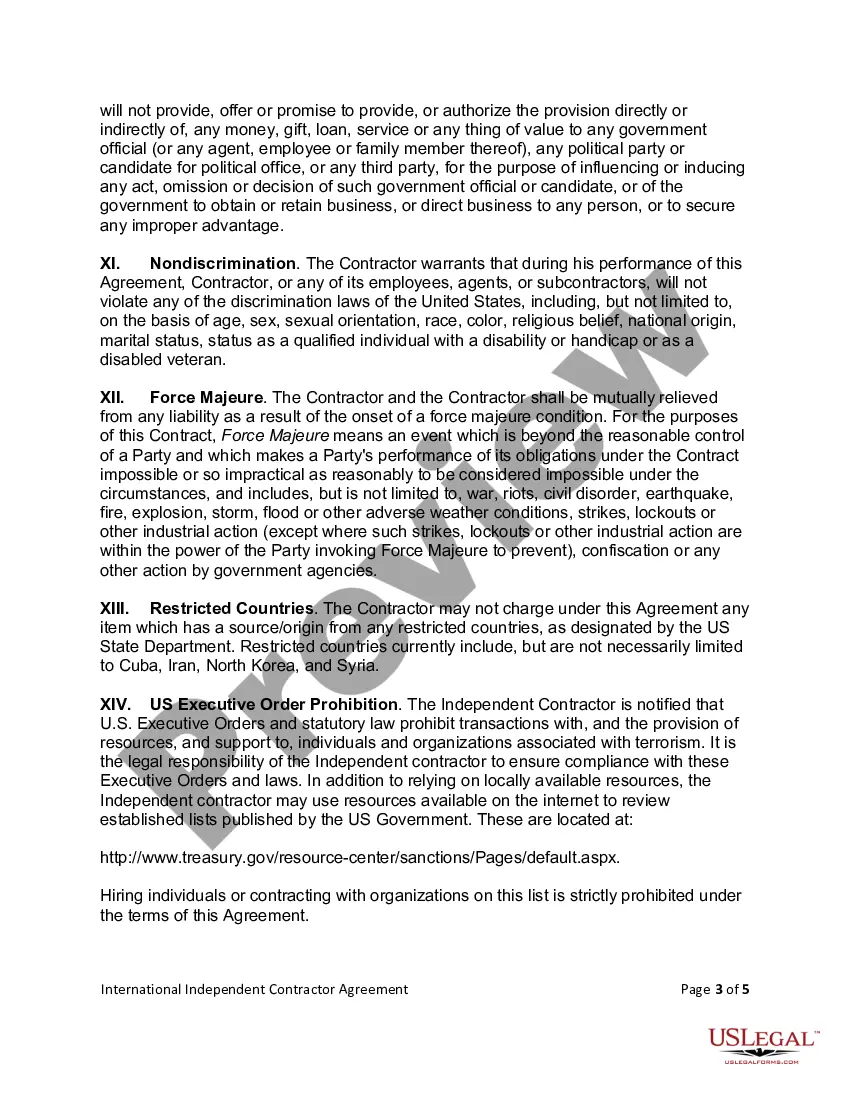
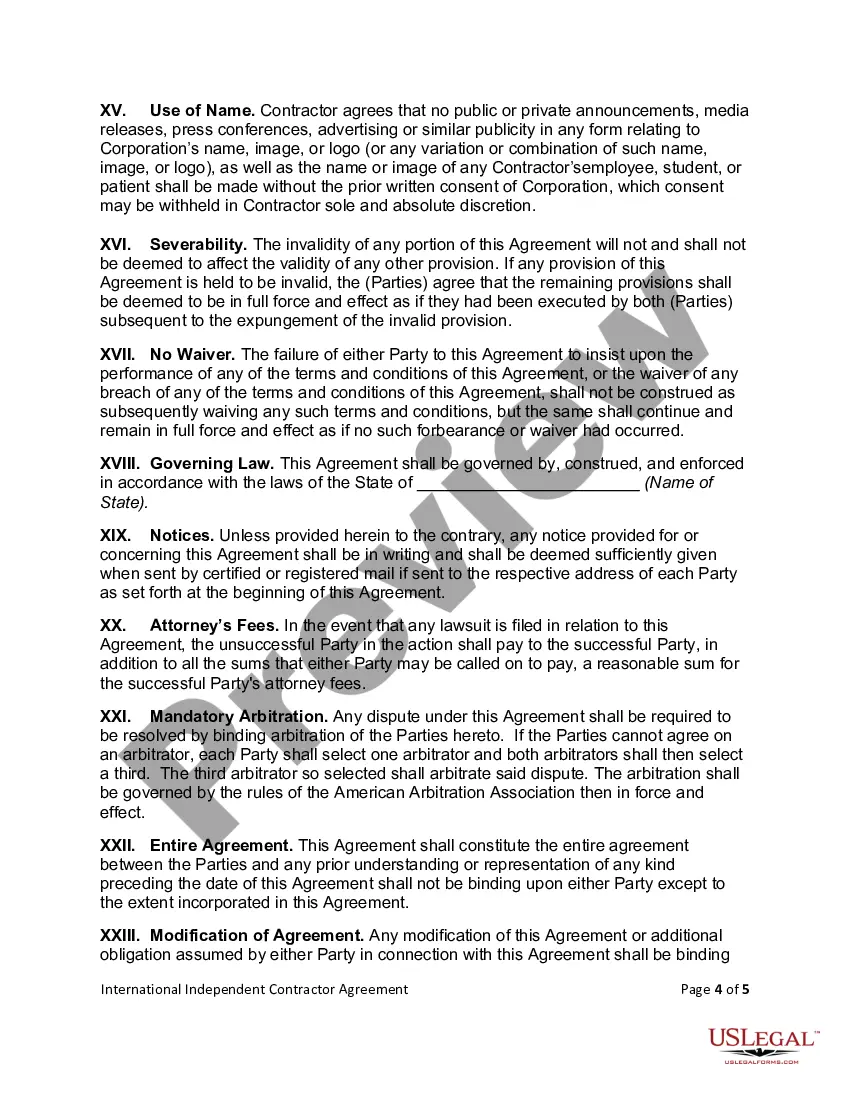
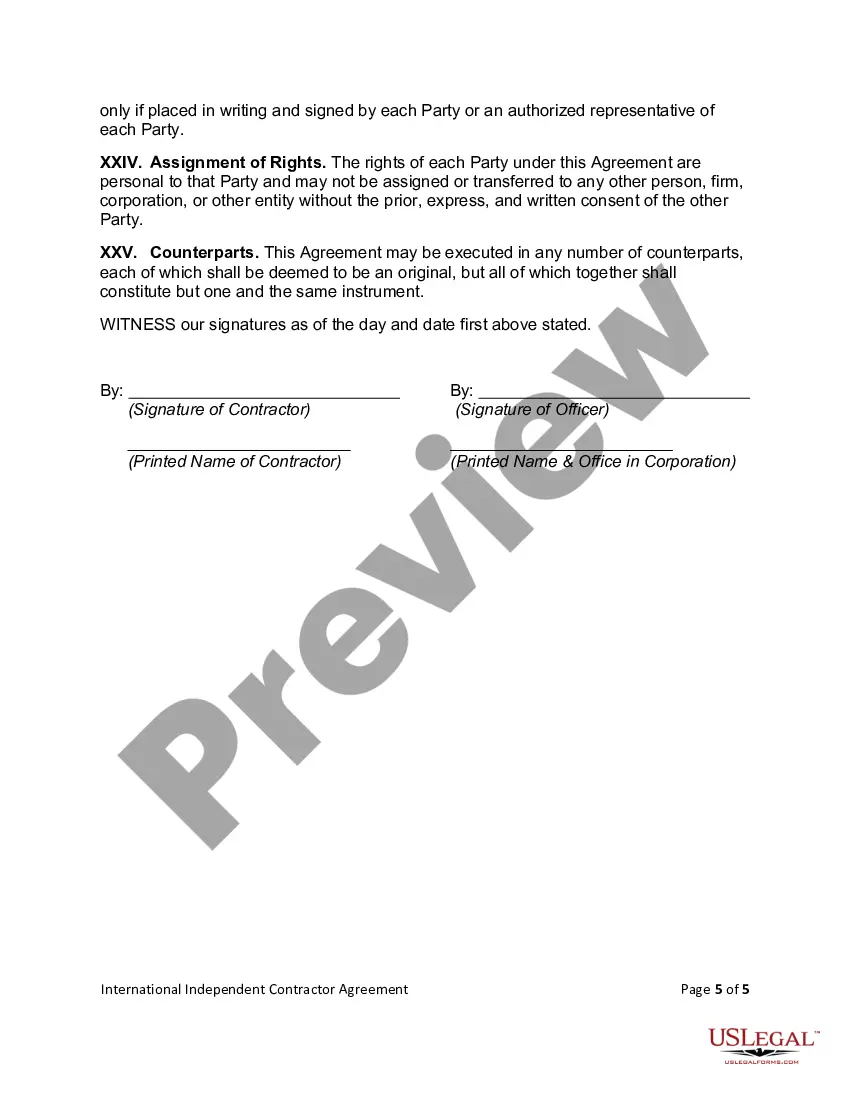
Get your form ready online
Our built-in tools help you complete, sign, share, and store your documents in one place.
Make edits, fill in missing information, and update formatting in US Legal Forms—just like you would in MS Word.
Download a copy, print it, send it by email, or mail it via USPS—whatever works best for your next step.
Sign and collect signatures with our SignNow integration. Send to multiple recipients, set reminders, and more. Go Premium to unlock E-Sign.
If this form requires notarization, complete it online through a secure video call—no need to meet a notary in person or wait for an appointment.
We protect your documents and personal data by following strict security and privacy standards.

Make edits, fill in missing information, and update formatting in US Legal Forms—just like you would in MS Word.

Download a copy, print it, send it by email, or mail it via USPS—whatever works best for your next step.

Sign and collect signatures with our SignNow integration. Send to multiple recipients, set reminders, and more. Go Premium to unlock E-Sign.

If this form requires notarization, complete it online through a secure video call—no need to meet a notary in person or wait for an appointment.

We protect your documents and personal data by following strict security and privacy standards.
Looking for another form?


Form popularity
FAQ
EB-3 (Green Card) The EB-3 visa is a more permanent solution to bringing construction employee to the U.S. Under the EB-3 category, an employer can sponsor the construction employee to come to the U.S. to work in permanent position (green card). Generally, this process can be completed within 12 to 24 months.
US citizen grandparents, aunts, uncles, in-laws, and cousins cannot sponsor a relative for immigration. There is an annual quota for visas in the following categories. See for visa waiting periods.
If you are a current or prospective employer of a foreign national, you may be able to sponsor your employee to become a permanent resident in the United States.
As a US company, you can sponsor green cards for both current and prospective employees. Depending on the foreign worker's qualifications, there are several paths to a green card, each with nuances. This guide will cover everything you need to know before sponsoring an employee's green card.
As an employer, you may require the services of an alien to work at your company or business. If the individual is already a permanent resident (Green Card holder), you may hire that individual, but you must comply with the employment verification requirements.
Obtaining a green card through an employer can be a complex and lengthy process . It involves multiple steps , including obtaining a job offer from a US employer , securing a labor certification from the Department of Labor , and filing a petition with the US Citizenship and Immigration Services .
EB-1A Green Cards: Requirements, Petitions, and Process. An EB-1A visa is meant for those with extraordinary abilities. In order to qualify for an EB-1A, you must be able to demonstrate extraordinary ability in the sciences, arts, education, business, or athletics.
As a B-1/B-2 visitor, you could potentially apply for a green card from within the United States, a process known as “adjustment of status” (AOS). You can also apply from your home country using consular processing.
The employment-based green card interview works to establish the authenticity of the information you have provided in your forms and supporting evidence. The questions will generally focus on: Your education, training, and job experience. Salary, remuneration, job condition for the new employment.
In addition, they will need to file a Form I-129 to obtain the H-2B visas. From start to finish, the H-2B visa process might take four to six months. Ideally, any employer who is seeking H-2B foreign workers to fill their labor needs should start the process at least six months before the employment's start date.