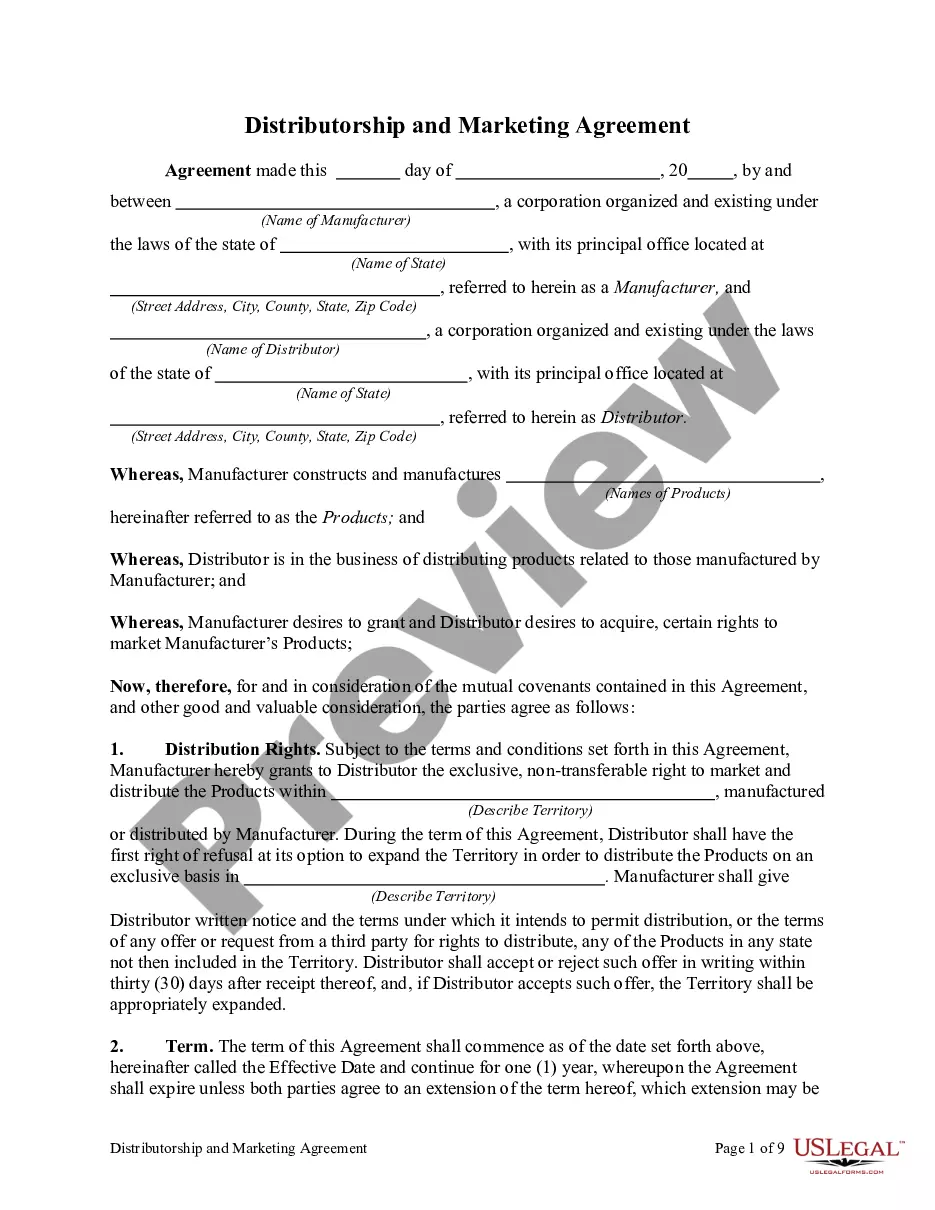
Independent Contractor Agreement With Non Compete Clause In Fulton
Description





Get your form ready online
Our built-in tools help you complete, sign, share, and store your documents in one place.
Make edits, fill in missing information, and update formatting in US Legal Forms—just like you would in MS Word.
Download a copy, print it, send it by email, or mail it via USPS—whatever works best for your next step.
Sign and collect signatures with our SignNow integration. Send to multiple recipients, set reminders, and more. Go Premium to unlock E-Sign.
If this form requires notarization, complete it online through a secure video call—no need to meet a notary in person or wait for an appointment.
We protect your documents and personal data by following strict security and privacy standards.

Make edits, fill in missing information, and update formatting in US Legal Forms—just like you would in MS Word.

Download a copy, print it, send it by email, or mail it via USPS—whatever works best for your next step.

Sign and collect signatures with our SignNow integration. Send to multiple recipients, set reminders, and more. Go Premium to unlock E-Sign.

If this form requires notarization, complete it online through a secure video call—no need to meet a notary in person or wait for an appointment.

We protect your documents and personal data by following strict security and privacy standards.
Looking for another form?







Form popularity
FAQ
The employer can still sue to enforce the non-compete agreement, but you may have counterclaims. Q: Can my employer force me to sign a non-compete? A: While an employer cannot technically force an employees to sign a non-compete, they can make it a condition of your continued employment.
The ban covers all non-competes for U.S. workers (including employees and independent contractors) with limited carve-outs, and is subject to certain exceptions based on the FTC's statutory authority.
Q: Are non-compete agreements enforceable in Georgia even if signed after employment commences and/or without any additional consideration? A: Yes, continued employment is generally considered sufficient consideration for a non-compete in Georgia.
The following are the most common ways to get out of a non-compete agreement: Determine that the terms of the contract do not in fact prevent you from a desired course of action. Recognize when a non-compete contradicts the law. Negotiate a release agreement with the involved parties. Ignore the agreement.
One of the most effective ways to get out of a non-compete agreement is to argue that it's unenforceable. Georgia courts will evaluate the terms of the agreement under the state's employment law, which requires that the restrictions be reasonable. If the agreement fails to meet the legal requirements, it may be voided.
Starting as early as August 22, 2024, employers in all 50 states will lose the protections of non-compete clauses in most existing employment contracts, and new non-compete agreements will be completely banned.
Firstly, yes, it would only apply to employees not true independent contractors. In any event, non-compete clauses are not generally enforceable in Canada. The only clauses that would be enforceable would be drafted with very specific language and boundaries.
The GRCA's blue-penciling provision allows Georgia courts some discretion to modify a restrictive covenant to make it reasonable (and enforceable), but, as previously discussed, while courts have discretion to “blue pencil” (narrow/sever) restrictive covenants to bring them into compliance with Georgia law, a court may ...
Q: Are non-compete agreements enforceable in Georgia even if signed after employment commences and/or without any additional consideration? A: Yes, continued employment is generally considered sufficient consideration for a non-compete in Georgia.