International Agreement Template With Notary In Franklin
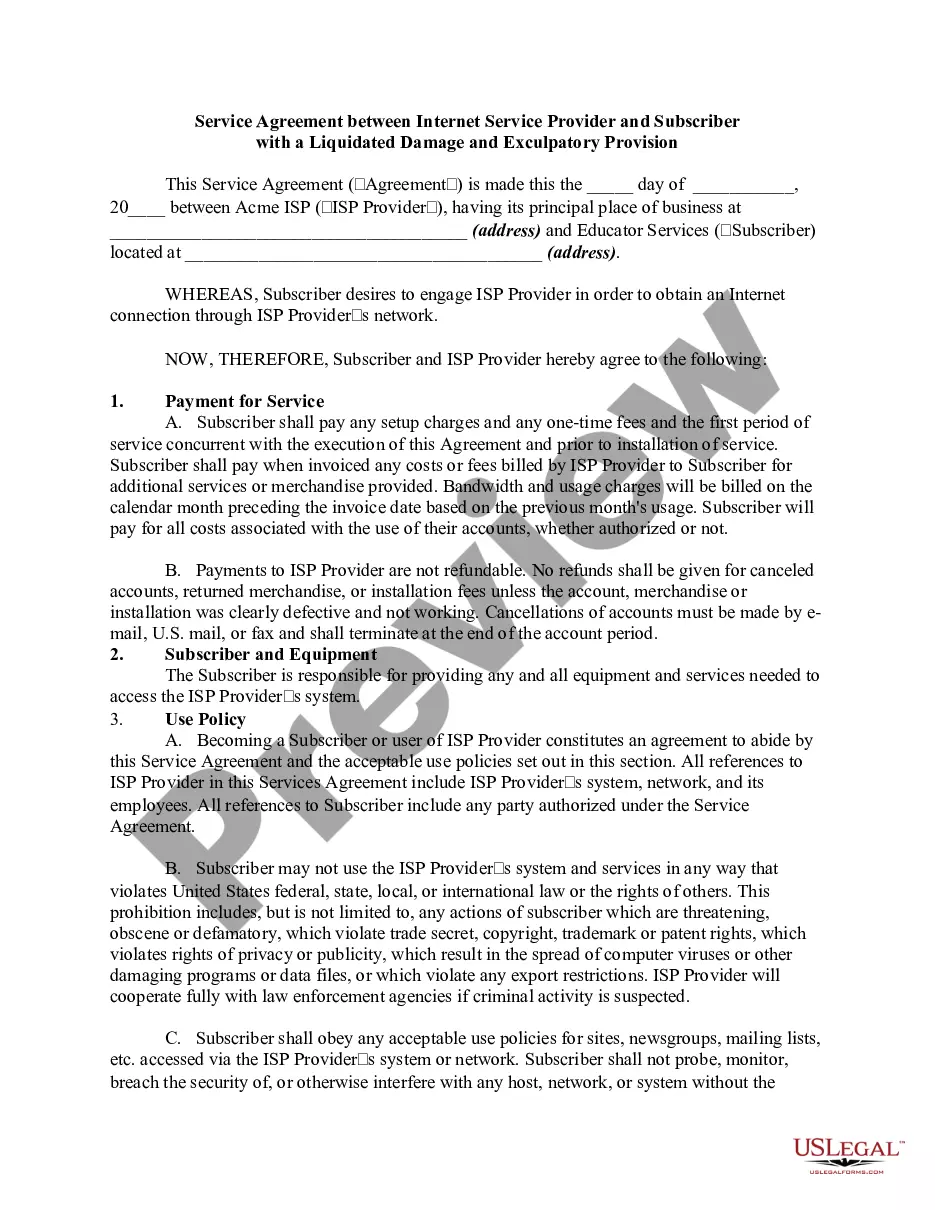
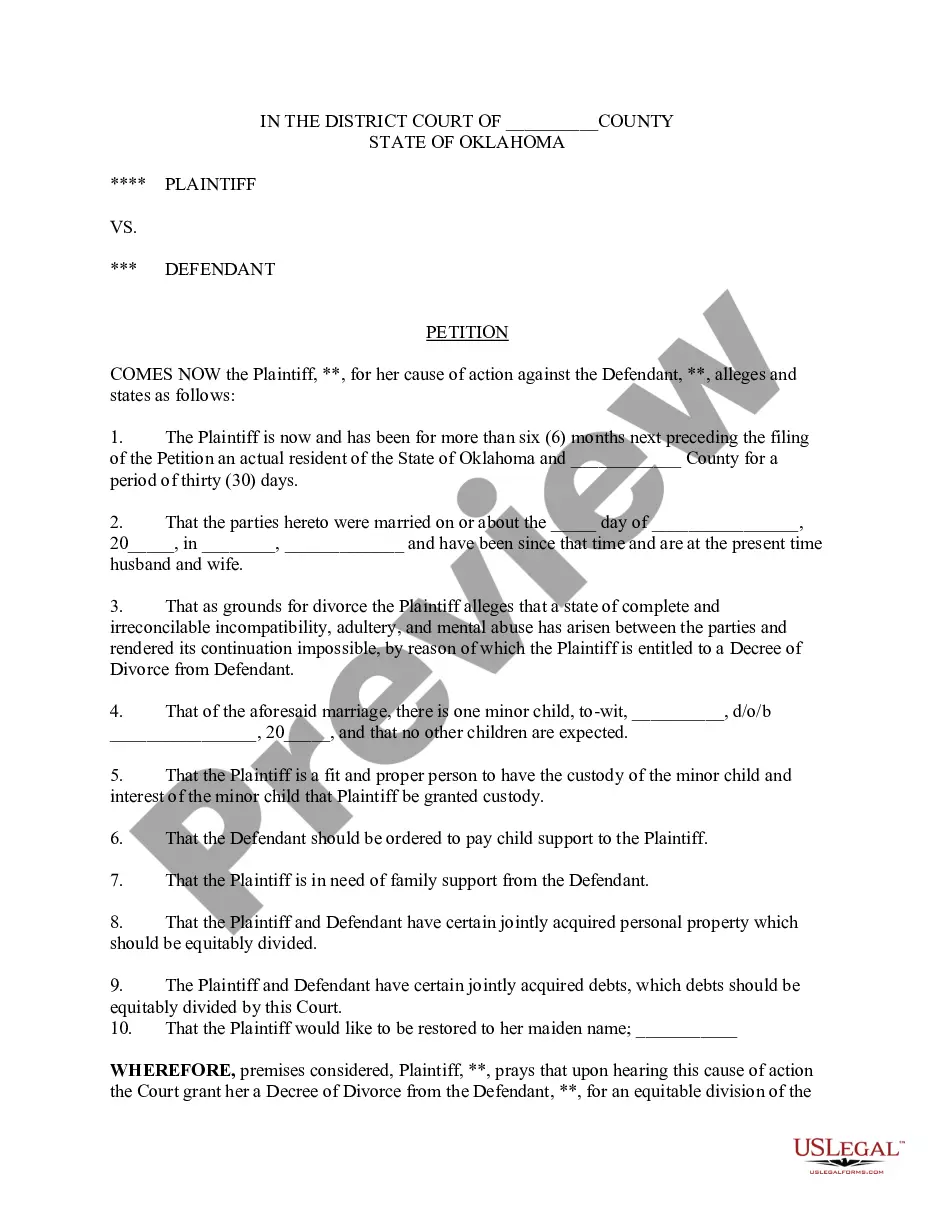
Description





Get your form ready online
Our built-in tools help you complete, sign, share, and store your documents in one place.
Make edits, fill in missing information, and update formatting in US Legal Forms—just like you would in MS Word.
Download a copy, print it, send it by email, or mail it via USPS—whatever works best for your next step.
Sign and collect signatures with our SignNow integration. Send to multiple recipients, set reminders, and more. Go Premium to unlock E-Sign.
If this form requires notarization, complete it online through a secure video call—no need to meet a notary in person or wait for an appointment.
We protect your documents and personal data by following strict security and privacy standards.

Make edits, fill in missing information, and update formatting in US Legal Forms—just like you would in MS Word.

Download a copy, print it, send it by email, or mail it via USPS—whatever works best for your next step.

Sign and collect signatures with our SignNow integration. Send to multiple recipients, set reminders, and more. Go Premium to unlock E-Sign.

If this form requires notarization, complete it online through a secure video call—no need to meet a notary in person or wait for an appointment.

We protect your documents and personal data by following strict security and privacy standards.
Looking for another form?





Form popularity
FAQ
The signature of a notary public is going to look just like any other signature; however, one important feature that sets a notary public apart is the seal. There could be a raised stamp or seal that embosses the letter, setting a notarized document apart from others.
Embassy and consular staff are authorized to notarize documents being sent to their home countries. If a foreign country requests a notarial act for a signer's document that a U.S. Notary isn't authorized to perform, the signer can contact a local consulate or embassy of the receiving nation for assistance.
In countries that are part of the Hague Convention, get your document notarized by a local notary. You can have the document authenticated for use in the United States. U.S. embassies and consulates may authenticate documents in countries not in the Hague Convention.
To make a notarized letter, begin with your contact details, create a clear message explaining the purpose of the letter. Include any legal language if necessary. Conclude with a formal closing and leave space for your signature. And that's how you write a statement that needs to be notarized.
To make a notarized letter, begin with your contact details, create a clear message explaining the purpose of the letter. Include any legal language if necessary. Conclude with a formal closing and leave space for your signature. And that's how you write a statement that needs to be notarized.
A notarized letter should include the date, full names of all parties, specific addresses, the purpose of the letter, relevant dates and terms, signatures, and a formal tone with proper formatting.
For any non-English document, the best option is to refer the signer to a Notary who reads and writes the language of the document. If that is not possible, the Notary should only proceed if the notarial certificate itself is in English or another language the Notary reads and writes.
Yes, you may notarize a signature on a document that includes handwritten paragraphs. A document can be typed or handwritten.
In countries that are part of the Hague Convention, get your document notarized by a local notary. You can have the document authenticated for use in the United States. U.S. embassies and consulates may authenticate documents in countries not in the Hague Convention.
One of the most common mistakes that notaries make is not printing or signing their name exactly as it appears on their notary commission.
