International Agreement Template Withdrawal In California
Description





Get your form ready online
Our built-in tools help you complete, sign, share, and store your documents in one place.
Make edits, fill in missing information, and update formatting in US Legal Forms—just like you would in MS Word.
Download a copy, print it, send it by email, or mail it via USPS—whatever works best for your next step.
Sign and collect signatures with our SignNow integration. Send to multiple recipients, set reminders, and more. Go Premium to unlock E-Sign.
If this form requires notarization, complete it online through a secure video call—no need to meet a notary in person or wait for an appointment.
We protect your documents and personal data by following strict security and privacy standards.

Make edits, fill in missing information, and update formatting in US Legal Forms—just like you would in MS Word.

Download a copy, print it, send it by email, or mail it via USPS—whatever works best for your next step.

Sign and collect signatures with our SignNow integration. Send to multiple recipients, set reminders, and more. Go Premium to unlock E-Sign.

If this form requires notarization, complete it online through a secure video call—no need to meet a notary in person or wait for an appointment.

We protect your documents and personal data by following strict security and privacy standards.
Looking for another form?
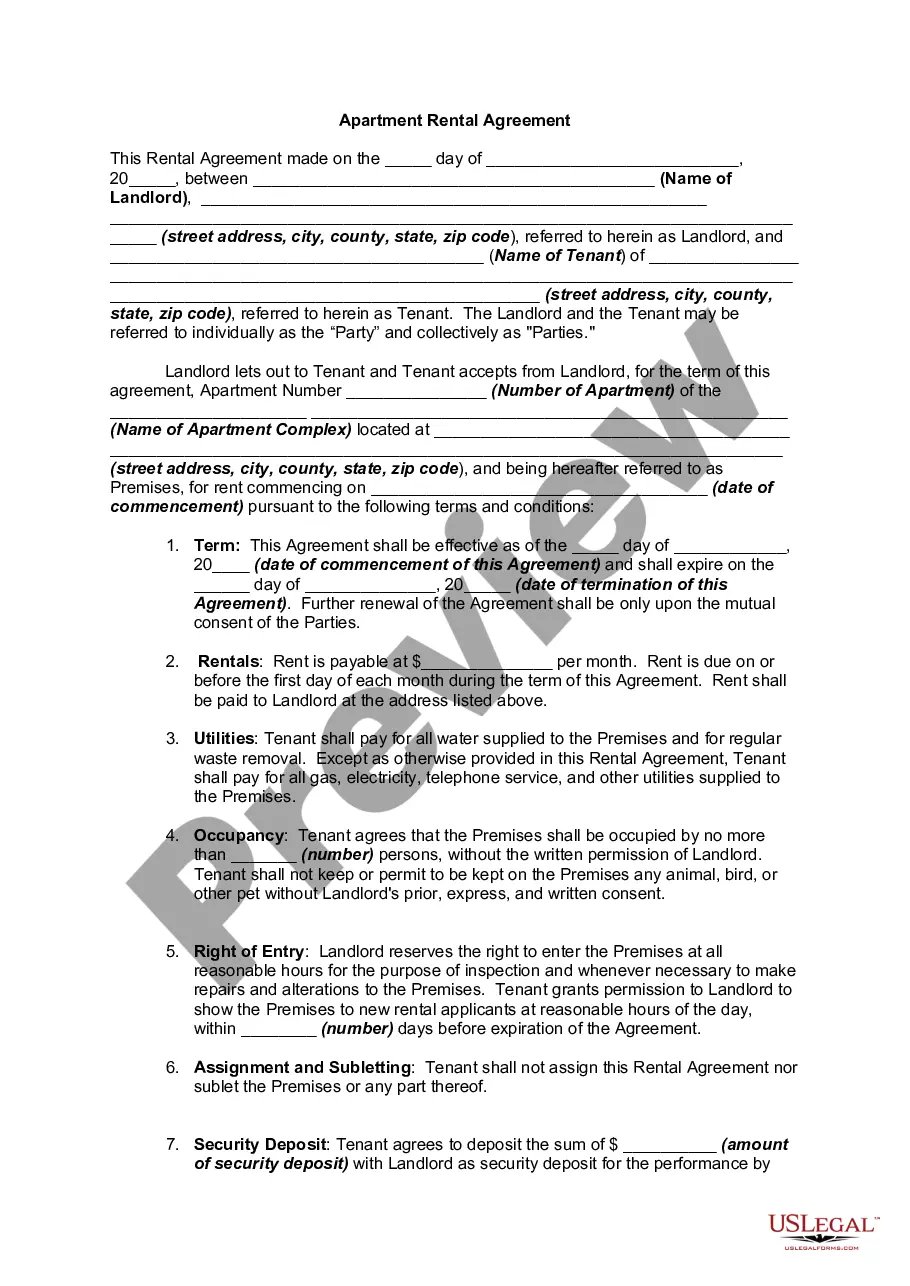



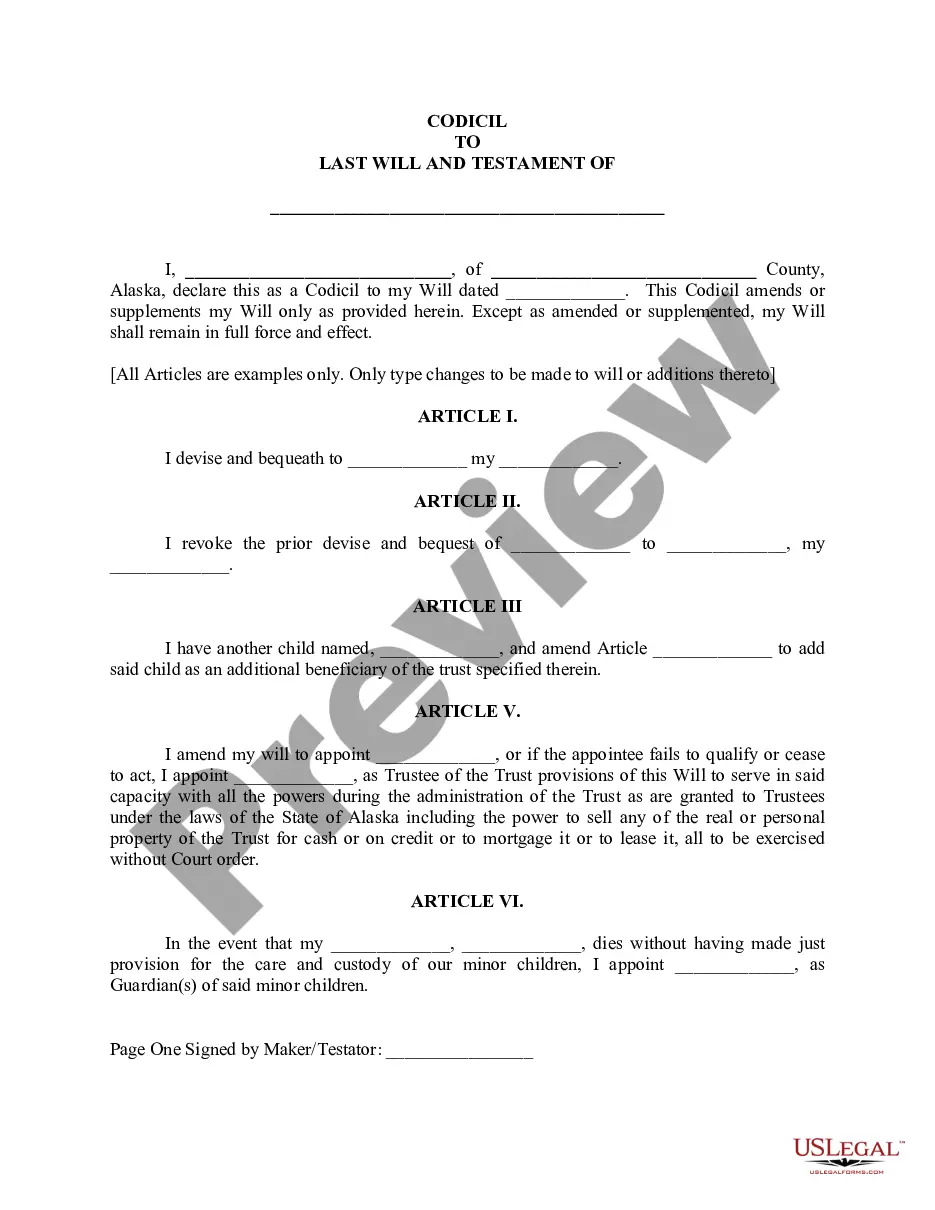
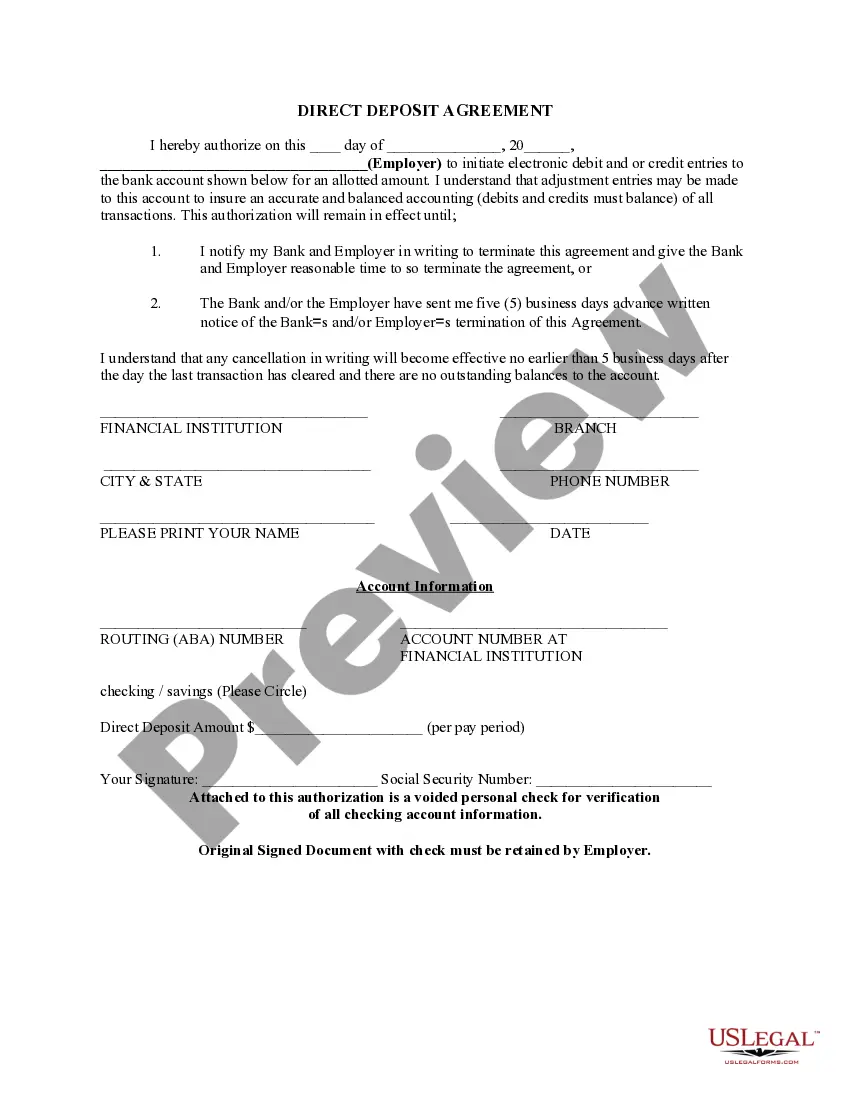



Form popularity
FAQ
Legally, you can be your own registered agent in most states, but there's a catch. This decision might present unintended consequences, like having to be present at your business location during normal business hours, extra paperwork, and compromised privacy.
To submit Form SI-100, you may file it online at the California Secretary of State's website or mail it to the Statement of Information Unit at P.O. Box 944230, Sacramento, CA 94244-2300. For in-person submissions, visit the Sacramento office located at 1500 11th Street, Sacramento, CA 95814.
The Articles of Incorporation or Articles of Organization are the initial documents that create the entity. At the same time, the statement of information regularly provides updated information about the business to the state government.
You can be your own registered agent in California, but you'll have to list your name and address in the public record. Many business owners don't want the hassle that comes with this (unsolicited phone calls, junk mail offers, etc.). Hiring a registered agent keeps your information out of the public record.
In the US, the role is generally a requirement of US State law and is known as a registered agent, a resident agent or statutory agent. Process agents are also utilized in the US by truck drivers, brokers or freight forwarders for similar purposes.
What is an "agent for service of process" and who can be such an agent? An agent for service of process is an individual who resides in California, or a registered 1505 corporate agent, designated to accept service of process (court papers) if the business entity is sued.
Yes, you can be your own Registered Agent in California as long as you meet the state requirements. (Unfortunately, most Registered Agent Services and LLC filing companies hide this information.) We explain the pros and cons below – as well as your additional options – so you can make your own decision.
A domestic (California) or foreign (out–of–state or out–of–country) corporation, cooperative, limited liability company and limited partnership can dissolve, surrender or cancel by filing the applicable termination form(s) online at bizfileOnline.sos.ca.
A domestic (California) or foreign (out–of–state or out–of–country) corporation, cooperative, limited liability company and limited partnership can dissolve, surrender or cancel by filing the applicable termination form(s) online at bizfileOnline.sos.ca.
