International Agreement Template With Notary In Alameda
Description





Get your form ready online
Our built-in tools help you complete, sign, share, and store your documents in one place.
Make edits, fill in missing information, and update formatting in US Legal Forms—just like you would in MS Word.
Download a copy, print it, send it by email, or mail it via USPS—whatever works best for your next step.
Sign and collect signatures with our SignNow integration. Send to multiple recipients, set reminders, and more. Go Premium to unlock E-Sign.
If this form requires notarization, complete it online through a secure video call—no need to meet a notary in person or wait for an appointment.
We protect your documents and personal data by following strict security and privacy standards.

Make edits, fill in missing information, and update formatting in US Legal Forms—just like you would in MS Word.

Download a copy, print it, send it by email, or mail it via USPS—whatever works best for your next step.

Sign and collect signatures with our SignNow integration. Send to multiple recipients, set reminders, and more. Go Premium to unlock E-Sign.

If this form requires notarization, complete it online through a secure video call—no need to meet a notary in person or wait for an appointment.

We protect your documents and personal data by following strict security and privacy standards.
Looking for another form?



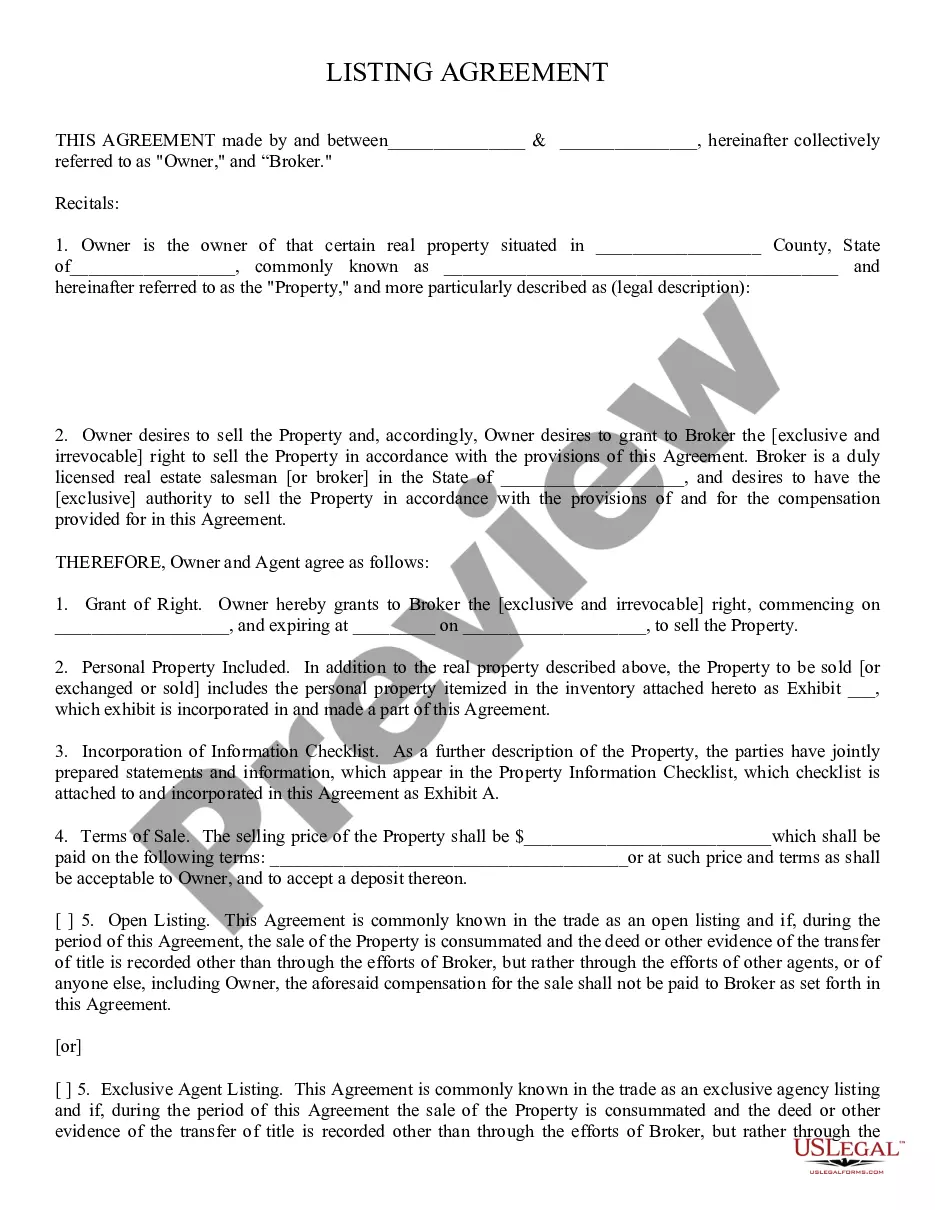
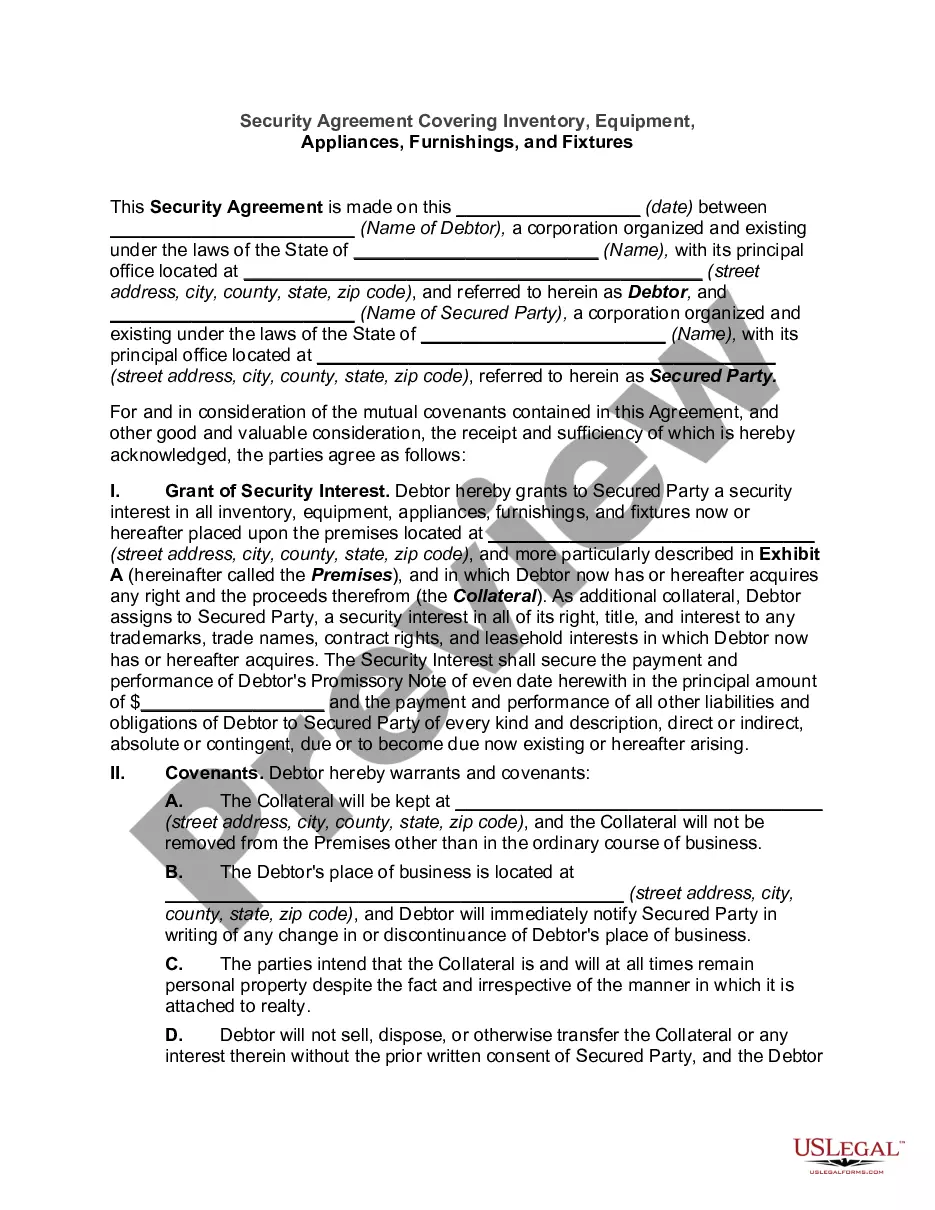

Form popularity
FAQ
Now that you understand the importance of notarizing immigration documents, let's walk through the steps to ensure your paperwork is in order: Step 1: Gather Your Documents. Step 2: Find a Notary Public. Step 3: Schedule an Appointment. Step 4: Present Your Documents. Step 5: Sign and Seal.
Where can I find a notary public abroad? You can go to a notary at any U.S. Embassy or Consulate. By getting a notarization at an embassy or consulate, you're required to make a personal appearance, meaning the person requesting the notarization must appear in-person.
Documents That Can't be Notarized Documents with blank or missing pages. Documents with faxed signatures (the signer must be present) Documents in which the notary has a financial interest or is not impartial for some other reason. Documents the notary suspects are false, deceptive, or illegal. Post-dated documents.
Yes. If the notarization of the document is in English, the California Secretary of State can issue an Apostille. The rest of the document can be in any other language.
The notary and the signer must be able to directly communicate in one language, without the need for any third party. Thus, it is not permissible to use a translator. ing to the California state laws, direct communication is an essential requirement when notarizing any foreign language documents.
FAQs about International Notary Yes, under specific circumstances a US notary public can notarize a document that will be used overseas. Notaries can perform notarial acts for documents going to be filed or recorded domestically or abroad.
One of the most common mistakes that notaries make is not printing or signing their name exactly as it appears on their notary commission.
How to write an agreement letter Title your document. Provide your personal information and the date. Include the recipient's information. Address the recipient and write your introductory paragraph. Write a detailed body. Conclude your letter with a paragraph, closing remarks, and a signature. Sign your letter.
A notarized letter should include the date, full names of all parties, specific addresses, the purpose of the letter, relevant dates and terms, signatures, and a formal tone with proper formatting.
For any non-English document, the best option is to refer the signer to a Notary who reads and writes the language of the document. If that is not possible, the Notary should only proceed if the notarial certificate itself is in English or another language the Notary reads and writes.