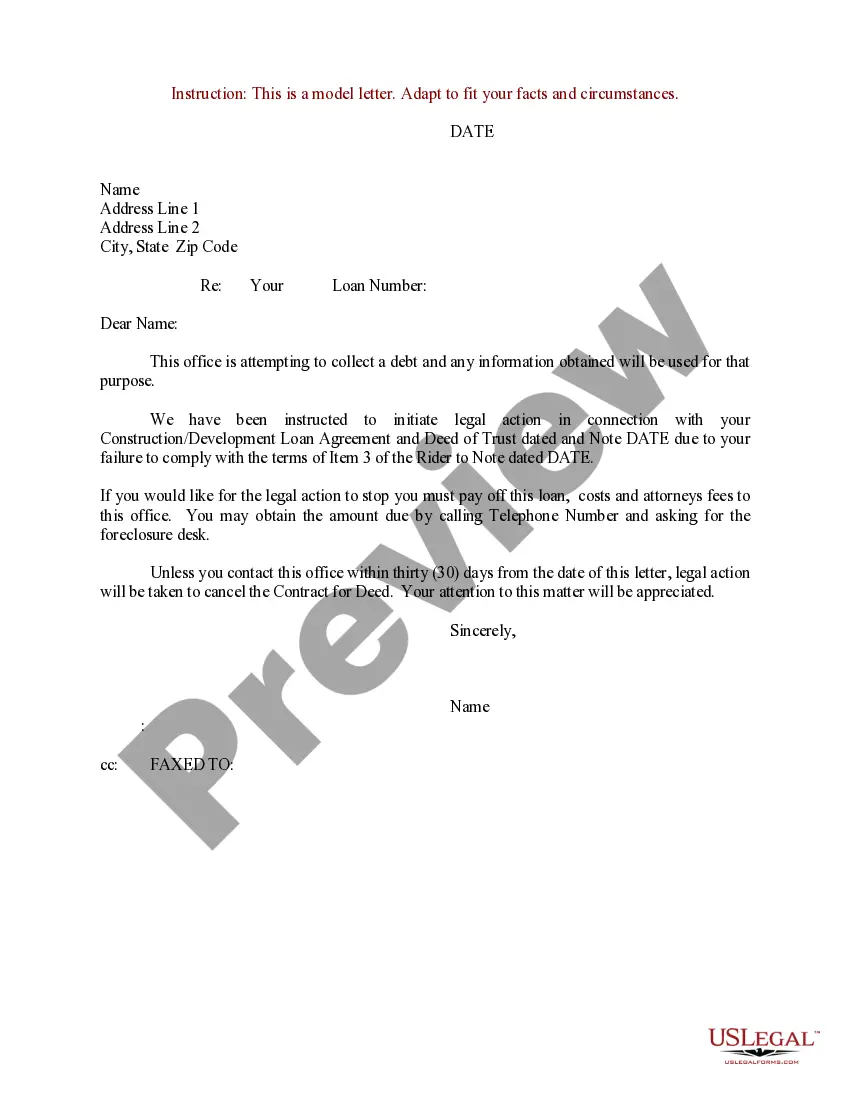
Legal Letter For Collections In Tarrant
Description
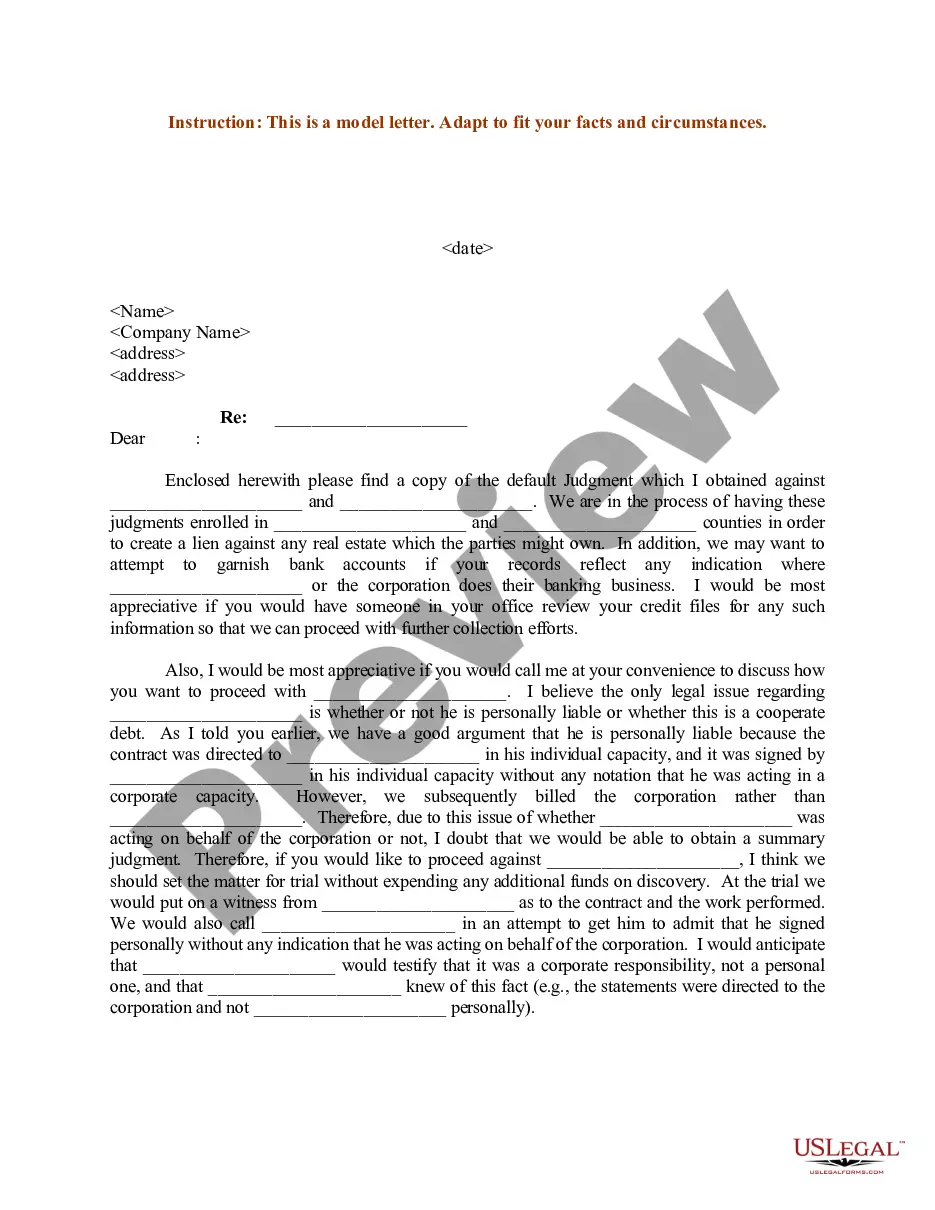
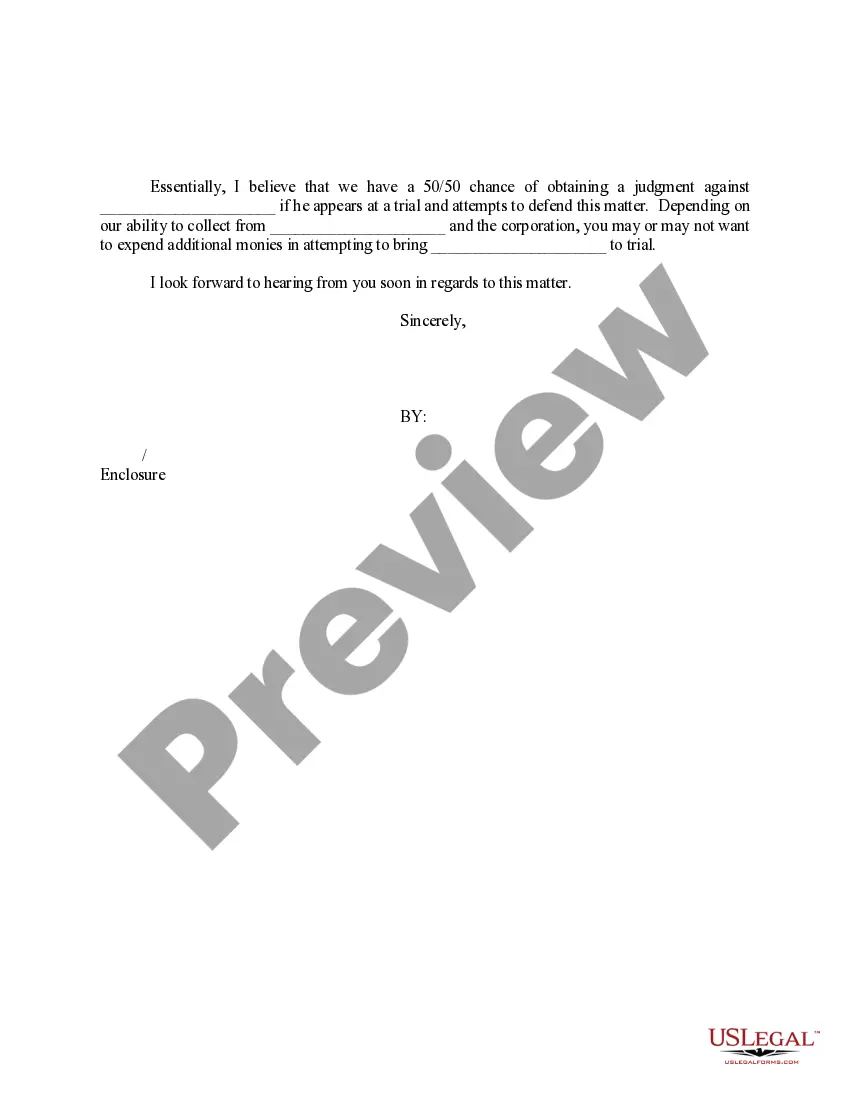
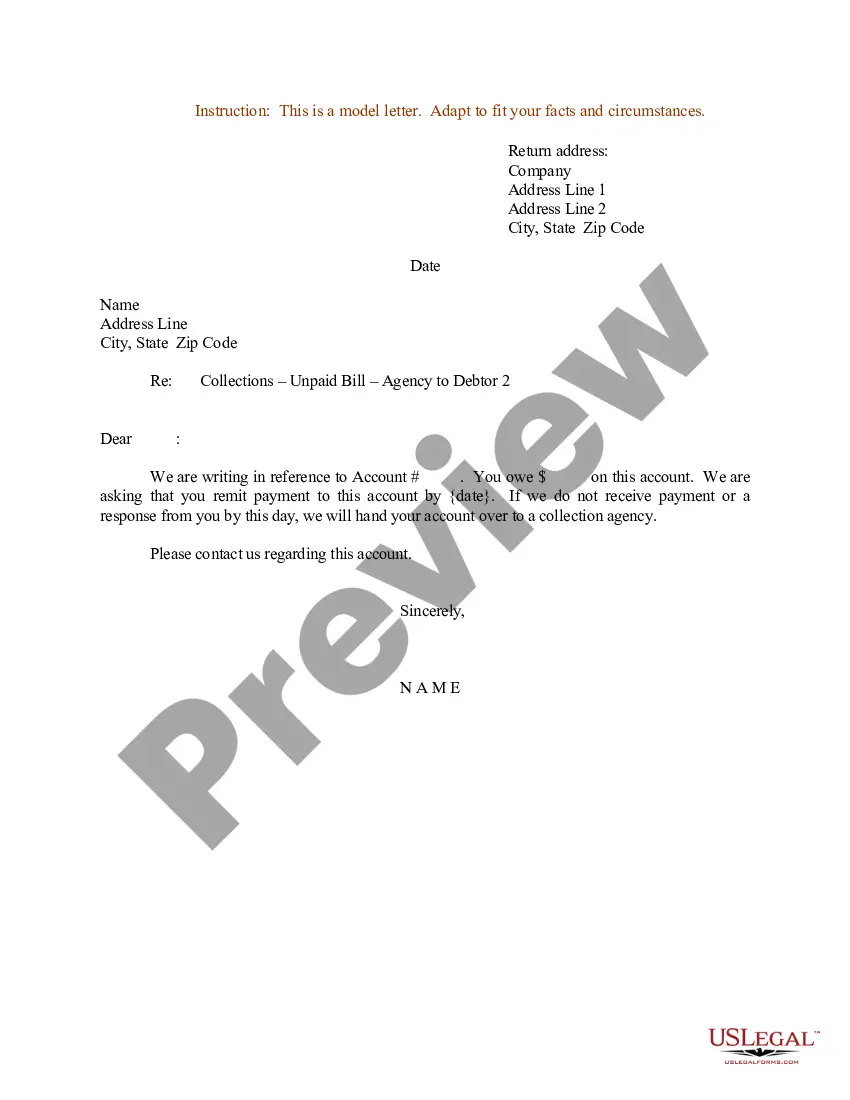
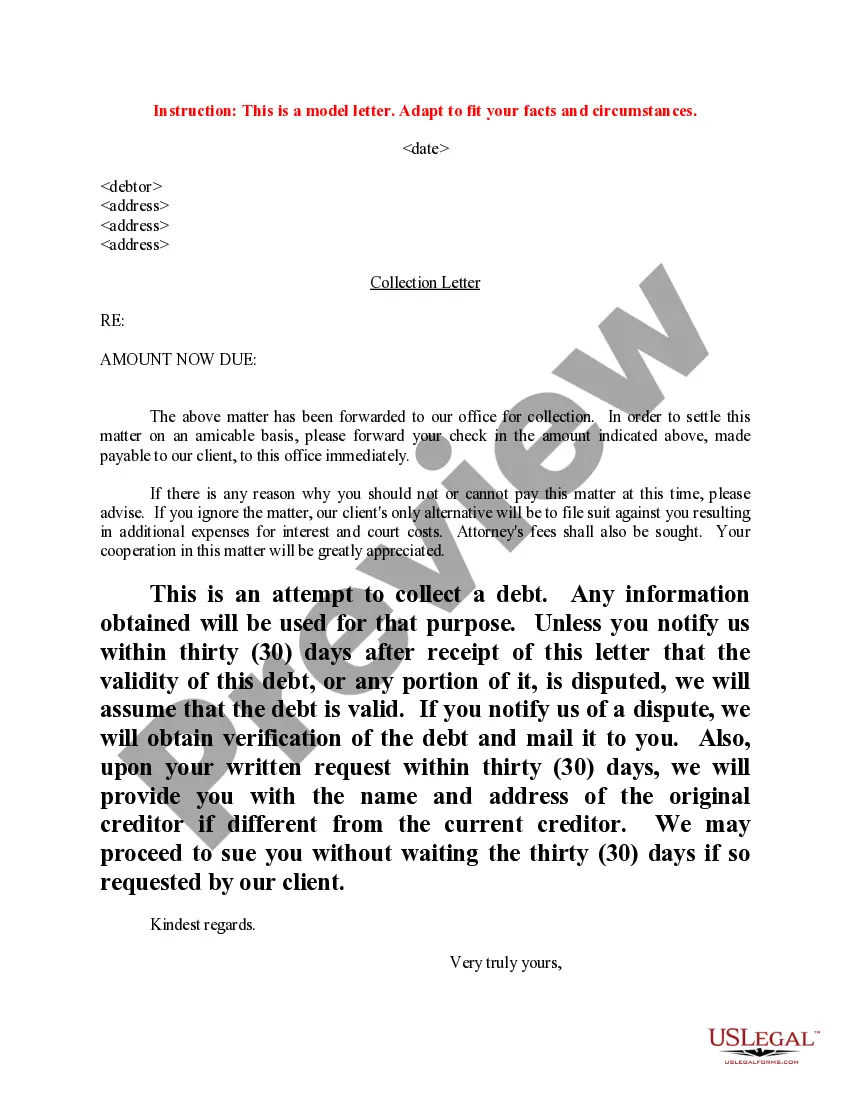
Get your form ready online
Our built-in tools help you complete, sign, share, and store your documents in one place.
Make edits, fill in missing information, and update formatting in US Legal Forms—just like you would in MS Word.
Download a copy, print it, send it by email, or mail it via USPS—whatever works best for your next step.
Sign and collect signatures with our SignNow integration. Send to multiple recipients, set reminders, and more. Go Premium to unlock E-Sign.
If this form requires notarization, complete it online through a secure video call—no need to meet a notary in person or wait for an appointment.
We protect your documents and personal data by following strict security and privacy standards.

Make edits, fill in missing information, and update formatting in US Legal Forms—just like you would in MS Word.

Download a copy, print it, send it by email, or mail it via USPS—whatever works best for your next step.

Sign and collect signatures with our SignNow integration. Send to multiple recipients, set reminders, and more. Go Premium to unlock E-Sign.

If this form requires notarization, complete it online through a secure video call—no need to meet a notary in person or wait for an appointment.

We protect your documents and personal data by following strict security and privacy standards.
Looking for another form?





Form popularity
FAQ
Texas law gives someone 4 years to bring a lawsuit for unpaid debt.
The new Texas debt collection laws require debt collectors to offer additional information about the debt they're attempting to collect. This includes a breakdown of the original amount owed, any added interest or fees, and the name of the original creditor.
There's no single answer to how soon a debt collector can sue—it can be between weeks or months, but they'll usually take steps before it gets to that point. There's also a legal time limit, depending on your state, that prevents you from getting sued after a certain time frame.
If you are trying to resolve a dispute, you may want to send a demand letter. You can write one yourself, but hiring an attorney will help you navigate legalities and show the recipient the seriousness of the matter.
Debt collectors cannot harass or abuse you. They cannot swear, threaten to illegally harm you or your property, threaten you with illegal actions, or falsely threaten you with actions they do not intend to take. They also cannot make repeated calls over a short period to annoy or harass you.
You may send your Texas demand letter via email or mail. For letters that you mail, consider sending your letter with tracking information so that you know when it has been delivered.
In Texas, third-party debt collectors and credit bureaus are governed by Chapter 392 of the Finance Code, as well as any other applicable state or federal law.
The phrase in question is: “Please cease and desist all calls and contact with me, immediately.” These 11 words, when used correctly, can provide significant protection against aggressive debt collection practices.
