Legal Letter For Collections In Middlesex
Description
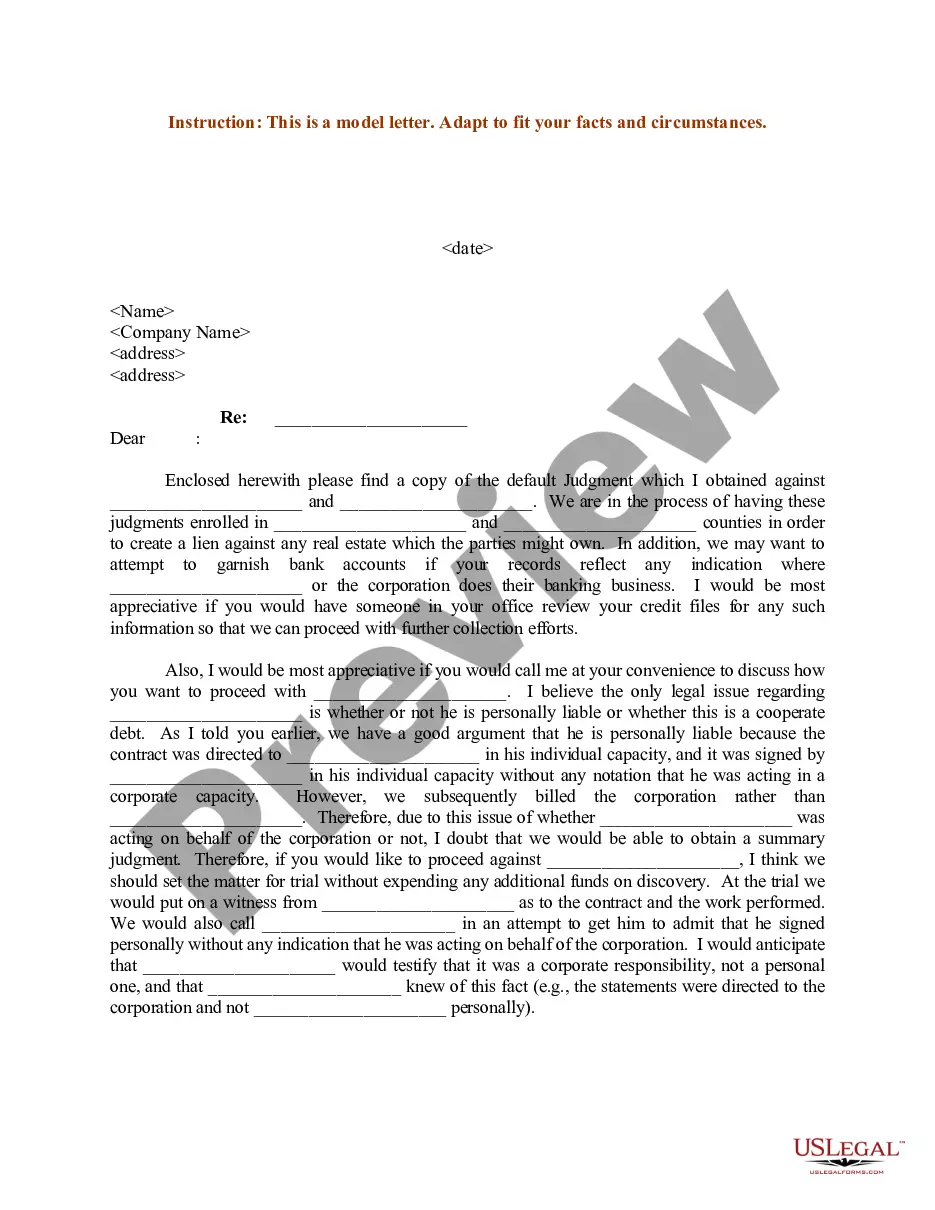
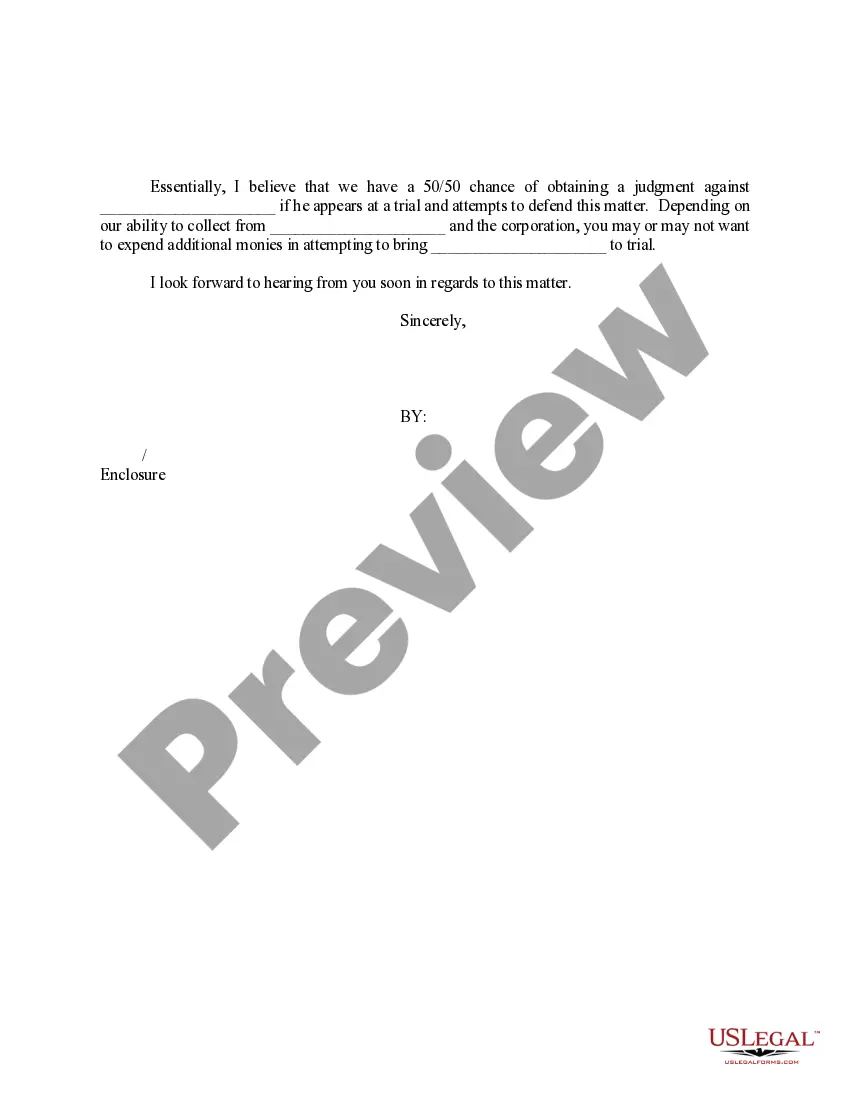
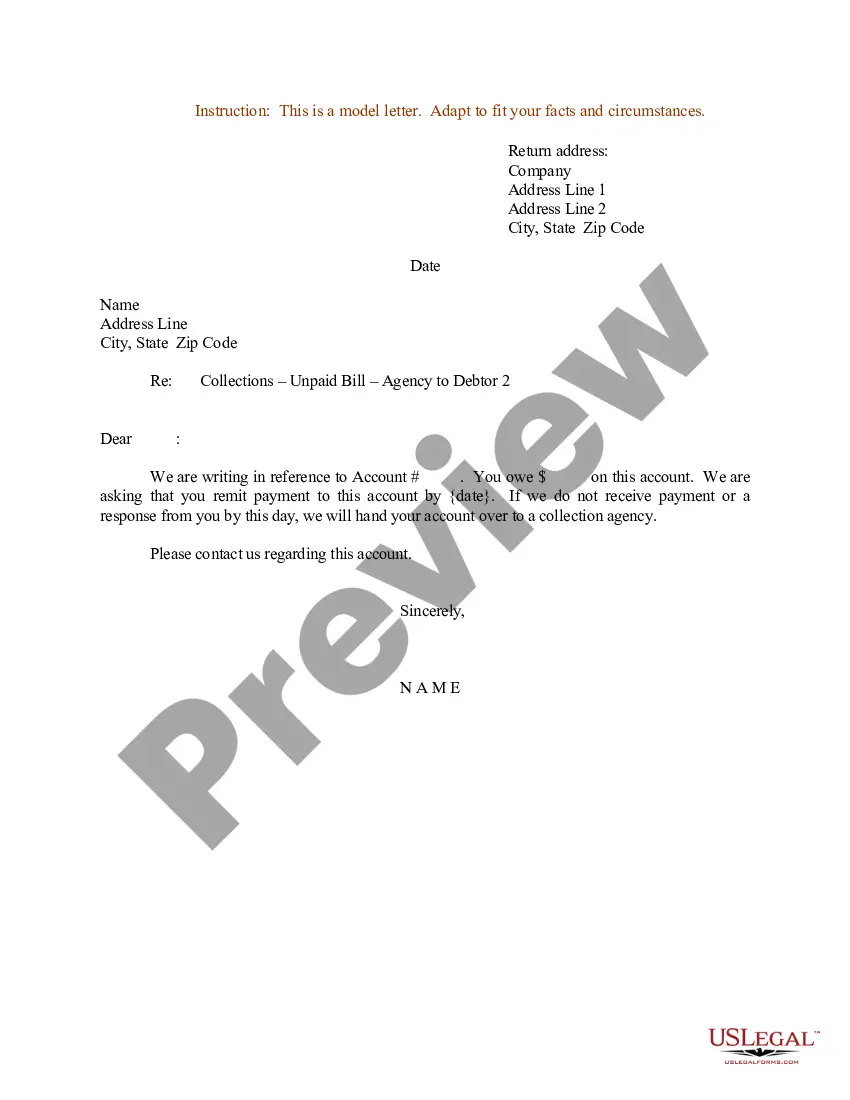
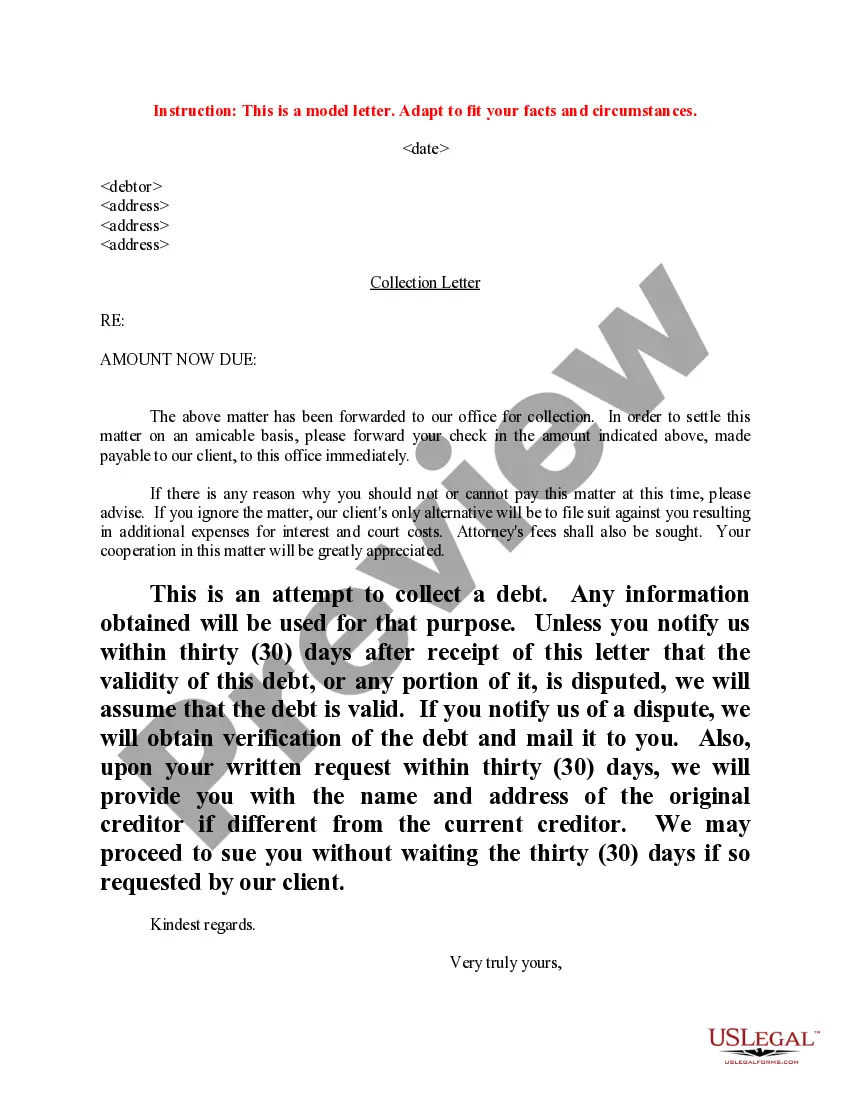
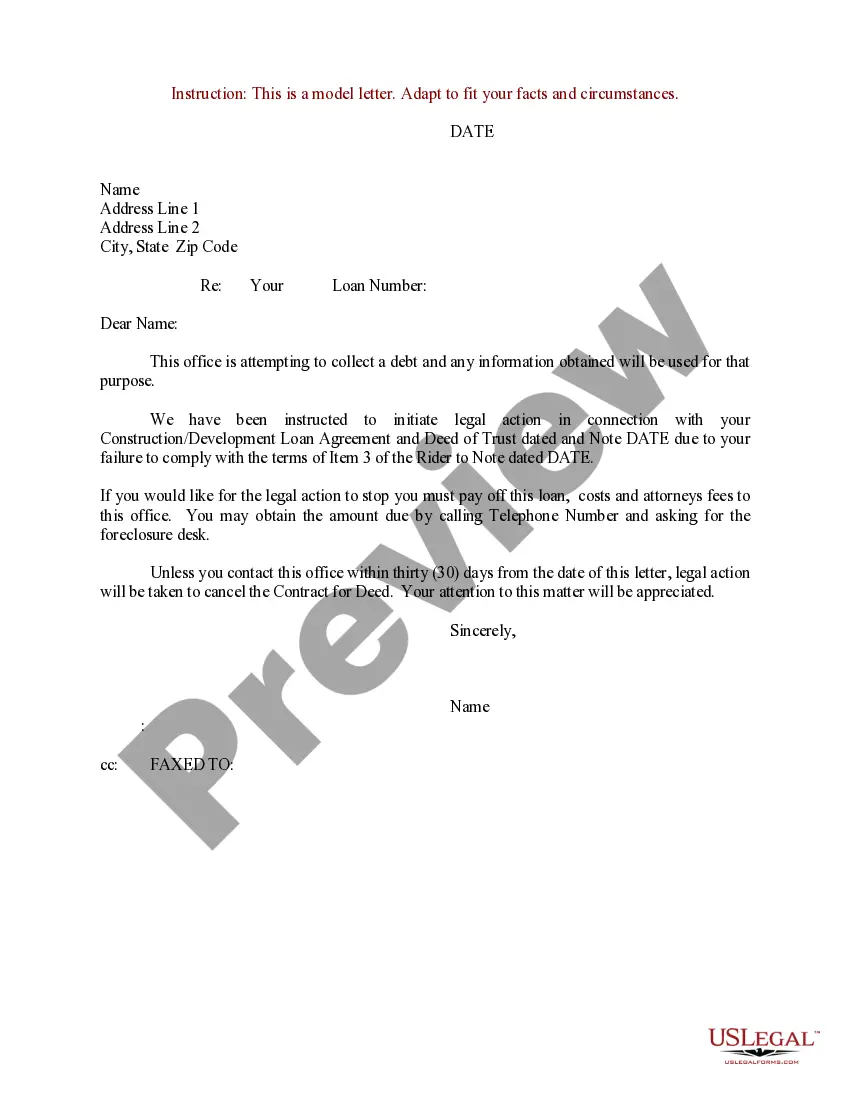
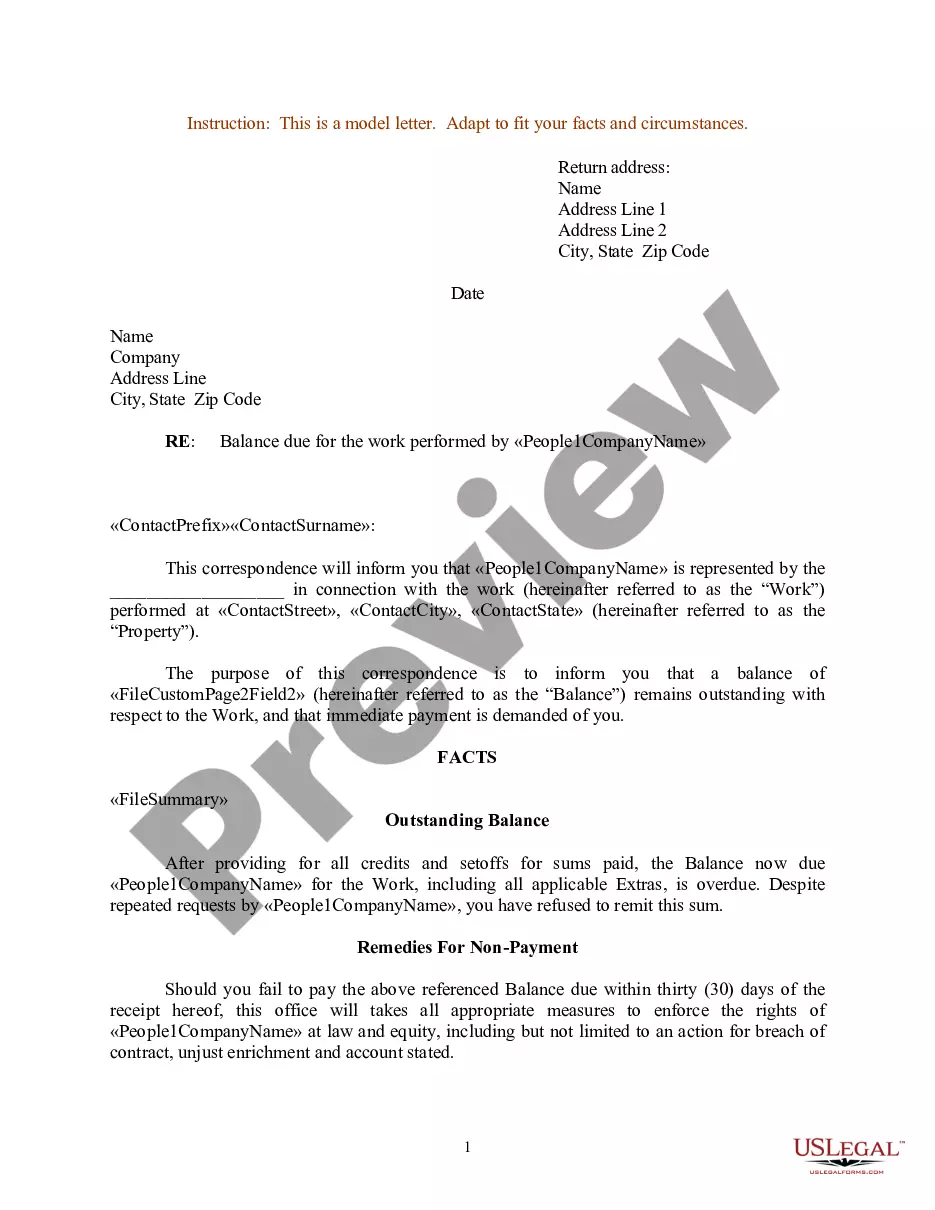
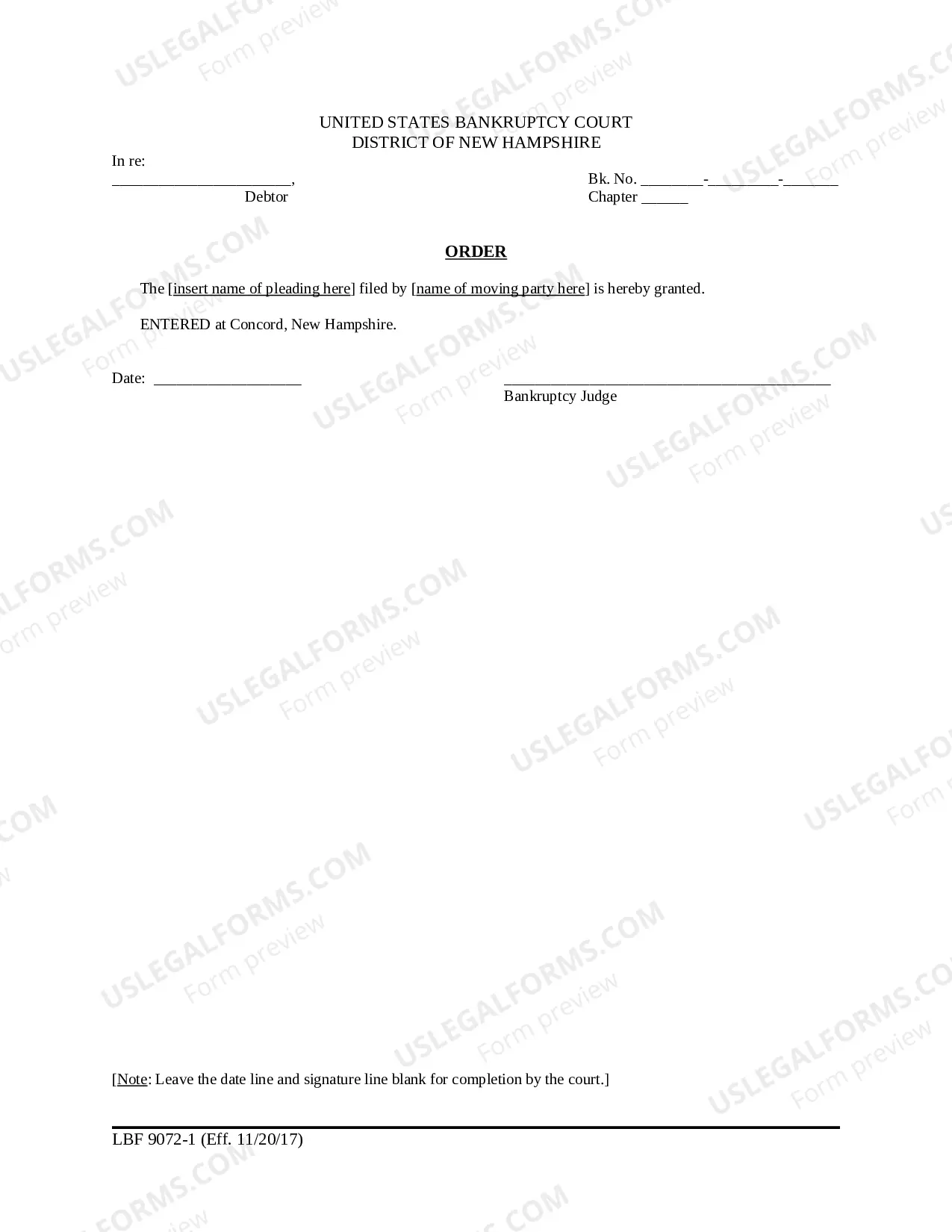
Get your form ready online
Our built-in tools help you complete, sign, share, and store your documents in one place.
Make edits, fill in missing information, and update formatting in US Legal Forms—just like you would in MS Word.
Download a copy, print it, send it by email, or mail it via USPS—whatever works best for your next step.
Sign and collect signatures with our SignNow integration. Send to multiple recipients, set reminders, and more. Go Premium to unlock E-Sign.
If this form requires notarization, complete it online through a secure video call—no need to meet a notary in person or wait for an appointment.
We protect your documents and personal data by following strict security and privacy standards.

Make edits, fill in missing information, and update formatting in US Legal Forms—just like you would in MS Word.

Download a copy, print it, send it by email, or mail it via USPS—whatever works best for your next step.

Sign and collect signatures with our SignNow integration. Send to multiple recipients, set reminders, and more. Go Premium to unlock E-Sign.

If this form requires notarization, complete it online through a secure video call—no need to meet a notary in person or wait for an appointment.

We protect your documents and personal data by following strict security and privacy standards.
Looking for another form?









Form popularity
FAQ
There are 12 district courts in Middlesex County, with the District Attorney having an office in each of the courts.
The first step in judgment enforcement in New Jersey is obtaining a writ of execution which allows for the seizure of property to satisfy the judgment. This can include: Personal property such as cars and equipment. Business interest such as stocks.
A judgment in any court of record in this state may be revived by proper proceedings or an action at law may be commenced thereon within 20 years next after the date thereof, but not thereafter.
To respond, you need to follow these three steps: Respond to each claim listed in the Complaint. Assert your affirmative defenses. File the Answer in court, and send a copy to the plaintiff's attorney.
A 609 dispute letter is a formal way to request more information about the accounts on your credit report. Sending a 609 dispute letter may help you remove errors from your credit report. Legitimate accounts should stay on your credit report even if you send a dispute letter.
I would like to request that your company have some mercy on me and please make a ``Goodwill Adjustment'' and remove both accounts from the credit reporting agencies. Your kind gesture would be sincerely appreciated by my family and me. I would like to thank you in advance for any help you may provide.
If you write a letter, instead of using the tear-off form, the debt dispute letter should include your personal identifying information; verification of the amount of debt owed; the name of the creditor for the debt; and a request the debt not be reported to credit reporting agencies until the matter is resolved or ...
Four Steps to Take if You Received a Debt Collection Letter From a Lawyer Carefully Review the Letter to Determine the Claim. Consider Sending a Debt Validation Request. Gather and Organize All Relevant Financial Documents and Records. Be Proactive: Debt Does Not Go Away on its Own.
Dear Creditor: Please provide me with verification of the debt which you state I owe. Please provide me with any records which are in your possession, including, but not limited to, all statements of each account, invoices, and any other documentation which I may have signed.
5. Logical Next Steps: Respond to the Letter: Acknowledge the letter and state your understanding of the debt's status. Keep Records: Document all communications with the collection agency, including this letter and any agreements you've made. The letter could be an indication of your rights regarding the debt.
