Performance Agreement In Hr In Washington
Description

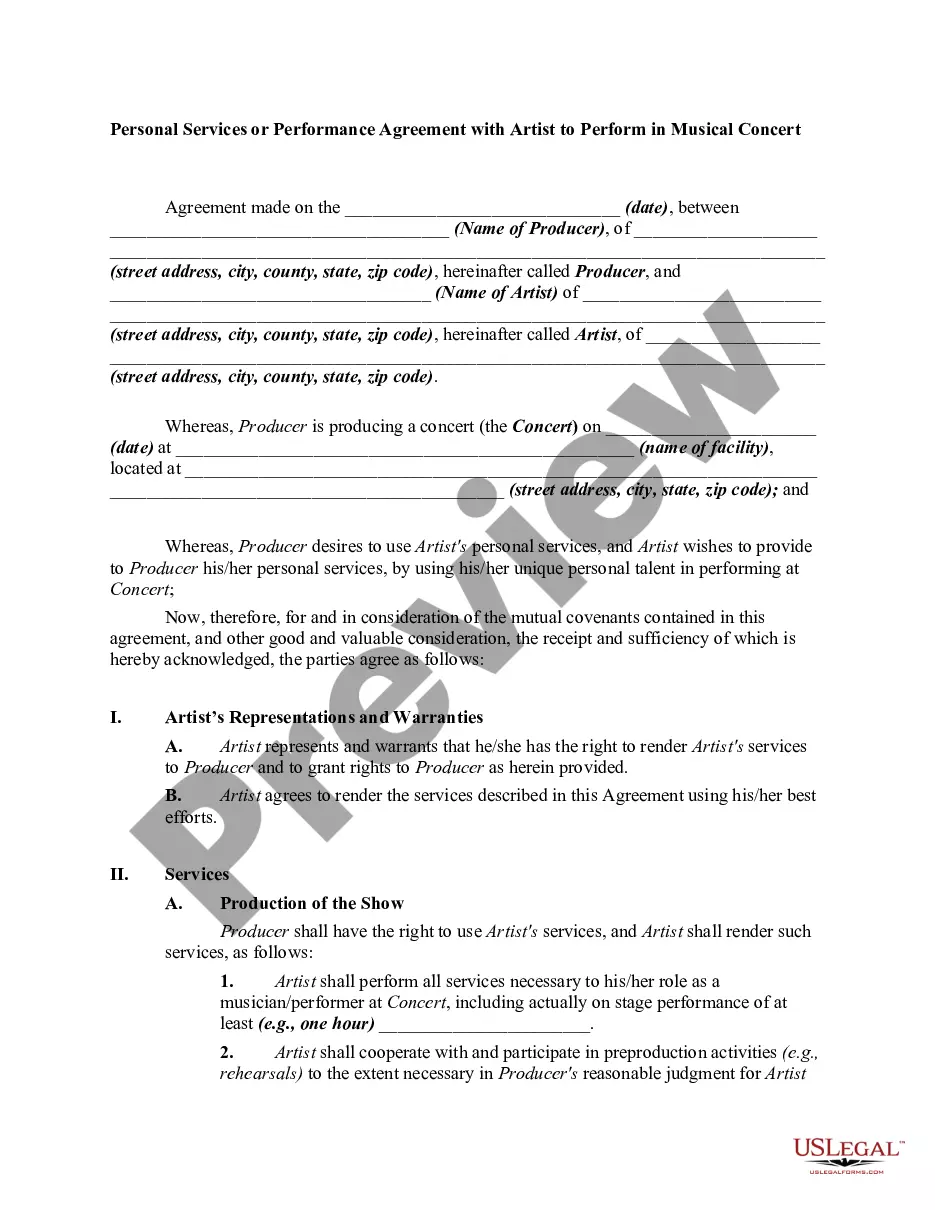
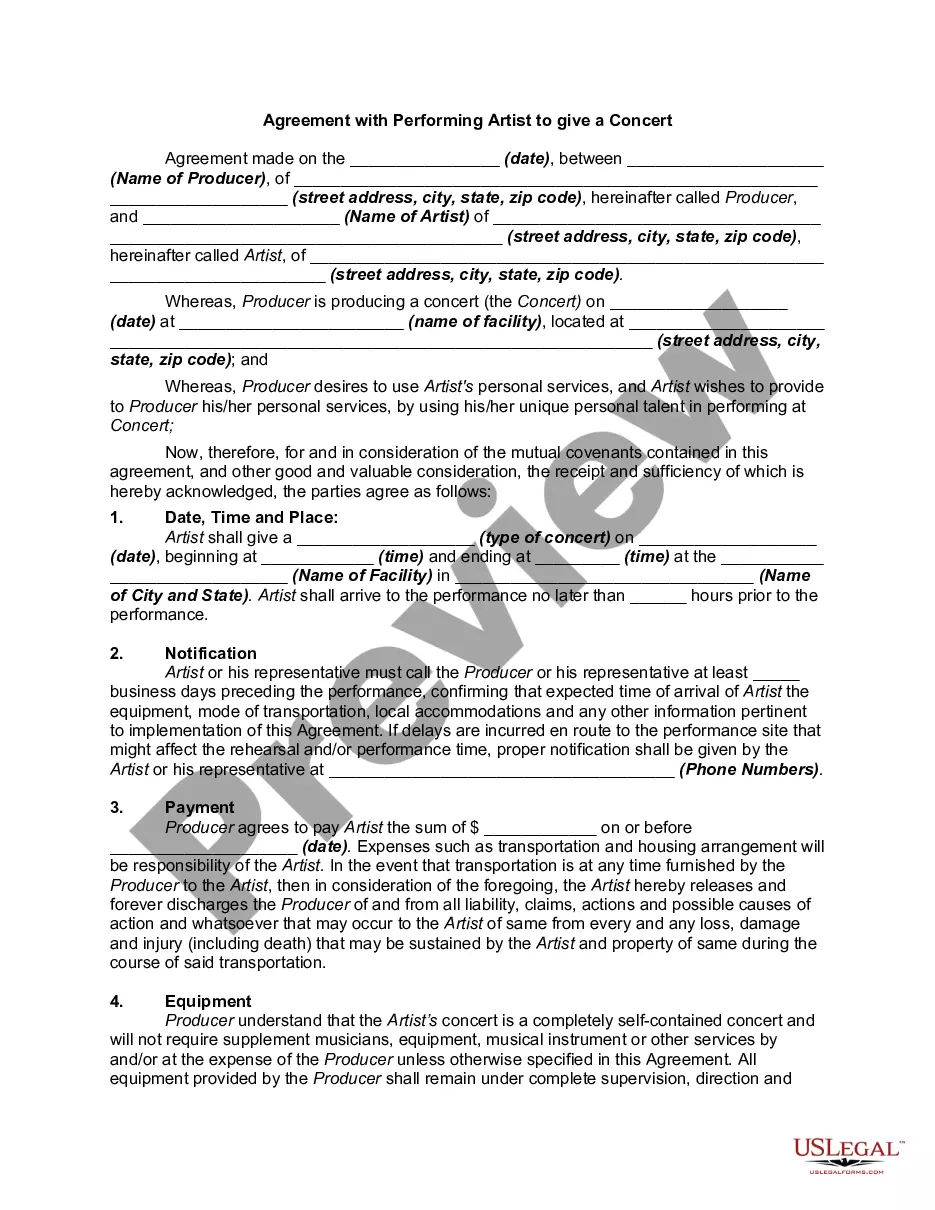
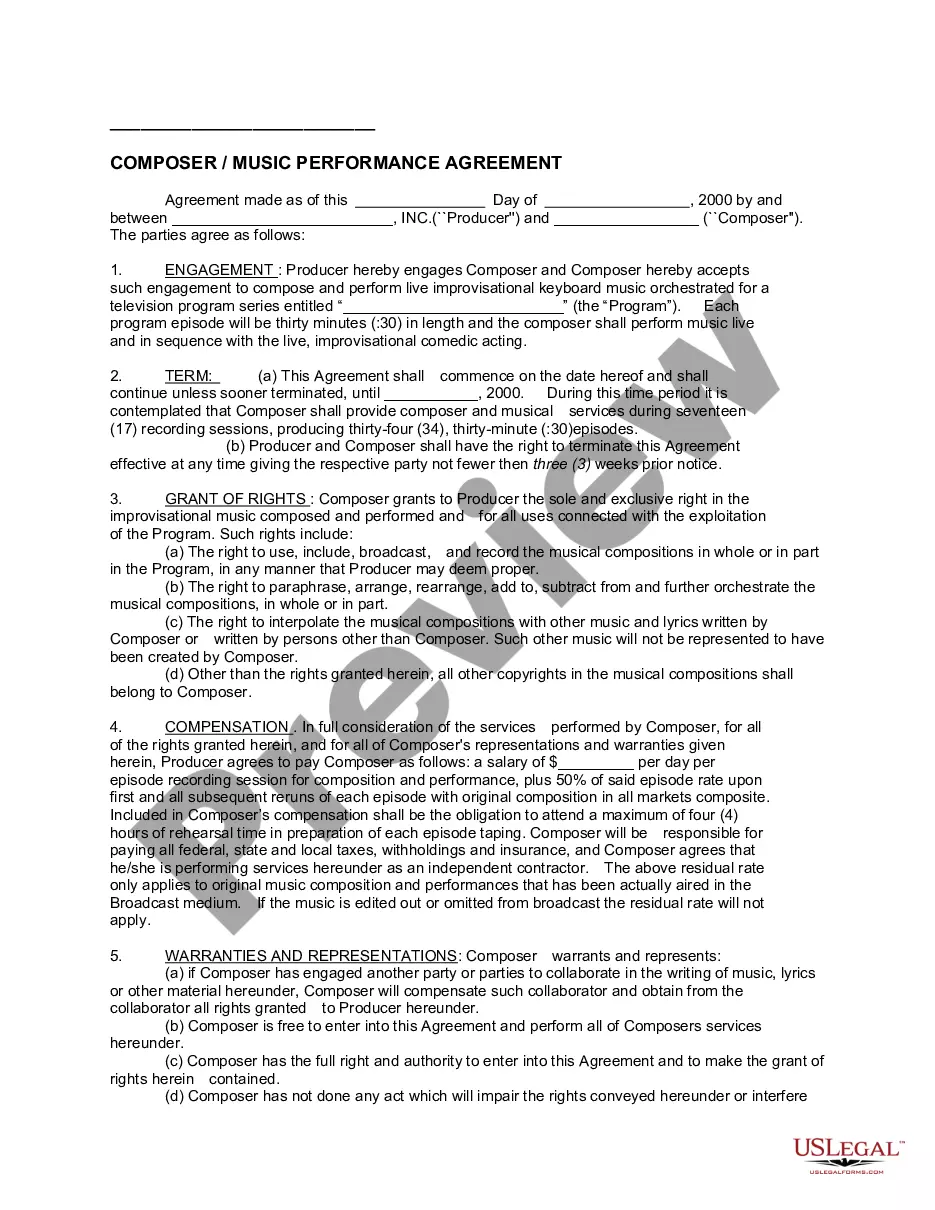
Get your form ready online
Our built-in tools help you complete, sign, share, and store your documents in one place.
Make edits, fill in missing information, and update formatting in US Legal Forms—just like you would in MS Word.
Download a copy, print it, send it by email, or mail it via USPS—whatever works best for your next step.
Sign and collect signatures with our SignNow integration. Send to multiple recipients, set reminders, and more. Go Premium to unlock E-Sign.
If this form requires notarization, complete it online through a secure video call—no need to meet a notary in person or wait for an appointment.
We protect your documents and personal data by following strict security and privacy standards.

Make edits, fill in missing information, and update formatting in US Legal Forms—just like you would in MS Word.

Download a copy, print it, send it by email, or mail it via USPS—whatever works best for your next step.

Sign and collect signatures with our SignNow integration. Send to multiple recipients, set reminders, and more. Go Premium to unlock E-Sign.

If this form requires notarization, complete it online through a secure video call—no need to meet a notary in person or wait for an appointment.

We protect your documents and personal data by following strict security and privacy standards.
Looking for another form?









Form popularity
FAQ
Under the FEHA, employers are prohibited from using performance evaluations to discriminate against employees on the basis of protected characteristics, such as race, religion, gender, and sexual orientation.
Setting clear objectives Specific: define exactly what needs to be achieved. Measurable: ensure that the objectives can be quantitatively assessed. Achievable: set realistic goals that the employee can attain. Relevant: align the objectives with the overall business goals.
Performance Agreement: An arrangement between an employer and an employee, or a business and a contractor, which outlines the terms, expectations, goals, and standards of performance for each party. Scope: The range of activities, duties, and expectations covered by an agreement.
To create a performance evaluation system in your practice, follow these five steps: Develop an evaluation form. Identify performance measures. Set guidelines for feedback. Create disciplinary and termination procedures. Set an evaluation schedule.
You'll never go wrong leading by example, should be the golden rule of employee evaluation systems. So set the tone for your organization by completing your appraisals first and scheduling your s on time.
Performance appraisal has three basic functions: (1) to provide adequate feedback to each person on his or her performance; (2) to serve as a basis for modifying or changing behavior toward more effective working habits; and (3) to provide data to managers with which they may judge future job assignments and ...
A Performance Improvement Plan (PIP) is a tool used by managers in human resources to help employees improve their job performance. The PIP sets specific goals for the employee to achieve and outlines the steps that the manager and employee will take to help the employee reach those goals.
Let's look at them one by one: Offer feedback: give the employee objective information about their work over the last few months, as well as convey the company's expectations. Decide on promotions: the appraisal process gives us objective data for making decisions about who is ready to take on new responsibilities.
Stick with the facts and write down just what you said and what the employee said. Ensure the employee is clear on what the expectations are and how he or she did or did not meet them. Performance expectations must be consistent with the employee's position description. Document and Follow-up.
