Performance Agreement For Supply Chain Manager In Wake
Description

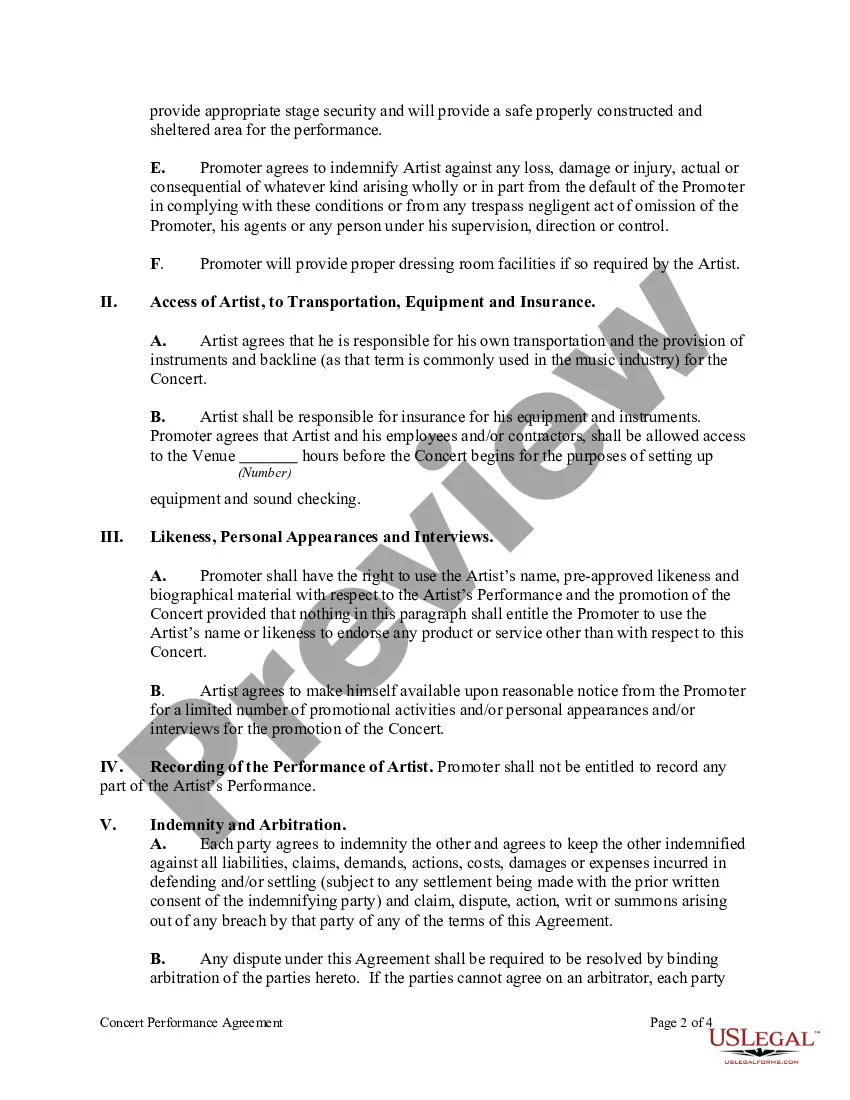
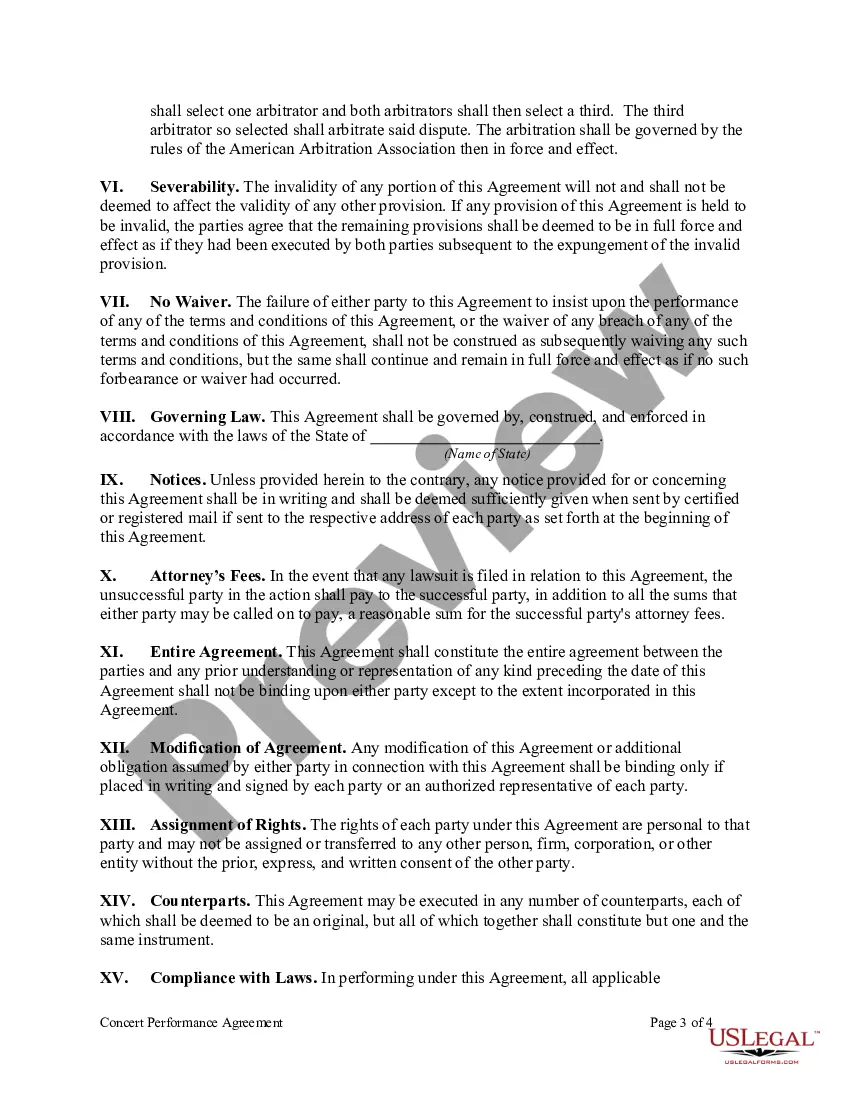
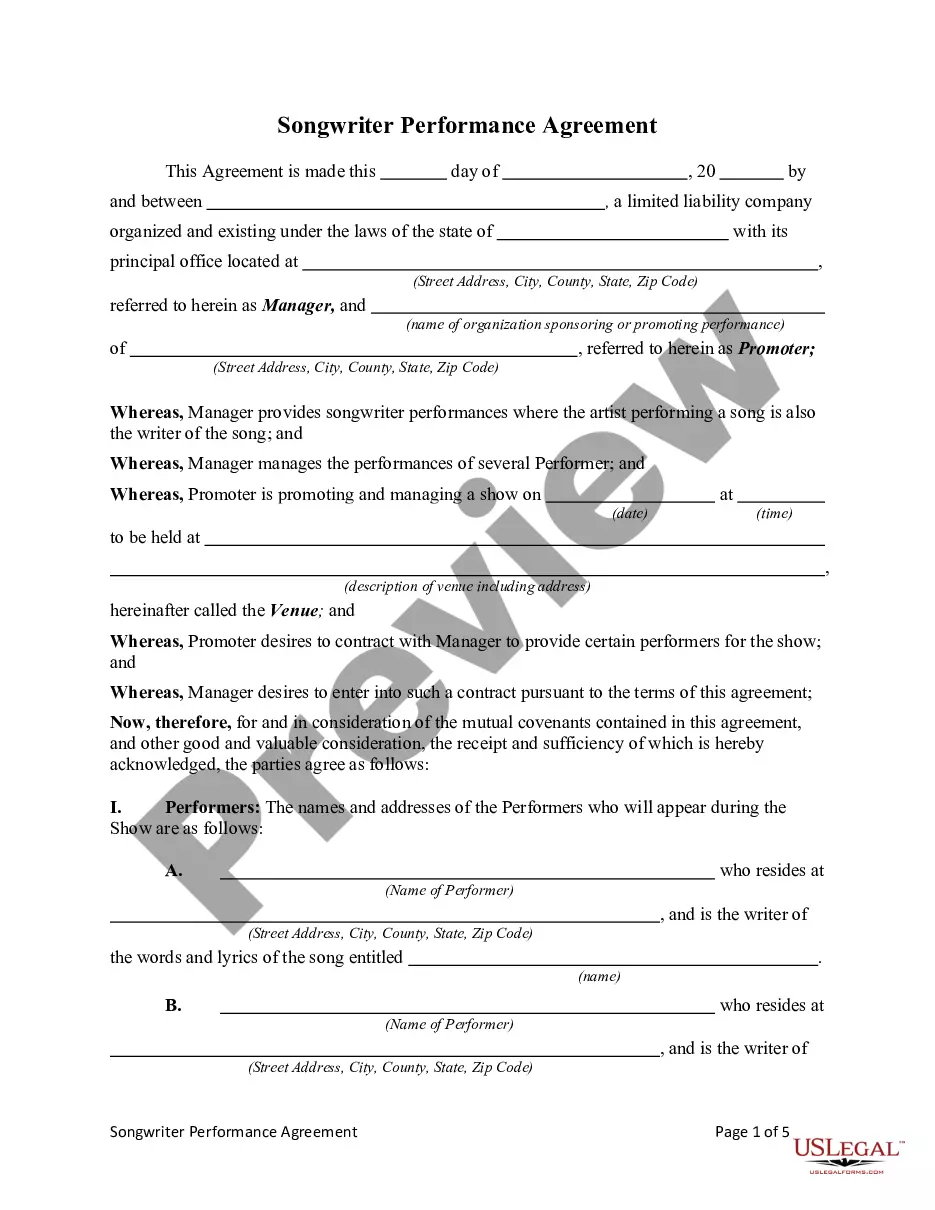
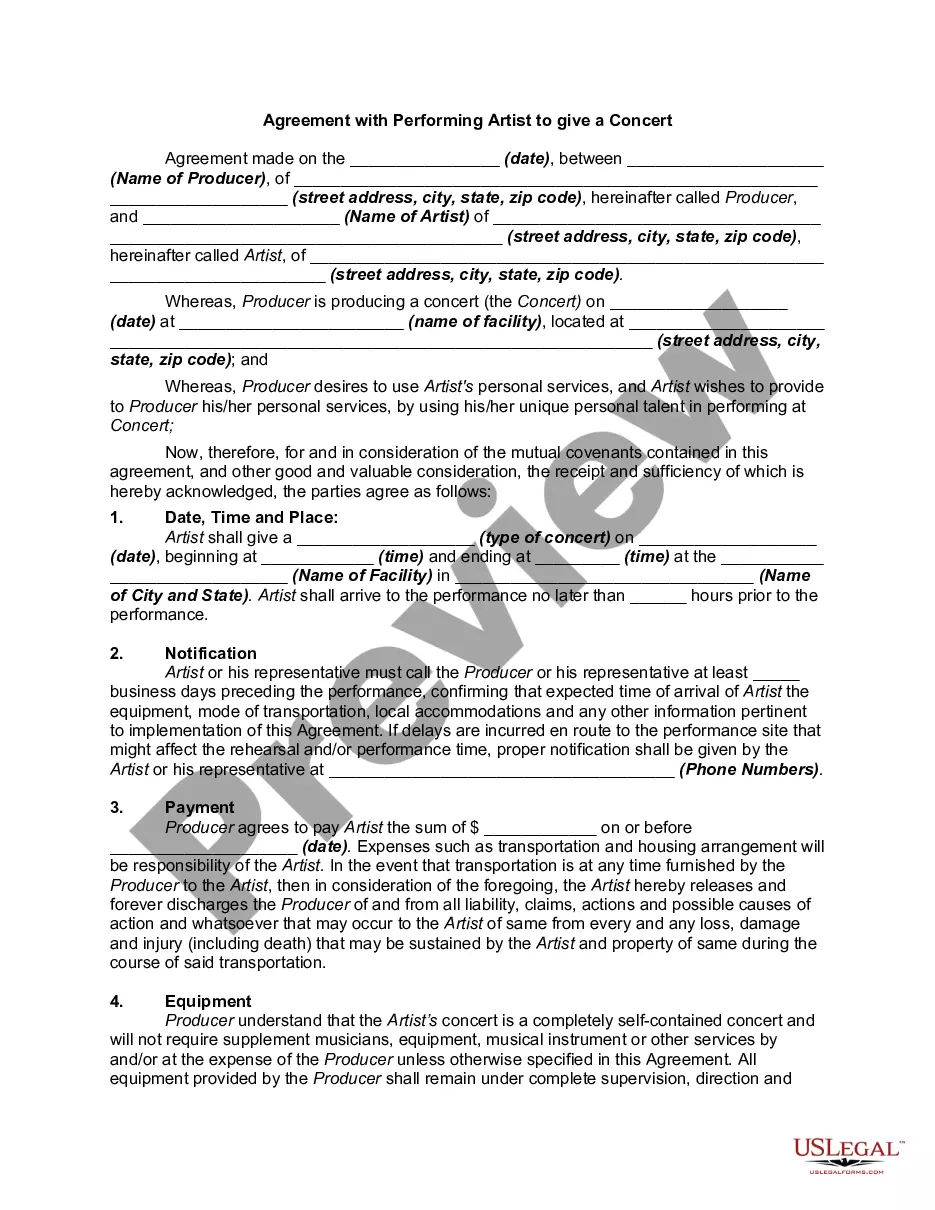
Get your form ready online
Our built-in tools help you complete, sign, share, and store your documents in one place.
Make edits, fill in missing information, and update formatting in US Legal Forms—just like you would in MS Word.
Download a copy, print it, send it by email, or mail it via USPS—whatever works best for your next step.
Sign and collect signatures with our SignNow integration. Send to multiple recipients, set reminders, and more. Go Premium to unlock E-Sign.
If this form requires notarization, complete it online through a secure video call—no need to meet a notary in person or wait for an appointment.
We protect your documents and personal data by following strict security and privacy standards.

Make edits, fill in missing information, and update formatting in US Legal Forms—just like you would in MS Word.

Download a copy, print it, send it by email, or mail it via USPS—whatever works best for your next step.

Sign and collect signatures with our SignNow integration. Send to multiple recipients, set reminders, and more. Go Premium to unlock E-Sign.

If this form requires notarization, complete it online through a secure video call—no need to meet a notary in person or wait for an appointment.

We protect your documents and personal data by following strict security and privacy standards.
Looking for another form?
Form popularity
FAQ
Supplier performance management (SPM) is the process of tracking and analyzing the performance of suppliers a business works with. Managing their performance can help control costs, support compliance, and support long-lasting relationships.
Service level agreements (SLAs) are agreements or contracts with suppliers that define the service they must provide and the level of service they must deliver. They also set out responsibilities and priorities you and the supplier agreed to. SLAs are contractual obligations often built into a legally binding contract.
The performance management system entails processes that are critical to improving supply chain effectiveness and efficiency including identifying measures and data requirements, defining targets, planning, communicating, measuring, reporting and feedback.
Eight tips for successful supply chain management implementation Know what you need. Shop around. Make a realistic plan. Map the risks and considerations. Communication (and onboarding) is key. Train your staff. Test early and often. Monitor your system's progress.
A force majeure event has arisen. The party has been prevented (or delayed or hindered depending on the contract wording) from performing as a result of that event. The event was beyond the control of the party. There were no reasonable steps a party would take to avoid the event or mitigate its effects.
Neither party will be liable for inadequate performance to the extent caused by a condition (for example, natural disaster, act of war or terrorism, riot, labor condition, governmental action, and Internet disturbance) that was beyond the party's reasonable control.
What Are Examples of Force Majeure? Events that could trigger a force majeure clause include war, terrorist attacks, a pandemic, or natural disasters that fall under the “act of God” category, such as a flood, earthquake, or hurricane.
Force majeure refers to unforeseeable circumstances that prevent a party from fulfilling a contract. Common force majeure provisions may cover several categories of events that could affect the supply chain. The provision may cover risks that are reasonably beyond the control of the party claiming force majeure.
Supply Chain Performance refers to the extended supply chain's activities in meeting end-customer requirements, including product availability, on-time delivery, and all the necessary inventory and capacity in the supply chain to deliver that performance in a responsive manner.
Typically, SCM attempts to centrally control or link the production, shipment, and distribution of a product.