Performance Agreement In Hr In Texas
Description

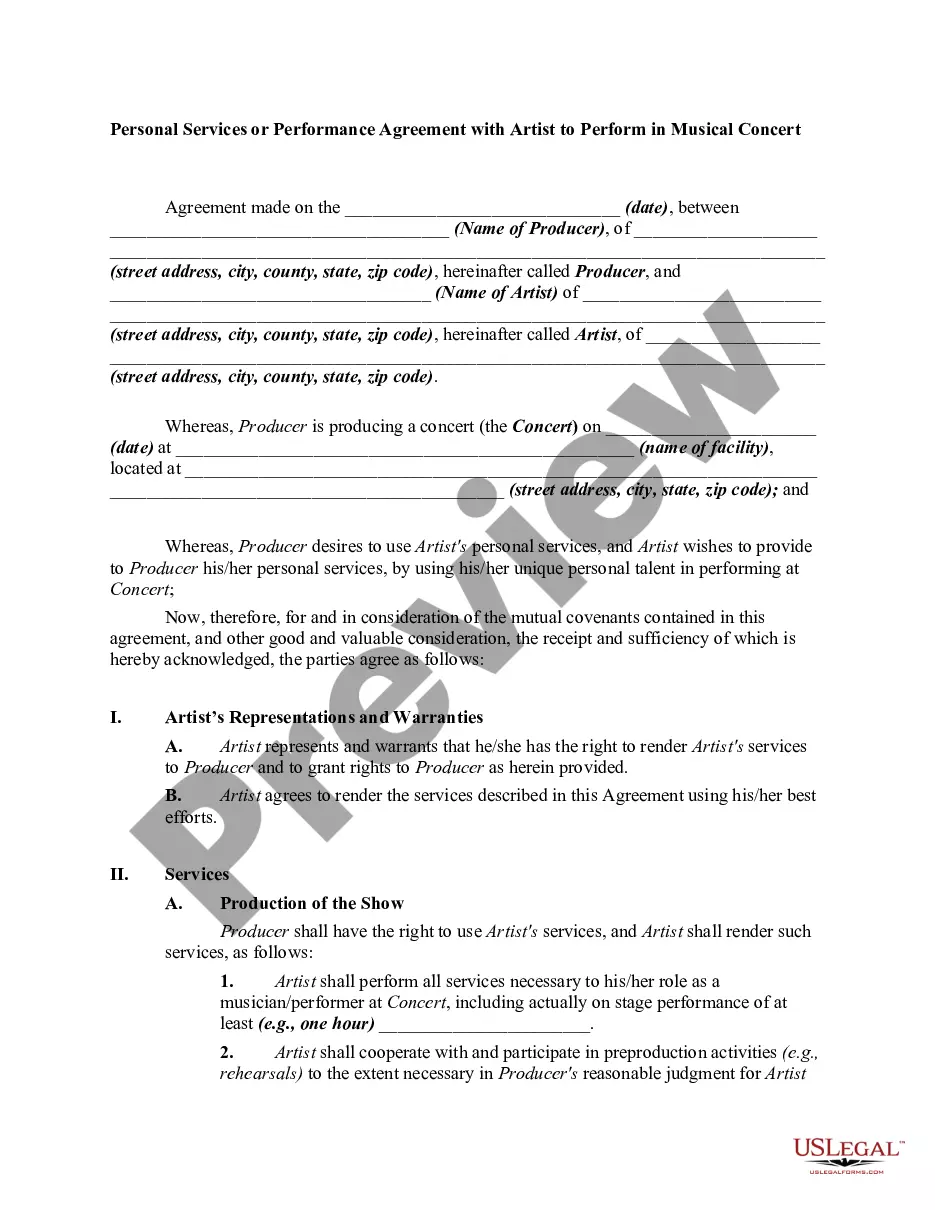
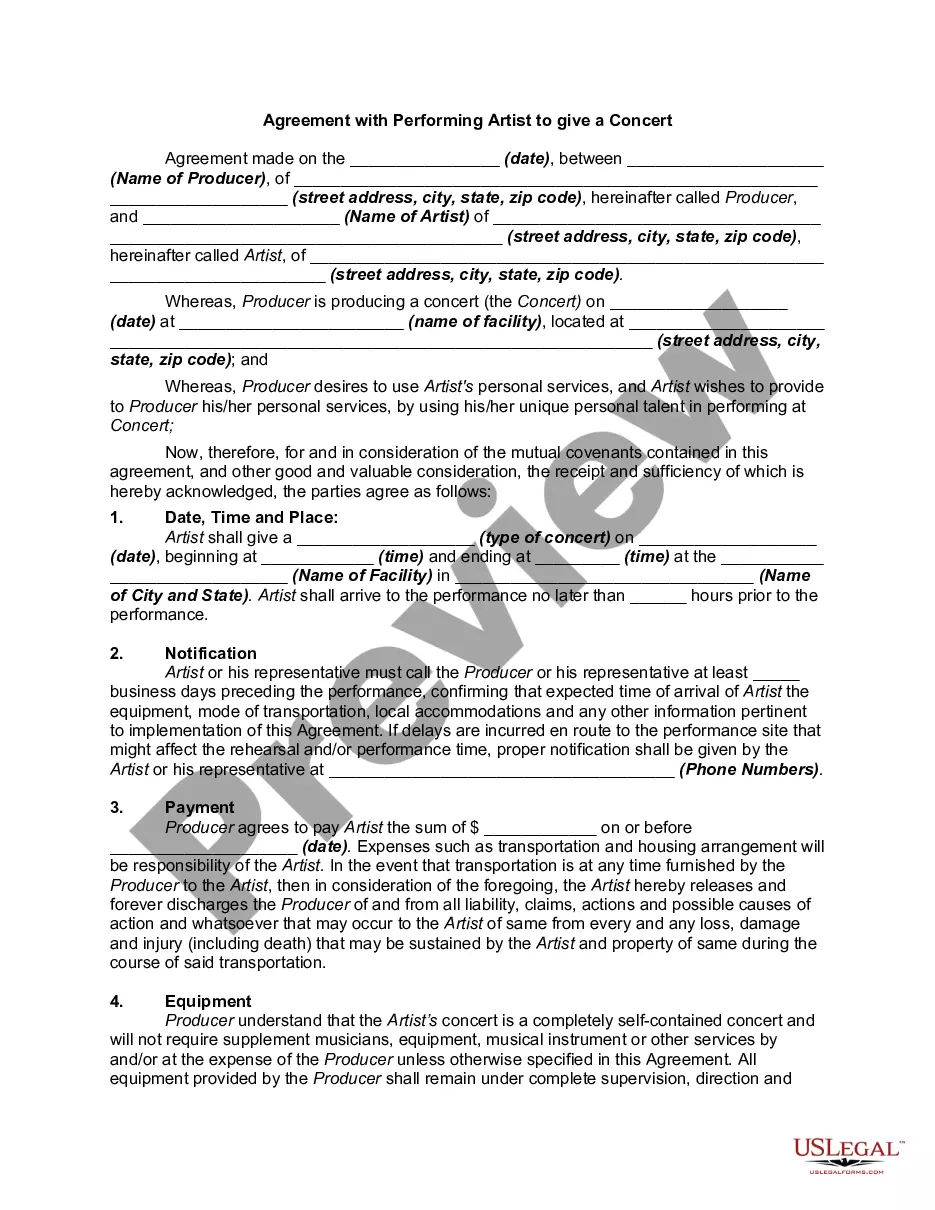
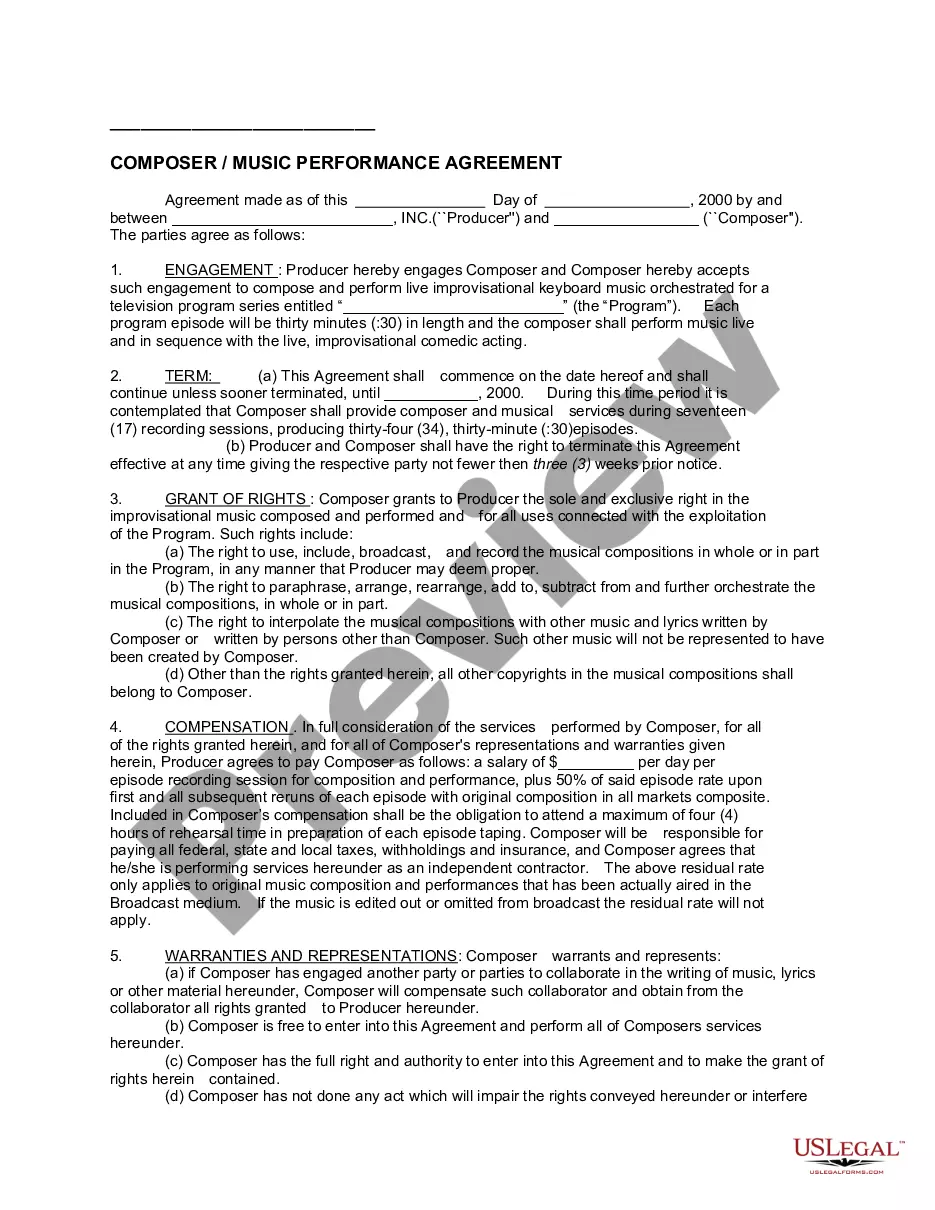
Get your form ready online
Our built-in tools help you complete, sign, share, and store your documents in one place.
Make edits, fill in missing information, and update formatting in US Legal Forms—just like you would in MS Word.
Download a copy, print it, send it by email, or mail it via USPS—whatever works best for your next step.
Sign and collect signatures with our SignNow integration. Send to multiple recipients, set reminders, and more. Go Premium to unlock E-Sign.
If this form requires notarization, complete it online through a secure video call—no need to meet a notary in person or wait for an appointment.
We protect your documents and personal data by following strict security and privacy standards.

Make edits, fill in missing information, and update formatting in US Legal Forms—just like you would in MS Word.

Download a copy, print it, send it by email, or mail it via USPS—whatever works best for your next step.

Sign and collect signatures with our SignNow integration. Send to multiple recipients, set reminders, and more. Go Premium to unlock E-Sign.

If this form requires notarization, complete it online through a secure video call—no need to meet a notary in person or wait for an appointment.

We protect your documents and personal data by following strict security and privacy standards.
Looking for another form?







Form popularity
FAQ
Here's the proven 9-step process for developing a performance plan: Automate the process. Explain performance reviews. Align goals. Define tactics. Connect employees to the bigger picture. Discuss performance. Create an ongoing communication plan. Set regular performance reviews.
Follow these steps to put an effective performance agreement in place for your staff: Start With Clear Expectations. Build in Milestones. Agree on the Terms. Schedule Accountability Meetings. Establish Outcome Results and Consequences. Sign and Date the Agreement.
Goodge (2000) notes that performance contracting is a strategy used by the performance management systems to achieve it underlying objectives. Performance contract binds/brings various components in human resource in achieving the set operational objectives and expected outcomes.
Performance agreements define executive accountability for specific organizational goals, help executives align daily operations, and clarify how work unit activities contribute to the agency's goals and objectives. Collaboration across organizational boundaries.
Do employers have to offer health insurance in Texas? Small employers don't have to offer health insurance. But employers that decide to provide it must make it equally available to all employees working 30 hours or more per week (not on a temporary or seasonal basis) and their dependents.
Suggested steps for developing a performance agreement Step 1: Plan. The first step is to plan by looking at your business goals for the year ahead. Step 2: Discuss. The next step is to arrange a time to meet with the employee to discuss and set up the performance agreement. Step 3: Monitor. Step 4: Review.
Texas is considered a “right to work” state, meaning contracts aren't required, and the state doesn't put many legal requirements on employment relationships. Still, employers are increasingly using employment contracts across all industries and professions.
The key elements of a PBSC PWS are: a statement of the required services in terms of output; a measurable performance standard for the output; and an AQL or allowable error rate.
Specific performance is a legal remedy often associated with breach of contract cases. Instead of receiving financial compensation, the aggrieved party requests a court order to enforce the terms of the contract.
