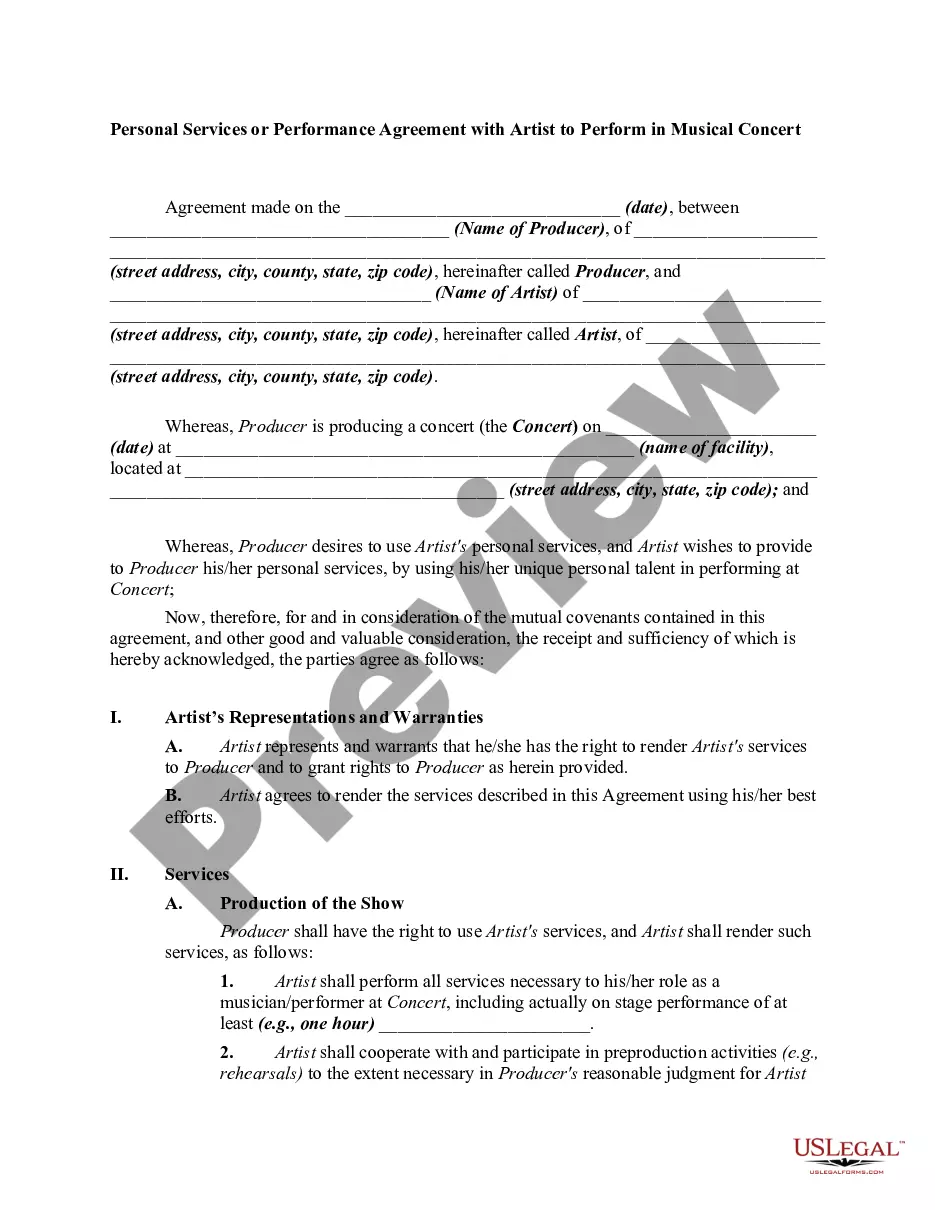
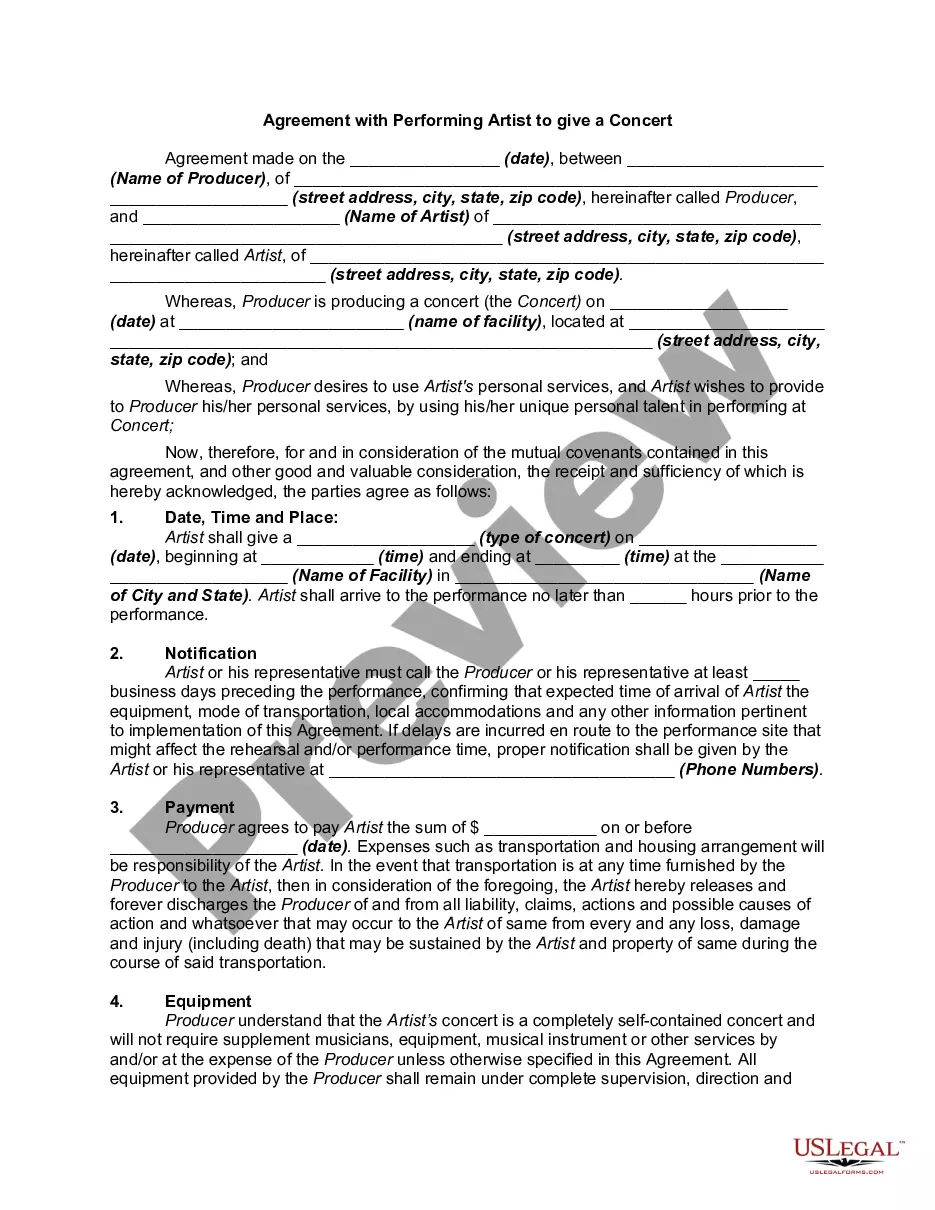
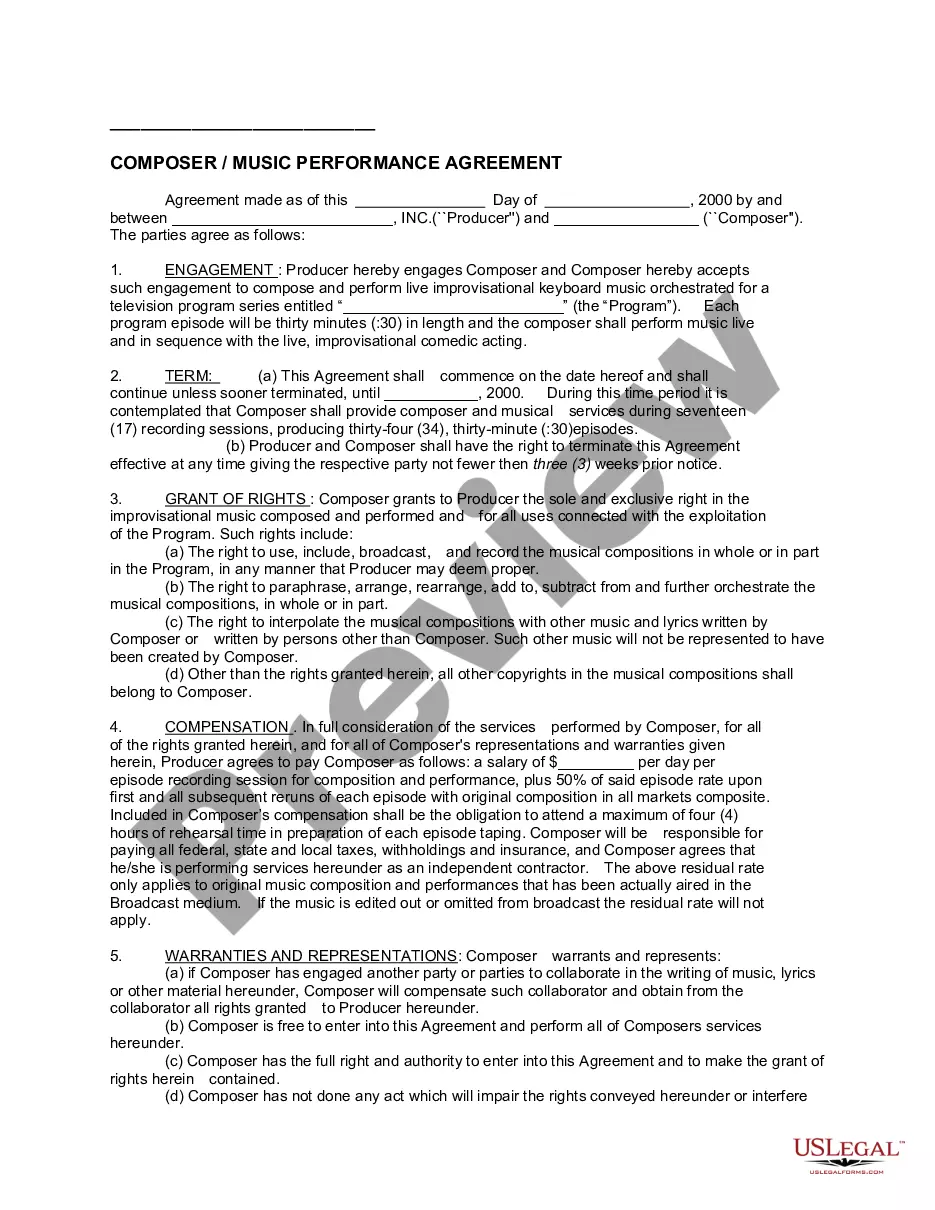
Performance Agreement For Personal Assistant In Santa Clara
Description

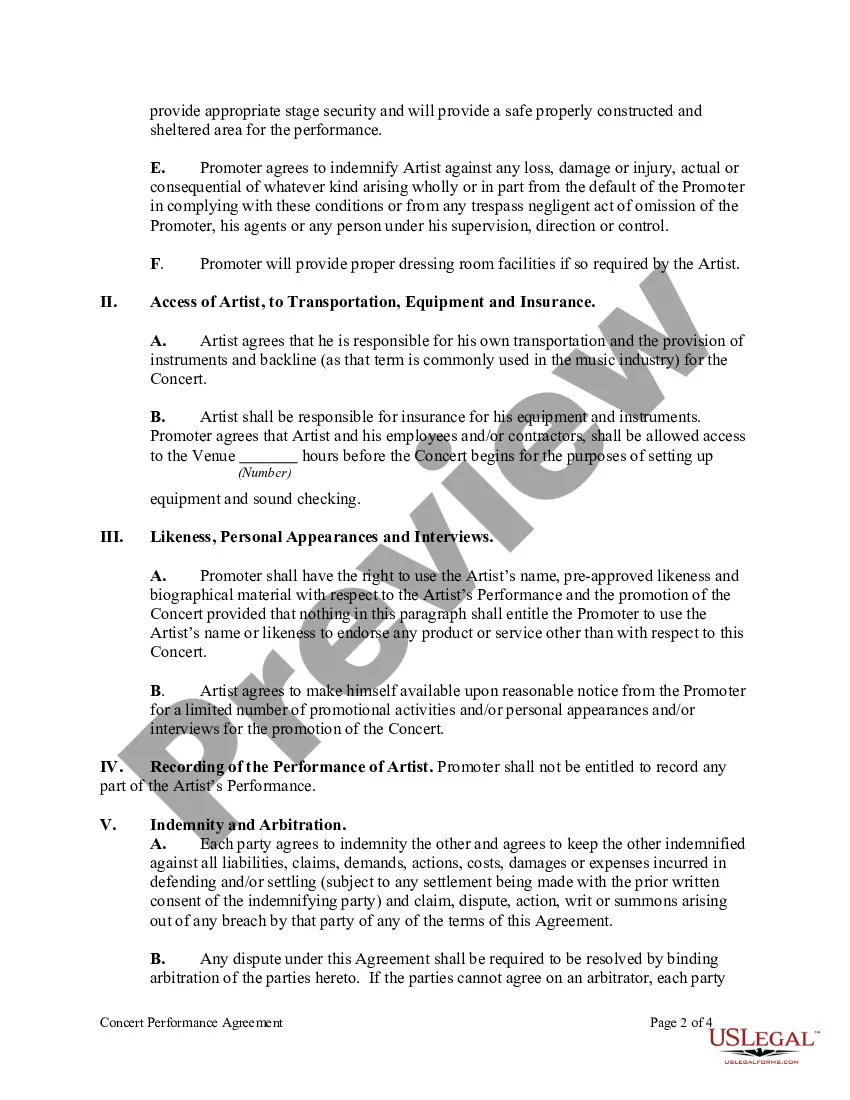
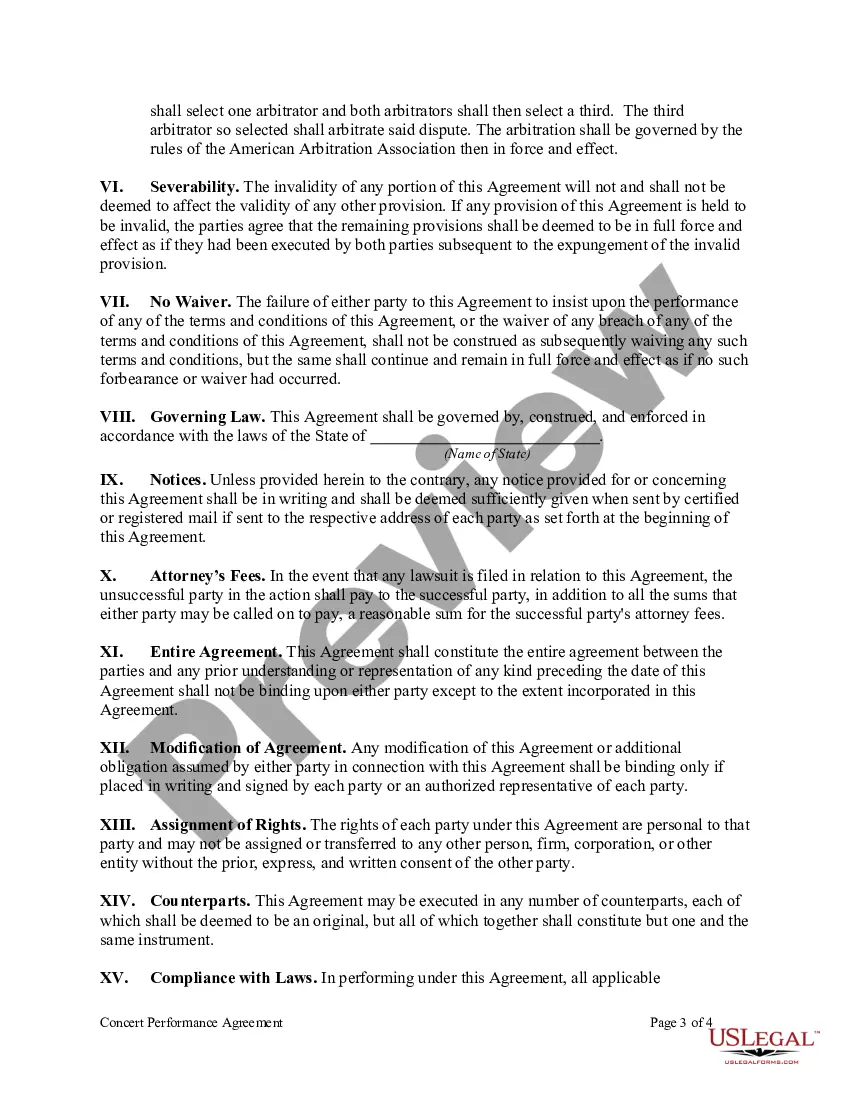
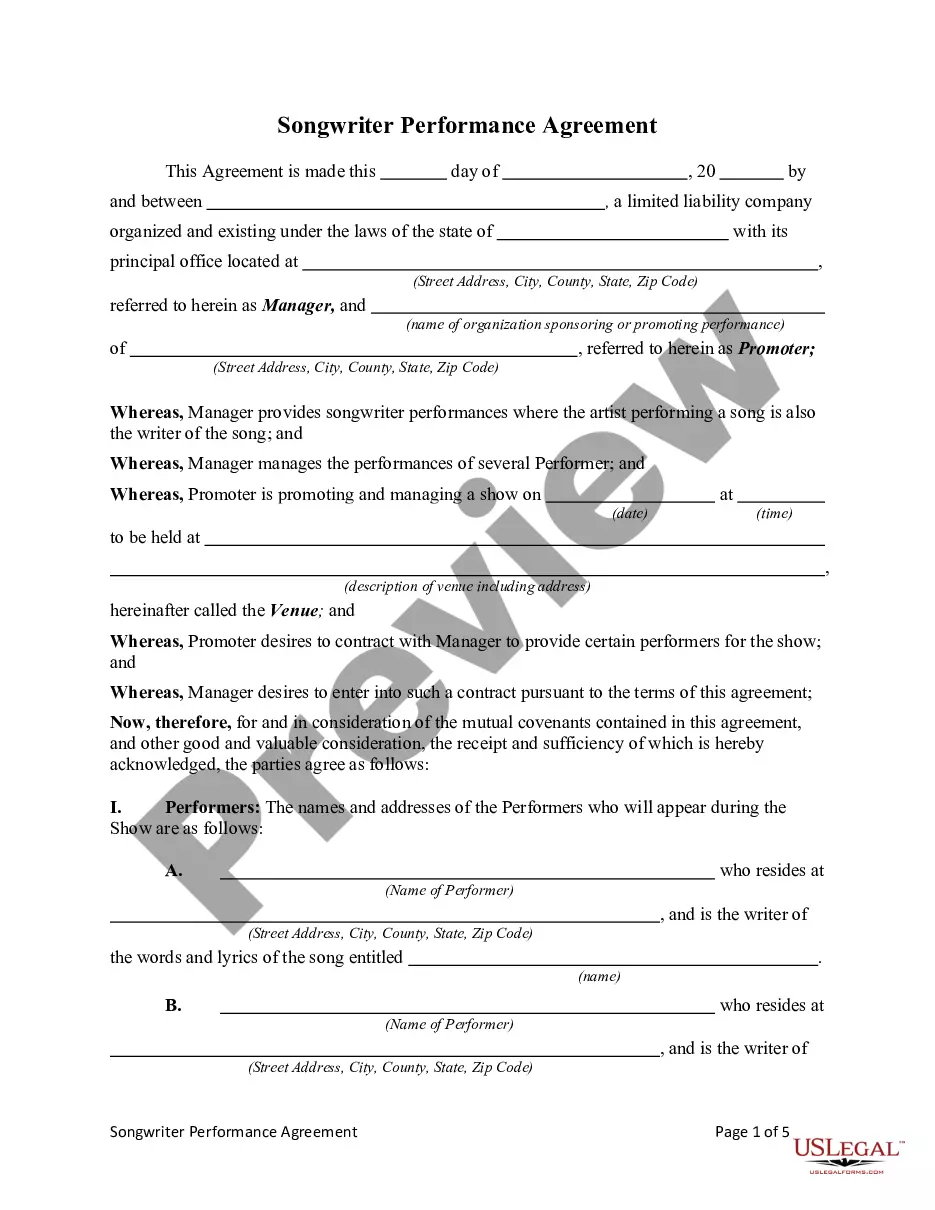
Get your form ready online
Our built-in tools help you complete, sign, share, and store your documents in one place.
Make edits, fill in missing information, and update formatting in US Legal Forms—just like you would in MS Word.
Download a copy, print it, send it by email, or mail it via USPS—whatever works best for your next step.
Sign and collect signatures with our SignNow integration. Send to multiple recipients, set reminders, and more. Go Premium to unlock E-Sign.
If this form requires notarization, complete it online through a secure video call—no need to meet a notary in person or wait for an appointment.
We protect your documents and personal data by following strict security and privacy standards.

Make edits, fill in missing information, and update formatting in US Legal Forms—just like you would in MS Word.

Download a copy, print it, send it by email, or mail it via USPS—whatever works best for your next step.

Sign and collect signatures with our SignNow integration. Send to multiple recipients, set reminders, and more. Go Premium to unlock E-Sign.

If this form requires notarization, complete it online through a secure video call—no need to meet a notary in person or wait for an appointment.

We protect your documents and personal data by following strict security and privacy standards.
Looking for another form?






Form popularity
FAQ
Follow these steps to put an effective performance agreement in place for your staff: Start With Clear Expectations. Build in Milestones. Agree on the Terms. Schedule Accountability Meetings. Establish Outcome Results and Consequences. Sign and Date the Agreement.
Here's the proven 9-step process for developing a performance plan: Automate the process. Explain performance reviews. Align goals. Define tactics. Connect employees to the bigger picture. Discuss performance. Create an ongoing communication plan. Set regular performance reviews.
Are periodic performance evaluations required? The Fair Labor Standards Act (FLSA) does not require performance evaluations. Performance evaluations are generally a matter of agreement between an employer and employee (or the employee's representative).
LEGAL REQUIREMENT While private-sector employers are not required to have performance appraisal systems, federal agencies are required to have such systems under 5 CFR 430.204opens in a new tab. States may have similar laws for public employers.
Number one: There's no law that requires your employer to do performance evaluations. We hear that a lot of companies do annual performance evaluations; sometimes there's mid-year performance evaluations as well.
Performance Appraisal System (PAS) Information. Most civil service employees in the State Executive Branch are evaluated using the Performance Appraisal System (PAS). Managers who are excluded from collective bargaining are evaluated under a separate evaluation system.
There is no law that mandates employers conduct performance reviews. But most employment attorneys always say, "document, document, document.”
A performance appraisal is a regular review of an employee's job performance and contribution to a company. Performance appraisals are also called annual reviews, performance reviews or evaluations, or employee appraisals.
Their is no law requiring employers to provide a performance review.
