Performance Agreement For Hr Manager In Salt Lake
Description
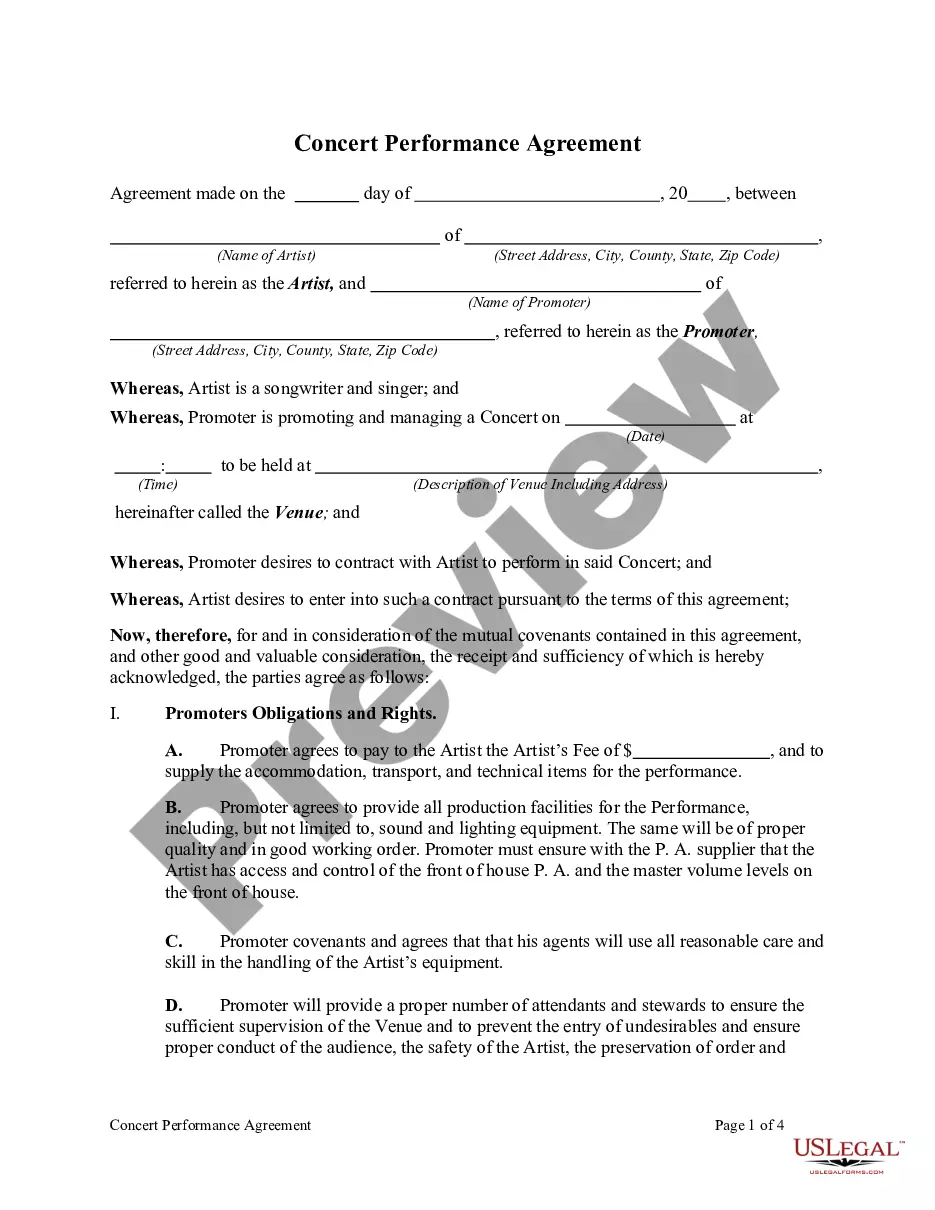
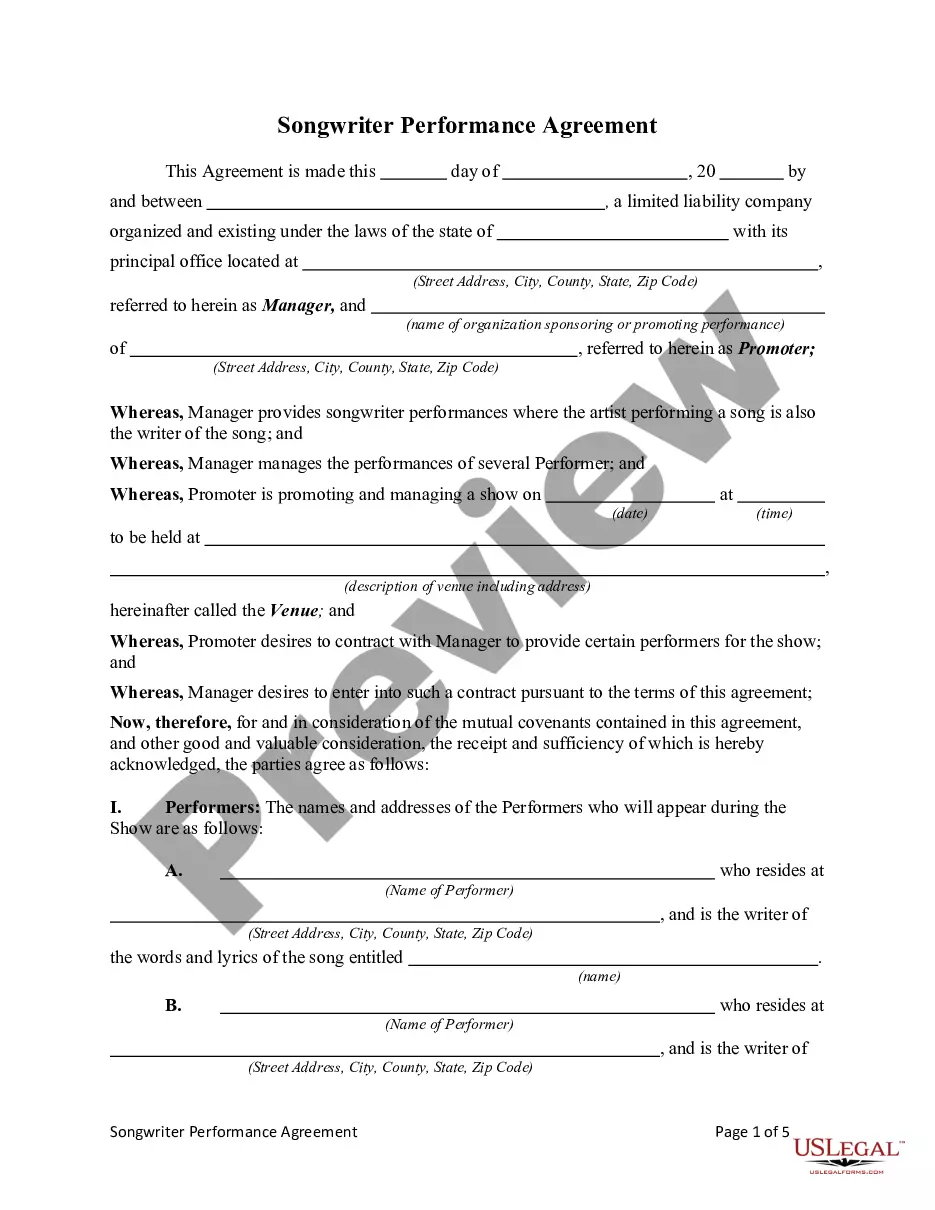
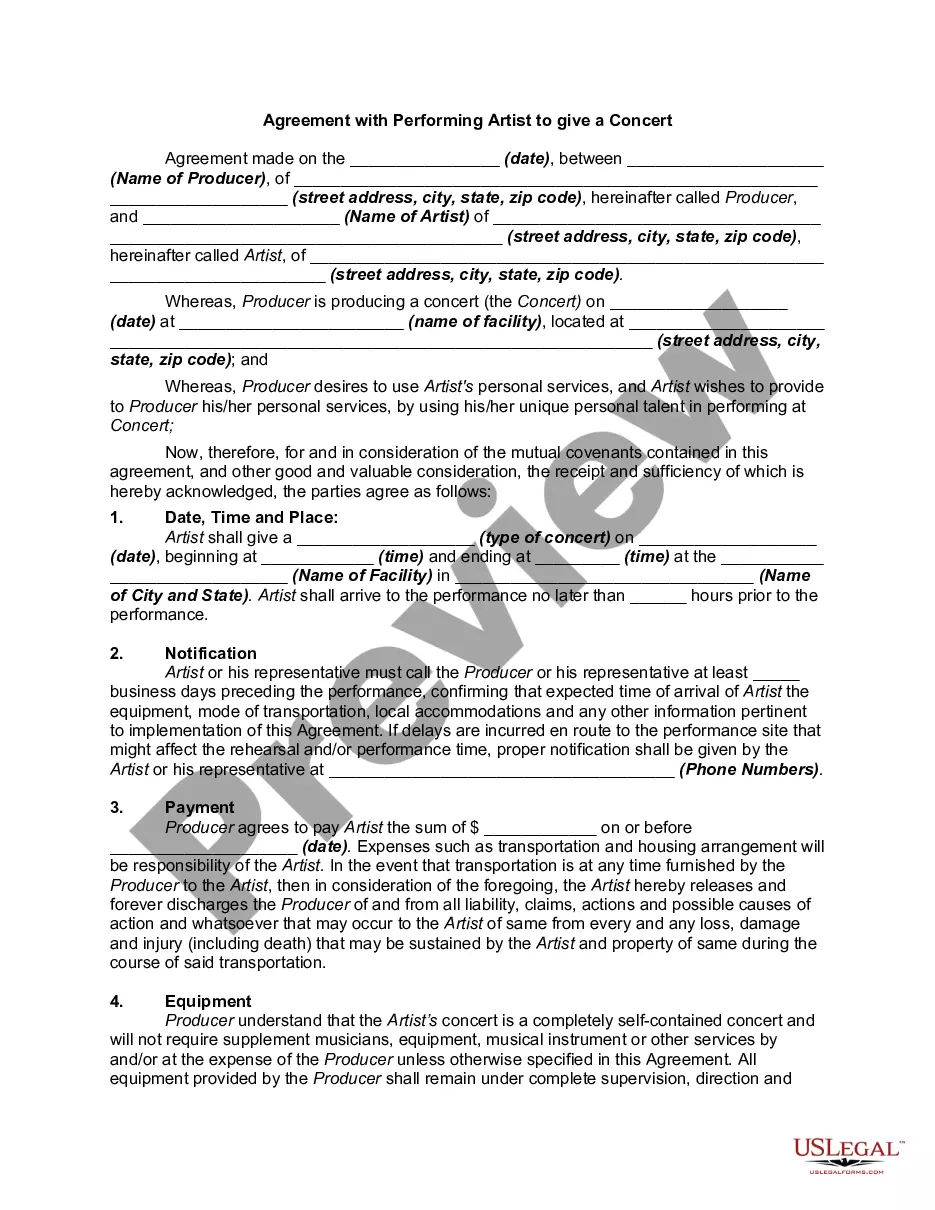
Get your form ready online
Our built-in tools help you complete, sign, share, and store your documents in one place.
Make edits, fill in missing information, and update formatting in US Legal Forms—just like you would in MS Word.
Download a copy, print it, send it by email, or mail it via USPS—whatever works best for your next step.
Sign and collect signatures with our SignNow integration. Send to multiple recipients, set reminders, and more. Go Premium to unlock E-Sign.
If this form requires notarization, complete it online through a secure video call—no need to meet a notary in person or wait for an appointment.
We protect your documents and personal data by following strict security and privacy standards.

Make edits, fill in missing information, and update formatting in US Legal Forms—just like you would in MS Word.

Download a copy, print it, send it by email, or mail it via USPS—whatever works best for your next step.

Sign and collect signatures with our SignNow integration. Send to multiple recipients, set reminders, and more. Go Premium to unlock E-Sign.

If this form requires notarization, complete it online through a secure video call—no need to meet a notary in person or wait for an appointment.

We protect your documents and personal data by following strict security and privacy standards.
Looking for another form?
Form popularity
FAQ
While it's true that PIPs are often a prelude to a termination, that's not always the case. If you're given a performance improvement plan, there's hope yet — in some cases, you can still fix the issues and keep your job.
A Performance Improvement Plan (PIP) is a tool used by managers in human resources to help employees improve their job performance. The PIP sets specific goals for the employee to achieve and outlines the steps that the manager and employee will take to help the employee reach those goals.
The performance management cycle consists of four key stages: planning, monitoring, reviewing and rewarding. Each stage plays a crucial role in maintaining effective performance management... Organisational and employee goal setting. Hosting check-ins and keeping on top of KPIs.
Integrated performance management processes support continuous improvement. Since the HR team owns performance data, it can take responsibility for tracking performance and identifying opportunities for improvement.
A performance improvement plan (PIP) is a document that aims to help employees who are not meeting job performance goals. A PIP covers specific areas of performance deficiencies, identifies skills or training gaps and sets clear expectations for an associate's future conduct.
Don't quit. If you have had a positive performance review recently then you may even have a case for constructive dismissal if it comes to it. A positive performance review followed by a PIP would be problematic for your employer at a tribunal unless your behaviour has changed radically.
A PIP, therefore, typically acts as a final written warning, and is usually issued only after an employee has been informed on several occasions of performance deficiencies or other concerns that are impeding the business's functioning.
When you fill the form: Be honest and critical. Analyze your failures and mention the reasons for it. Keep the words minimal. Identify weaknesses. Mention your achievements. Link achievements to the job description and the organization's goals. Set the goals for the next review period. Resolve conflicts and grievances.
Talent management is a broader activity while performance management is just one of the many tasks that lives under the hub of talent management.
Keys to Effective Performance Management Provide coaching, training, support, time, and resources to help the staff member succeed. Monitor and observe staff member's performance. Provide regular, specific, timely feedback to the staff member on their progress at meeting established performance goals and expectations.